February 09, 2026
ITDP Indonesia Hosts Multistakeholder Dialogue to Advance Inclusive and Sustainable Electric Vehicle Charging Strategies
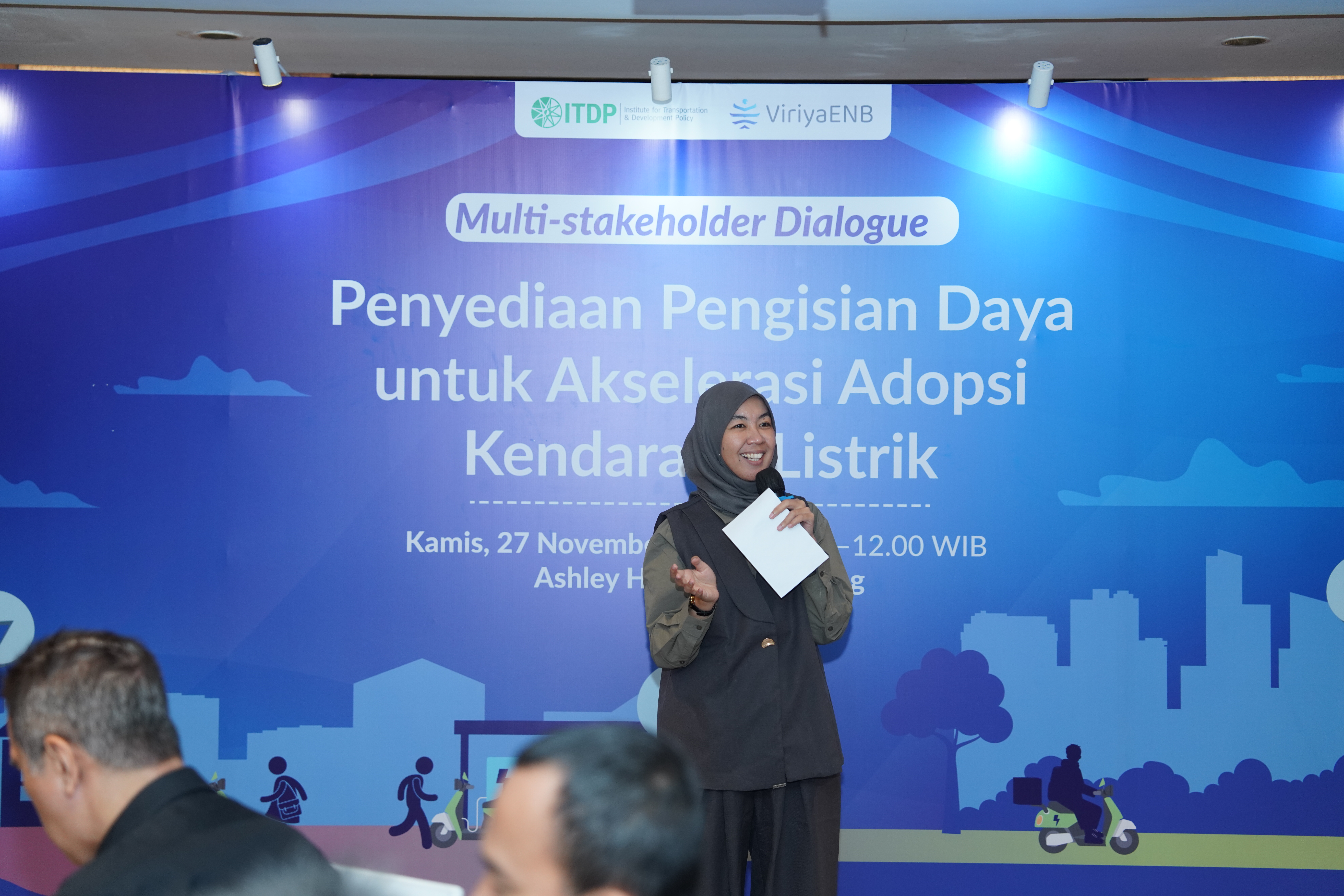
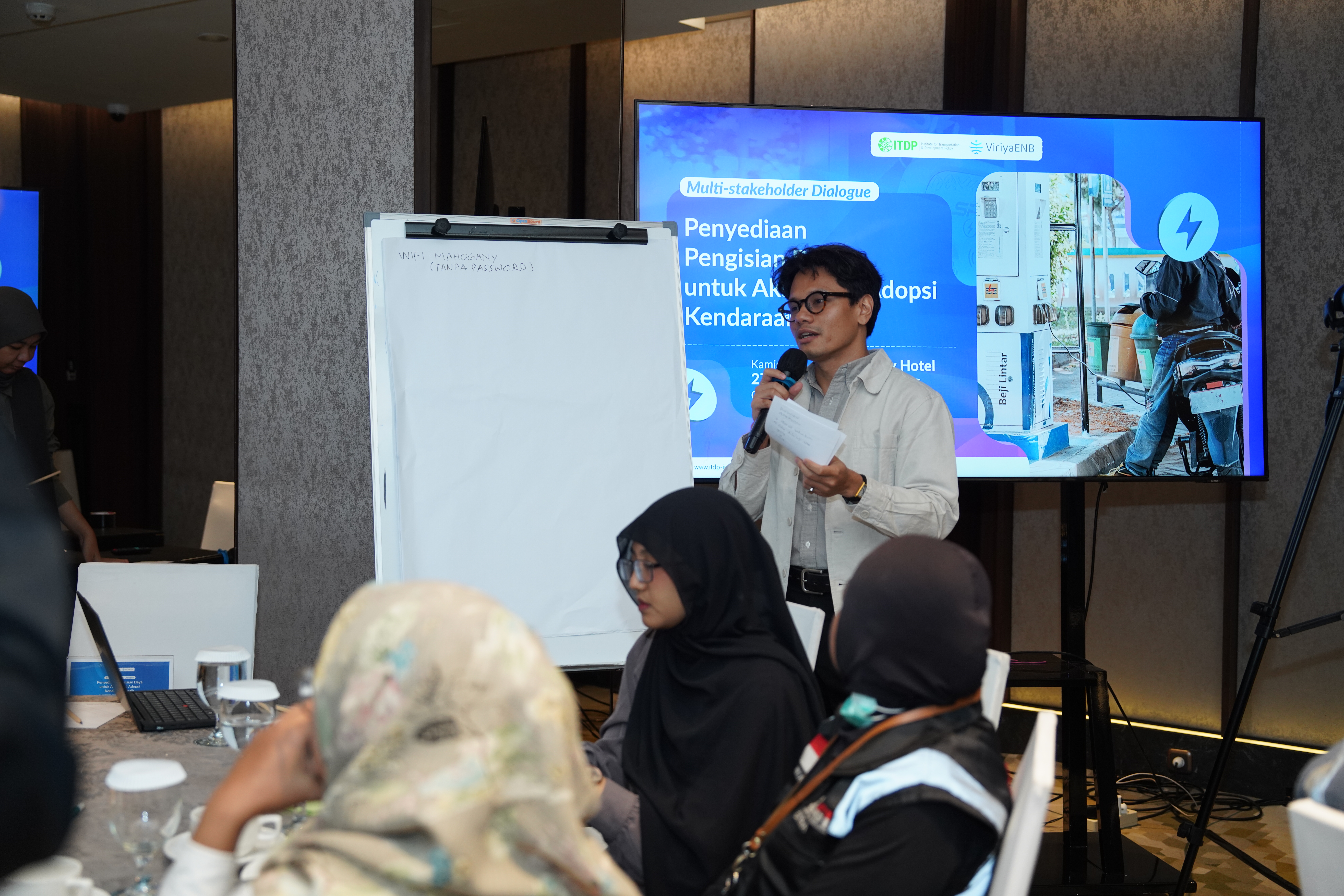
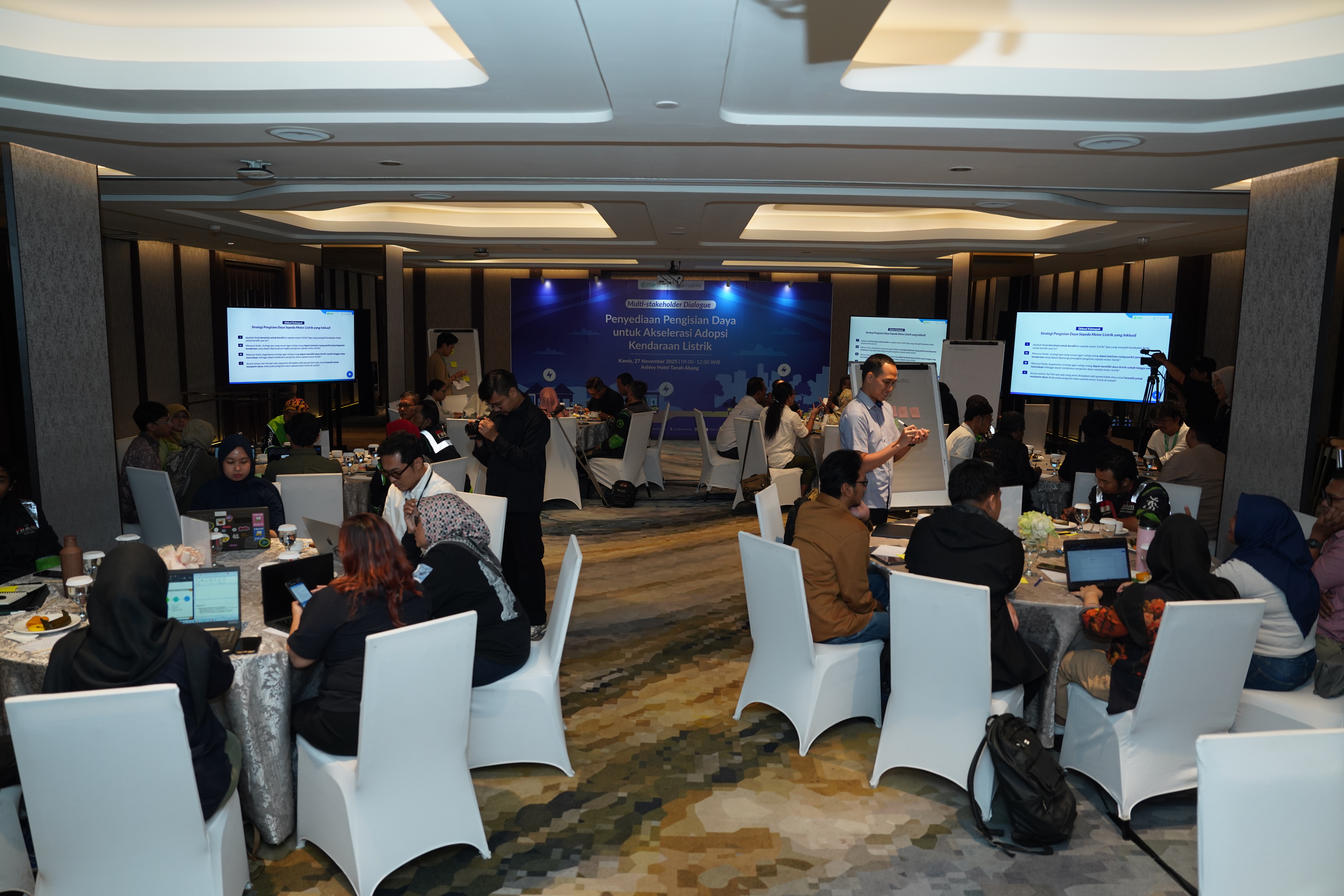
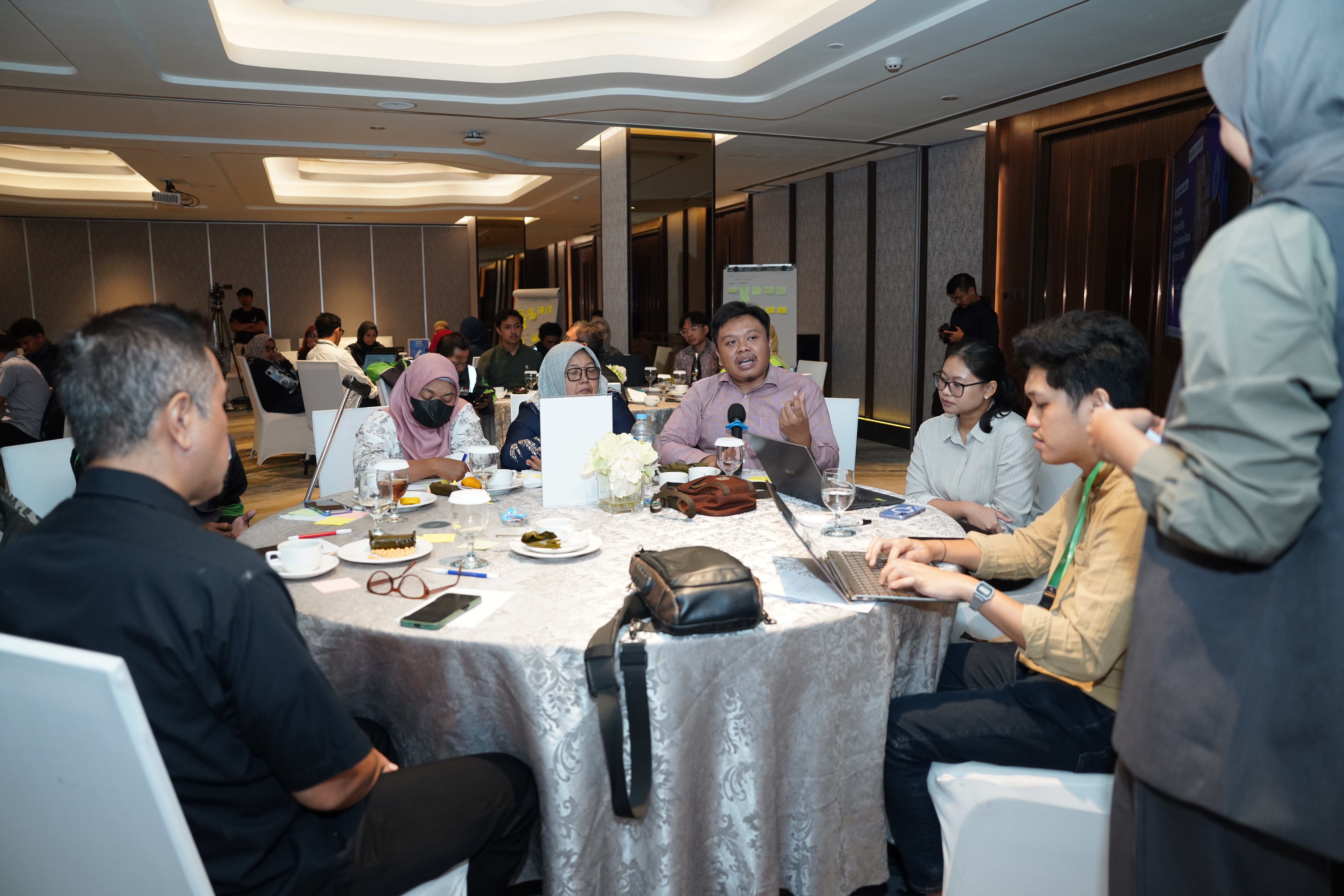
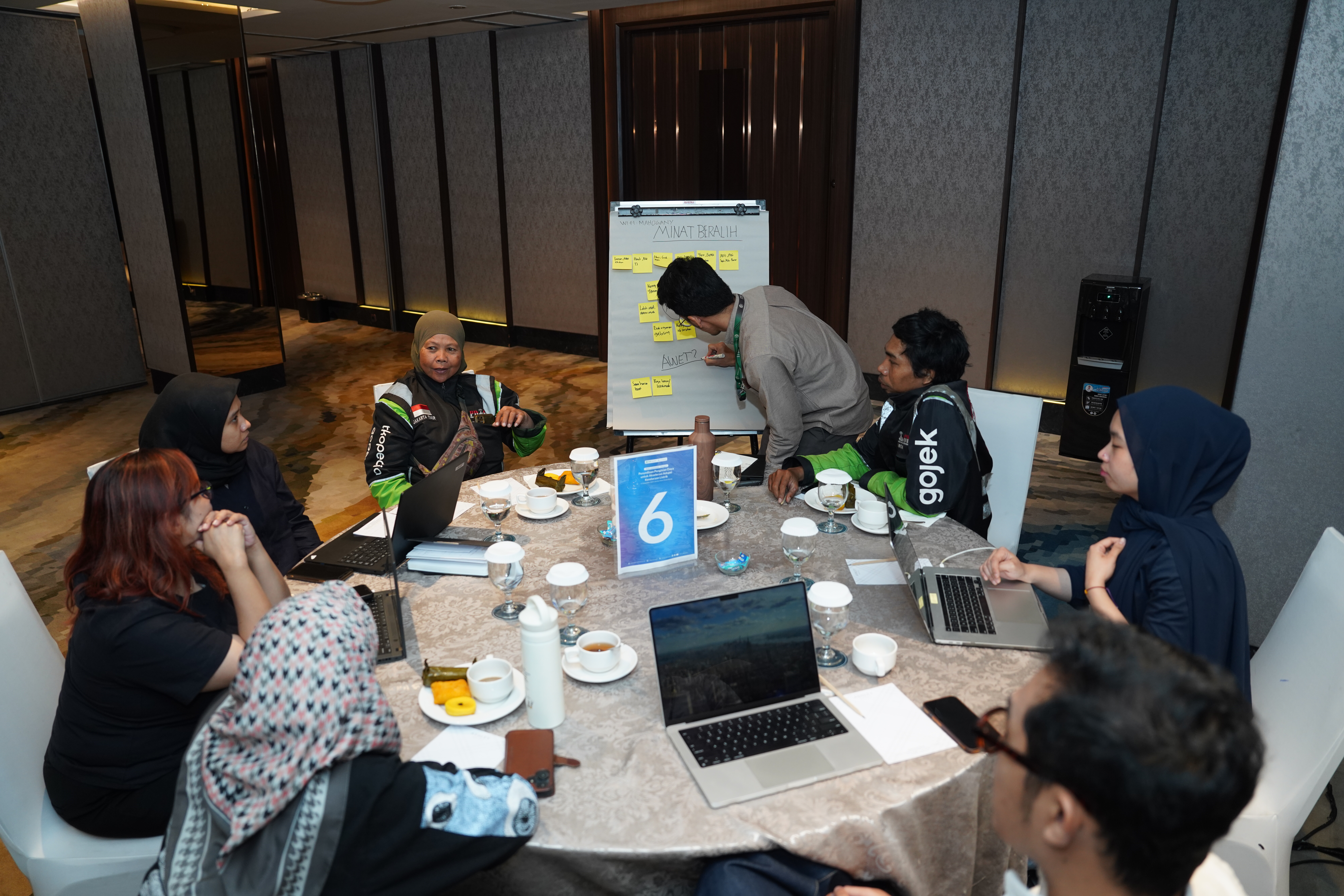
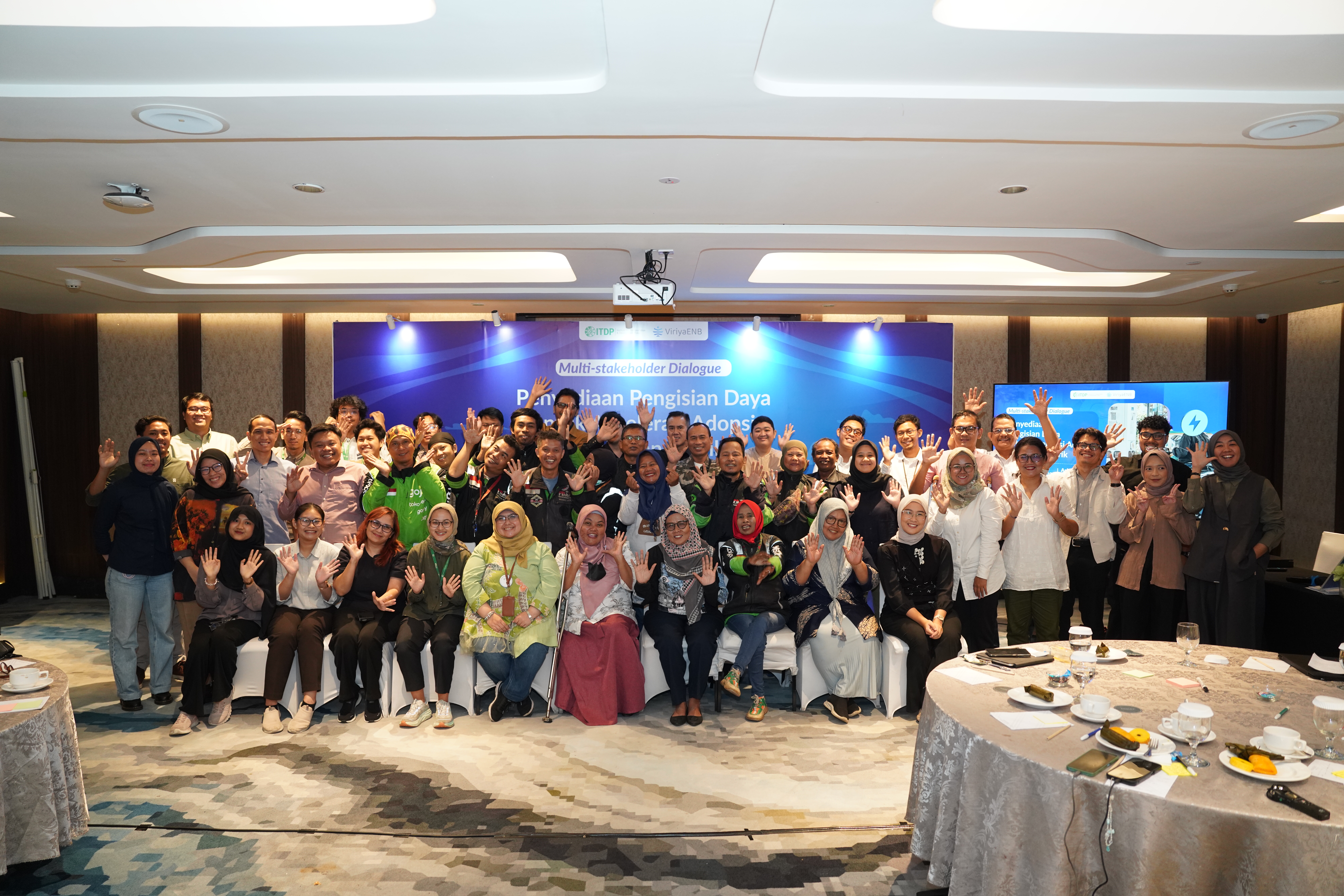
ITDP Indonesia, with support from ViriyaENB, hosted a Multistakeholder Dialogue titled “Strategies for Inclusive and Sustainable Electric Vehicle Charging Provision in Indonesia” on 27 November 2025 at Ashley Hotel, Tanah Abang, Jakarta. The event served as a follow-up to ITDP’s survey of 1,920 respondents across four metropolitan cities, which revealed that 78% of the public remain uncertain about the availability of public charging infrastructure, while 80% are not confident in their ability to charge electric vehicles at home.
Representatives from vulnerable groups who are potential primary users of two-wheeled electric vehicles—including the Urban Poor Network (Jaringan Rakyat Miskin Kota/JRMK), the Indonesian Association for the Welfare of the Deaf (GERKATIN), the Indonesian Association of Persons with Disabilities (Perkumpulan Penyandang Disabilitas Indonesia/PPDI), and the Indonesian Gojek Drivers Association—participated in the dialogue. Their participation was expected to enrich the formulation of strategic recommendations to ensure inclusive and sustainable access to charging infrastructure for vulnerable communities, particularly at the household level.
Throughout the discussion, participants shared their experiences using electric motorcycles and the factors influencing their decision to transition. While electric motorcycles were recognized to offer lower operational costs and improved riding comfort, participants highlighted that the readiness of the supporting ecosystem remains a key challenge, especially for individuals living in dense housing areas, working in the informal sector, or requiring specific accessibility accommodations. The diversity of housing types—from landed houses and rented rooms to low-cost apartments and high-rise residences—also demonstrated that the ability to charge at home is highly dependent on available space, electrical capacity, and building regulations.
The discussion further highlighted the importance of supportive policies and technical guidelines to help the public access charging facilities in a safe, convenient, and affordable manner. Participants also emphasized the importance of clear information regarding costs, subsidy schemes, and after-sales services. In addition, they highlighted the urgency of establishing community-based charging points at the neighborhood level to ensure equitable access, as well as promoting the development of more inclusive electric motorcycle models for individuals with disabilities so they no longer need to rely on costly and hard-to-access vehicle modifications.