March 08, 2026
As Electric Buses Move Forward, Women Must Move Forward Too
By Ajani Raushanfikra, Urban Planning & Inclusivity Associate ITDP Indonesia
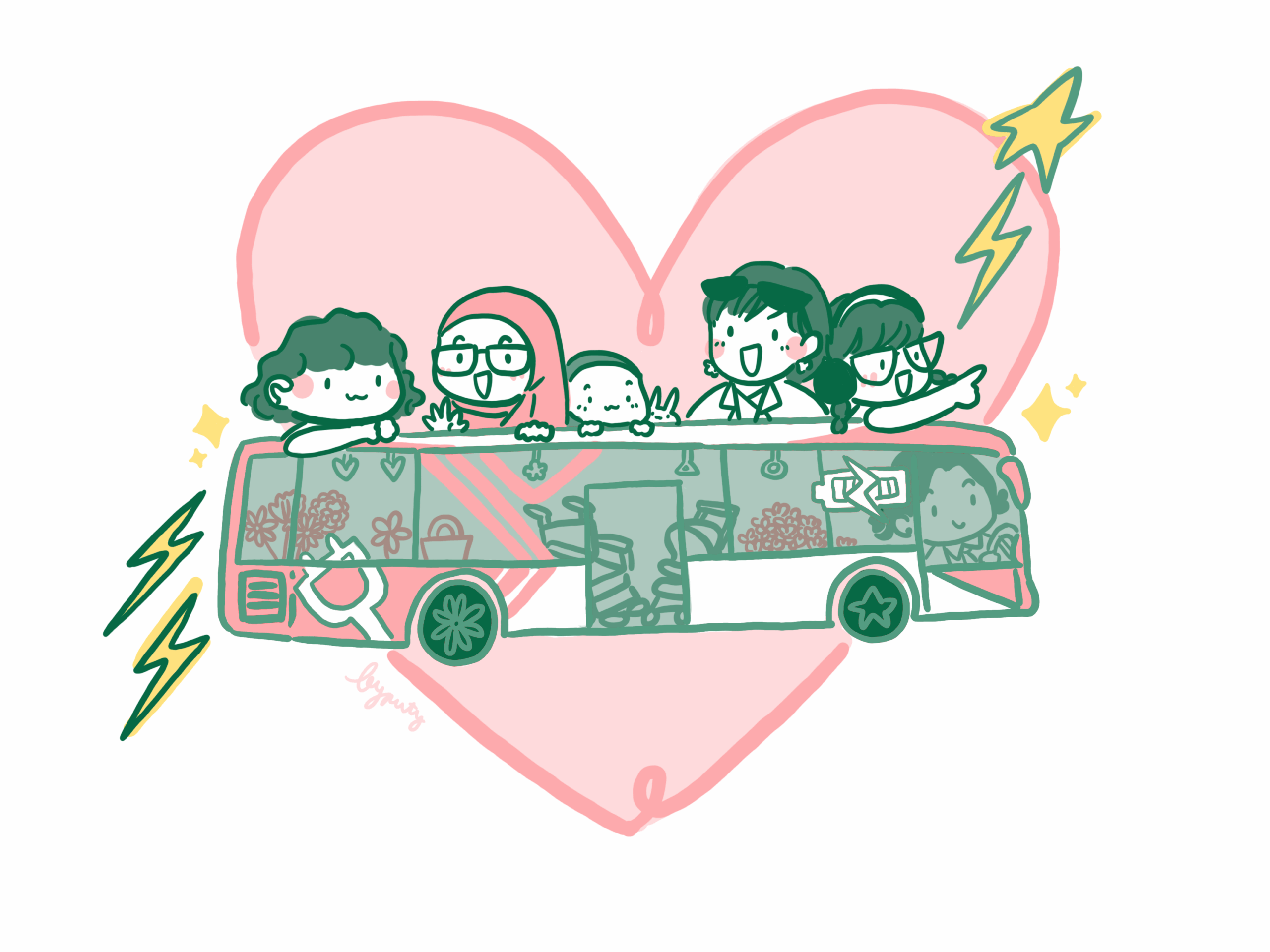
Illustration by Puty Puar
The electrification momentum is not only transforming technology from diesel fuel to electricity—but also creating an opportunity to build a more gender-equitable transport ecosystem by ensuring that women have equal access to employment opportunities in the electric mobility sector.
Indonesia’s electric mobility sector is still in the early stages of development and is facing various challenges, including limited infrastructure and the need to prepare a workforce with new skills. The electrification of urban bus fleets, for example, requires not only replacing and expanding fleets but also adjusting service operations. This transition directly creates demand for operational and technical workers while encouraging the development of new skills related to operating and maintaining electric vehicles.
At the same time, this transition presents a valuable opportunity to open more doors for women in the transportation sector. By ensuring women have equal access to job opportunities, and by incorporating their needs and perspectives into the development and deployment of electric mobility technologies, a more inclusive transport ecosystem can be achieved.
Transjakarta Academy: Opening Opportunities for Women in the Electric Mobility Ecosystem
The bus fleet electrification process in Transjakarta, in line with the Governor of DKI Jakarta Decree No. 1053/2022, which targets 100% electrification by 2030, can serve as an entry point for a more equitable and inclusive workforce in the public transport sector. According to Transjakarta data from 2024, around 60% of its users are women¹. Despite being the primary users, this group is also more vulnerable to safety issues in public transport. Therefore, women’s representation within the transport workforce is essential. However, as of early 2025, female drivers accounted for only about 2% of Transjakarta drivers.
The presence of women in operational roles can help improve the perceived safety of public transport services² and increase sensitivity to the needs of vulnerable passengers such as children, the elderly, and persons with disabilities³.
Deriving from this backdrop, the transition to electric mobility is not only a technological transformation in support of decarbonization, but also an opportunity for broader social transformation. The operational side of public transport has traditionally required prior experience or technical skills, often limiting women’s participation. However, as electric vehicle technology is still relatively new, drivers and operational staff must learn these systems from scratch. This shift opens the door for women—including those without prior technical backgrounds—to participate in the sector.
In 2025, ITDP and Transjakarta, supported by UNEP and BMZ Germany, implemented the second batch of the Transjakarta Academy (TJ Academy). This initiative builds on recommendations by ITDP and UNEP in 2024 as well as Transjakarta’s human resource development plan, which highlighted the low participation of women in the electric mobility sector—reflected in the small number of female drivers, the lack of targeted recruitment schemes, and the limited number of female applicants for technical positions.
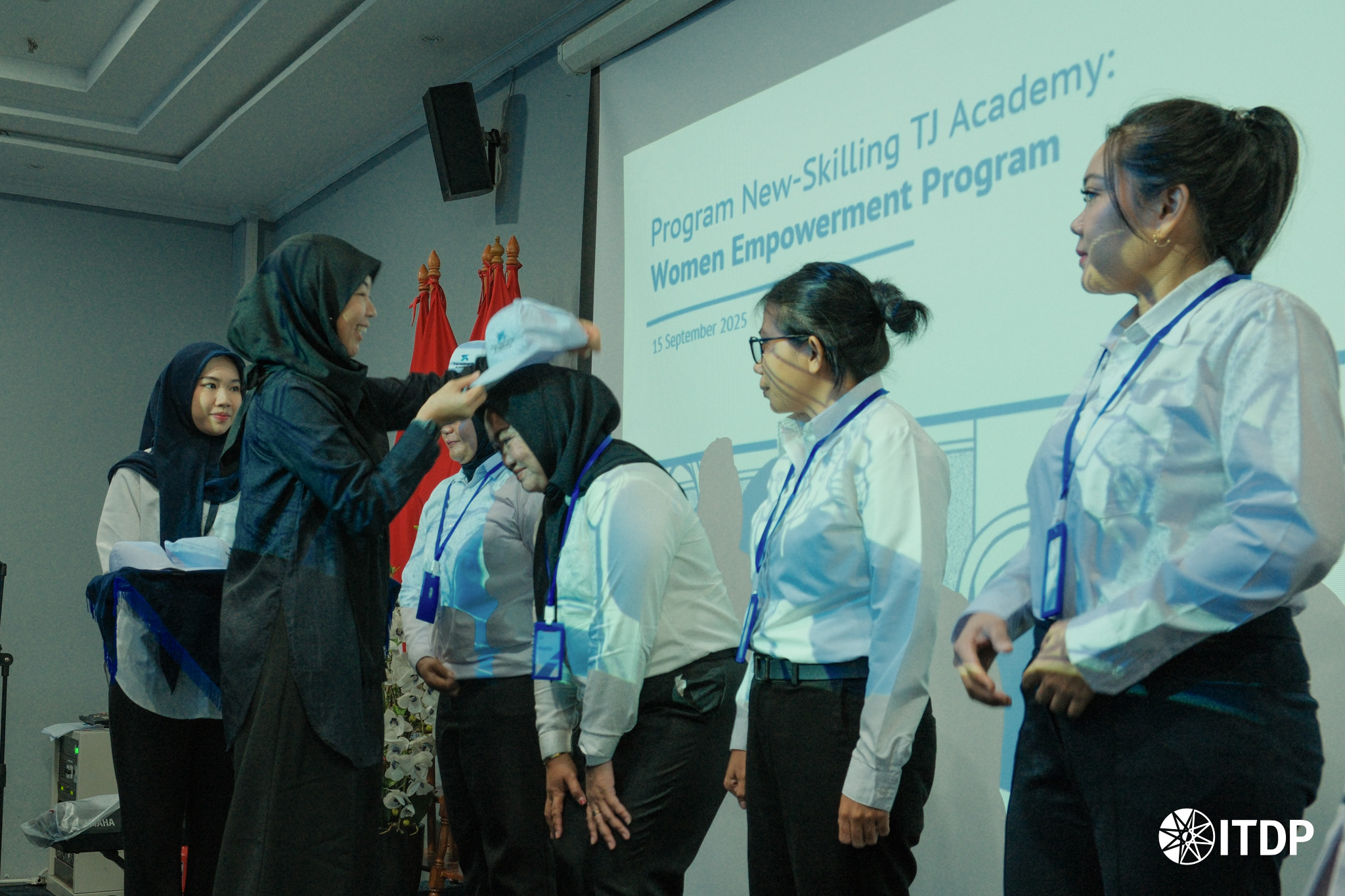
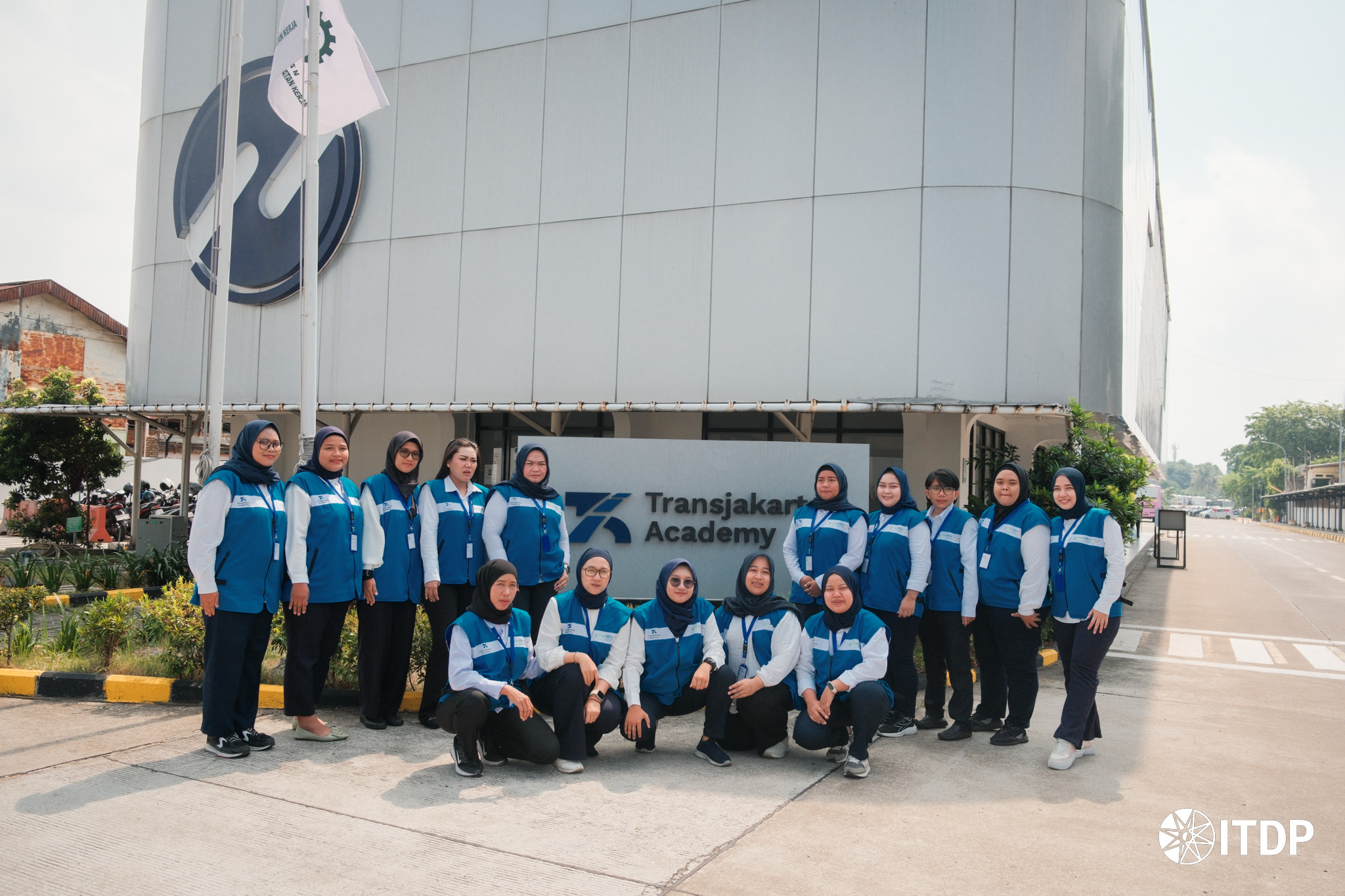
The second batch of Transjakarta Academy recruited participants composed entirely of women and was designed as a capacity-building platform to support women in contributing as public transport drivers. Titled the “Women Empowerment Program,” Transjakarta Academy Batch 2 was implemented through an open recruitment process specifically targeting female applicants. The program also welcomed participants without prior experience driving buses, allowing applicants holding a standard driver’s license (SIM A) to undergo training to upgrade their license qualification. A total of 15 women were selected through the recruitment process to participate in a one-month training program held from September to October 2025.
In addition to having experience driving light or heavy vehicles, the participants came from diverse professional and educational backgrounds, including administrative staff, teachers, and graduates ranging from senior high school to bachelor’s and master’s degree holders.
The training was delivered through a structured curriculum covering the introduction to electric vehicle technology, operational safety standards, and the strengthening of both technical and professional competencies. Beyond technical skills, the program also incorporated modules on gender sensitivity, responses to gender-based violence, and the handling of passengers from vulnerable groups. Through this approach, drivers were equipped with the skills needed to provide safer, more responsive, and more inclusive services for all public transport users.
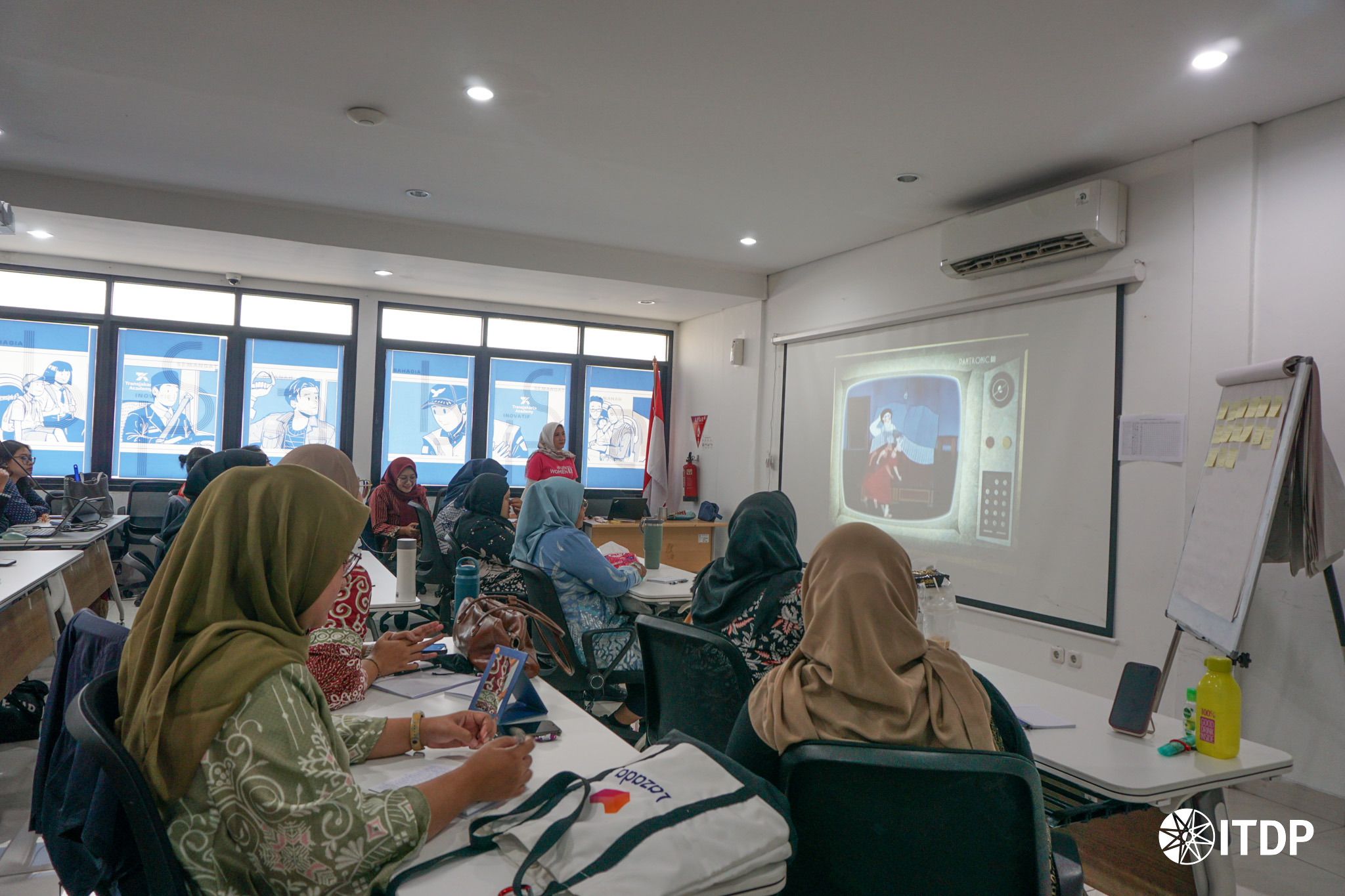
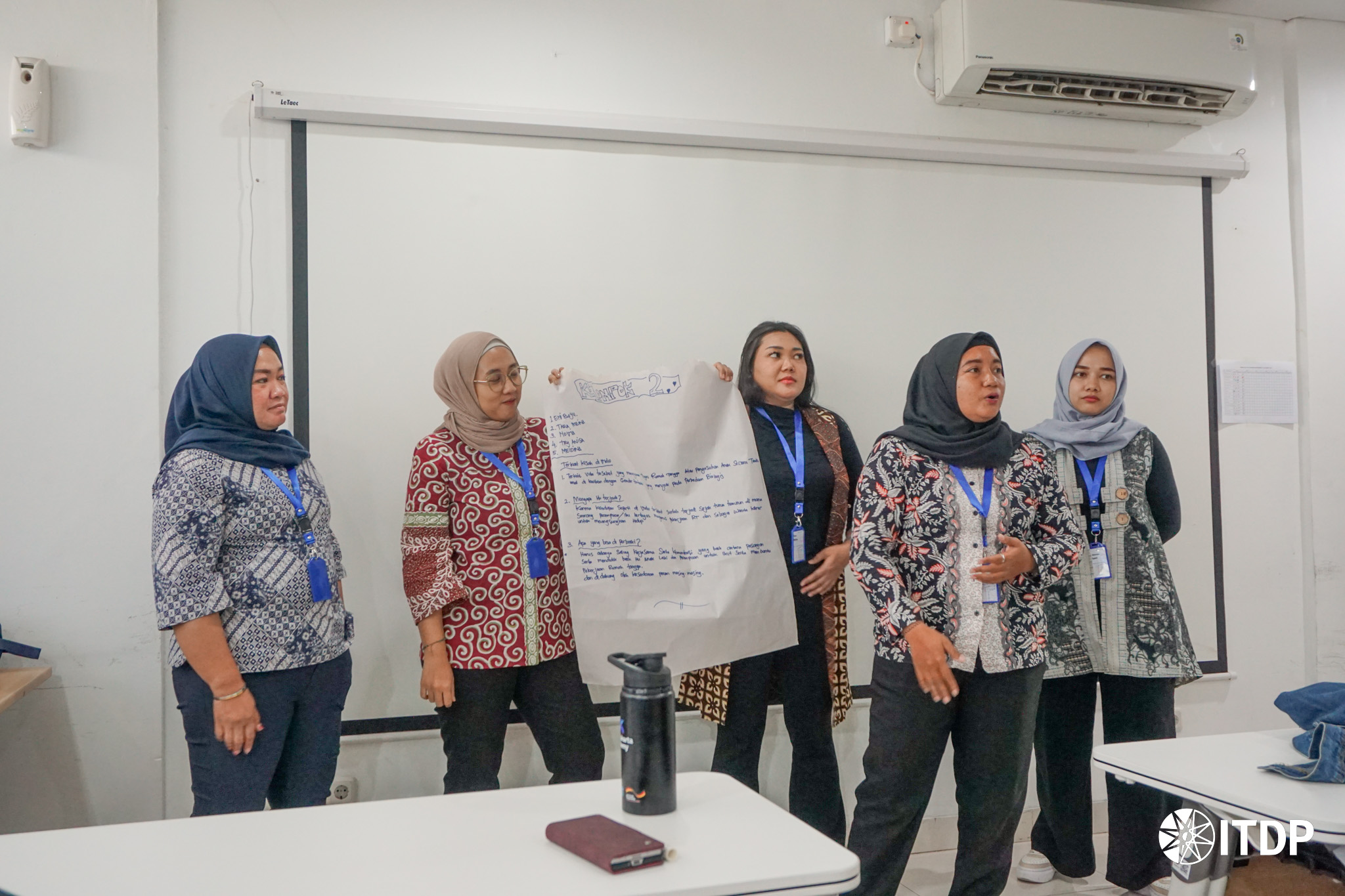
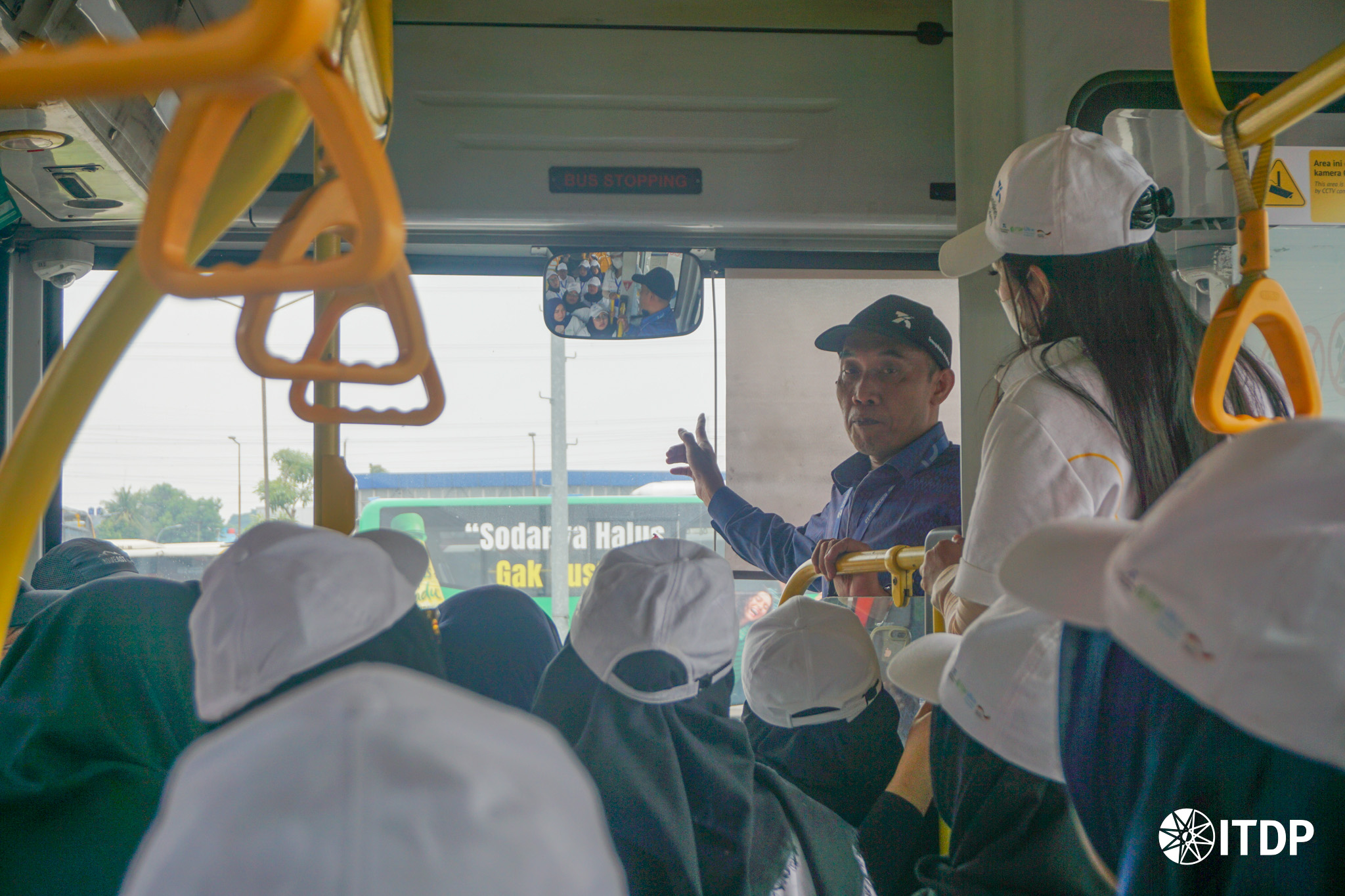
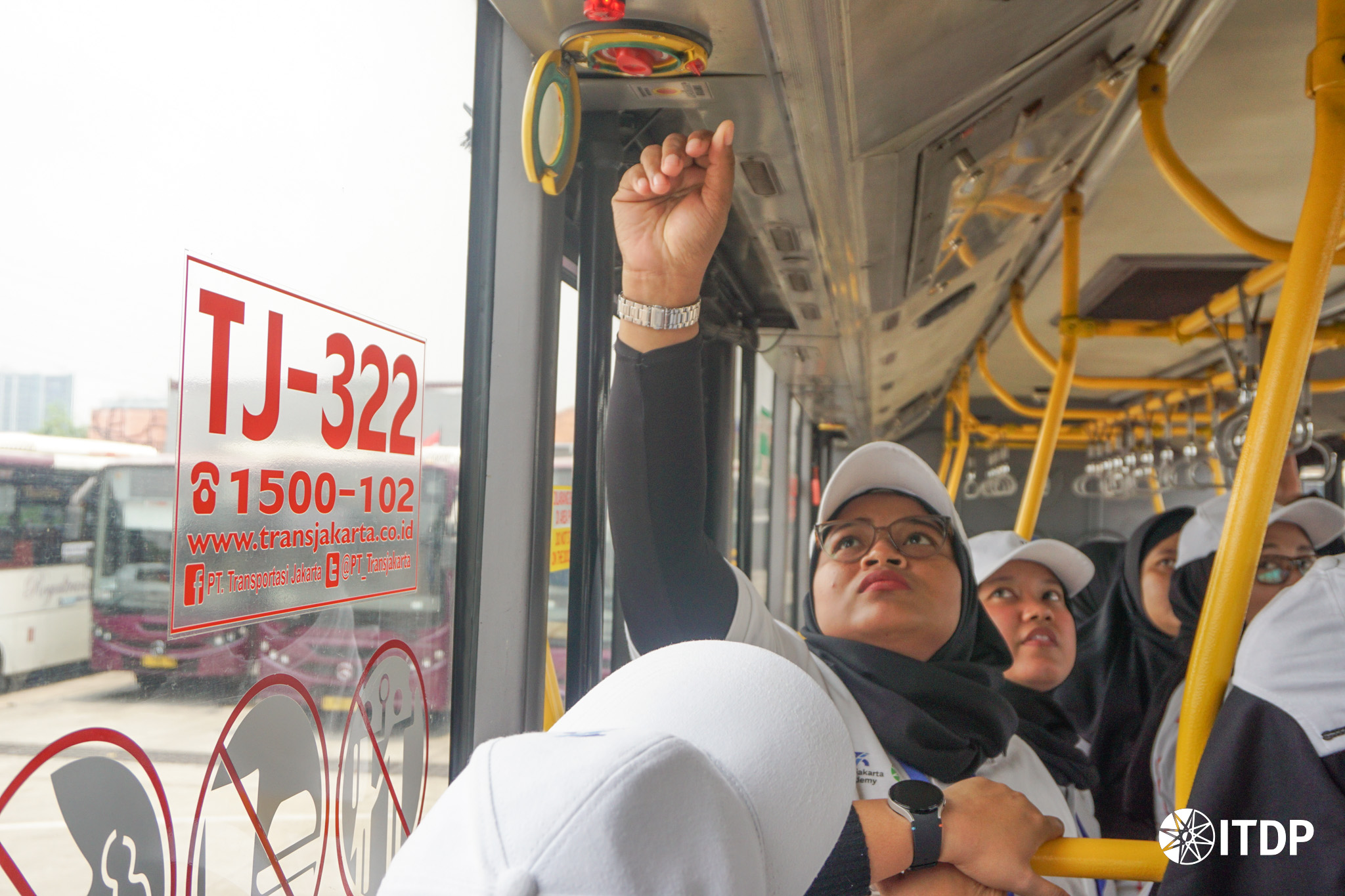
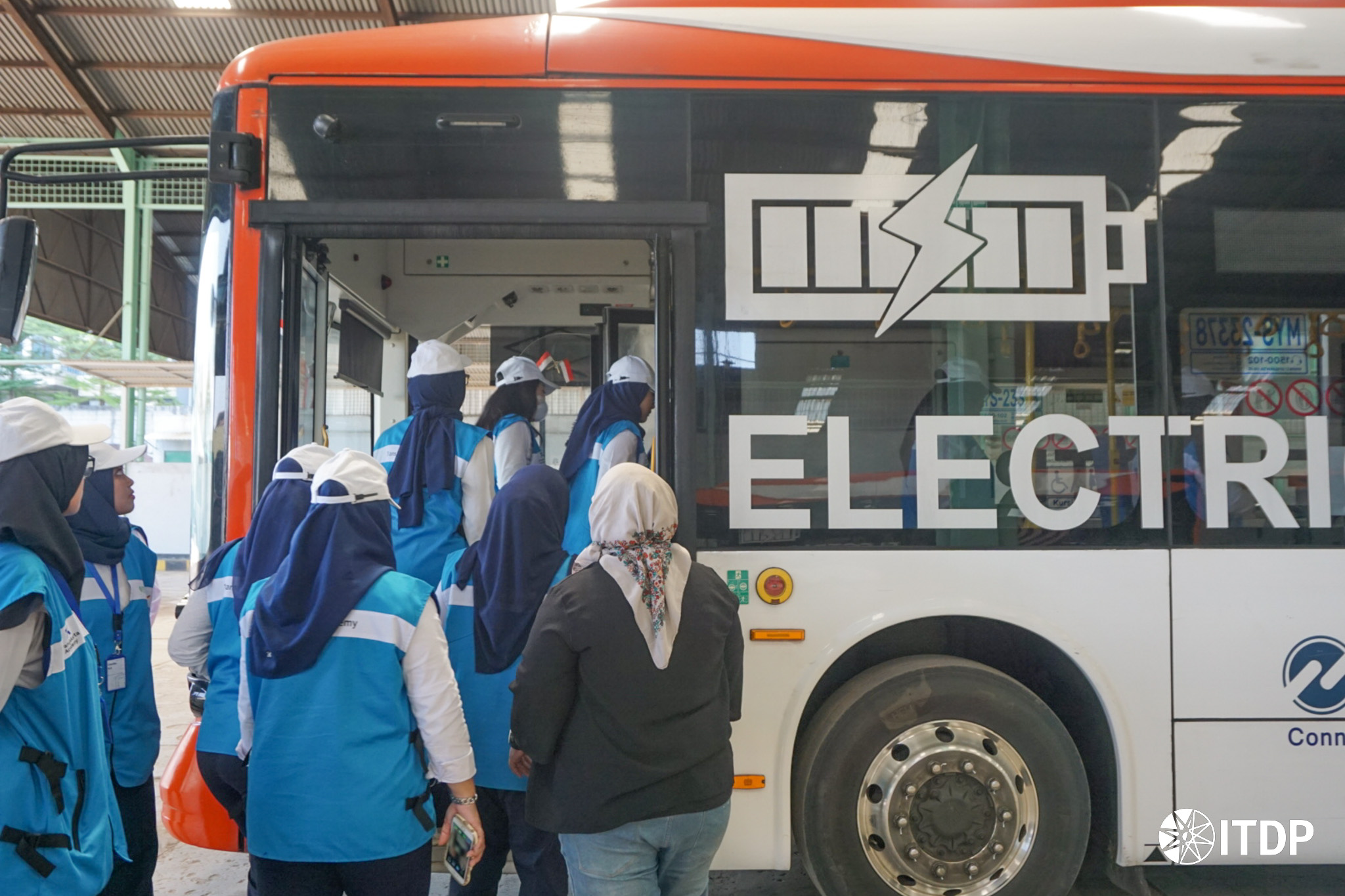
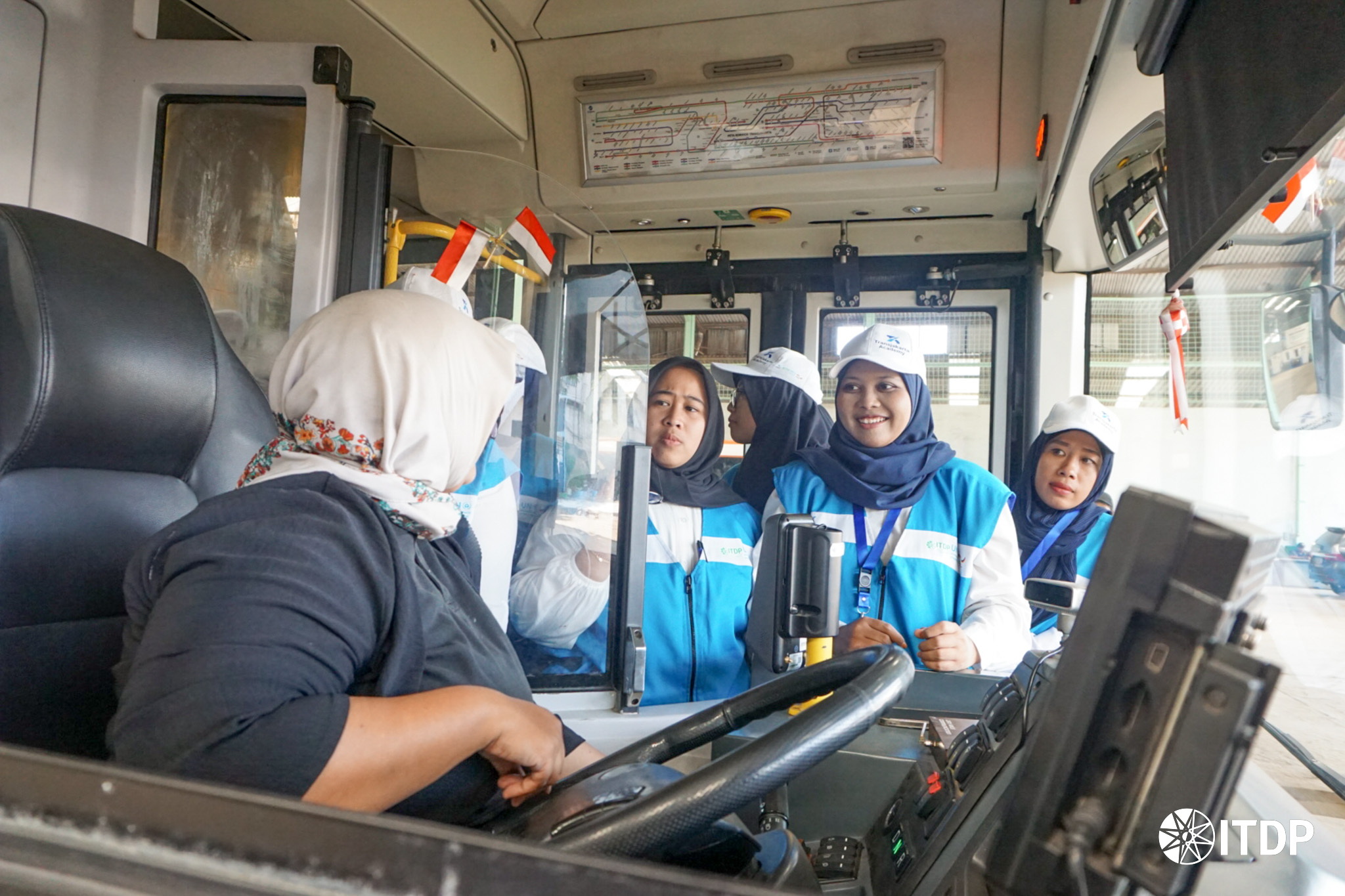
To complete the training program, participants were required to pass both theoretical and practical examinations. The theoretical exam, known as the block test, was conducted in the classroom using Google Forms. The questions were compiled from summaries of the pre-tests and post-tests administered throughout the learning sessions and were completed within a single day, covering the full scope of the training materials.
The practical examination consisted of two stages: a driving test on a training route and a final driving test on an operational Transjakarta route. The main assessment took place during the final stage, when participants operated buses along Transjakarta routes. Instructors evaluated the participants’ driving performance as well as their compliance with the Minimum Service Standards (SPM), such as the punctual opening and closing of bus doors. Participants who did not meet the passing threshold were given the opportunity to retake the exam.
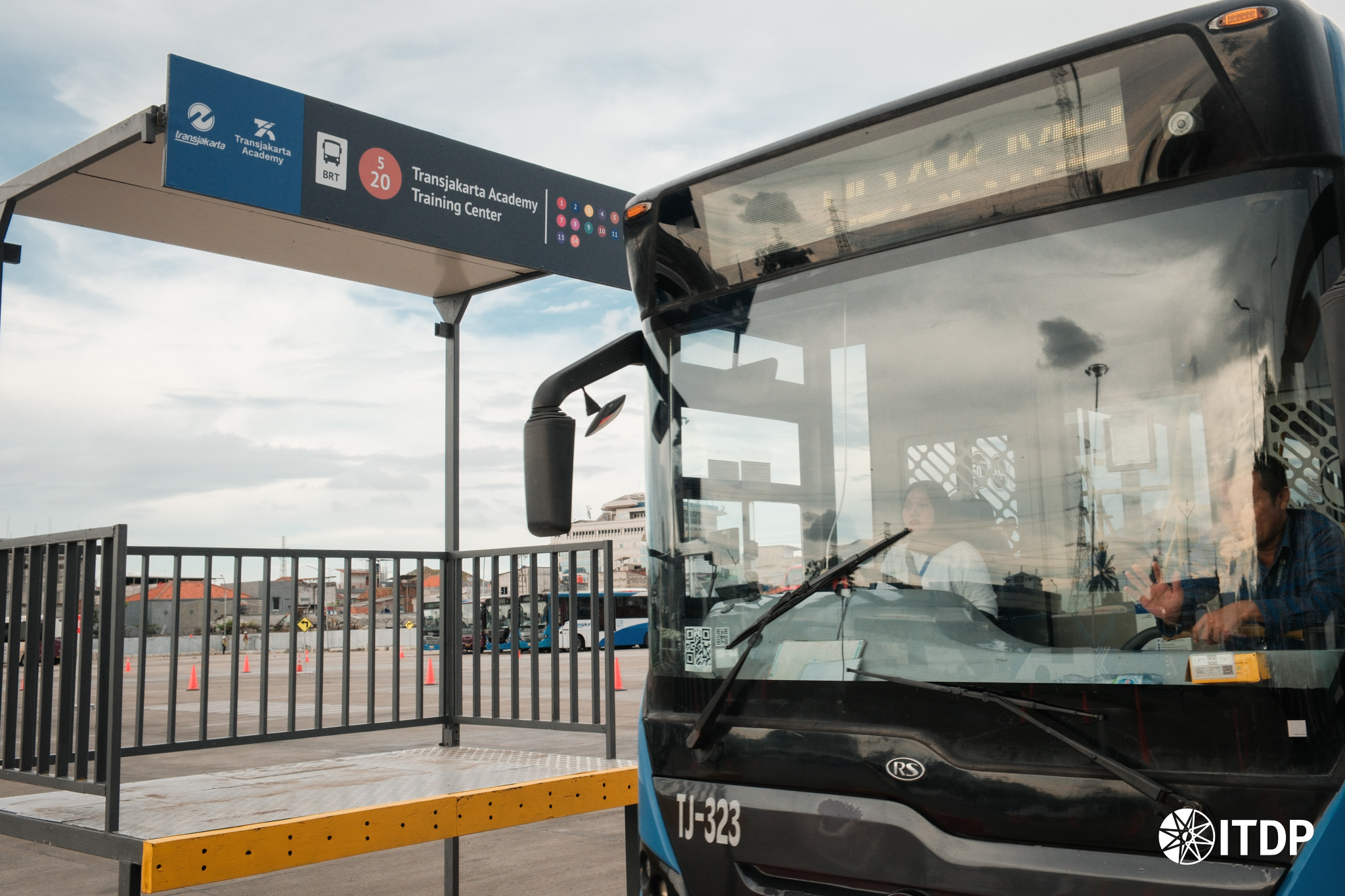
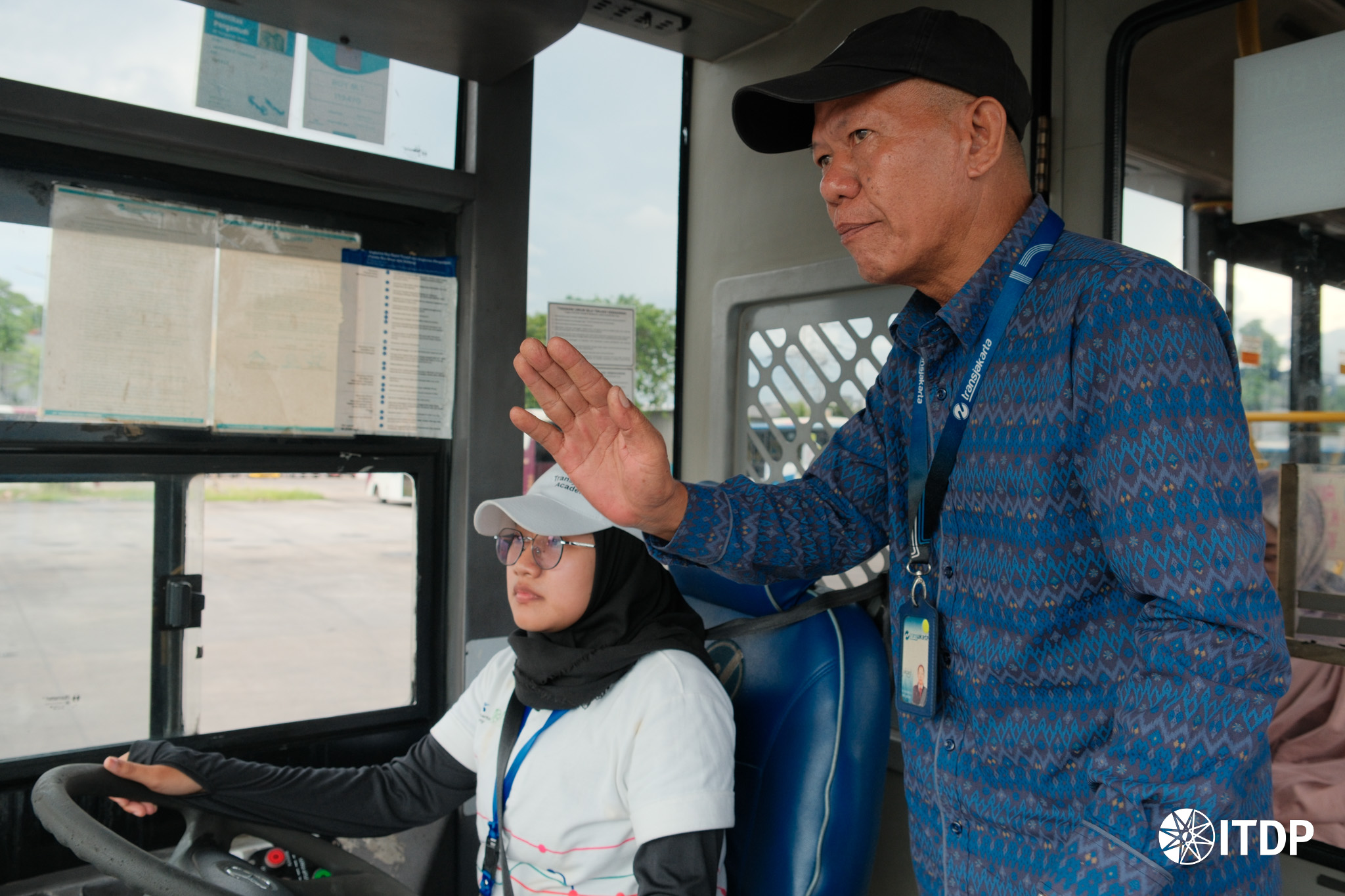
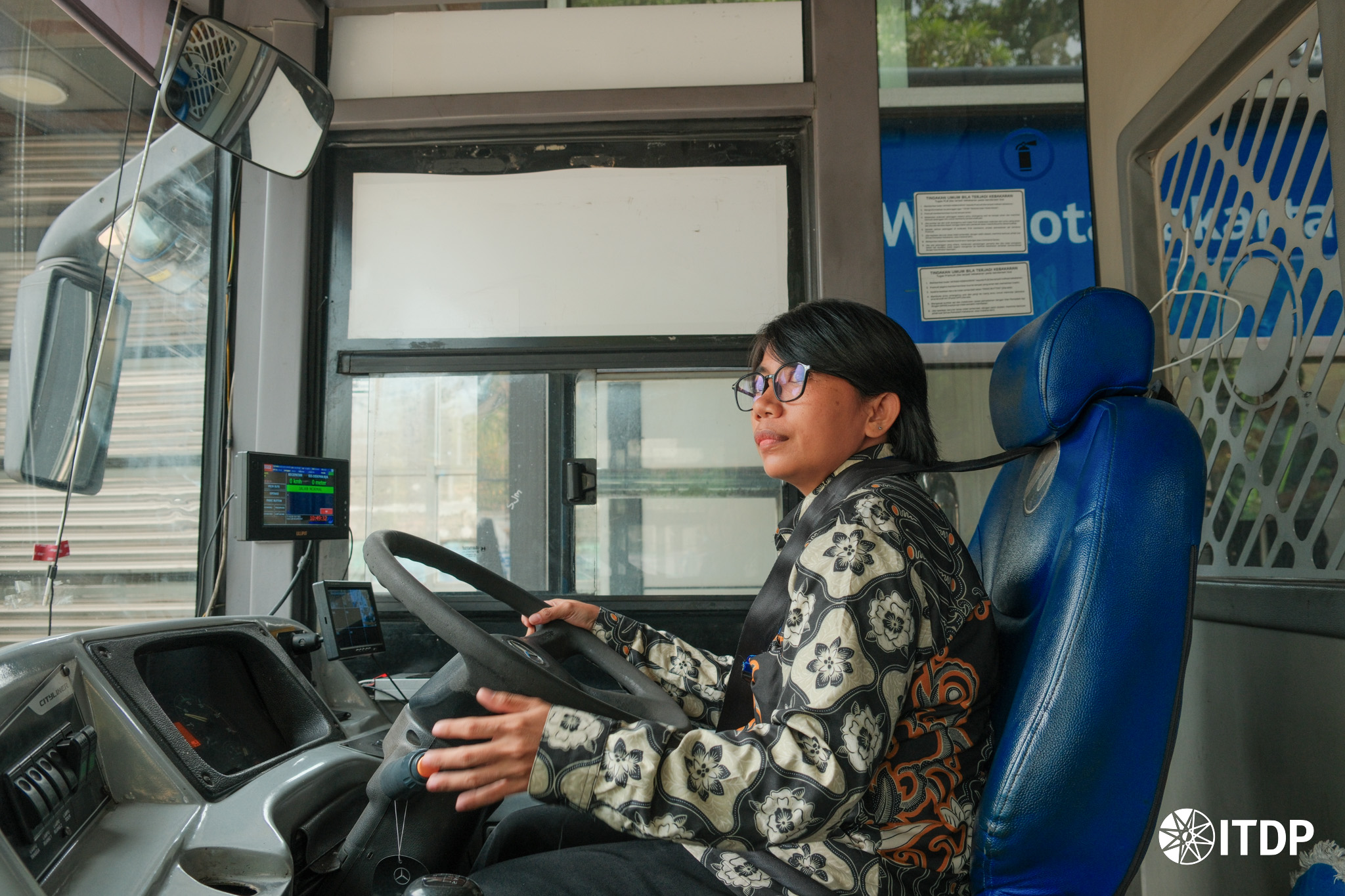
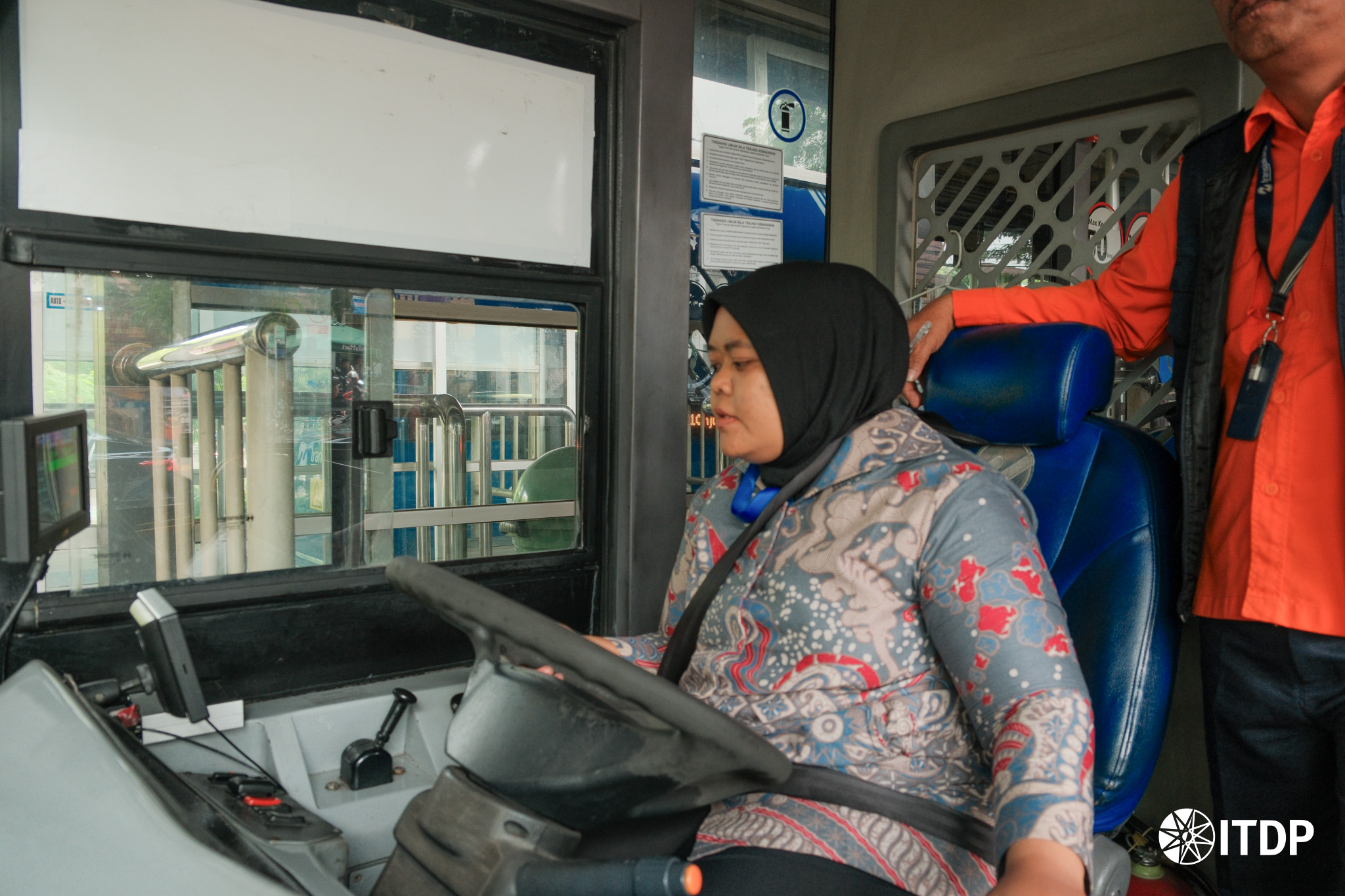
Through this approach, Transjakarta Academy aims not only to increase the number of women drivers and technicians, but also to build women’s confidence and job readiness to contribute to the sustainable transport sector.
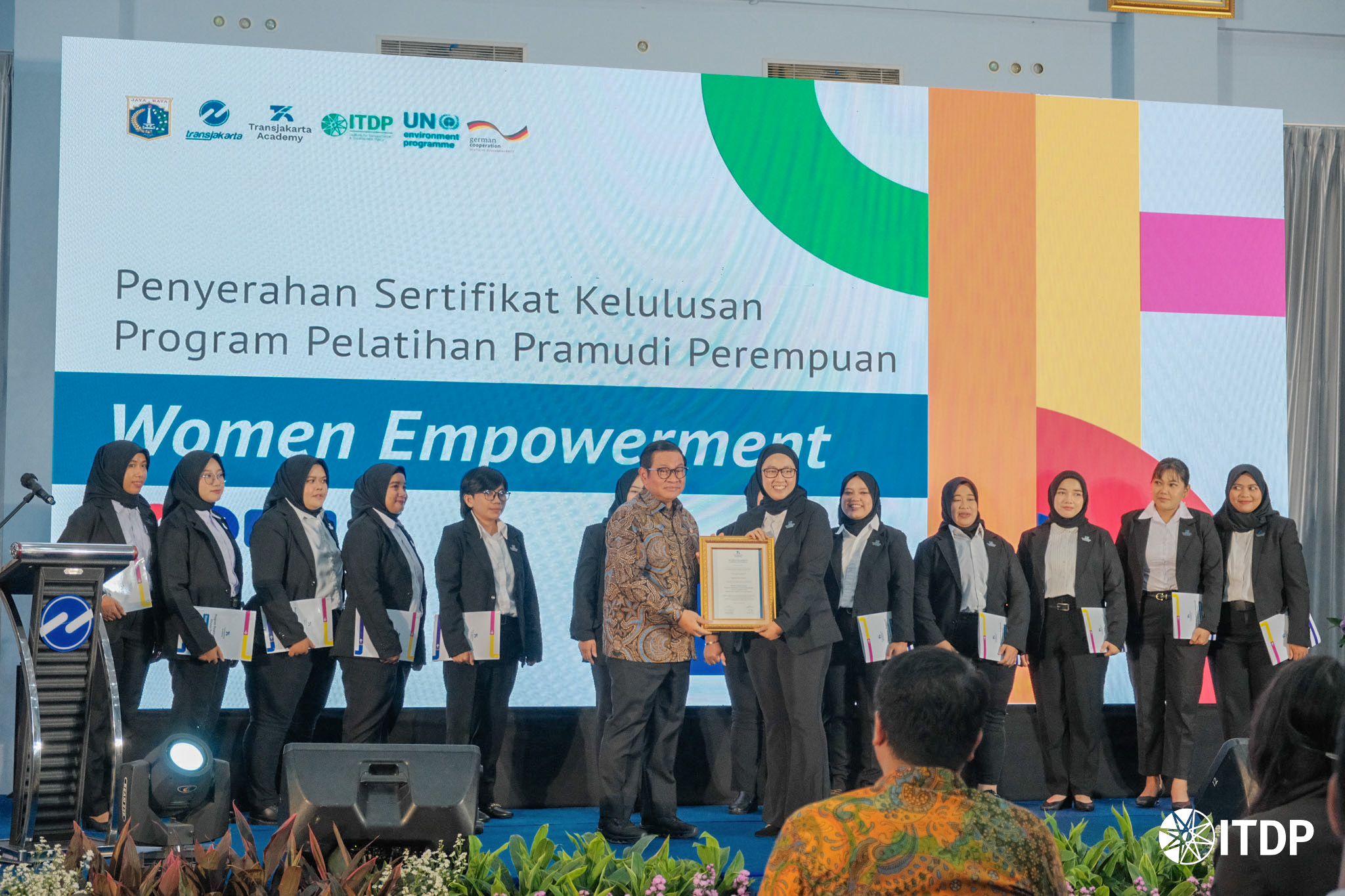
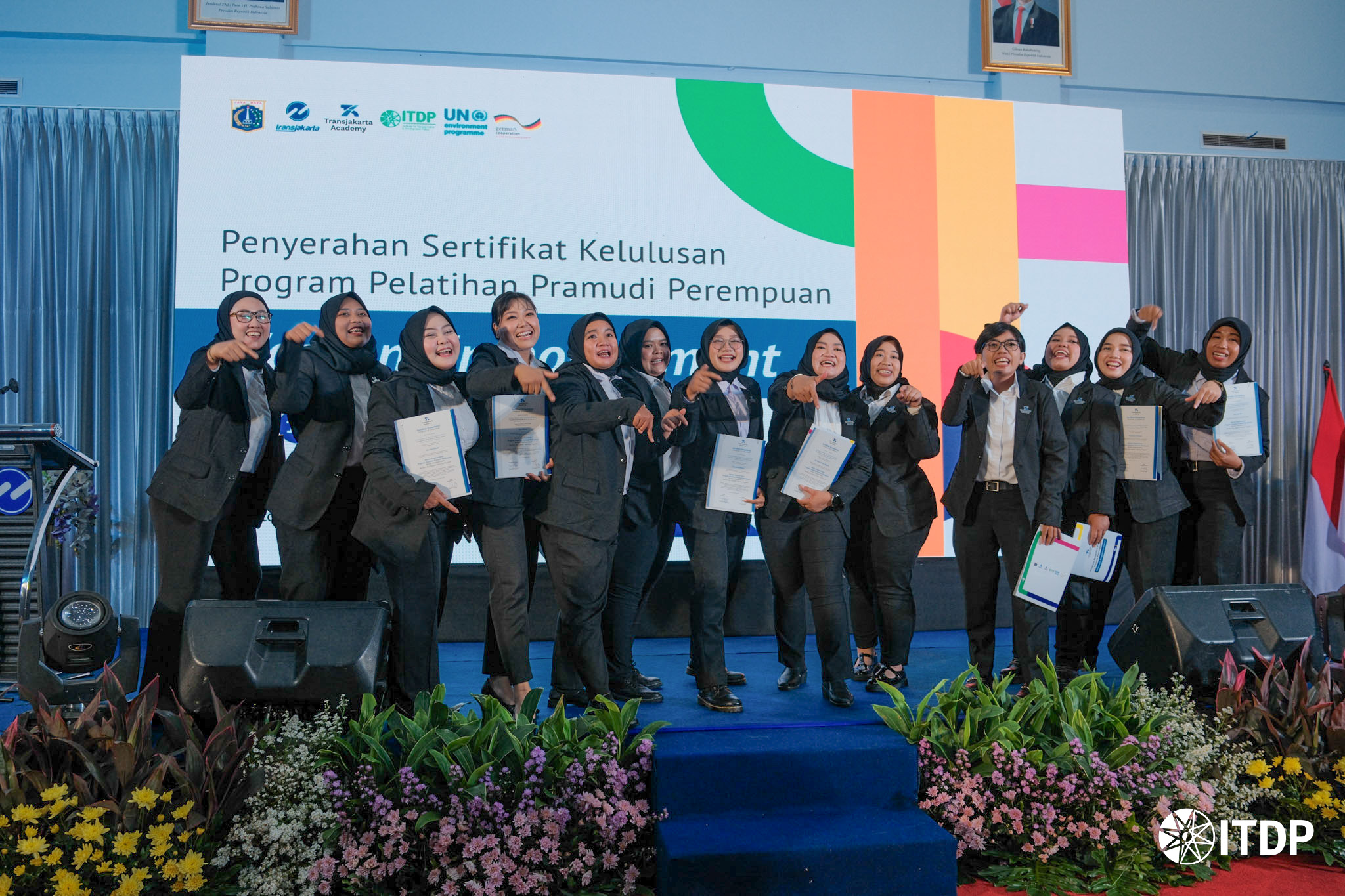
After completing a series of training sessions and assessments, 13 participants successfully graduated and were officially inaugurated as Transjakarta’s women bus drivers. The graduation ceremony was held on 10 November 2025 at the GBK Hall of PT Transjakarta, attended by Jakarta Governor Pramono Anung.
Women’s Participation in Electric Mobility Requires More Than Recruitment
Although the program has successfully expanded access to recruitment, the evaluation of Transjakarta Academy Batch 2 shows that increasing women’s participation cannot rely solely on inclusive recruitment and training. Based on field observations and interviews with women drivers, a number of structural challenges still affect the sustainability of their participation, including work shifts that begin in the early hours of the morning, limited rest time, and insufficient supporting facilities within the operational environment.
While these working conditions are experienced across genders, their impact tends to be greater for women, who often need to balance professional responsibilities with domestic duties such as caring for children and other family members at home, including elderly parents.
Lessons can be drawn from the electric bus operator La Rolita in Bogotá, where efforts to increase women’s participation were accompanied from the outset by the design of a gender-responsive work system. Under the leadership of CEO Carolina Martínez, La Rolita’s recruitment process does not require prior experience in driving large vehicles. Instead, the company opens opportunities for candidates without such experience by providing training support and facilitating the process of upgrading or converting driver’s licenses. A similar approach has been adopted in the Transjakarta Academy program, where participants may apply using a Category A driver’s license and are later supported in upgrading their qualification to Category B during the training program. Through this approach, more prospective workers—including women—have the opportunity to enter and grow within the public transport sector.
Beyond recruitment, what has enabled La Rolita to achieve a workforce in which 60% of drivers are women and to place women in leadership positions is the recognition that, within current social structures, women often carry roles and responsibilities that differ from those of men. Meanwhile, conventional driver work schemes—with long shifts and early morning hours—have implicitly been easier for men to fulfill. This recognition is reflected in the workplace environment and employment system provided for women employees at La Rolita. Drivers work eight-hour shifts per day and have access to facilities such as lactation rooms, comfortable rest areas4, and childcare services during working hours. In addition, as part of its commitment to closing the gender wage gap, La Rolita pays its drivers above the regional minimum wage, along with social security coverage and pension benefits.
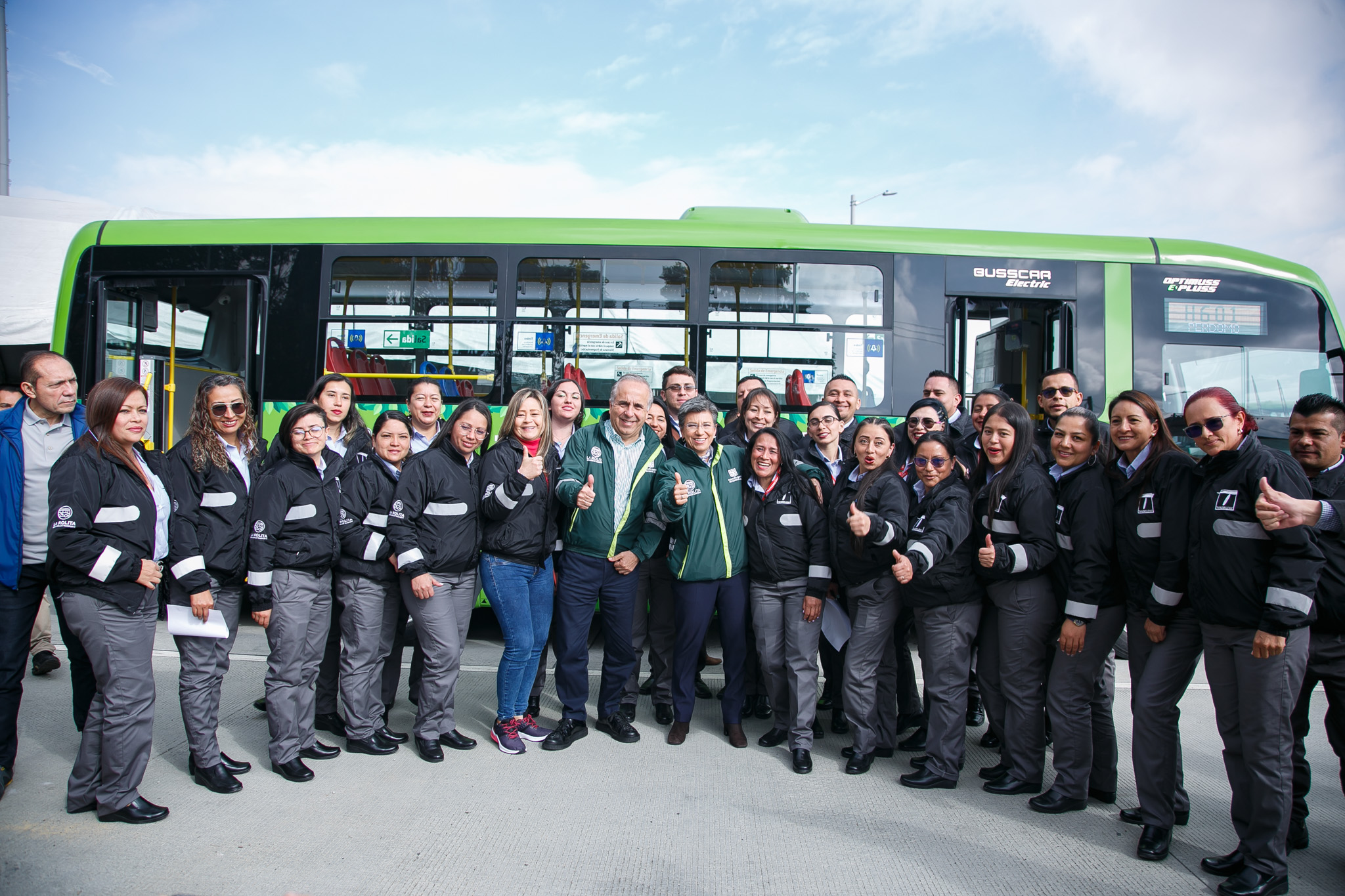
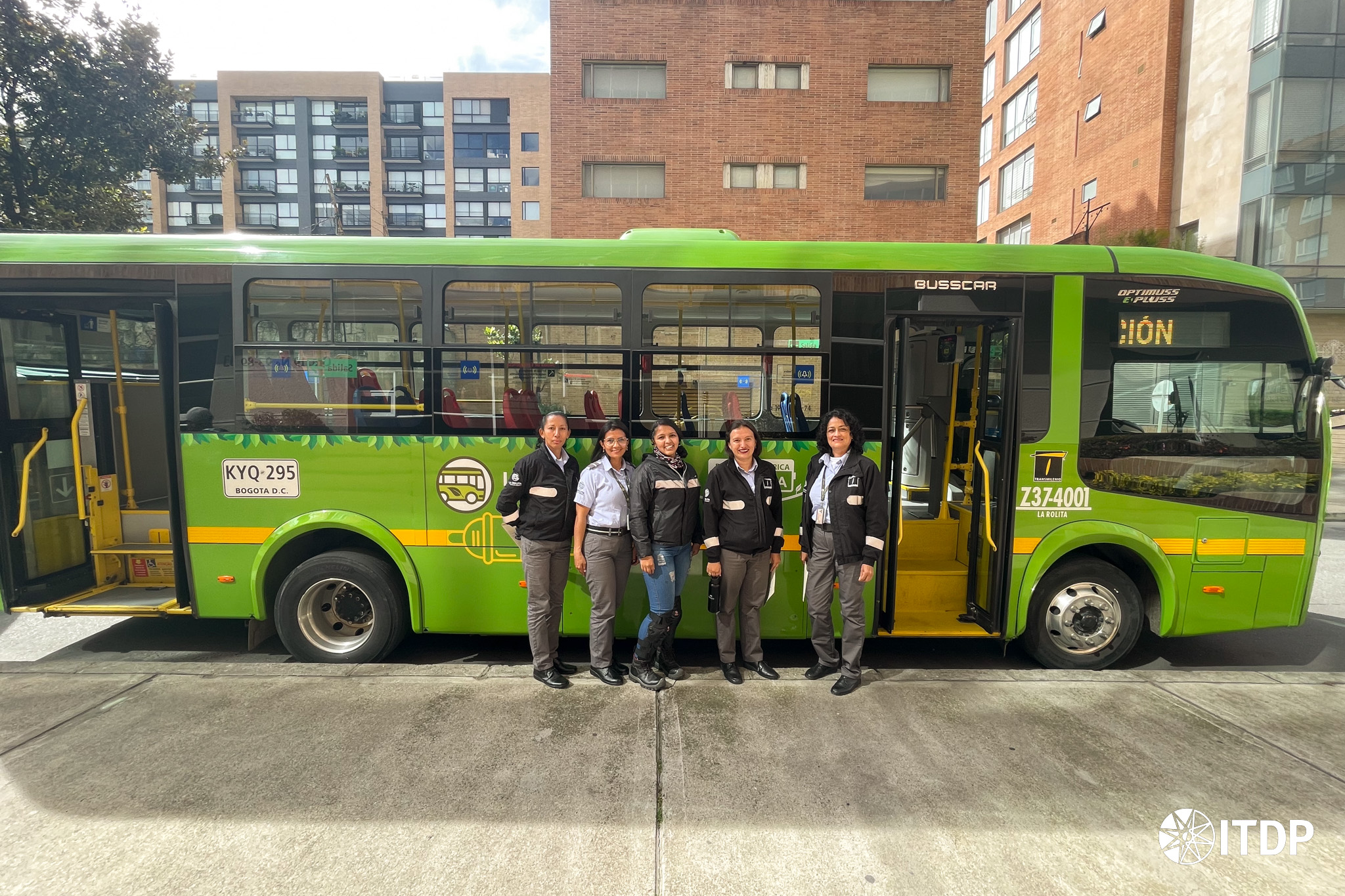
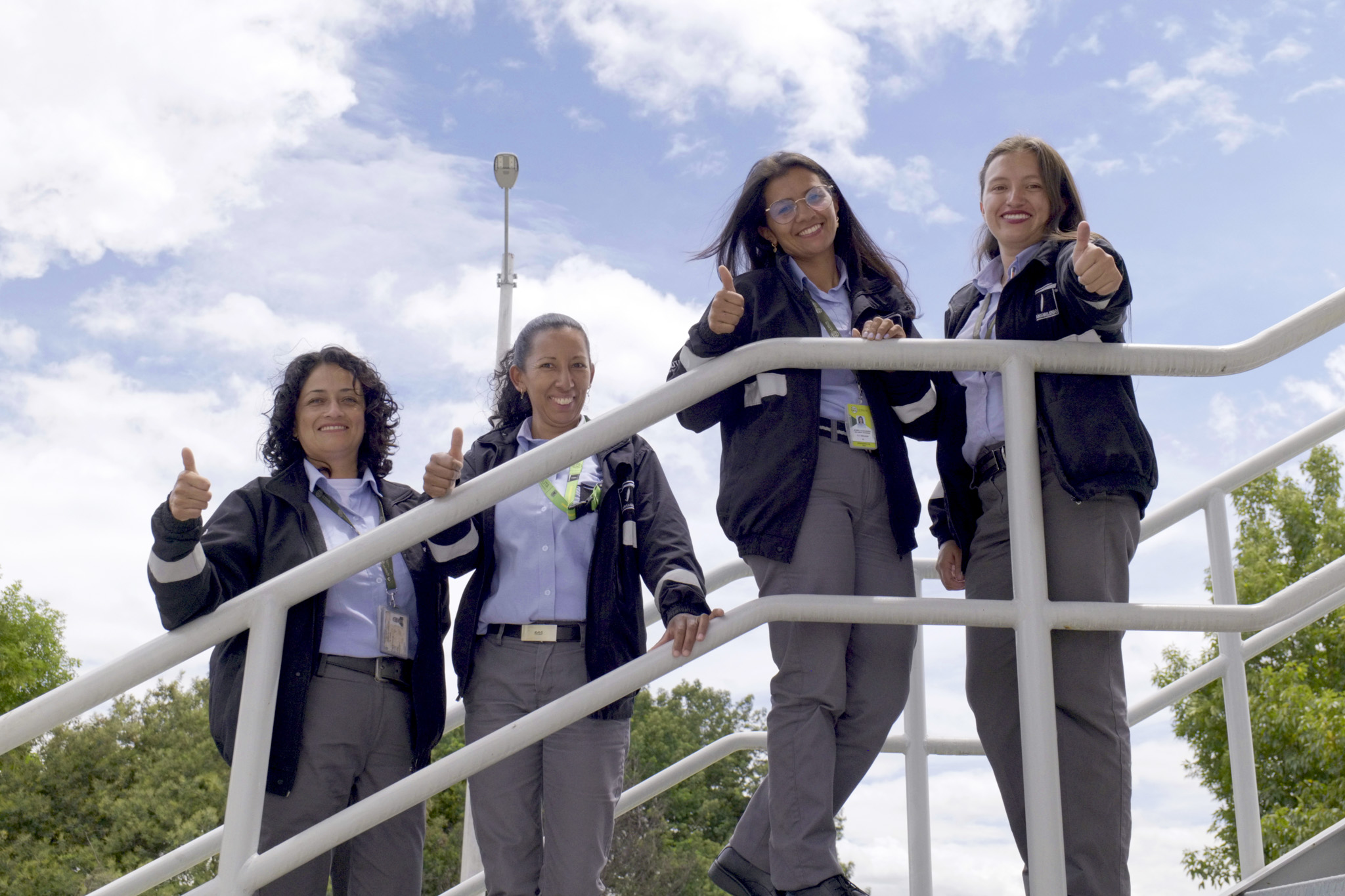
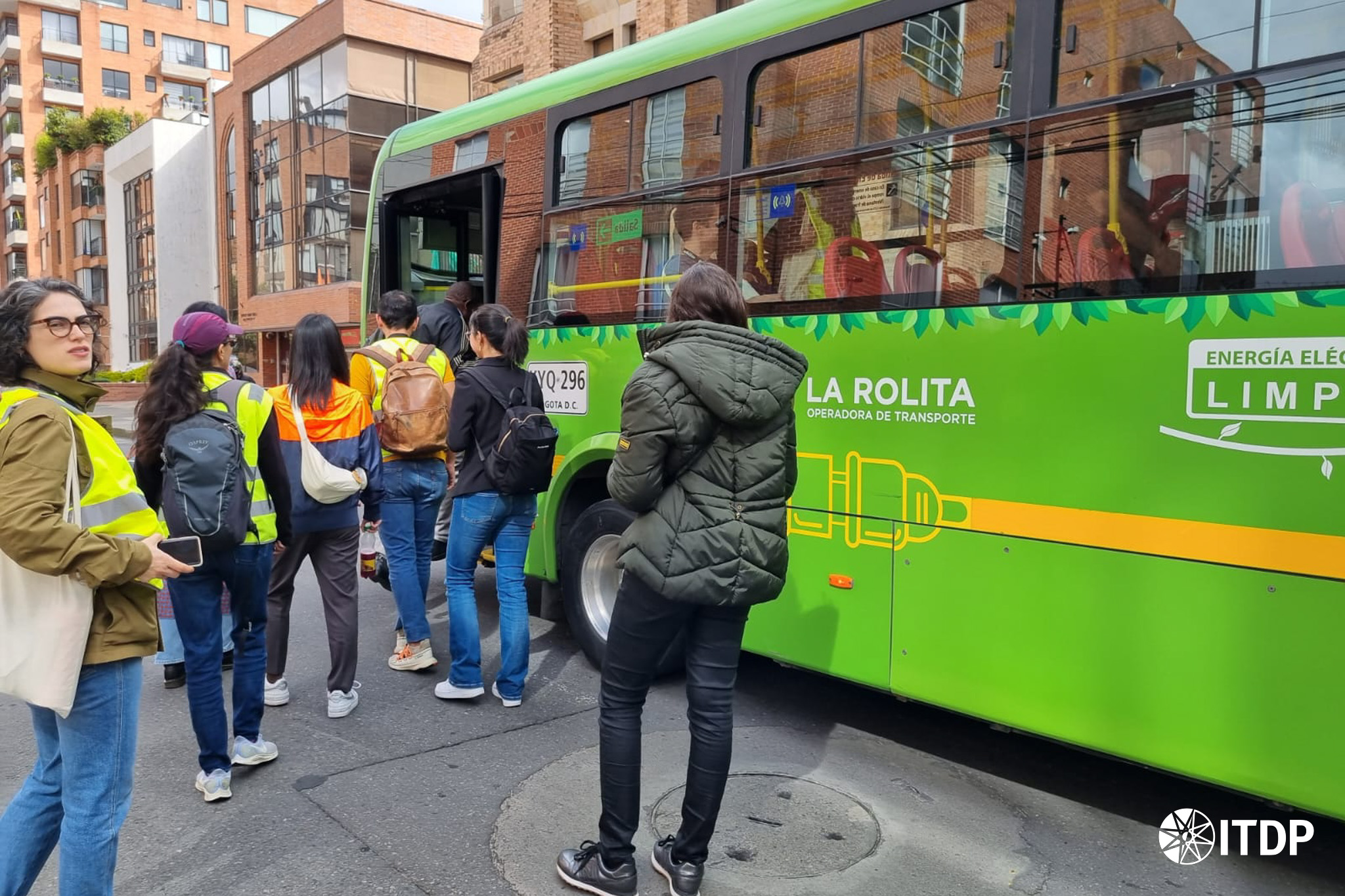
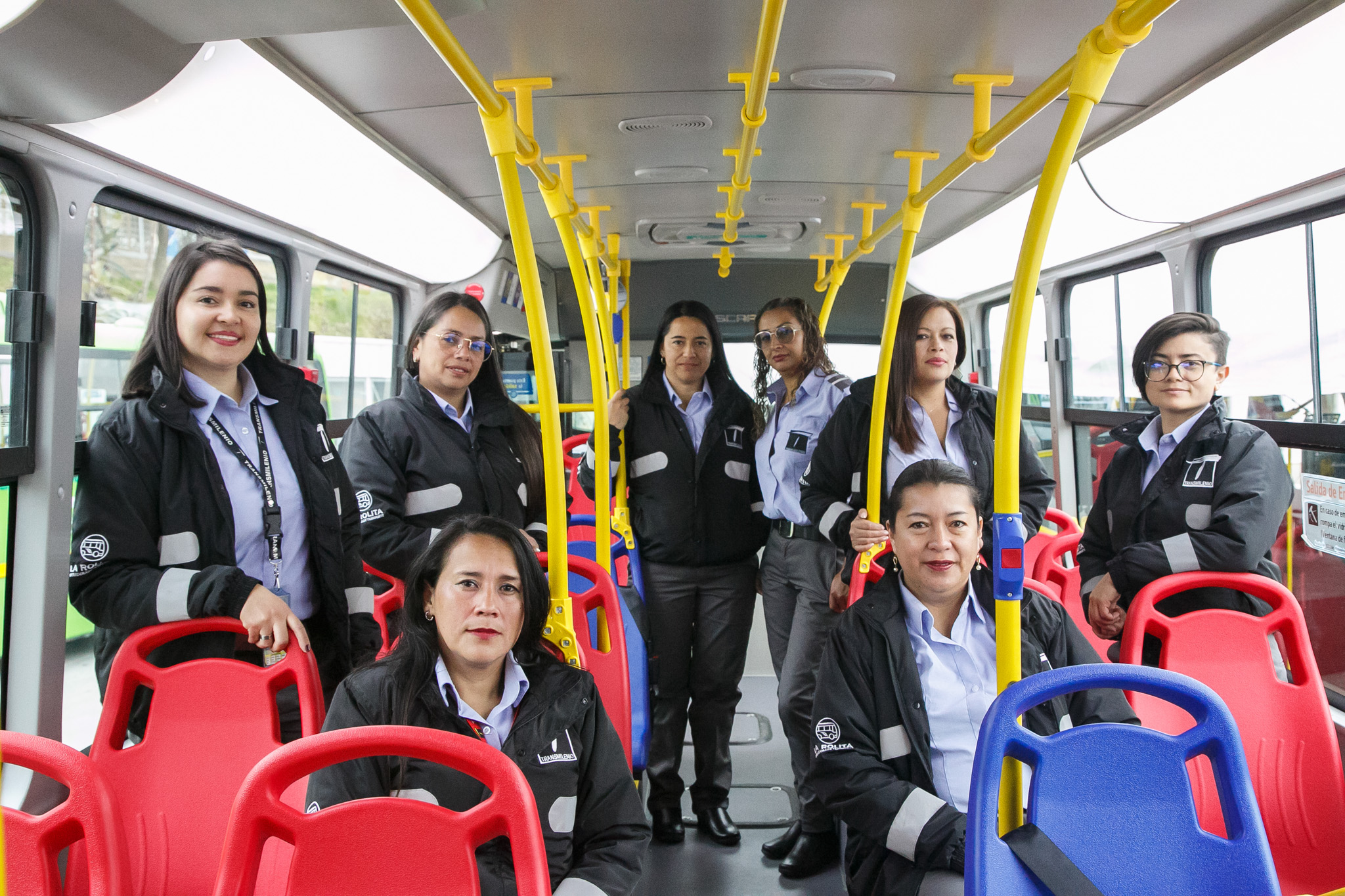
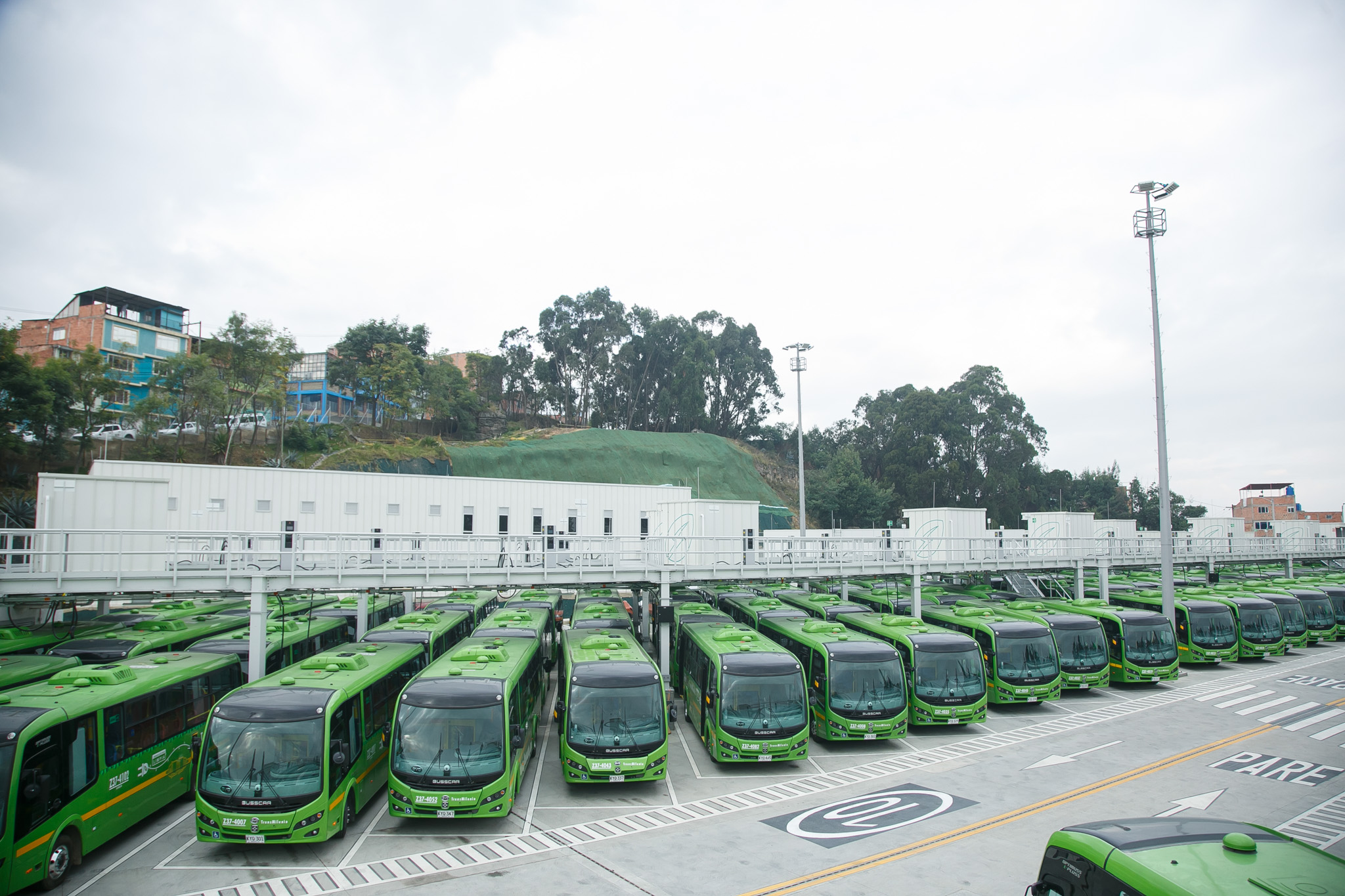
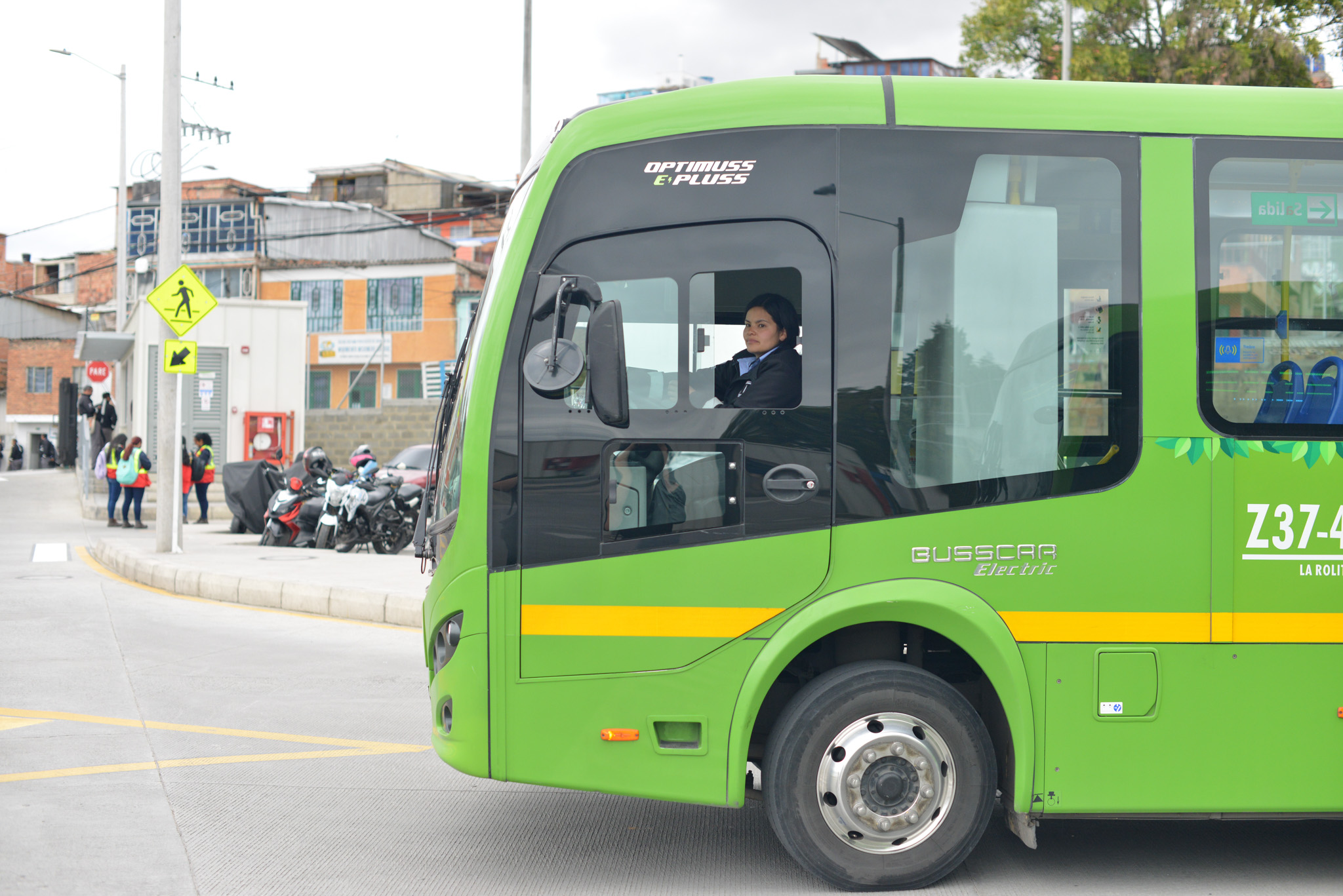
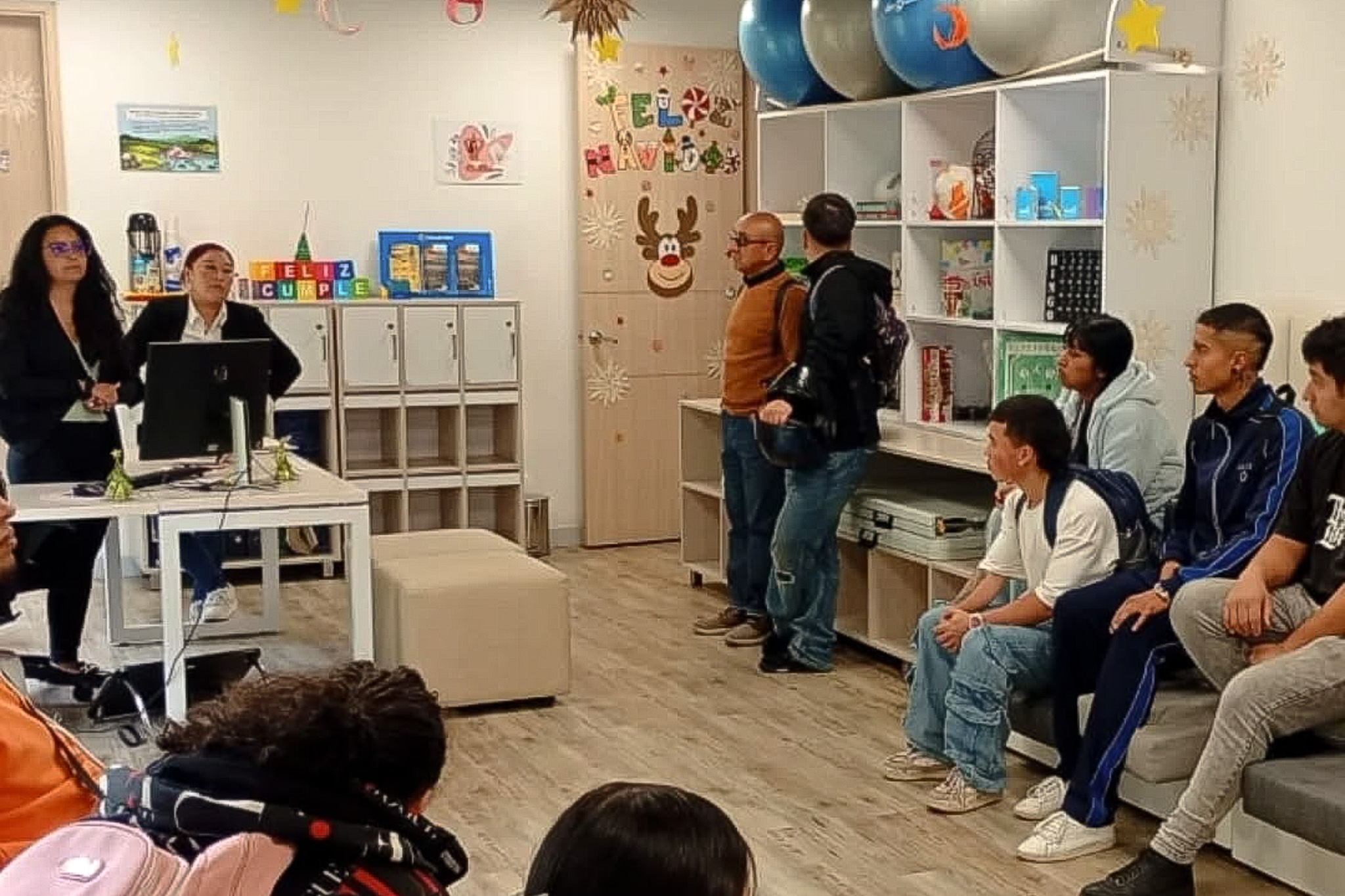
International media reports indicate that La Rolita has recorded a lower rate of accident-related injuries compared to other bus operators in the city, while also improving the sense of safety among women passengers.5
An Inclusive Work Environment for Safer Transport
The recruitment of women bus drivers through the Transjakarta Academy, together with the experience of La Rolita in Bogotá, shows that increasing women’s participation in the transport sector requires strategies that actively target women. One approach is to open opportunities for women who do not yet have experience driving buses by providing training and support for upgrading their driver’s licenses. These efforts also need to be accompanied by stronger awareness and understanding of gender equality within the workplace.
However, recruitment alone is not enough. Women who have entered the sector also need a supportive working environment, including equal pay policies, access to childcare facilities, and work arrangements that take caregiving responsibilities into account. Initiatives such as the Transjakarta Academy represent an important first step in expanding opportunities for women in the sustainable transport sector.
Ultimately, more inclusive working conditions not only create opportunities for women but also raise overall labor standards and improve safety across the public transport system.
References:
- (2023, Maret 17). KemenPPPA Dukung Gerakan Stand Up Lawan Pelecehan Seksual di Transportasi Umum. https://www.kemenpppa.go.id/index.php/siaran-pers/kemenpppa-dukung-gerakan-stand-up-lawan-pelecehan-seksual-di-transportasi-umum
- Open Inclusion. (2024, February). Enhancing transport safety for disabled women. https://assets.publishing.service.gov.uk/media/66e04fe24dd910b7e335ce00/enhancing-transport-safety-disabled-women.pdf
- Orozco, J. (2023, May 8). Colombia’s Women-Led Electric Bus Fleet Is Reshaping Bogotá’s Public Transit. https://www.bloomberg.com/news/features/2023-05-08/la-rolita-electric-bus-company-prioritizes-gender-equity
- Yeung, P. (2024, March 29). The Women Bus Drivers Overcoming Stereotypes in Bogotá.https://reasonstobecheerful.world/women-bus-drivers-overcoming-stereotypes-in-bogota
- Rachmita, F. (2023, August 4). Women’s empowerment in public transportation: Lessons learned from Bogotá’s La Rolita. https://www.thejakartapost.com/culture/2023/08/03/womens-empowerment-in-public-transportation-lessons-learned-from-bogots-la-rolita.html