
March 31, 2026
ITDP Indonesia Connects with Emerging Urban Leaders at Bijak Academy
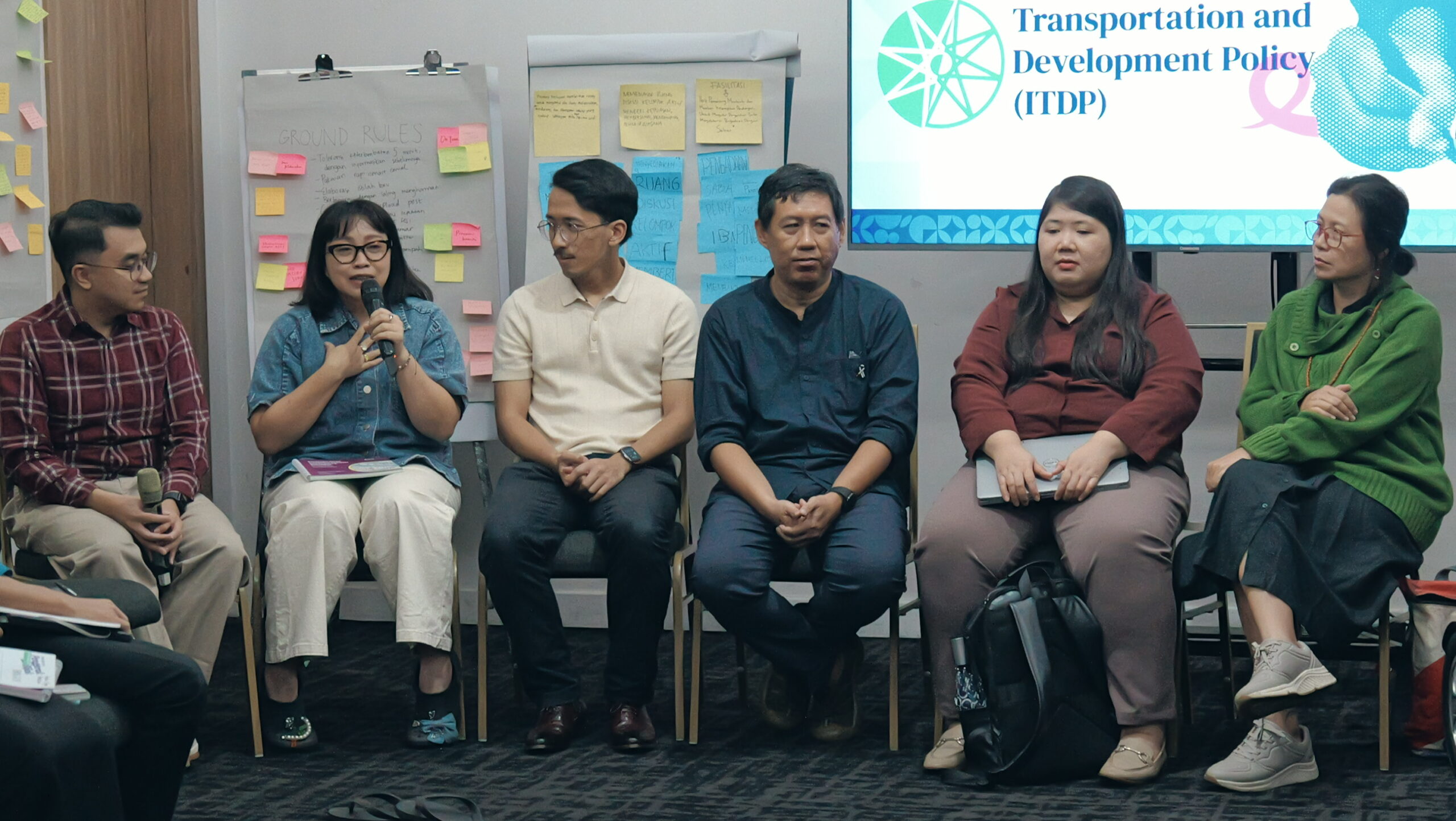
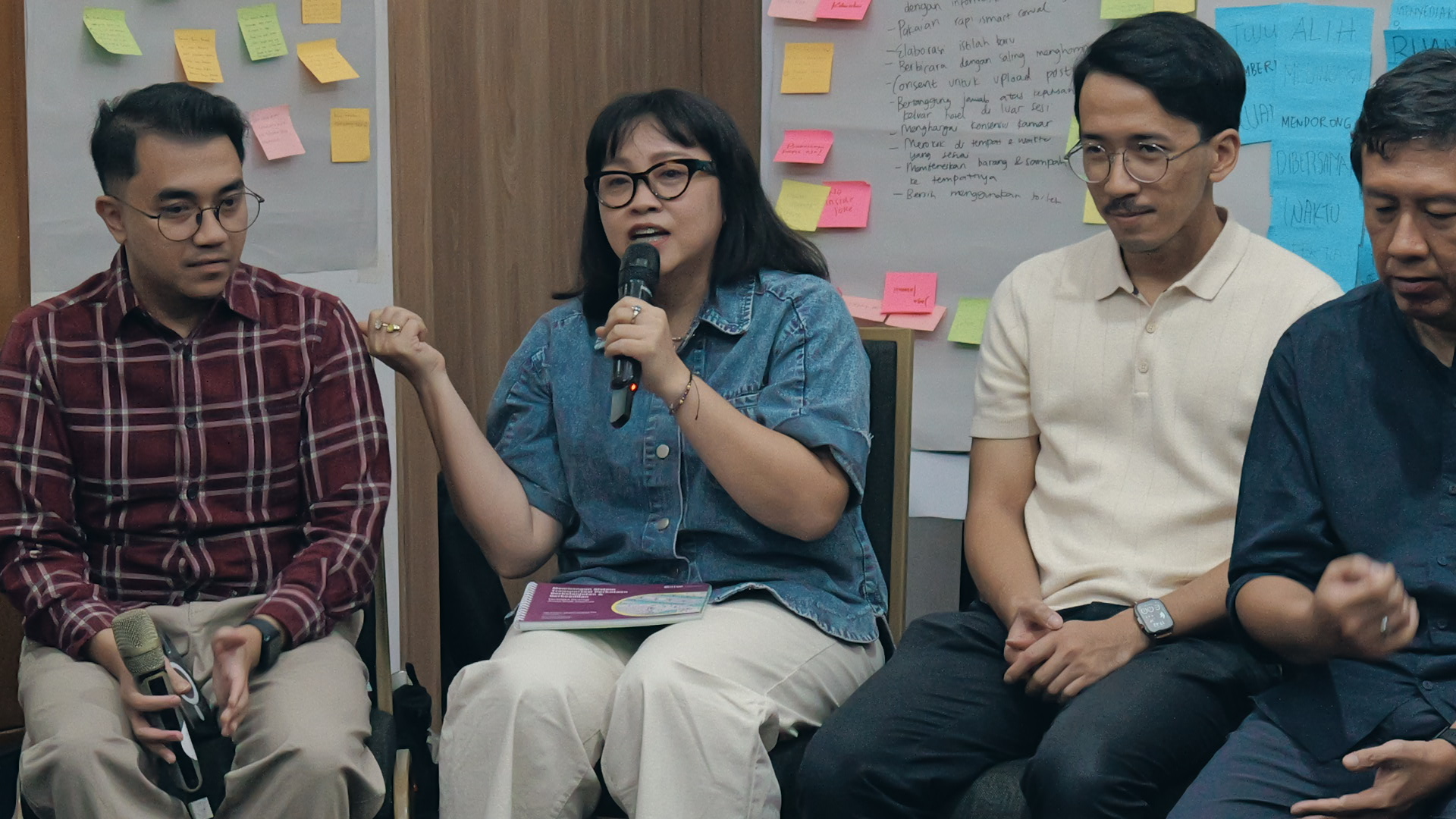
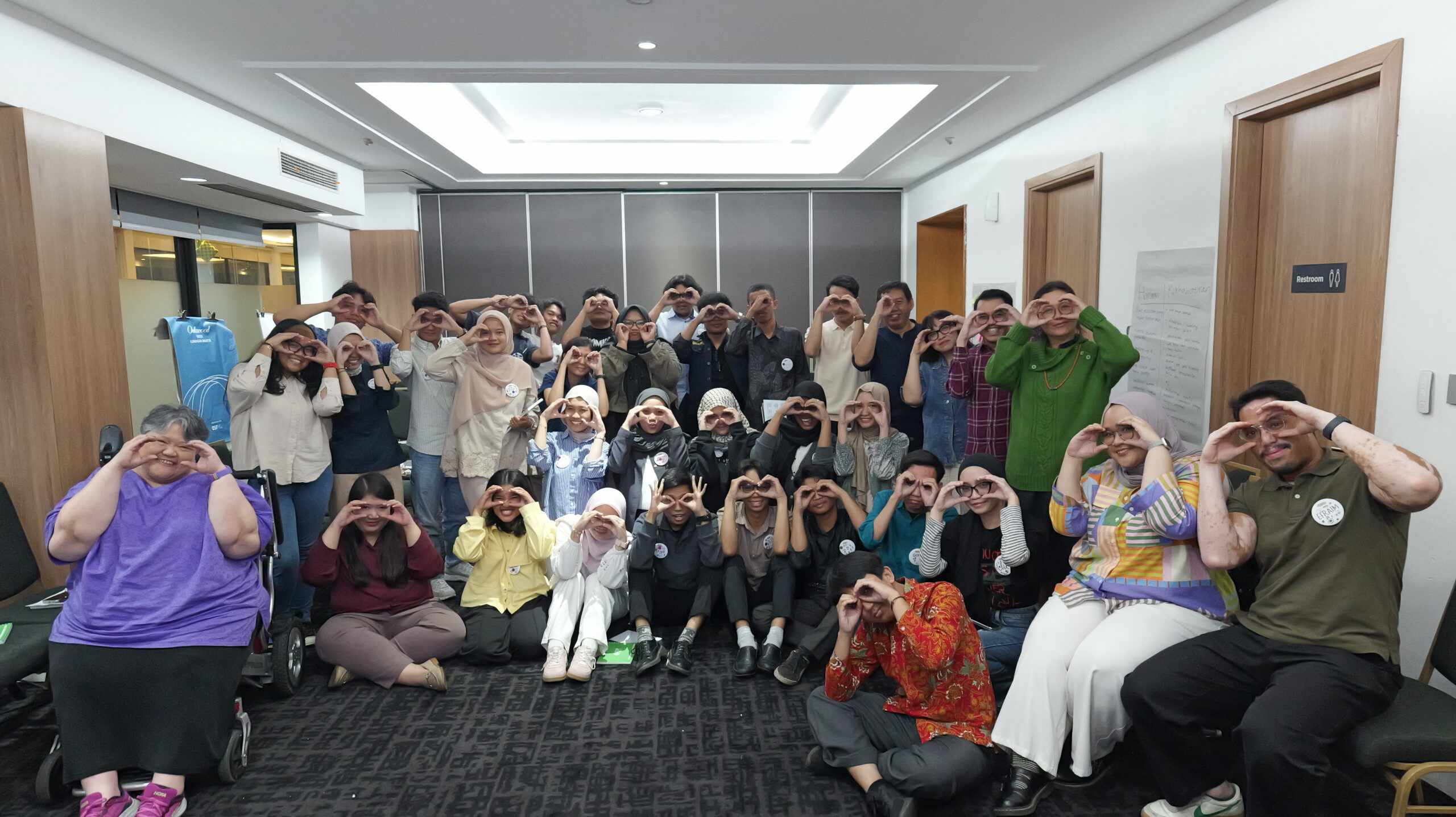
ITDP Indonesia joins in a networking session hosted by Bijak Memantau titled “Exchange Stories with the Change-Makers” on March 7, at Oakwood Suites, Jakarta. As part of the Bijak Academy-Changemakers Incubator program, the event invited several civil society organizations and 20 active students from a total of ten cities across Indonesia. Aimed to build connections, the networking session encourages participants and the ecosystem of social movements, NGOs, think tanks, and local communities, such as CISDI, Greenpeace, KontraS, and others, to share experiences and expand collaborative networks.
Encouraged to build shared understanding of changemakers and the advancing next generation, the program was structured into two interactive segments designed to foster dialogue between participants and CSOs. Following an opening context-setting session, participants engaged in a “stories exchange” activity in a human bingo format, allowing them to rotate among CSOs to learn about each organization’s work and explore opportunities for future collaboration.
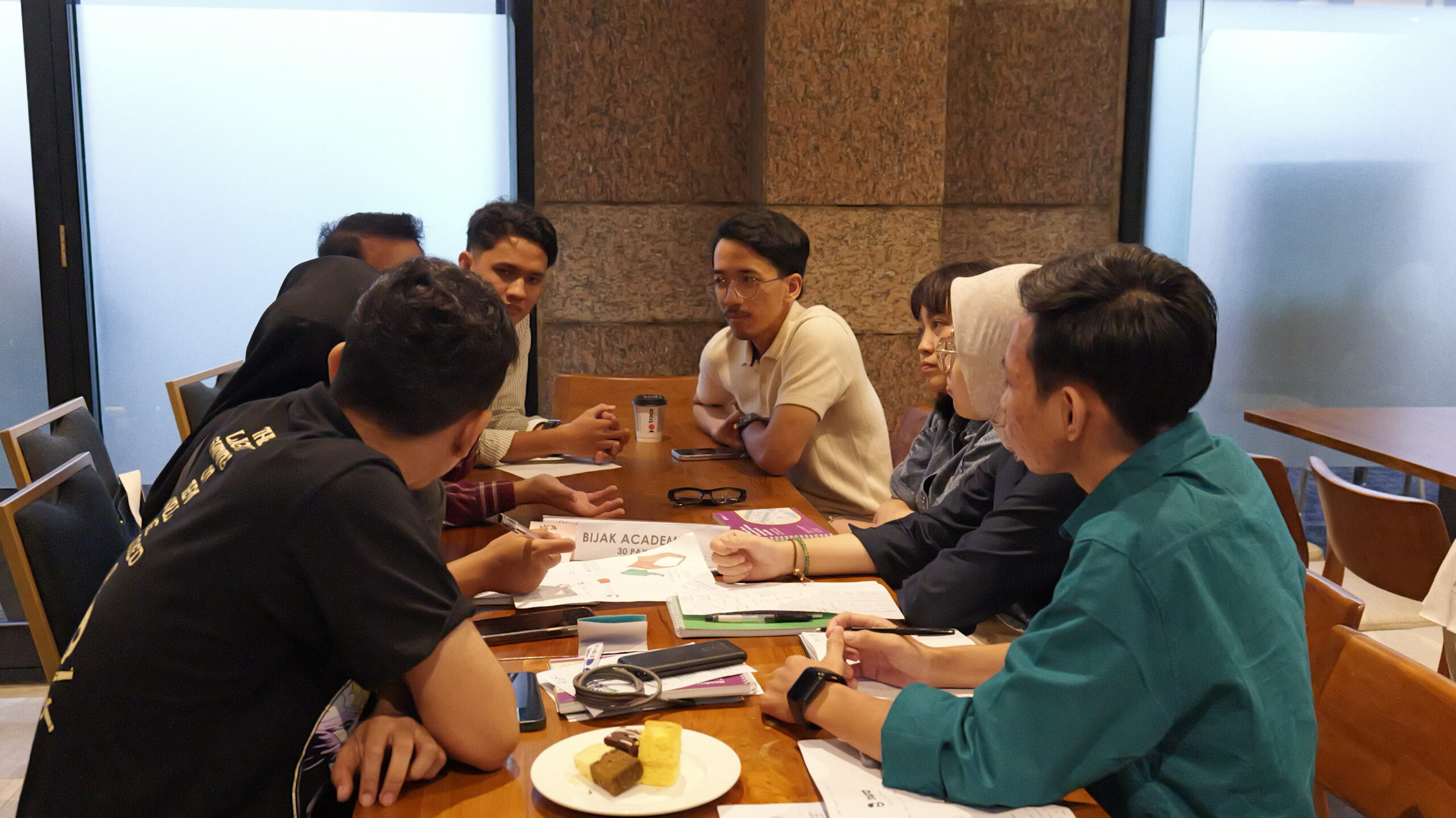
To deepen the exchange, participants were then divided into small groups of six to seven people based on previously conducted personality assessments to match them with relevant CSOs. Conducted in a speed-dating format, the discussion explored three key themes: institutional systems, public well-being, and sustainability in urban development. ITDP Indonesia, represented by Fani Rachmita, Senior Communications and Partnership Manager; Carlos Nemesis, Senior Urban Planning Associate; and Rahmad Wandi Putra, Senior Transport Associate, focused on the key theme of sustainability architecture and development.
In the sustainability discussion, the team introduced the A-S-I (Avoid–Shift–Improve) framework as a guiding principle for sustainable urban mobility. The framework highlights strategies to reduce congestion and air pollution by minimizing unnecessary travel through integrated public transport systems and Transit-Oriented Development (TOD); encouraging a shift to sustainable transport modes through policy incentives, andimproving the quality and efficiency of existing transport systems. These strategies support emissions reduction while promoting cost efficiency and long-term urban sustainability. The booklet containing these sustainable principles along with its elaboration is then distributed among participants for them to take home.