
July 29, 2026
ITDP Indonesia and Buibu Baca Buku Book Club Empower Children to Envision Child-Friendly Cities Through Art
A 24-hour bakery. A real-time bus arrival display at an electric bus stop. A train station seamlessly connected to a building. Tactile paving that enables people with visual impairments to navigate independently. Dedicated lanes for cyclists and roller skaters that encourage more people to choose active mobility. These were just some of the ideas that children brought to life in their vision of a “Magic City” during the drawing session at the “Adventuring to Bring a Magic City to Life!” event.
Held on July 19, 2026, the event was organized through a collaboration between ITDP Indonesia and Buibu Baca Buku Book Club (BBB), with support from Clean Mobility Collective Southeast Asia (CMC SEA). Hosted at Taman Bendera Pusaka in South Jakarta, the event created a space to explore what it takes to build cities that are safe, inclusive, and child-friendly through the perspectives and imagination of children.
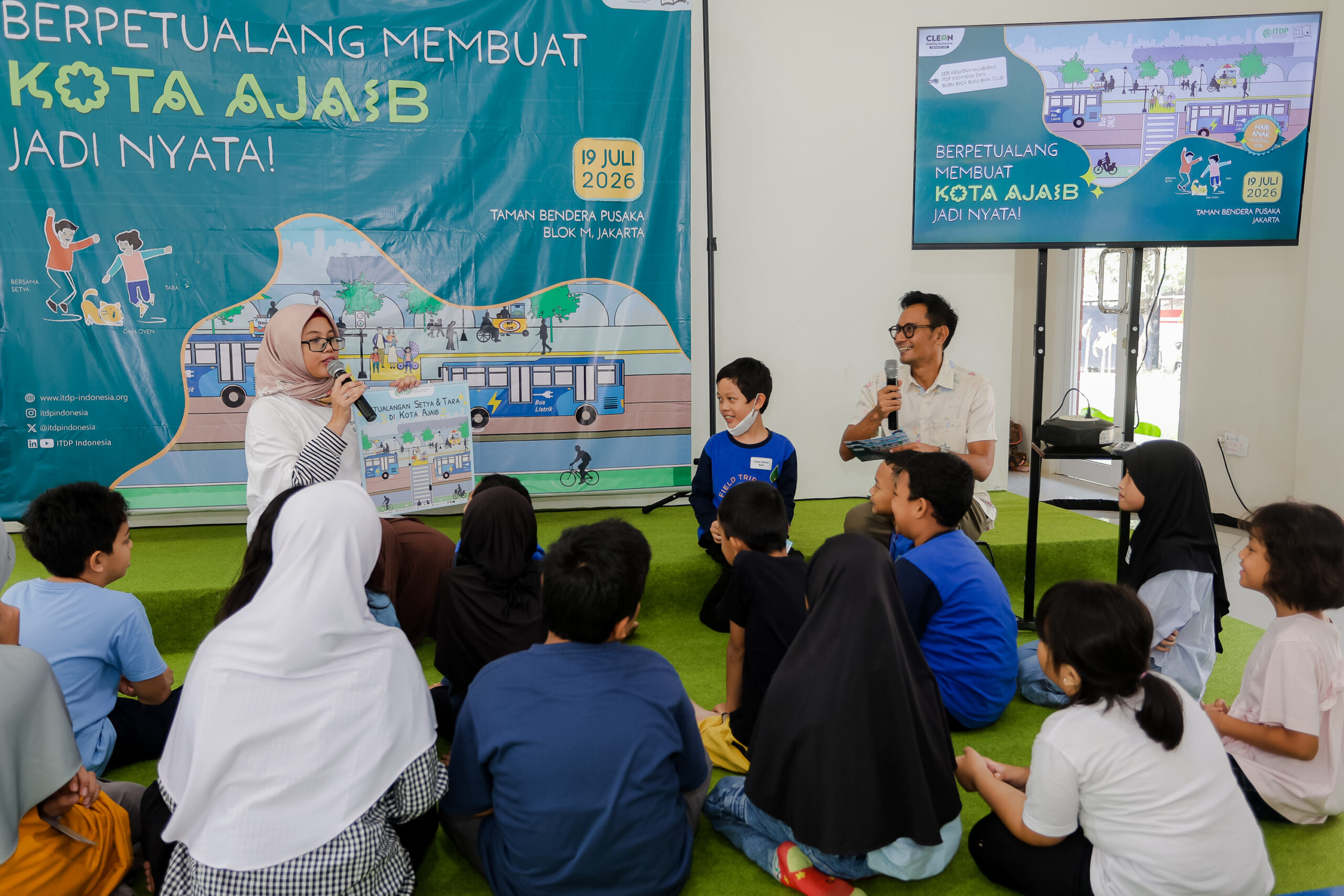
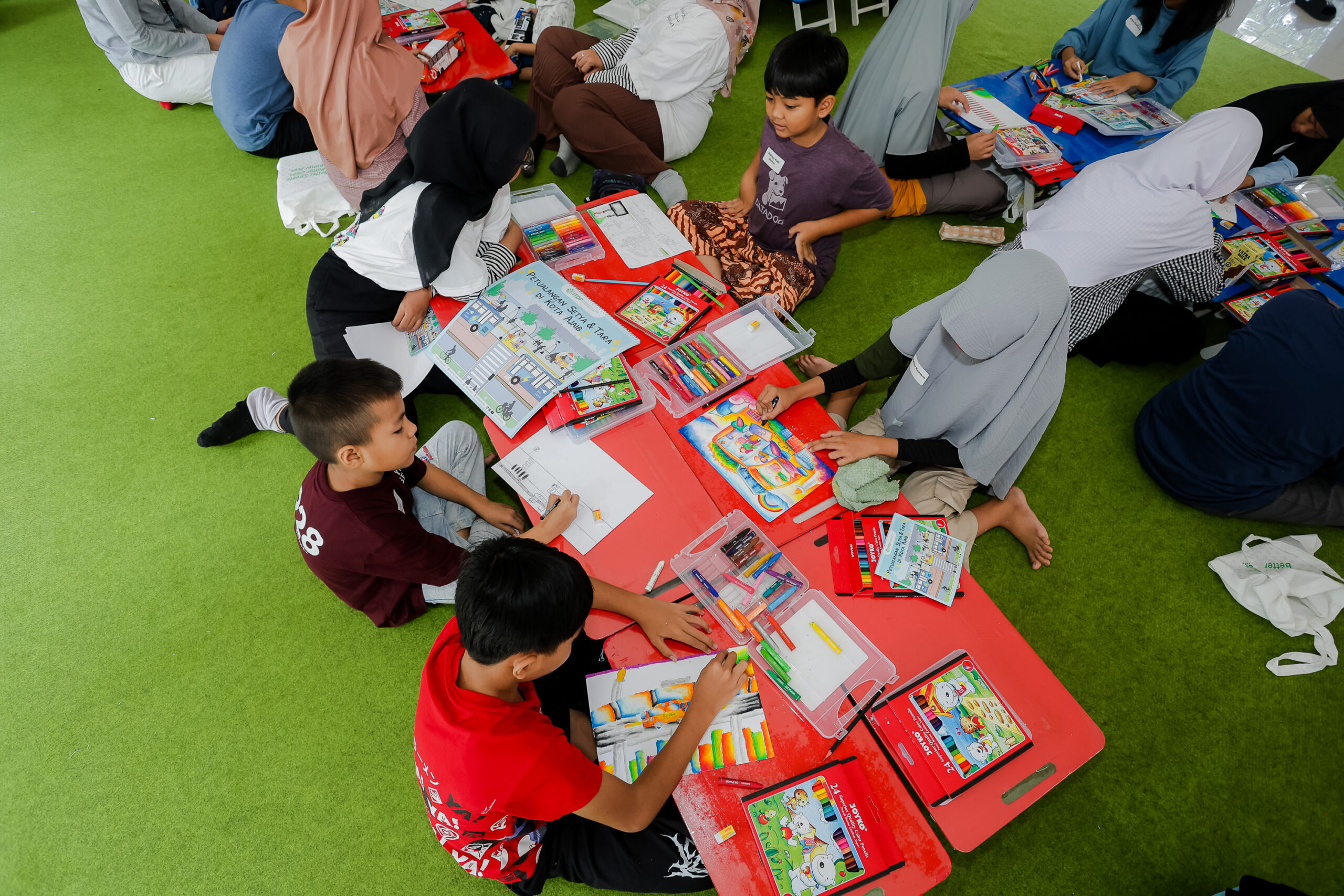
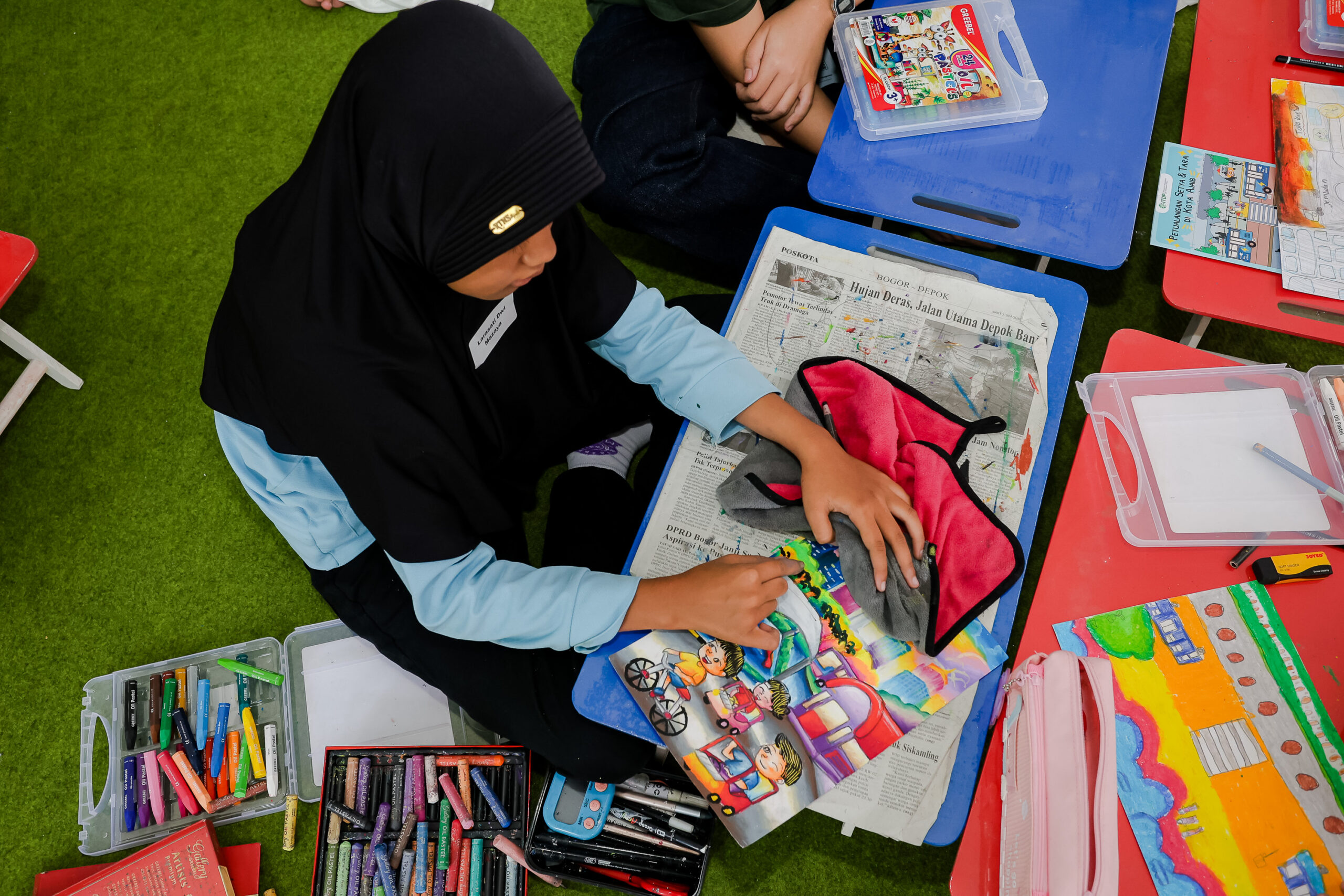
The morning session began with a children’s drawing activity centered on their vision of ideal transportation. Before picking up their crayons, the participants gathered for a storytelling session featuring The Adventures of Setya and Tara in the Magic City, read aloud by Buibu Baca Buku Book Club (BBB). The story introduced the concept of a “Magic City” and inspired the children to imagine what a better city could look like.
The session demonstrated that every child has a unique vision of their ideal city. Some imagined flying electric buses, solar-powered buses, and factories that emitted eco-friendly smoke, while others envisioned different innovations. Despite their varied ideas, a common thread emerged: a desire for cities and public transportation systems that are accessible, inclusive, and welcoming for children, caregivers, and people with disabilities.
These aspirations became the foundation of the afternoon discussion, “Creating Child-Friendly Transportation.” Moderated by Widyarini Weningtyas, Lecturer in Civil Engineering at Bandung Institute of Technology (ITB) and initiator of NaviStation, the panel featured Yustinus Prastowo, Deputy Coordinator of the Special Staff to the Governor of Jakarta; Deliani Siregar, Deputy Director of ITDP Indonesia; and Puty Puar, Founder and Executive Director of Buibu Baca Buku Book Club (BBB). The discussion explored how cities can better reflect children’s needs and perspectives in the planning and delivery of urban mobility.
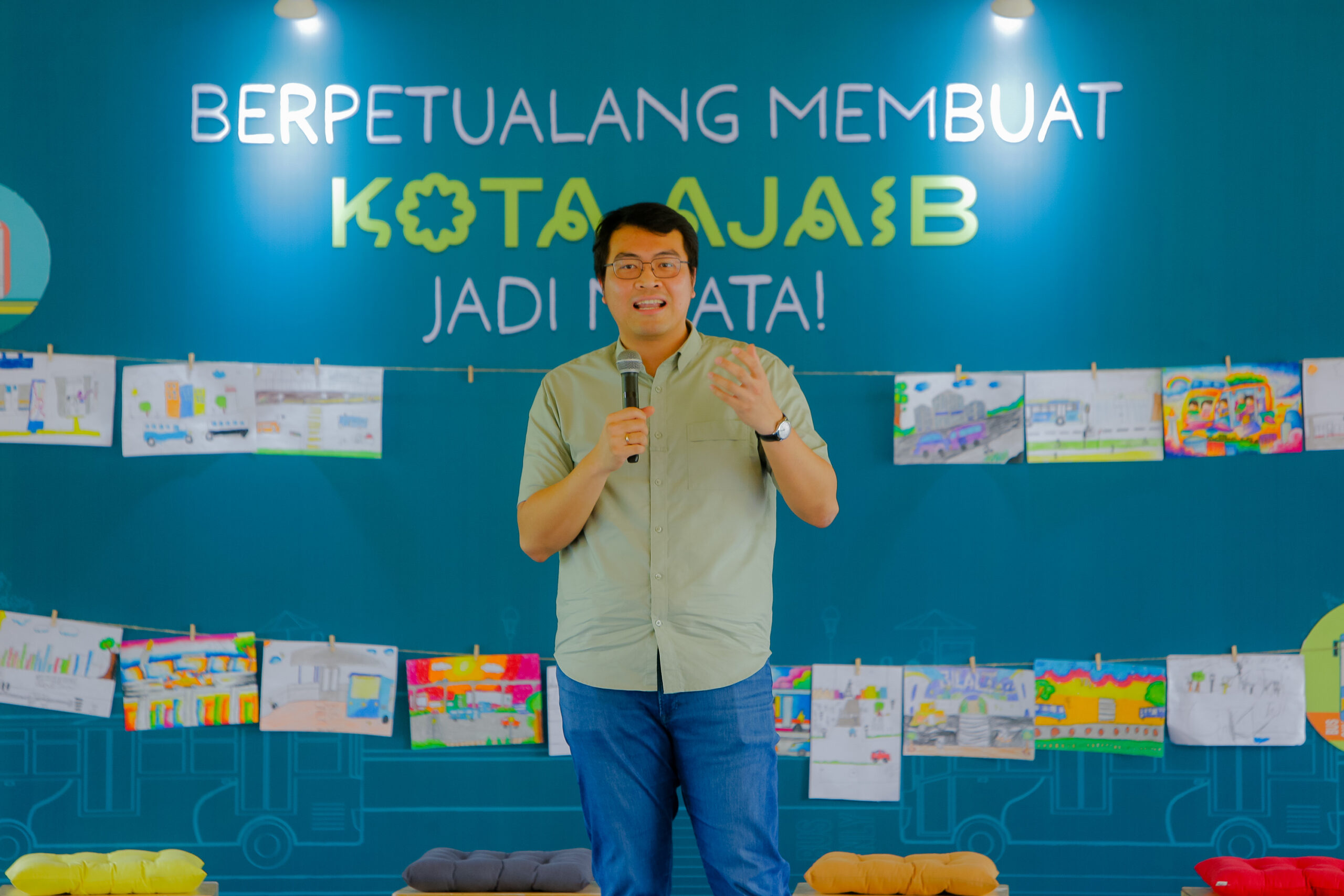
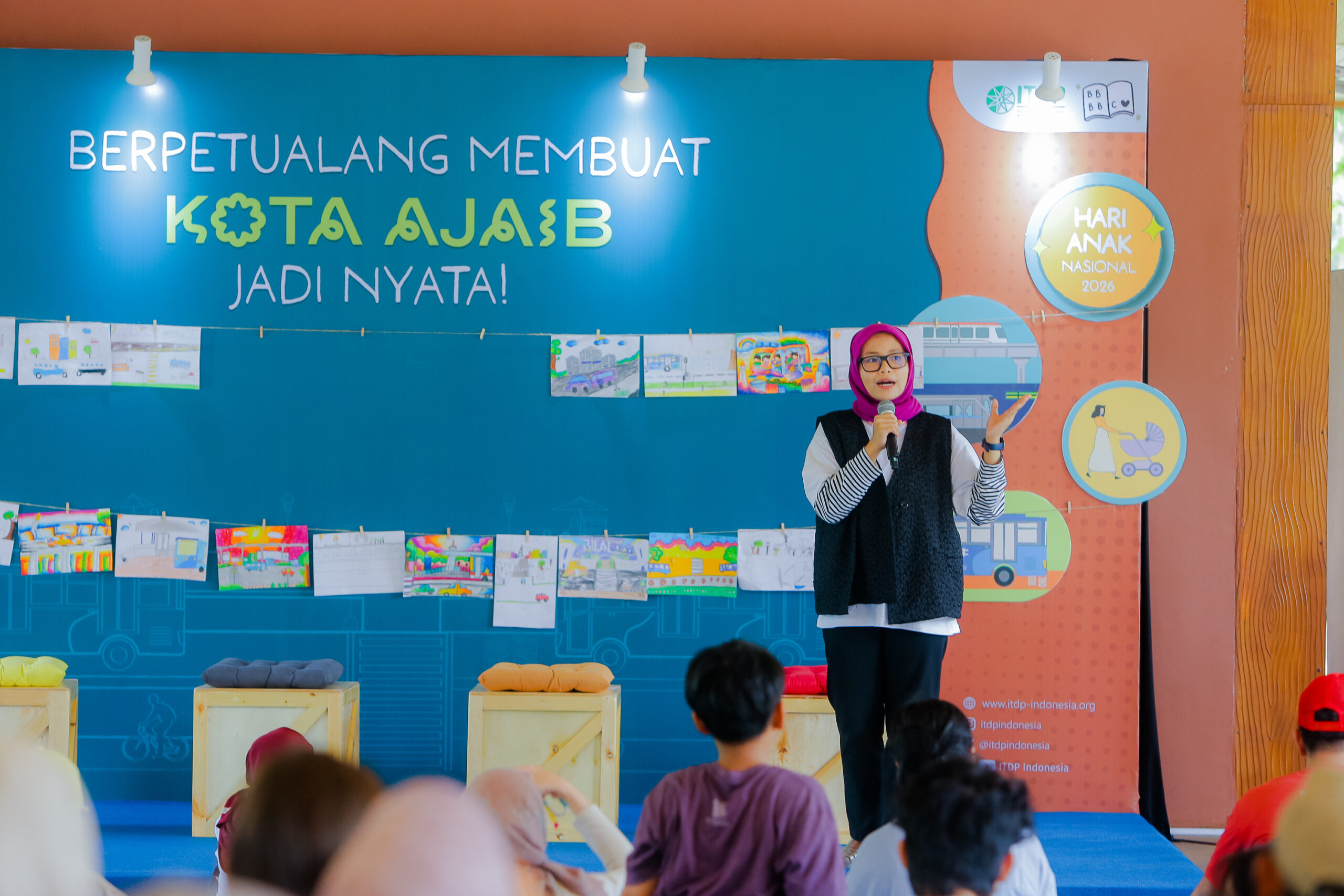
The afternoon session opened with welcome remarks from Gonggomtua Sitanggang, Southeast Asia Director of ITDP, and Puty Puar. Both speakers emphasized that the discussion would focus on the mobility needs of children and mothers, whose travel patterns and daily experiences often differ from those of other users. They highlighted the importance of designing transport systems that respond to these needs, from providing clear and accessible public information to ensuring smooth, stroller-friendly pedestrian infrastructure.
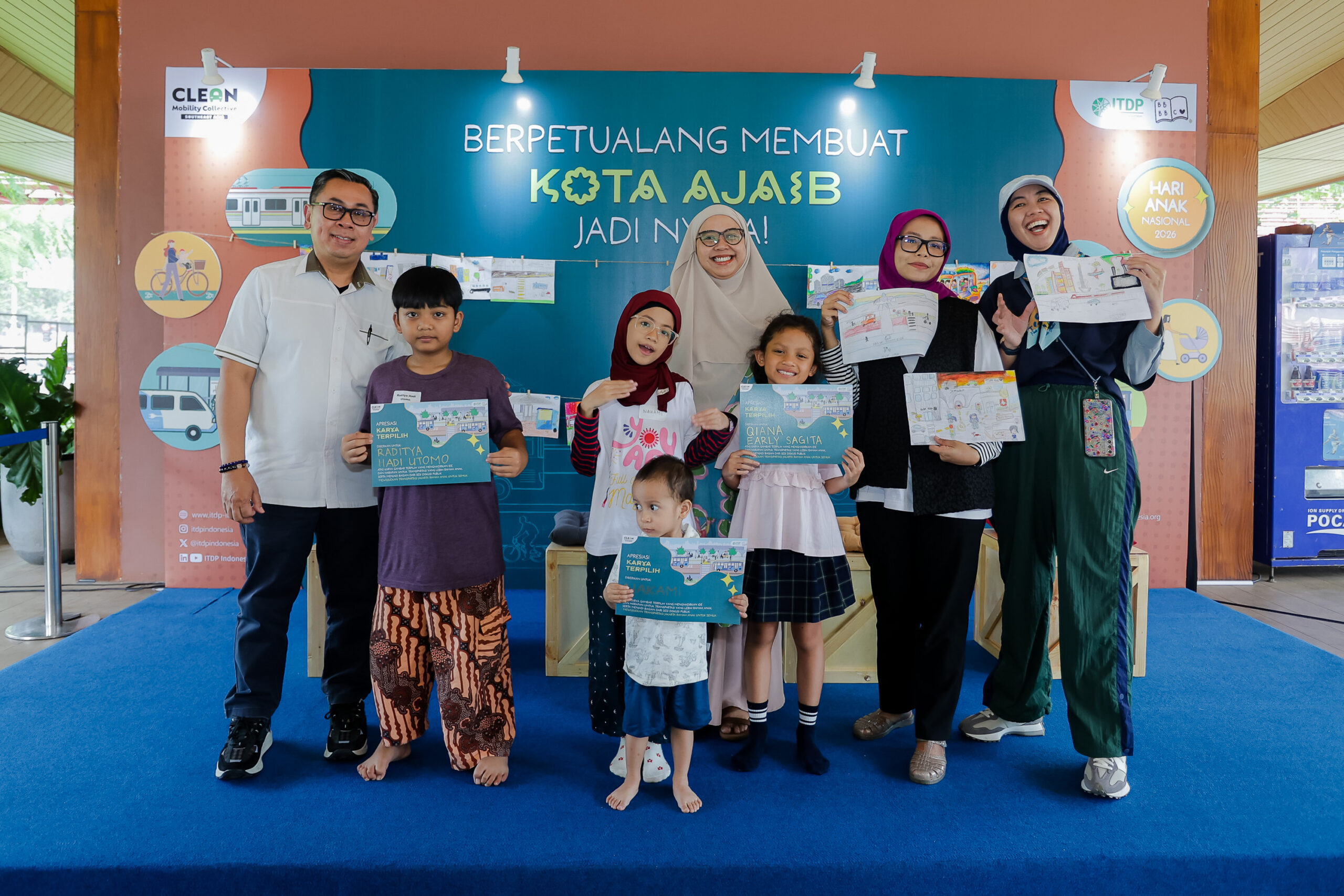
To kick off the discussion, the three children whose drawings were selected were invited to present their ideas to the audience and panelists. Eight-year-old Qiana envisioned a city with informative bus stops and bicycle parking facilities. Nine-year-old Nakami imagined dedicated lanes for cyclists, roller skaters, and people with visual impairments, as well as trains gliding above the water. Meanwhile, ten-year-old Raditya illustrated electric buses, train stations seamlessly connected to buildings, and tree-lined streets that make the city more comfortable and inviting.
Their presentations served as a reminder that, while expressed through children’s imagination, these ideas reflect practical aspirations for urban spaces that are safer, more accessible, and more enjoyable for everyone.
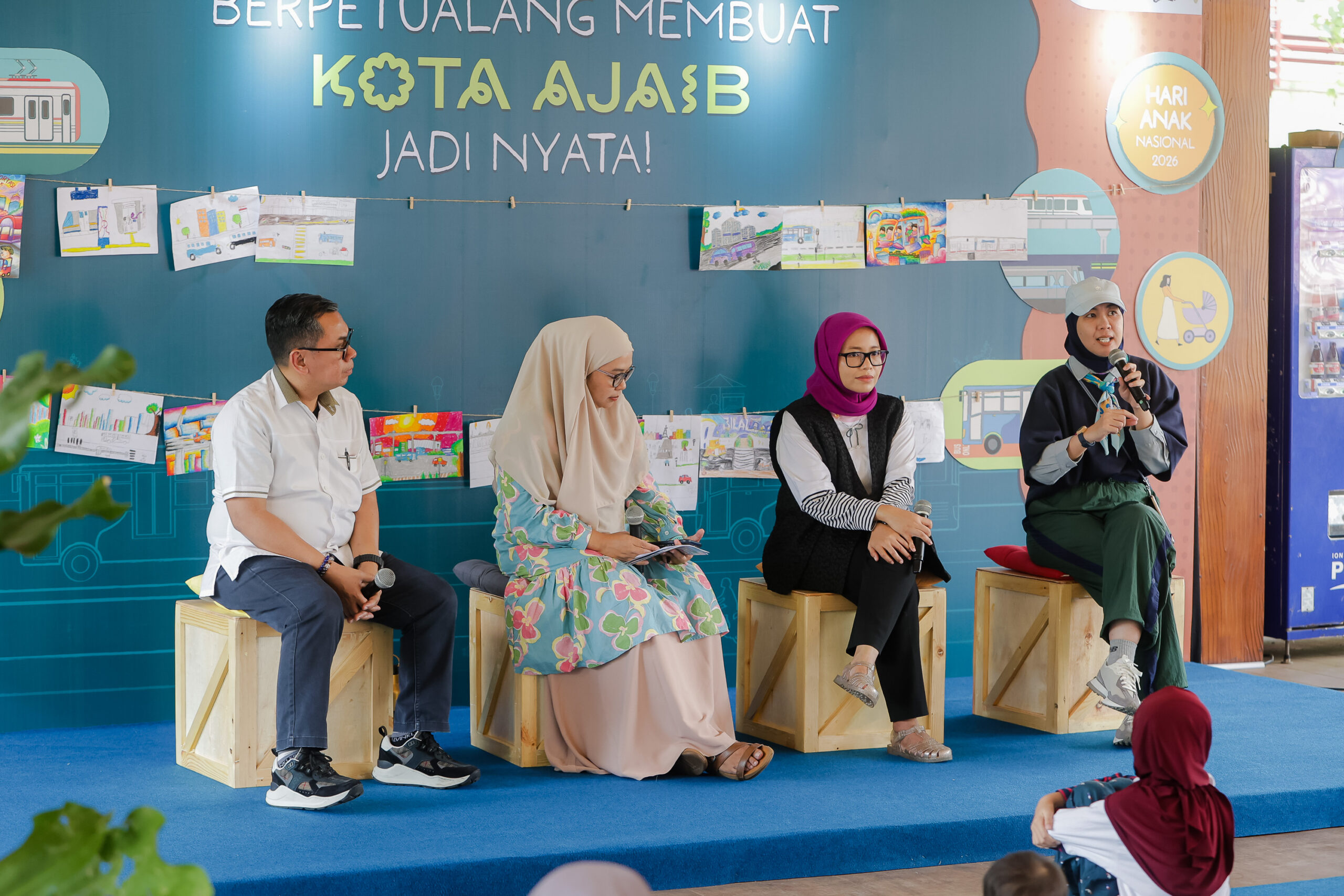
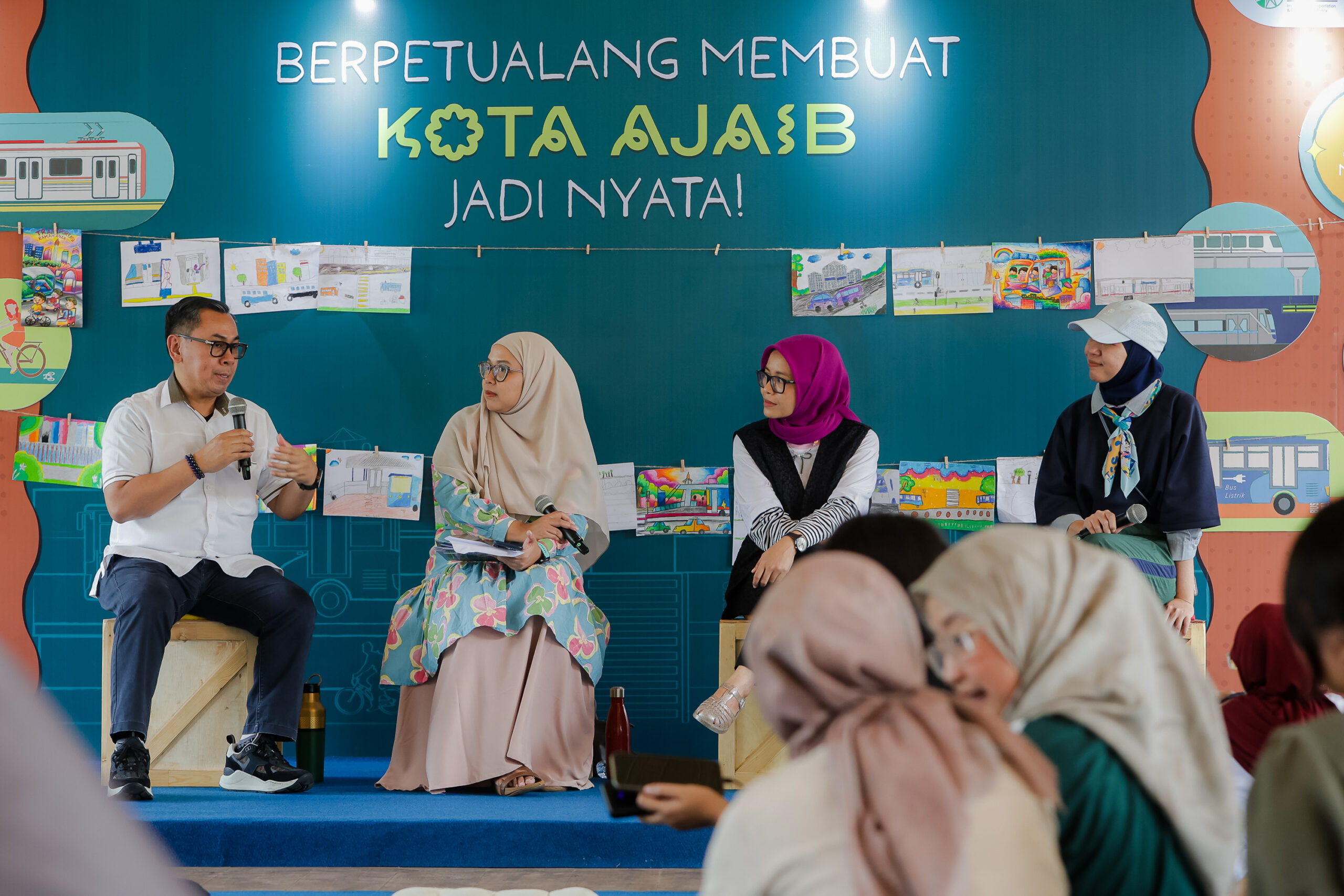
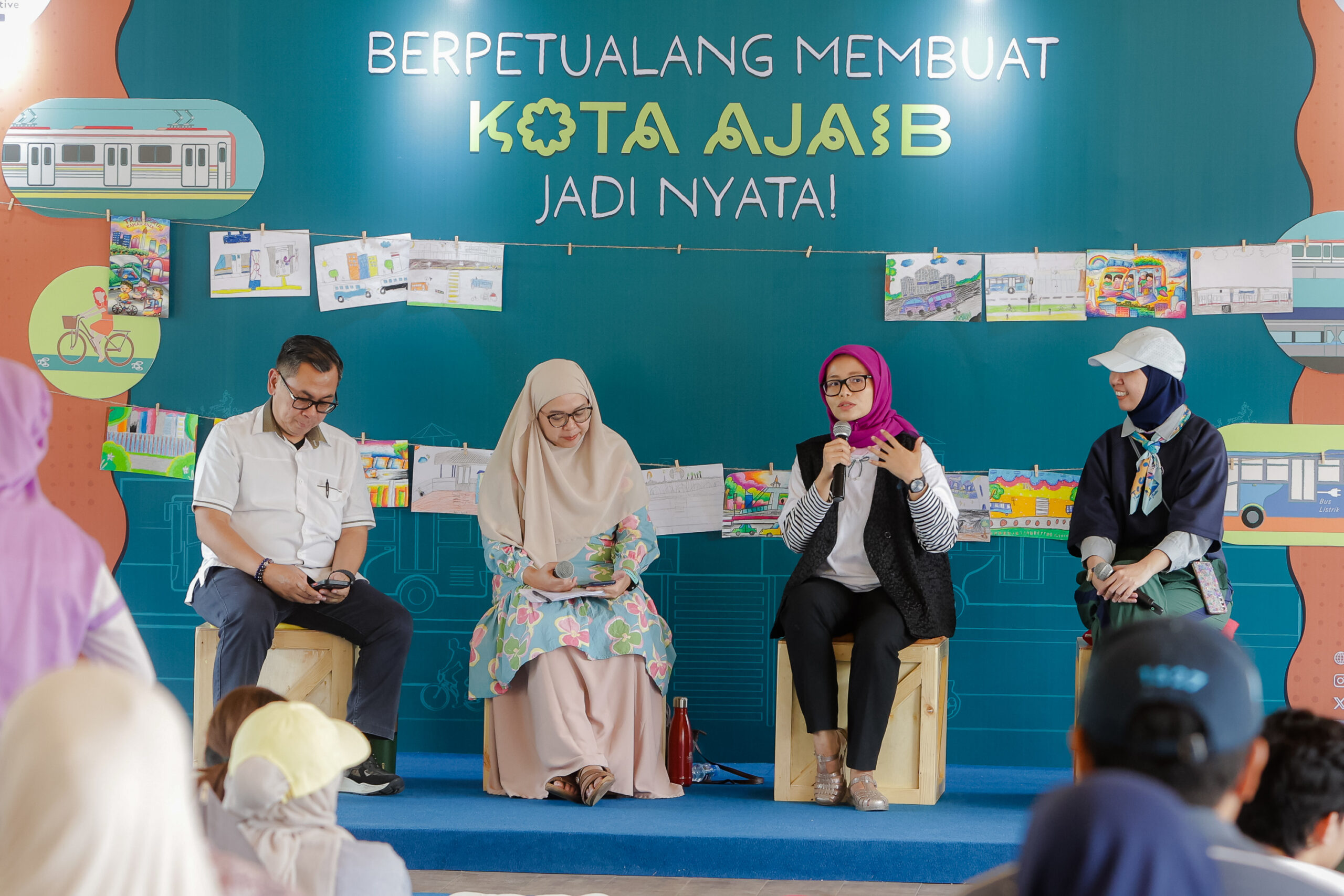
Deliani Siregar explained that the “Magic City” theme was chosen because children experience and perceive cities from a fundamentally different perspective. “Children pay remarkable attention to details that adults often overlook. They see the city from an eye level of around 95 centimeters, so their experience of urban space is inherently different,” she said.
Yustinus Prastowo noted that a common thread ran through the children’s drawings: a shared vision of an ideal city that deserves a place in urban planning. “Children have a clear imagination of what an ideal city looks like, and those ideas should be reflected in good planning. Their awareness of air quality and the quality of urban spaces is particularly striking,” he said.
Puty Puar added that children tend to draw what they genuinely encounter in their daily lives—from strollers and sidewalks to the journey of accessing public transportation. These observations, she said, underscore the importance of listening more closely to the experiences of children and families when planning cities that are inclusive and responsive to their needs.
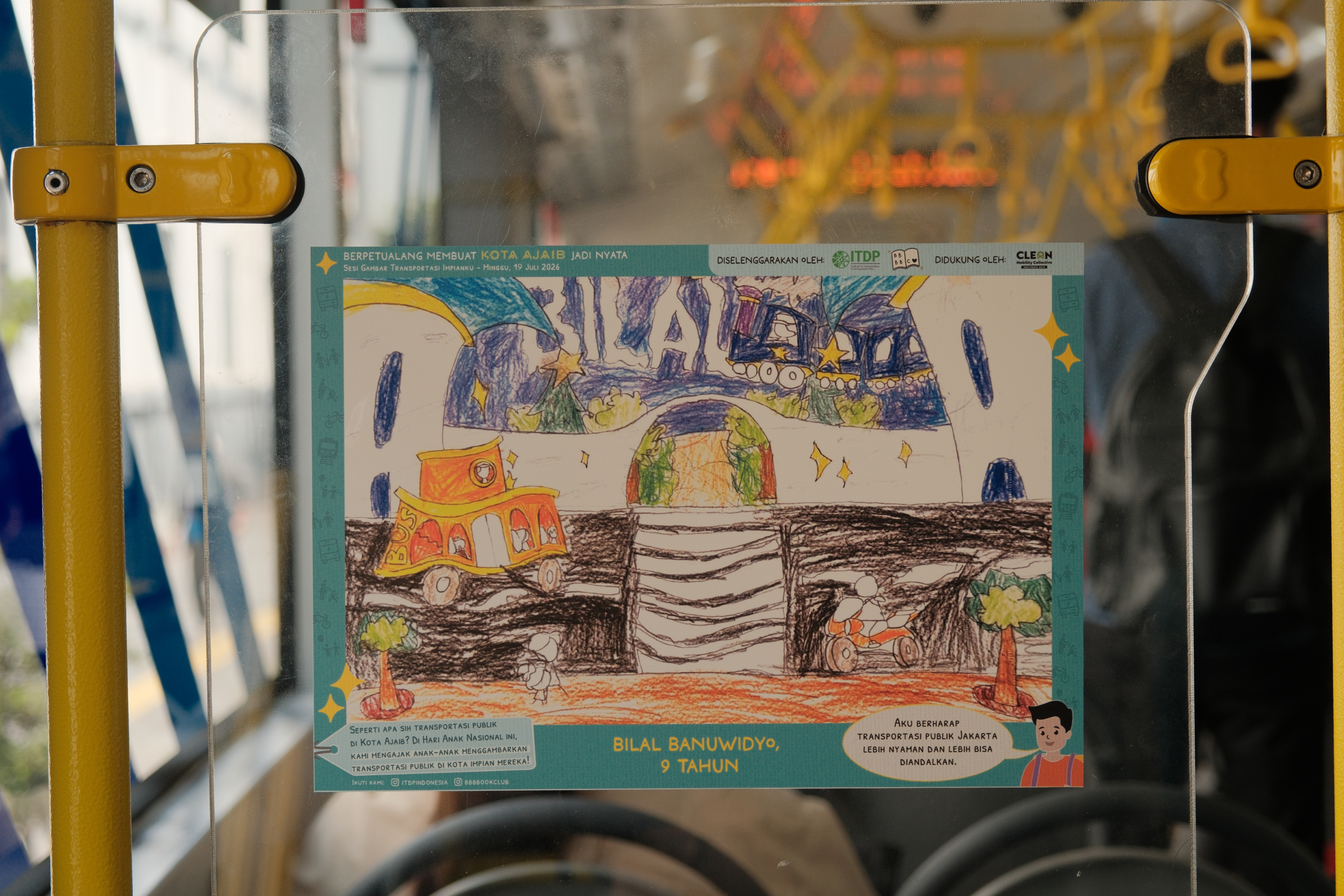
To celebrate Indonesia’s National Children’s Day on July 23 and recognize the children’s creativity, 16 selected artworks depicting their vision of a “Magic City” are being exhibited inside eight Transjakarta electric buses operating on Corridor 1. The exhibition will remain on display for one month, bringing children’s ideas for more inclusive and sustainable cities directly into the everyday journeys of public transport passengers.
Through this initiative, ITDP Indonesia hopes that children’s perspectives will help inform the development of transportation systems that are more inclusive, environmentally sustainable, and centered on the needs of the people they serve. By bringing children’s voices into conversations about urban mobility, the organization aims to encourage cities that are designed not only for efficiency, but also for accessibility, safety, and quality of life for everyone.