April 23, 2026
Multistakeholder Dialogue Highlights Challenges and Opportunities in Electrifying Urban Logistics Services
Indonesia’s urban logistics sector—where approximately 60% of last-mile deliveries rely on motorcycles—represents a strategically entry point for accelerating the adoption of electric two-wheelers. In support of this transition, ITDP Indonesia convened a focus group discussion (FGD) titled Accelerating the Transition to Electric Vehicles in Urban Goods Delivery Services on 21 April 2026 in Jakarta.
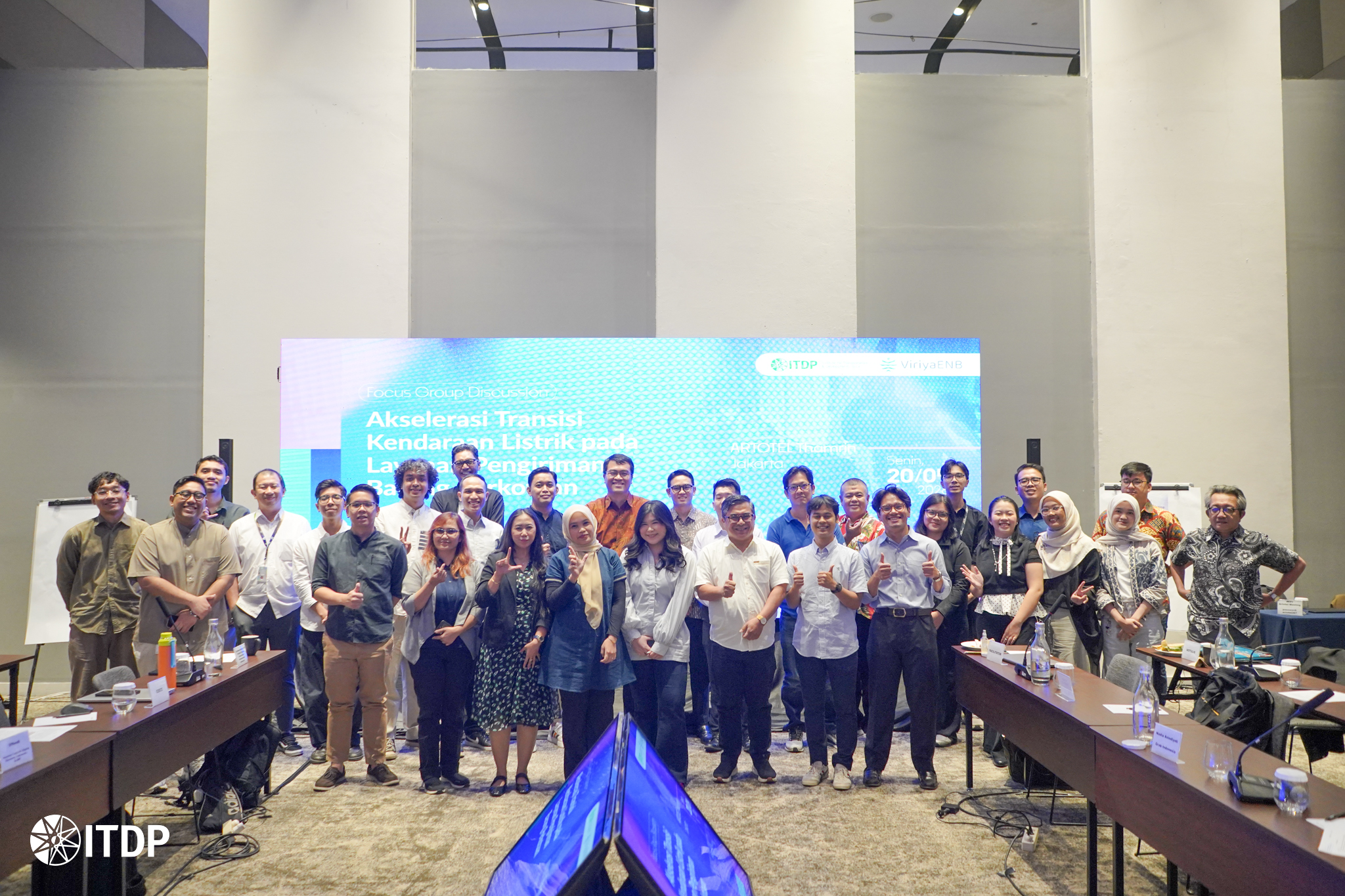
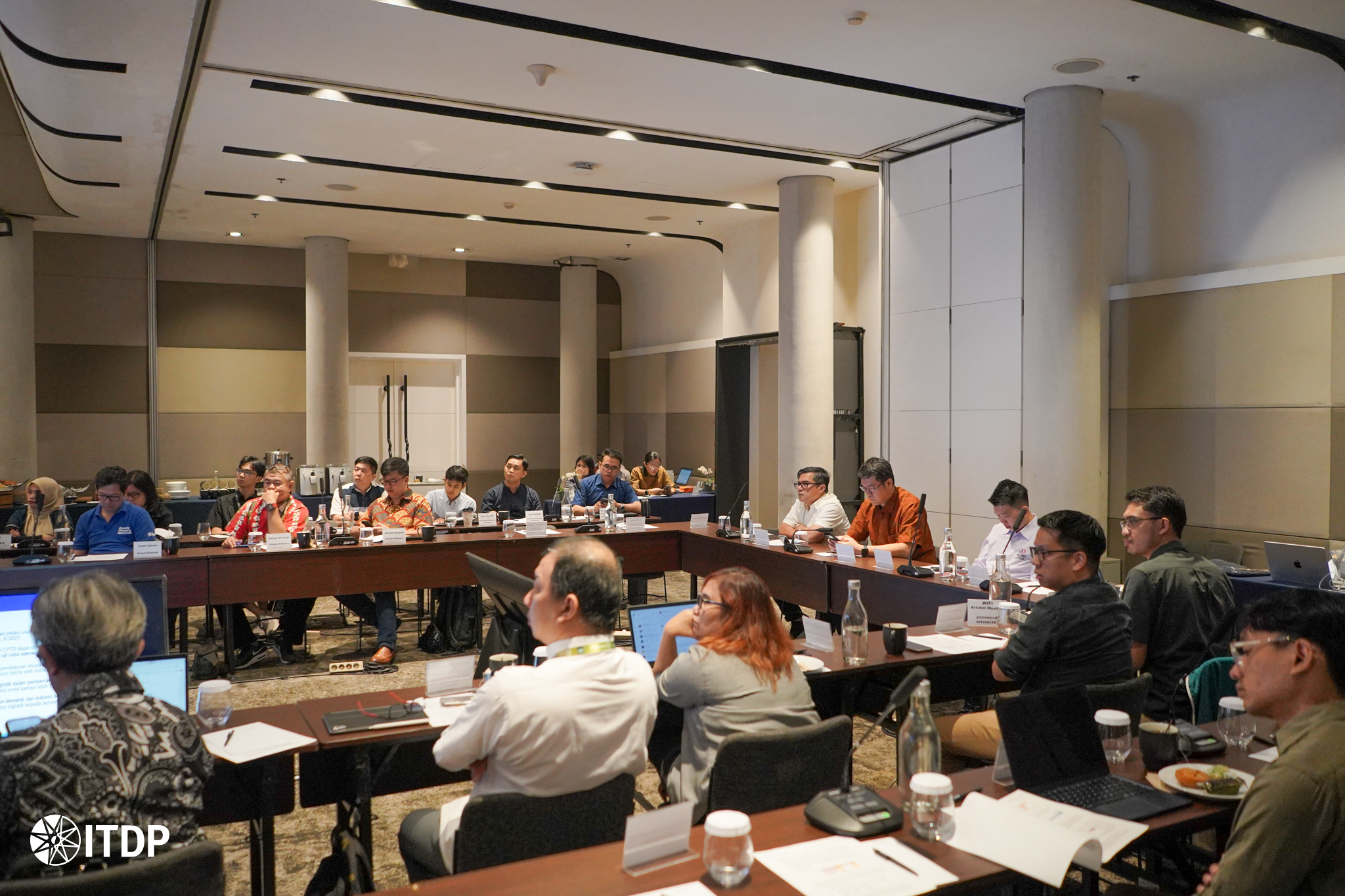
The dialogue brought together key stakeholders from the logistics and on-demand service sectors—including Grab, Gojek, JNE, J&T, SiCepat, Asperindo, and ALDEI—alongside electric motorcycle manufacturers and relevant industry associations. The objective was to examine both the barriers and enabling factors for scaling up electric vehicle adoption in urban logistics. Insights generated from the discussion will inform ITDP Indonesia’s ongoing study on the electrification of urban logistics vehicles, supported by ViriyaENB.
Opening the session, Gonggomtua Sitanggang, Southeast Asia Director at ITDP Indonesia, underscored the importance of cross-sector collaboration: “Accelerating the electrification of urban logistics requires coordinated action across industries. This forum is intended to facilitate more focused dialogue to ensure that proposed solutions are both relevant and implementable.”
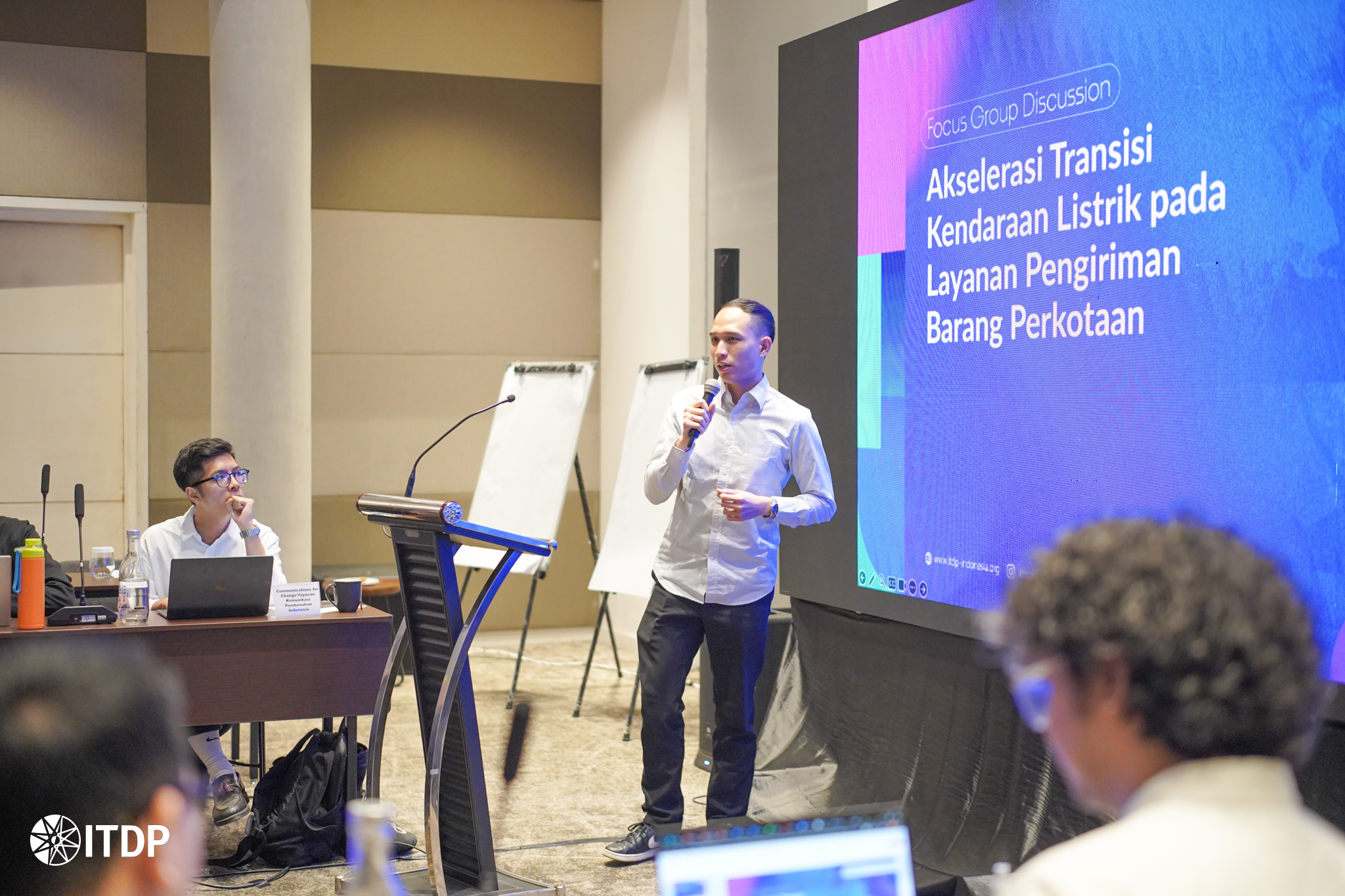
ITDP Indonesia subsequently presented preliminary findings from its study, including results from a survey on The Potential Use of Electric Motorcycles for Urban Goods Delivery, delivered by Mizandaru Wicaksono, Urban Mobility Manager. The analysis indicates that electric motorcycles can reduce total cost of ownership (TCO) by up to IDR 395 per kilometer and lower carbon emissions by as much as 25%, even when accounting for Indonesia’s current electricity generation mix, which remains partially dependent on coal.
The discussion identified two principal categories of barriers to adoption: technical and structural. From a technical standpoint, participants generally agreed that electric motorcycles are already capable of meeting most operational requirements for courier services. However, the supporting ecosystem remains insufficient—particularly in terms of charging infrastructure needed to sustain high-utilization operations, such as on-demand couriers who may travel more than 100 kilometers per day.
Stakeholders from the logistics sector also emphasized the critical need for standardization in battery technology, encompassing both hardware and software dimensions. Greater standardization would enable interoperability across brands and reduce investment risks associated with fleet transition. In response, representatives from the electric motorcycle industry expressed readiness to align product development with the specific requirements of logistics operations.
Financing emerged as a central concern throughout the dialogue. Courier partners currently lack the financial capacity to independently absorb the costs of transitioning to electric vehicles. Without structured support mechanisms, such a transition could reduce their daily income by an estimated 21%, largely due to installment payments. Concerns were also raised regarding the comparatively lower resale value of electric motorcycles relative to conventional vehicles.
To address these challenges, participants proposed targeted policy interventions, including purchase subsidies specifically designed for logistics workers and a government-backed buy-back guarantee mechanism. These measures are viewed as having significant potential to de-risk investment and accelerate adoption.
From a structural perspective, regulatory inconsistency and institutional ambiguity were identified as major obstacles. In particular, uncertainty regarding the government entity responsible for coordinating policies related to battery electric vehicle (BEV) adoption was highlighted as a pressing issue requiring immediate attention.