June 18, 2026
ITDP Indonesia Highlights Electric Motorcycles as a Catalyst for Green Logistics
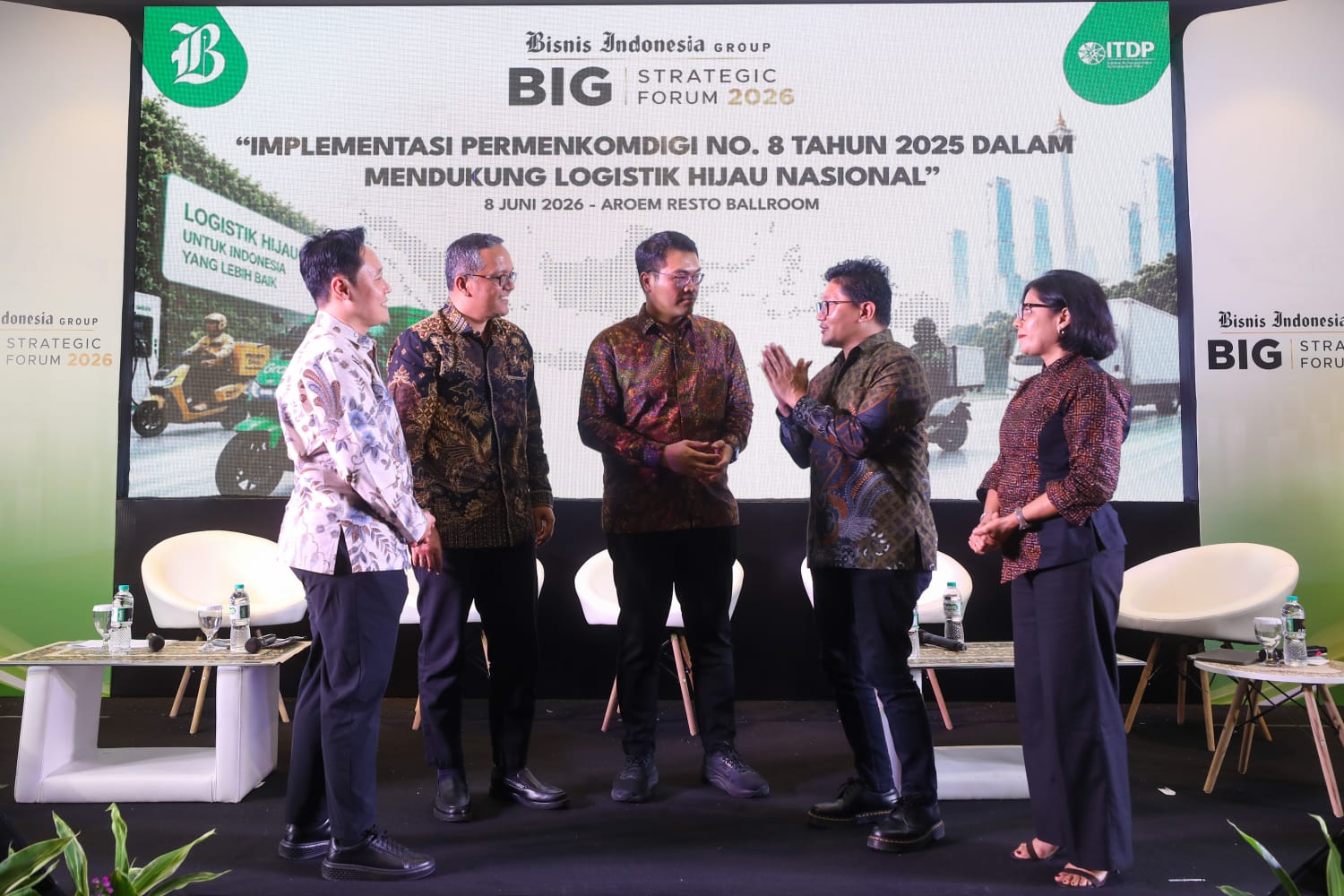
The issuance of Minister of Communication and Digital Affairs Regulation (Permenkomdigi) No. 8 of 2025 is expected to accelerate the electrification of urban logistics fleets. The topic took center stage at the BIG Strategic Forum 2026, held on June 8 in Central Jakarta, bringing together representatives from government, the financing sector, logistics companies, and ITDP Indonesia.
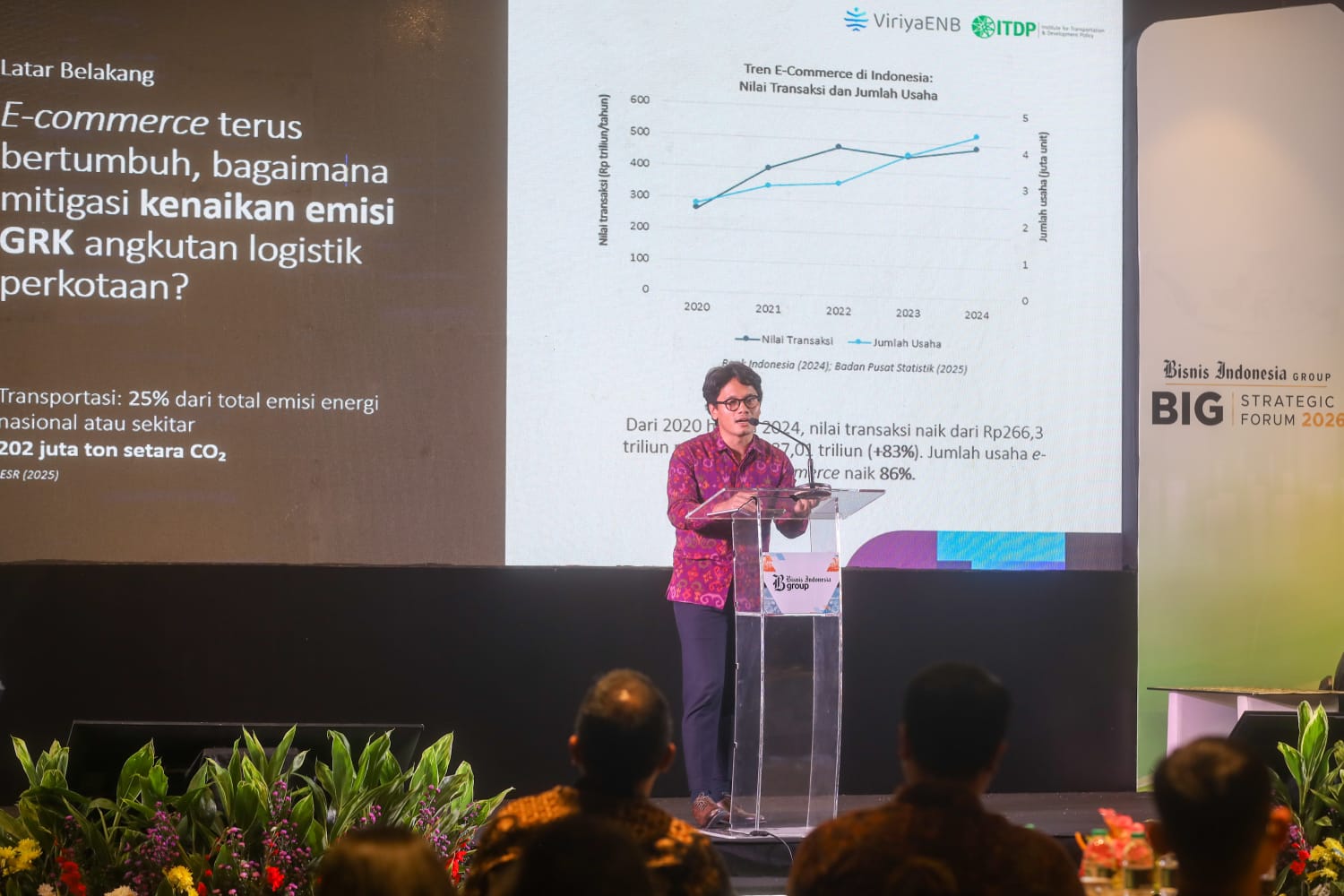
Speaking at the forum, ITDP Indonesia Southeast Asia Director Gonggomtua E. Sitanggang highlighted the logistics sector’s significant potential to contribute to the electrification targets outlined in Ministerial Regulation No. 8 of 2025 and Presidential Regulation No. 79 of 2023. This opportunity is driven in part by Indonesia’s booming e-commerce market, where transaction values nearly doubled from IDR 266.3 trillion in 2020 to IDR 487 trillion in 2024.
As logistics activity continues to expand, however, so do its environmental impacts. The transportation sector accounts for roughly a quarter of Indonesia’s energy-related emissions, producing an estimated 202 million tons of CO₂ annually. Electrifying logistics vehicles is therefore seen as a critical step toward advancing the country’s green logistics agenda.
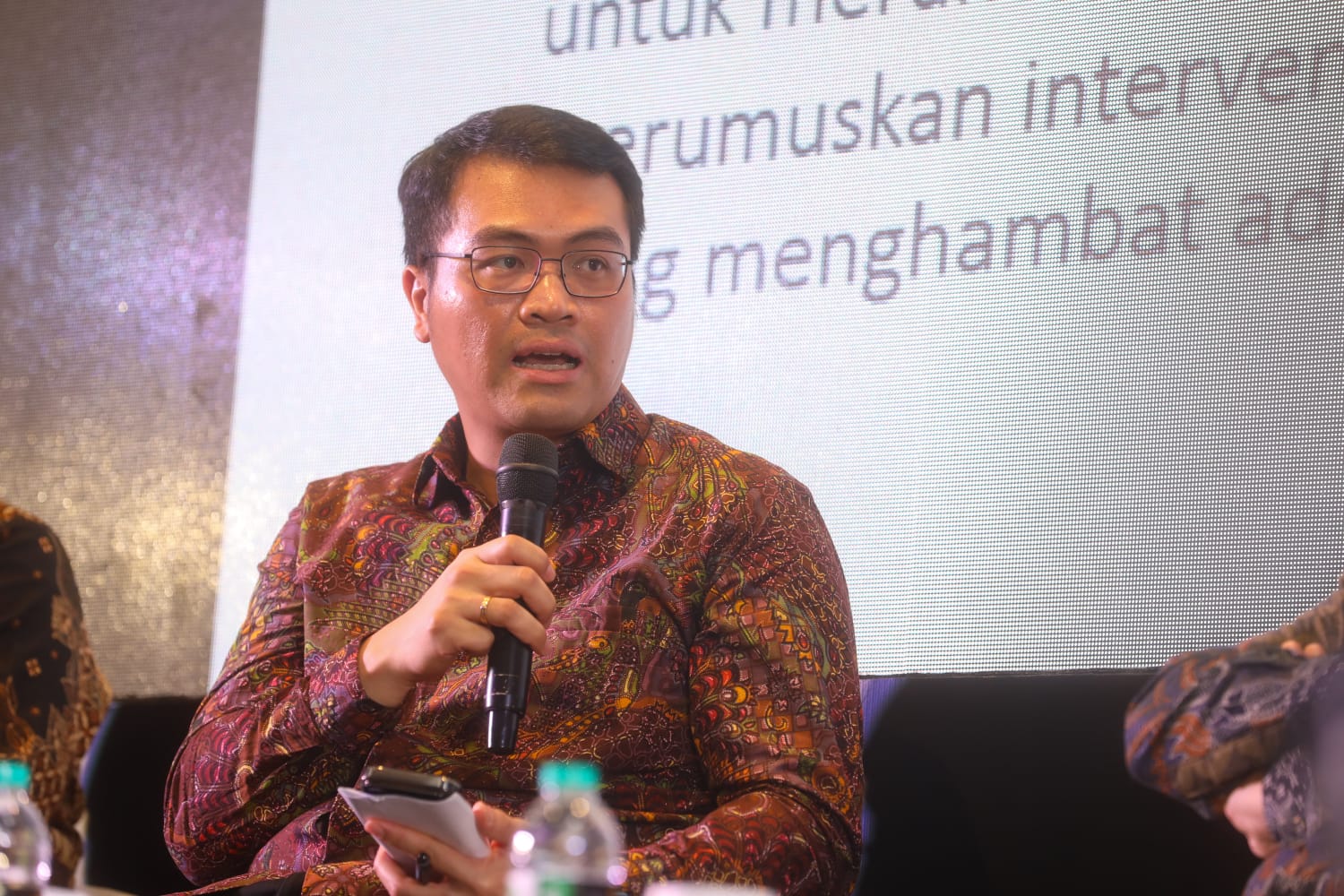
ITDP Indonesia Senior Transport Associate Kemal Yahya Fardianto presented findings from ITDP’s latest study, Electrification of Urban Logistics Vehicles to Accelerate Electric Vehicle Adoption, supported by ViriyaENB. The research identified motorcycles as the vehicle segment most ready for electrification, particularly in third-party logistics (3PL) and instant delivery services.
From a technical perspective, electric motorcycles are already capable of meeting the operational needs of urban couriers, with an average range of up to 82 kilometers on a full charge. For instant delivery services, however, wider adoption will depend on the availability of more extensive battery-swapping infrastructure.
The study also found a strong economic case for electrification. Over a five-year period, the total cost of owning an electric motorcycle is, on average, 27 percent lower than that of a conventional gasoline-powered motorcycle. Depending on operating conditions, riders can save between IDR 150-395 per kilometer while significantly reducing fuel consumption and carbon emissions.
Despite these operational advantages, electric vehicle adoption remains limited. Most couriers continue to use fully paid-off gasoline motorcycles, making the switch to electric vehicles an additional financial burden. ITDP Indonesia emphasized the need for supporting measures such as subsidies, affordable financing schemes, and vehicle trade-in programs to accelerate the transition.
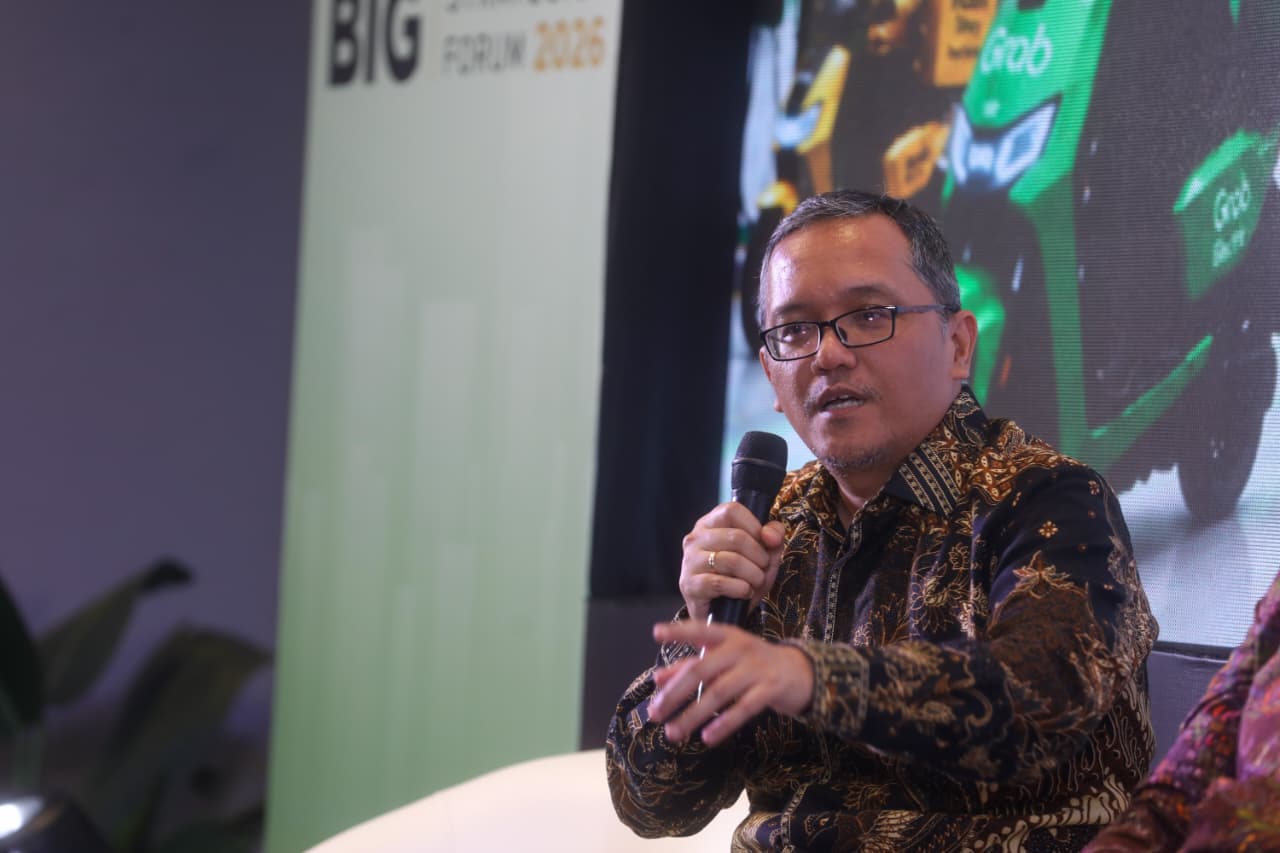
Dapot Parasian Sukoco Sinaga, Acting President Director of PT Mandiri Utama Finance (MUF), noted that demand for electric motorcycle financing has yet to show significant growth. According to him, the main challenge is not only the vehicle price but also the fact that the economic benefits are not yet immediately apparent to consumers. In addition, incentives for electric motorcycles remain less attractive than those available for electric cars.
From an industry perspective, accelerating green logistics will require a more mature ecosystem, including adequate supporting infrastructure and stronger collaboration among government agencies, industry players, and other stakeholders to ensure effective and sustainable implementation.
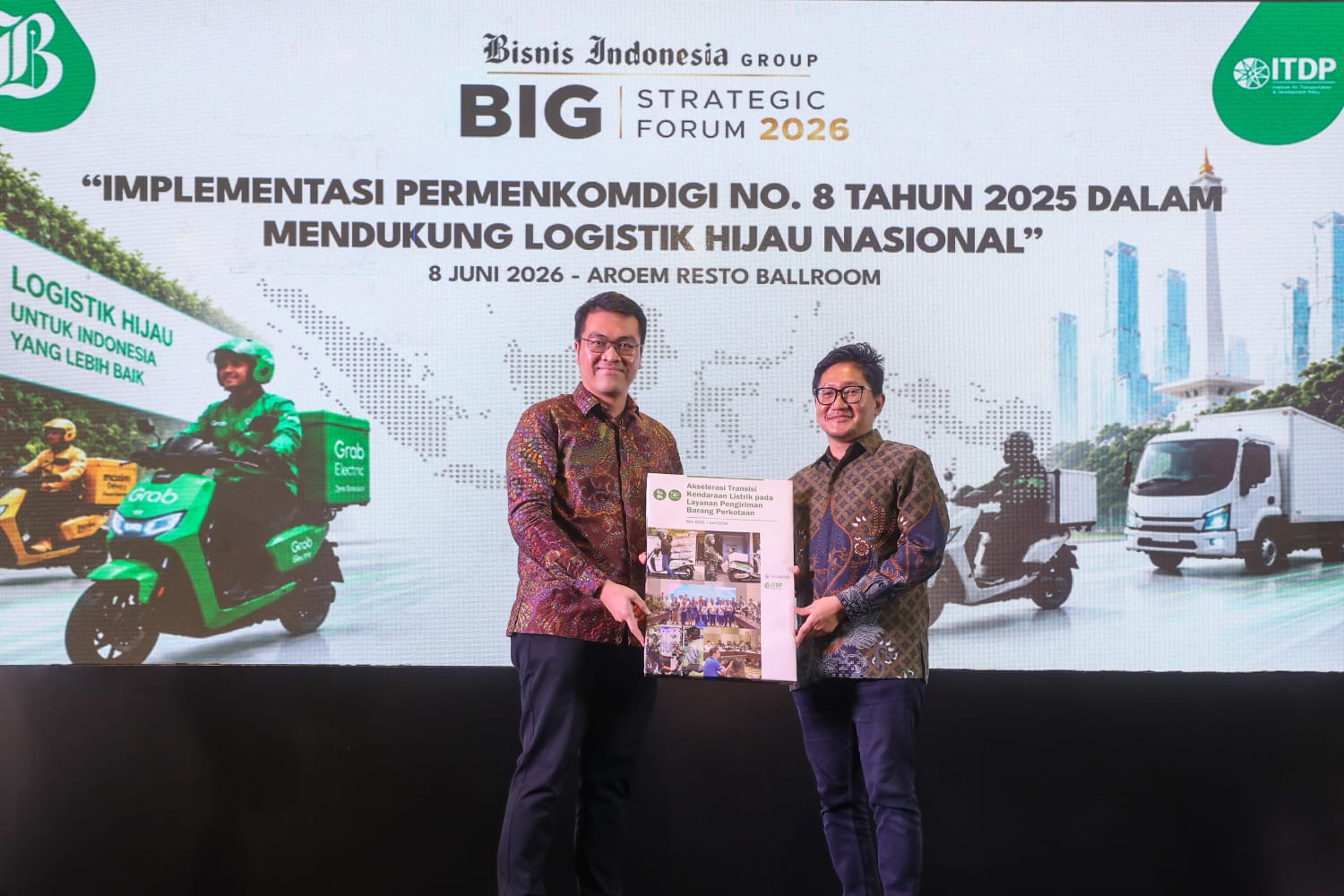
The forum concluded with the symbolic handover of ITDP Indonesia’s study findings to the Director of Digital Ecosystem Development at the Ministry of Communication and Digital Affairs.
Read ITDP’s full report on urban logistics vehicle electrification here.