August 07, 2026
Beyond Electrification: ITDP Indonesia Calls for Deeper Public Transport Reform
Global energy price volatility and growing fiscal pressure from rising fuel subsidies are making it increasingly urgent for Indonesia to accelerate its transition toward sustainable transport. However, the challenges go beyond technological readiness. Implementation gaps, institutional limitations, and strategies that remain focused on major cities and infrastructure development continue to pose significant barriers.
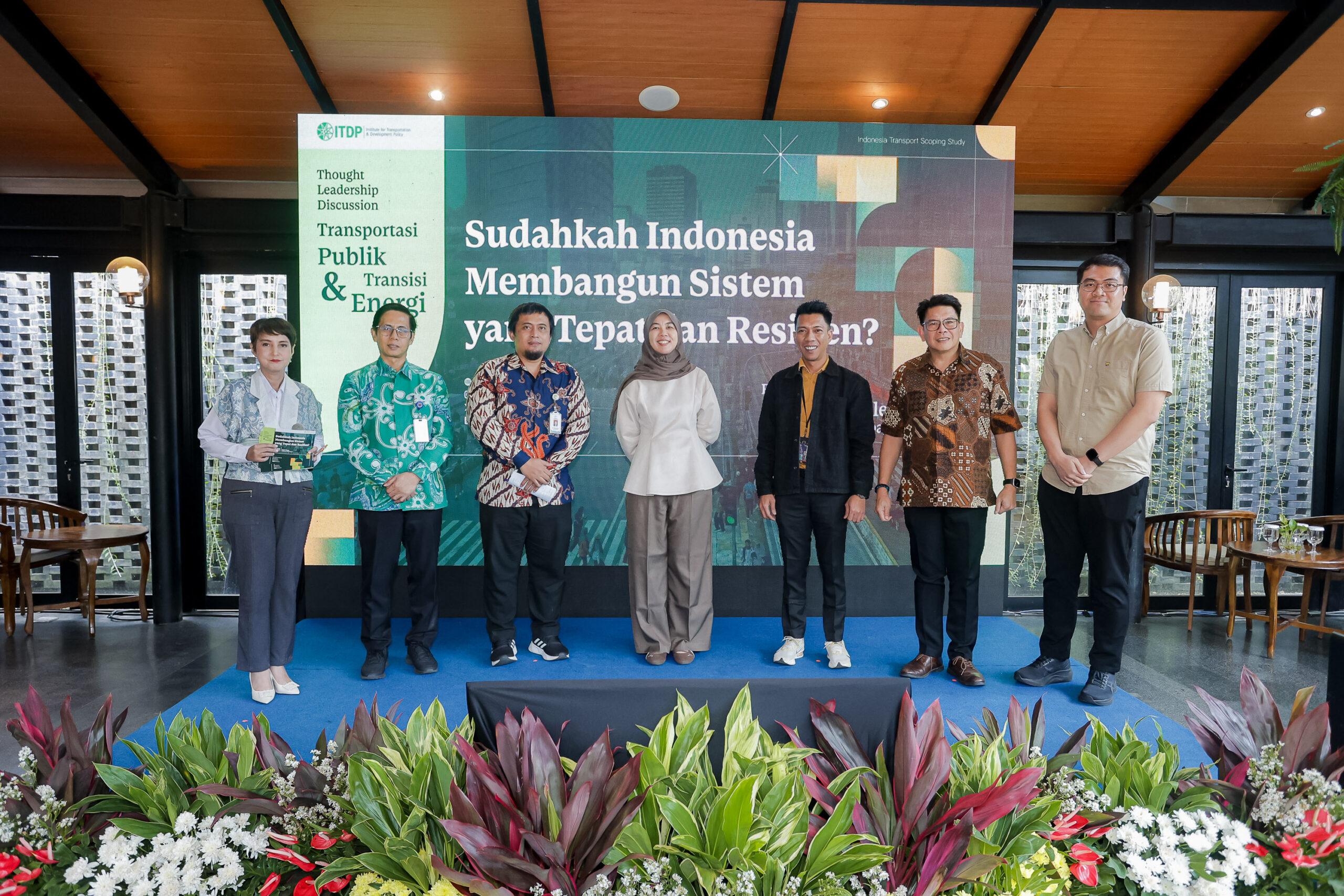
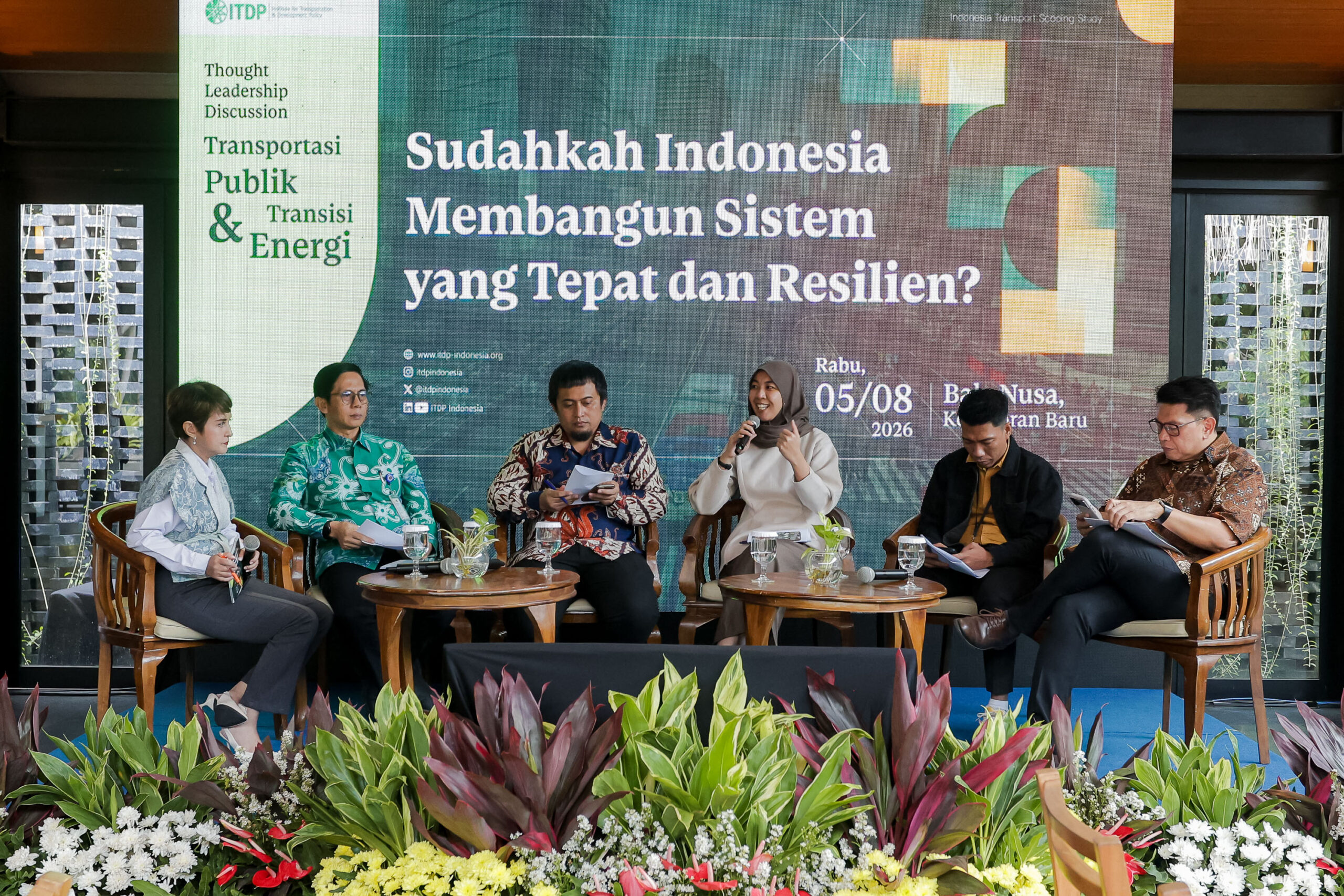
These challenges were at the center of the Thought Leadership Discussion, “Public Transport and the Energy Transition: Is Indonesia Building the Right and Resilient System?”, hosted by ITDP Indonesia on August 5, 2026, in South Jakarta. The discussion brought together Director of Road Transport at the Ministry of Transportation (MoT) Muiz Thohir; Vice President of Sales & Marketing at Perum DAMRI Teguh Aditya Dharma; Deputy Director of ITDP Indonesia Deliani Siregar; and Chief Executive Officer of the Institute for Essential Services Reform (IESR) Fabby Tumiwa.
Transforming Public Transport Alone Is Not Enough
The event opened with a presentation of ITDP Indonesia’s latest study, Indonesia Transport Scoping Study, by ITDP Indonesia Deputy Director Deliani Siregar. The study identifies 11 cities that are ready to begin bus electrification, with the potential to reduce greenhouse gas (GHG) emissions by up to 24% and air pollution by up to 68%. In the context of Transjakarta, bus electrification is projected to save around 120 million liters of fuel and reduce emissions by up to 277,000 tonnes of CO₂e annually.
However, Indonesia’s public transport system still faces several challenges. Incentives under Presidential Regulation No. 79 of 2023 currently reduce the upfront investment cost of electric buses by only around 2–5%, while electric buses remain 250–300% more expensive than conventional buses. This contributes to the low number of electric buses in operation, which stood at only 867 units as of June 24, 2026 (Ministry of Transportation).
“The findings show that the challenge is no longer primarily technical or technological. The main challenges lie in governance, institutional capacity, and policies that are not yet comprehensive, holistic, or integrated enough to support the technologies already available,” said Deliani.
Addressing these challenges, Deliani noted that the central and local governments, academics, development partners, and civil society organizations have agreed on the need to increase public transport use. However, current strategies still rely heavily on a pull approach—improving public transport, promoting transit-oriented development (TOD), and expanding routes and low-emission public transport modes. Meanwhile, push measures—such as parking management, electronic road pricing (ERP), and low-emission zones (LEZs)—are also needed to encourage people to shift to public transport.
The shift to public transport can not only reduce GHG emissions and air pollution, but also help lower people’s transport costs, which can account for more than 30% of monthly income. This is significantly higher than the World Bank’s recommended maximum of 10%. As a result, people’s access to education, healthcare, and employment opportunities is also constrained.
However, Deliani emphasized that public transport reform and bus electrification are two inseparable agendas.
“Without good public transport governance, electric buses simply replace the engine within a system that remains inefficient. Conversely, when public transport reform goes hand in hand with electrification, its benefits can be secured over the long term. With operating costs 30–40% lower than diesel buses, electric buses also create an opportunity to provide more affordable services for millions of passengers every day.”
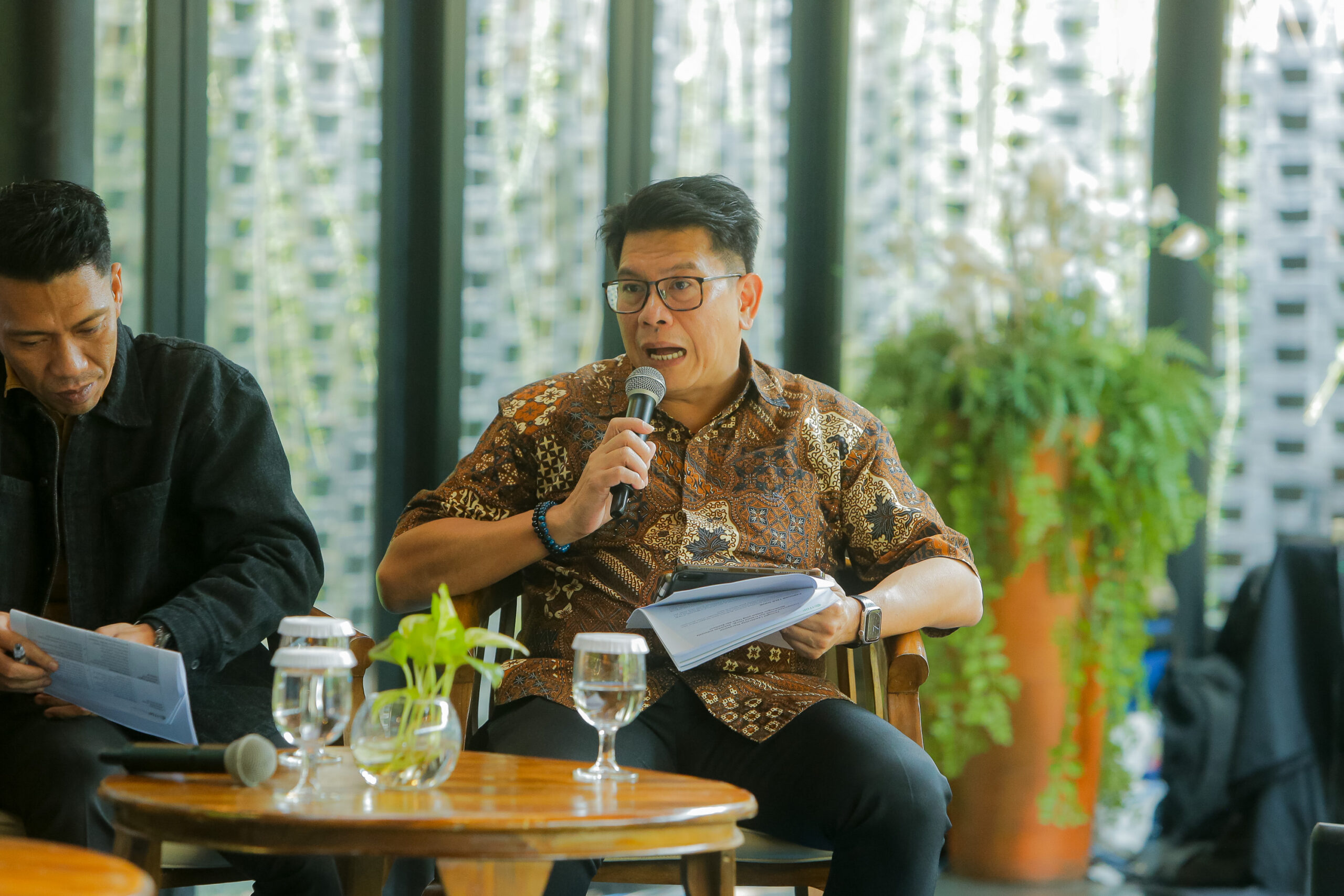
Chief Executive Officer of the Institute for Essential Services Reform (IESR), Fabby Tumiwa, noted that the transport sector is Indonesia’s largest oil consumer. Without intervention, road transport emissions are projected to reach 561 million tonnes of CO₂ by 2060 under an aggressive scenario.
“If we want to achieve energy security, we must reduce our dependence on fossil fuels, particularly imported fuel, as this directly affects the country’s fiscal conditions. The most logical approach is to strengthen public transport and accelerate its electrification. The technology is already mature, battery prices continue to decline, and the benefits are much broader because they can be directly felt by the public,” he said.
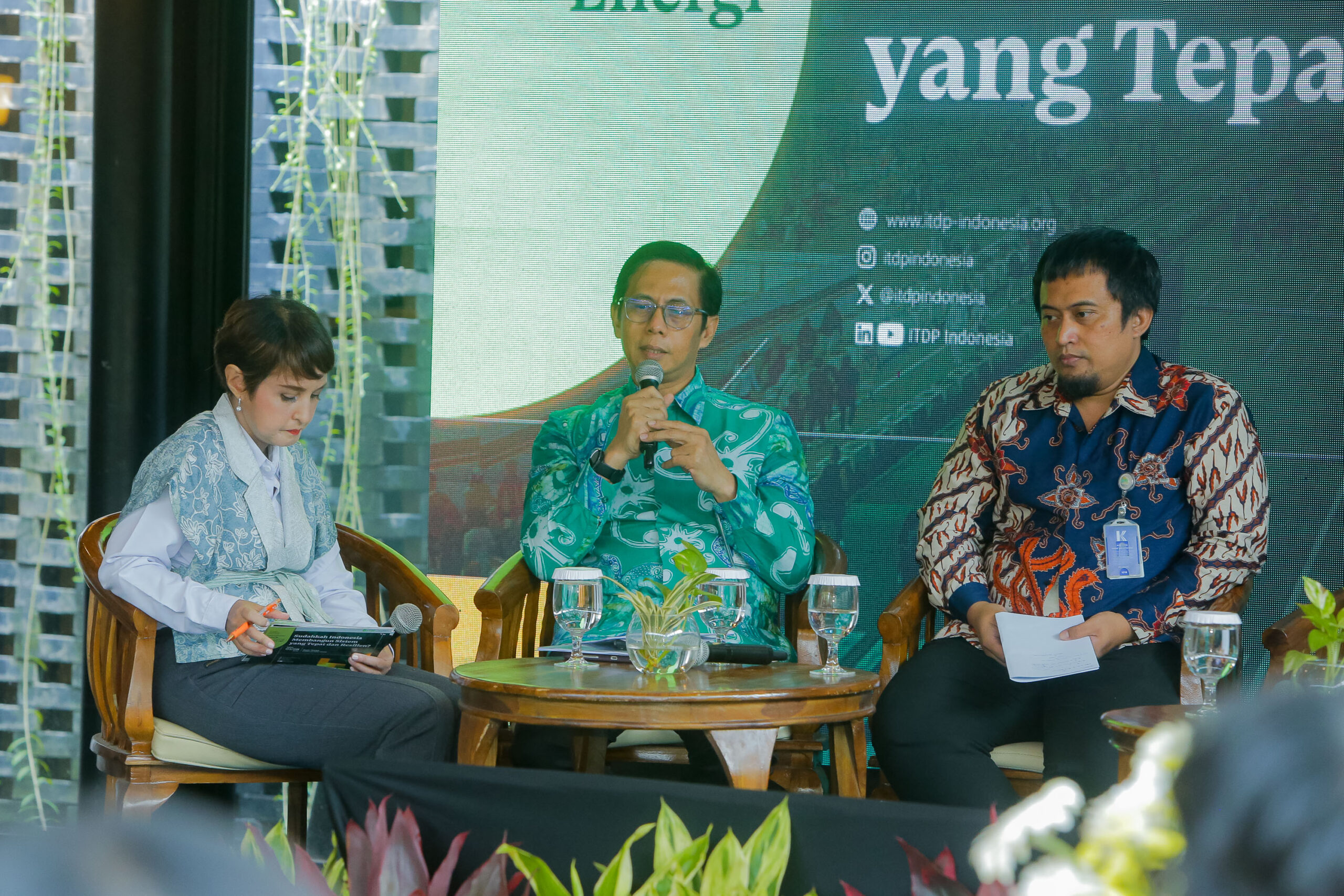
Responding to IESR’s statement, Director of Road Transport at the Ministry of Transportation (MoT) Muiz Thohir said the current energy crisis presents an opportunity to accelerate the public transport transformation agenda that the government has been preparing. “The Ministry of Transportation has made public transport electrification one of its priorities under the 2025–2029 policy framework. This transformation requires contributions from all stakeholders. From the government’s side, we will continue to improve regulations within the Ministry of Transportation’s authority, while each stakeholder is expected to play their respective role so that the public transport ecosystem can develop more rapidly.”
This commitment is reflected in the urban public transport electrification roadmap developed by the Ministry of Transportation in collaboration with ITDP Indonesia, which targets 100% electric buses by 2045. Achieving this target will require an estimated IDR 116 trillion in investment, projected to reduce GHG emissions by up to 41%, equivalent to 8.8 million tonnes of CO₂e, while reducing fuel consumption by approximately 392,000 kilolitres annually.
Muiz also highlighted the need to develop and strengthen public transport systems. To support this effort, the government has provided incentives for regional public transport development through the Buy the Service (BTS) programme since 2020. The scheme has been implemented in Medan, Yogyakarta, Solo, and Makassar.
Driven by Stronger Coordination Between National and Local Governments
Echoing the Ministry of Transportation’s position, Coordinator for Land Transport and Railways at the Ministry of National Development Planning (Bappenas), Handhi Setiawan Adiputra, said that public transport transformation needs to be integrated into long-term development planning. He emphasized that aligning policies between national and local governments is key to enabling more cities to develop sustainable public transport systems.
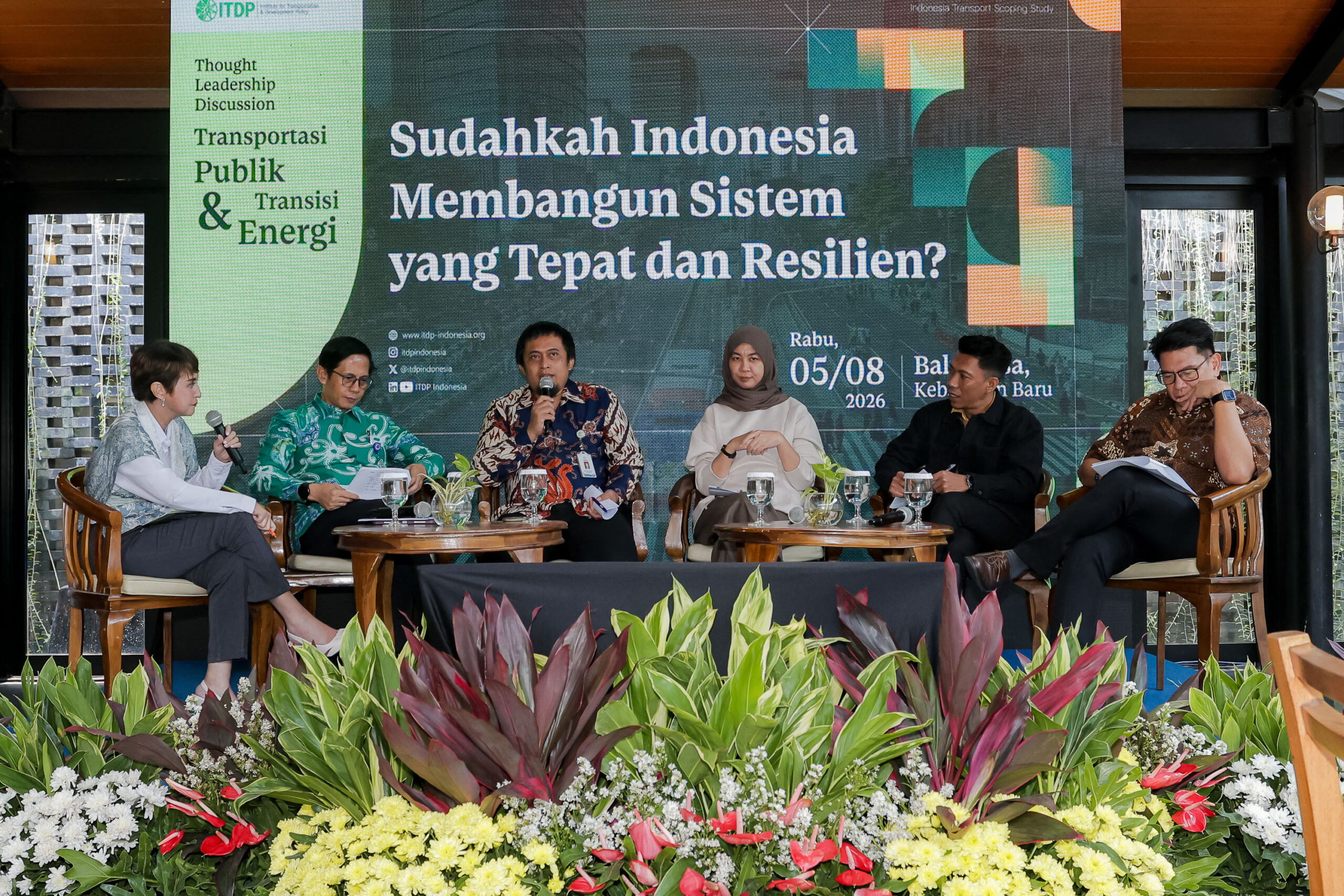
Perum DAMRI Vice President of Sales and Marketing, Teguh Aditya Dharma, shared Perum DAMRI’s experience as a public transport operator. Serving 43 branches with more than 3,291 buses across 659 routes throughout Indonesia, Perum DAMRI is committed to continuing to expand the number of electric buses operated for Transjakarta.
The number of Transjakarta electric buses operated by Perum DAMRI has continued to grow, from 26 units in 2023 to 90 in 2024, 200 in 2025, and 316 units today.
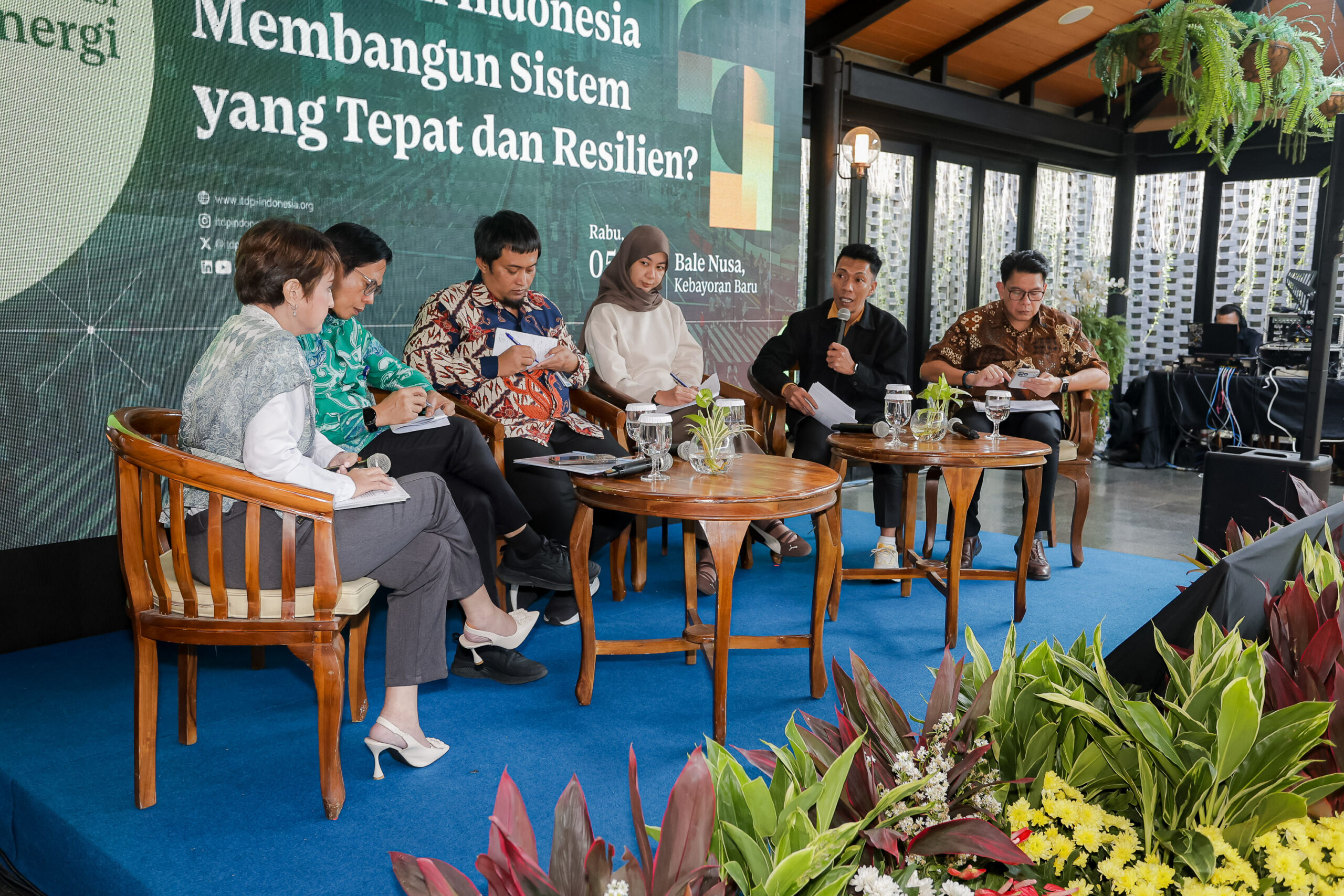
“Our experience shows that the main challenge is no longer the technology itself, but the readiness of the broader ecosystem. Charging infrastructure, long-term contract certainty, and financing models that provide investment certainty are critical factors in determining the success of electrification,” he said.
The discussion concluded with a shared view that the energy crisis should be treated not merely as a challenge, but as a window of opportunity to accelerate public transport reform. Electrification alone will not deliver a resilient transport system. It must be backed by stronger governance, regulatory certainty, sustainable operator business models, cross-sector commitment, and better alignment of planning and financing between ministries and local governments.
With the right foundation in place, public transport can move beyond its role as a means of mobility to become a critical pillar of Indonesia’s energy resilience—while making everyday journeys more affordable, accessible, and sustainable for millions of people.