October 13, 2026
ITDP Indonesia Discusses the Two-Wheeled Electric Mobility Ecosystem at IPB University
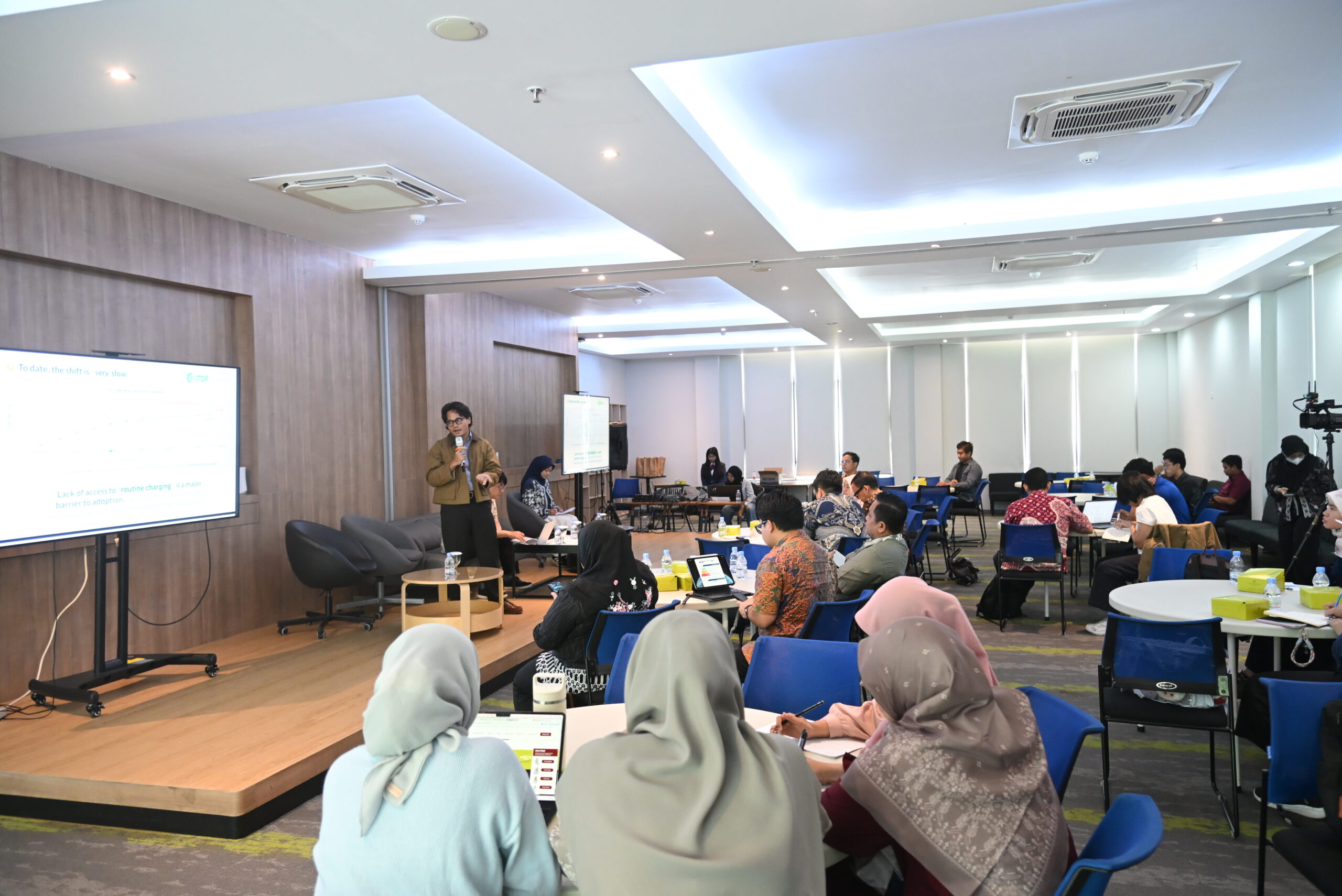
and educational institutions are essential to building a sustainable electric mobility ecosystem. These issues were discussed at the Agrivoltaic (APV) & E-Mobility Awareness Workshop, held on Wednesday, 7 October, at the Innopreneurship Building, IPB University, Bogor, Indonesia.
The workshop brought together key stakeholders, including the Korea Energy Agency (KEA), Envelops, Hanyang University, IPB University, PT DAT Mobility Systems, and ITDP Indonesia, to share perspectives on electric vehicle development and the supporting infrastructure needed to accelerate its adoption.
Learning from South Korea: Integrated Policies, Incentives, and Infrastructure
During the presentation session, Professor Joonho Ko of Hanyang University outlined South Korea’s experience in developing its electric vehicle ecosystem. The country’s efforts have included incentives for environmentally friendly vehicles, electric vehicle pilot programs, the development of electric bus and taxi services, and battery-swapping systems.
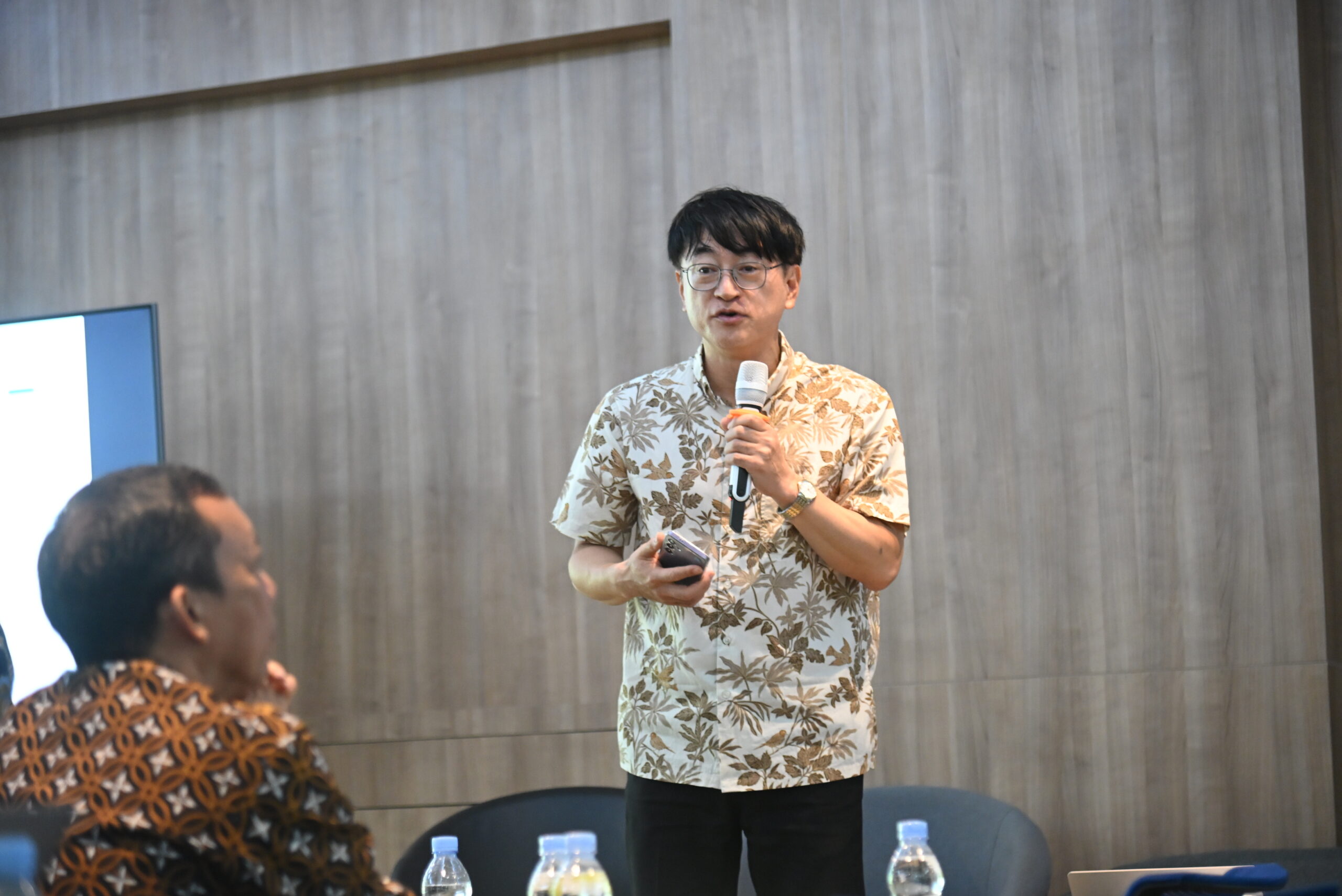
South Korea’s experience demonstrates that accelerating electric vehicle adoption requires a sustained, long-term policy approach. In addition to incentives to encourage EV use, institutional coordination, regulatory standardization, and charging infrastructure development must go hand in hand.
A clear division of responsibilities among the private sector and central and local governments is essential to this effort. The central government is responsible for formulating policies, establishing institutional frameworks, and providing financial support. Local governments oversee policy implementation and infrastructure development, while the private sector contributes through vehicle manufacturing, charging infrastructure provision, and market development.
Electrification efforts must also extend beyond major urban centers. During the discussion, Professor Joonho Ko highlighted the importance of a master plan for charging infrastructure development in rural areas to support electric motorcycle adoption. Jeju Island, an island off South Korea’s mainland, serves as an example of a region with a high electric vehicle adoption rate, reaching 12.2% as of August 2026.
Lessons from South Korea underscore the importance of collaboration among stakeholders in building an EV ecosystem that not only increases the number of electric vehicles on the road but also addresses users’ needs.
Charging Infrastructure Remains a Challenge in Indonesia
In the same session, Kemal Fardianto, Senior Associate for Transport at ITDP Indonesia, highlighted several challenges to encouraging the public to switch to electric motorcycles. These include limited charging infrastructure, policy uncertainty, low vehicle resale values, and limited financing options that are financially beneficial to consumers. Further details are available in ITDP Indonesia’s publication on EV charging infrastructure to accelerate adoption.
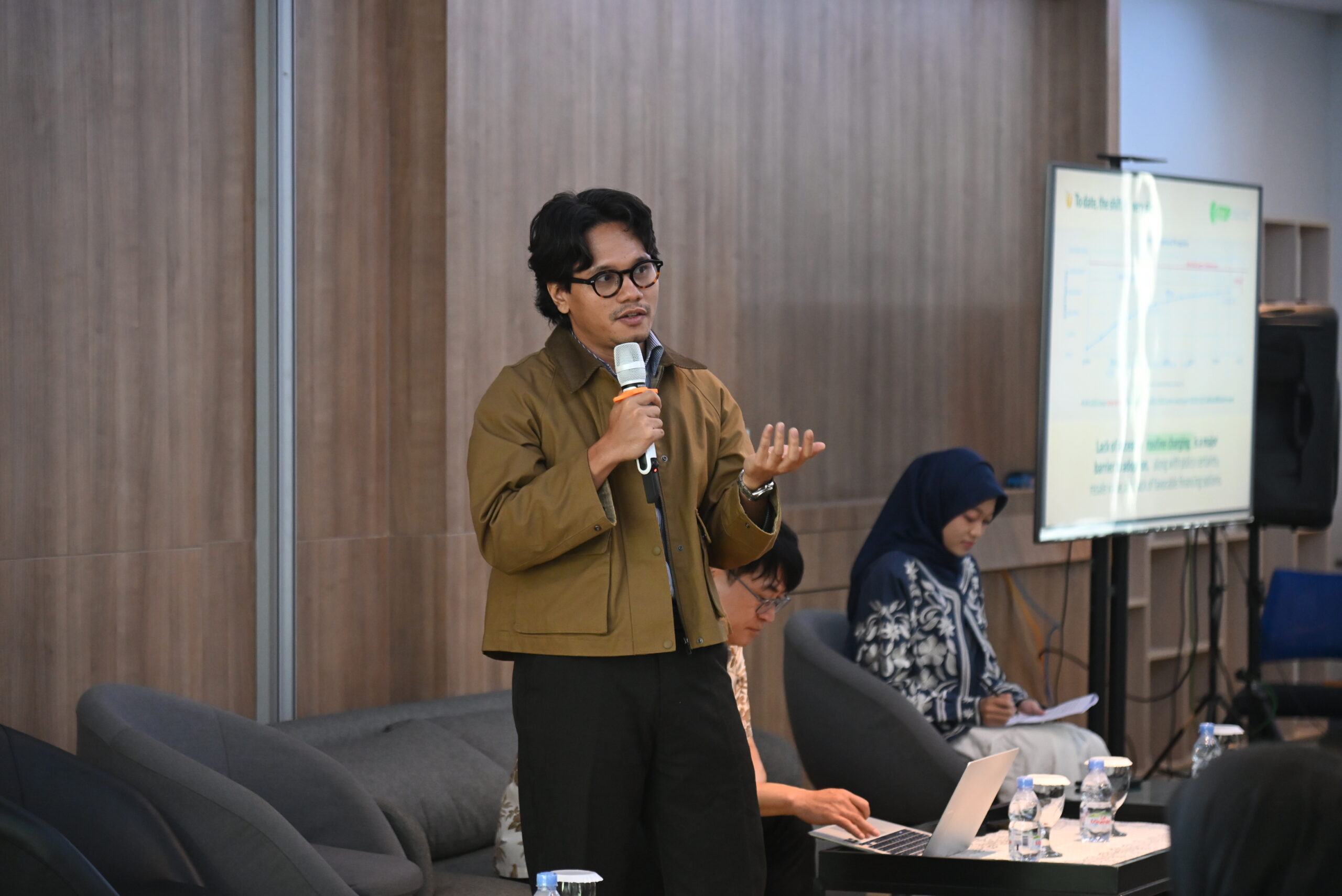
For users with high travel demands, such as ride-hailing drivers and delivery couriers, battery-swapping systems can offer an alternative to conventional charging. Meanwhile, meeting the demand for home charging requires strategic policy support from the Ministry of Energy and Mineral Resources (ESDM) and PT PLN (Persero), particularly in addressing household electricity capacity.
Beyond the home, standardization and interoperability of batteries, along with fast-charging infrastructure, are also essential to making EV use more convenient. Establishing consistent charging interface standards that work across brands is crucial to ensuring users can charge their vehicles without compatibility issues arising from differences between systems.
The cross-sector discussions at the workshop highlighted the importance of collaboration in addressing the challenges of electric vehicle development in Indonesia and building a more sustainable mobility ecosystem. Integrated policies, user-oriented infrastructure, equitable access, and the transition to clean energy must advance hand in hand to ensure that electrification delivers broader benefits for both society and the environment.