
August 04, 2026
ITDP Indonesia Highlights Inclusive Wayfinding Best Practices at SEATRAMS 2026
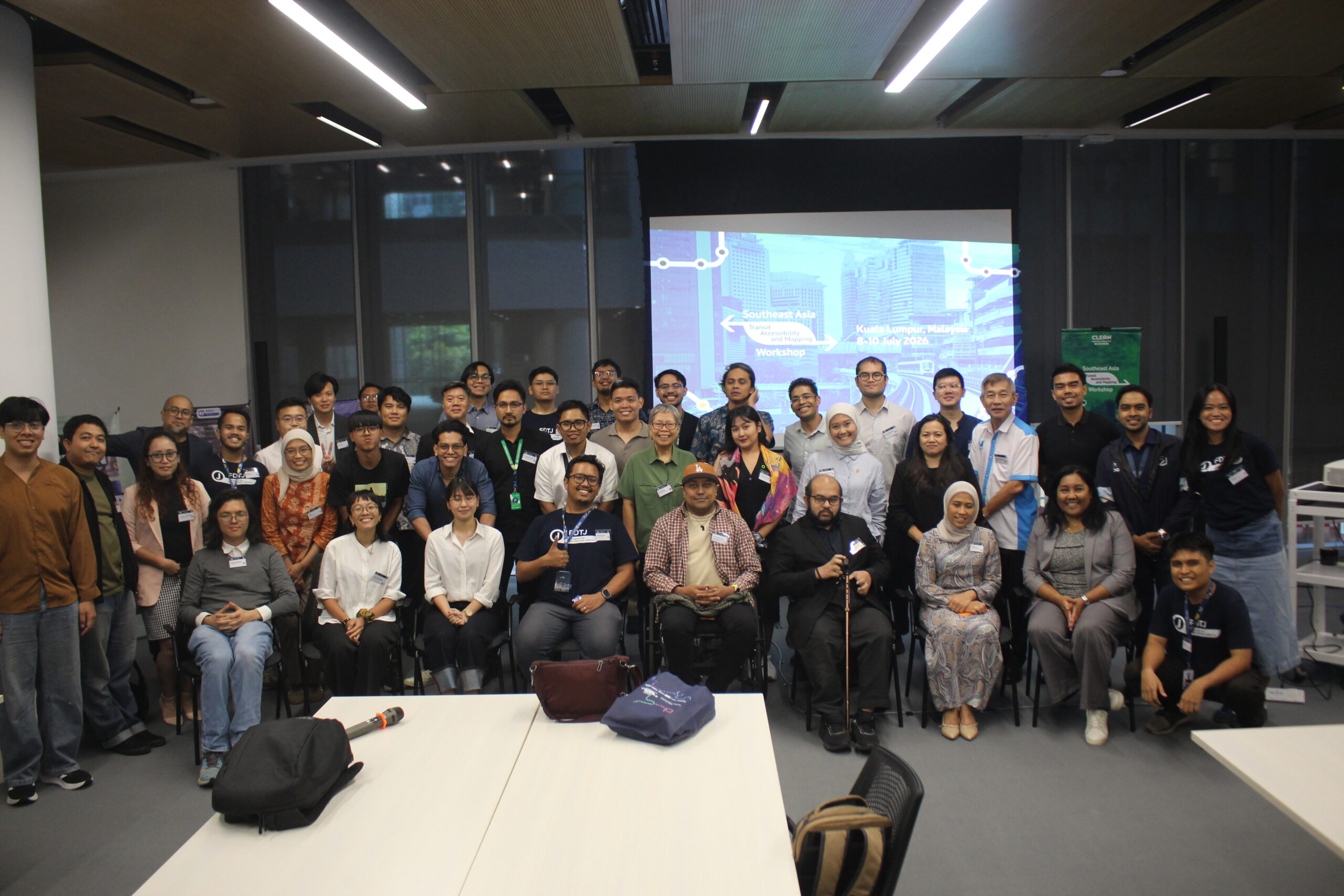
Ensuring that public transport is accessible to persons with disabilities, women, and children is fundamental to building inclusive cities. This shared commitment was at the heart of the Southeast Asia Transit Accessibility and Mapping Skillsharing Workshop (SEATRAMS), held on 8–10 July 2026 in Kuala Lumpur, Malaysia. Organized by the Clean Mobility Collective–Southeast Asia (CMC-SEA) and Transport for Jakarta (FDTJ), the workshop convened transport practitioners, operators, designers, advocates, and government representatives from across Southeast Asia to exchange knowledge, showcase best practices, and strengthen regional collaboration on accessible public transport.
The workshop opened with a knowledge-sharing session by PLANMalaysia, which highlighted lessons on inclusive urban design, wayfinding, and first- and last-mile connectivity. Representing Indonesia, LRT Jakarta and Moda Integrasi Transportasi Jabodetabek presented their experiences in implementing the Jakarta Wayfinding Guideline, demonstrating how inclusive wayfinding can improve the passenger experience while supporting the operational and commercial objectives of public transport systems. By sharing practical insights and implementation experiences, the workshop underscored the value of cross-country learning in advancing more equitable and accessible mobility across Southeast Asia.
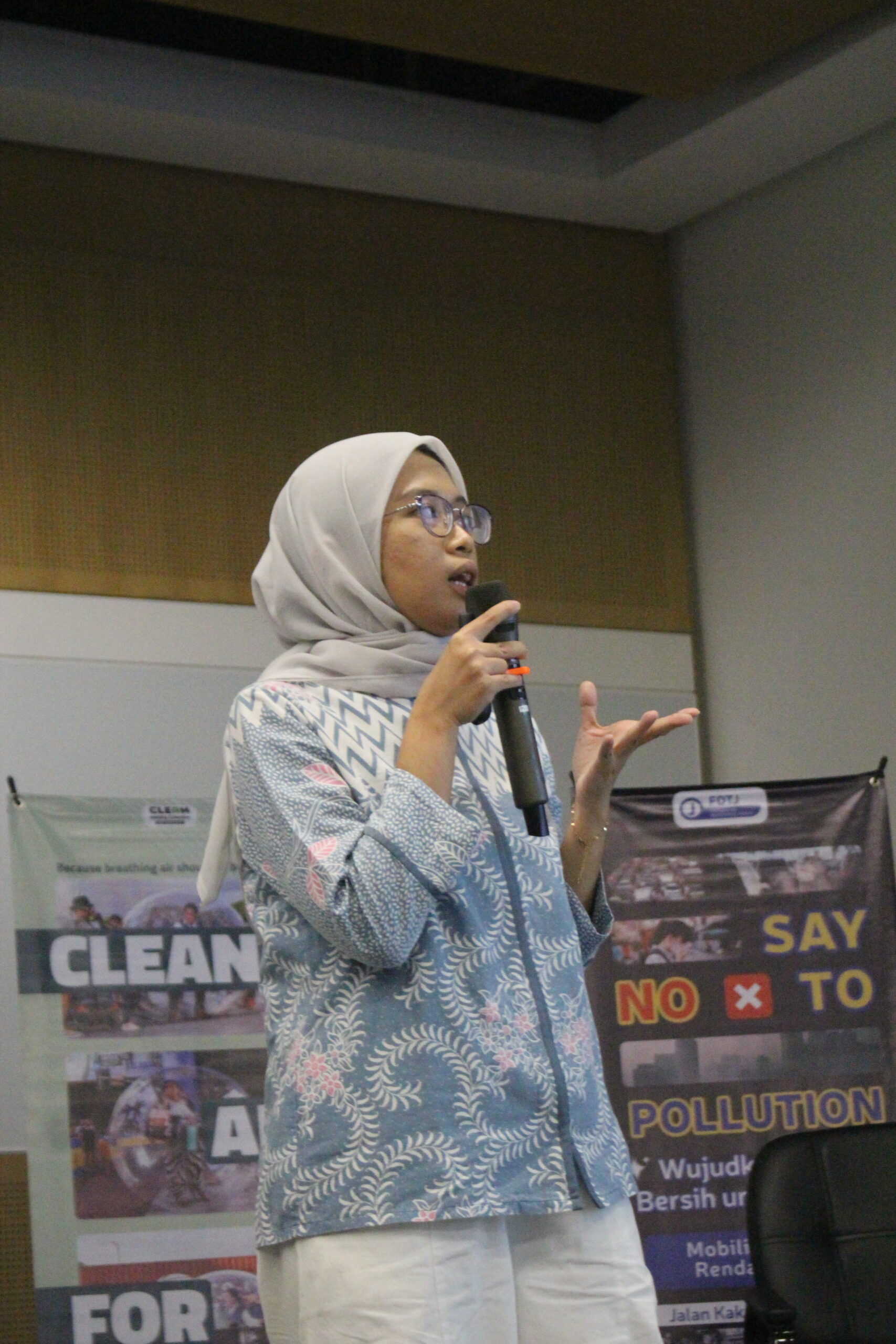
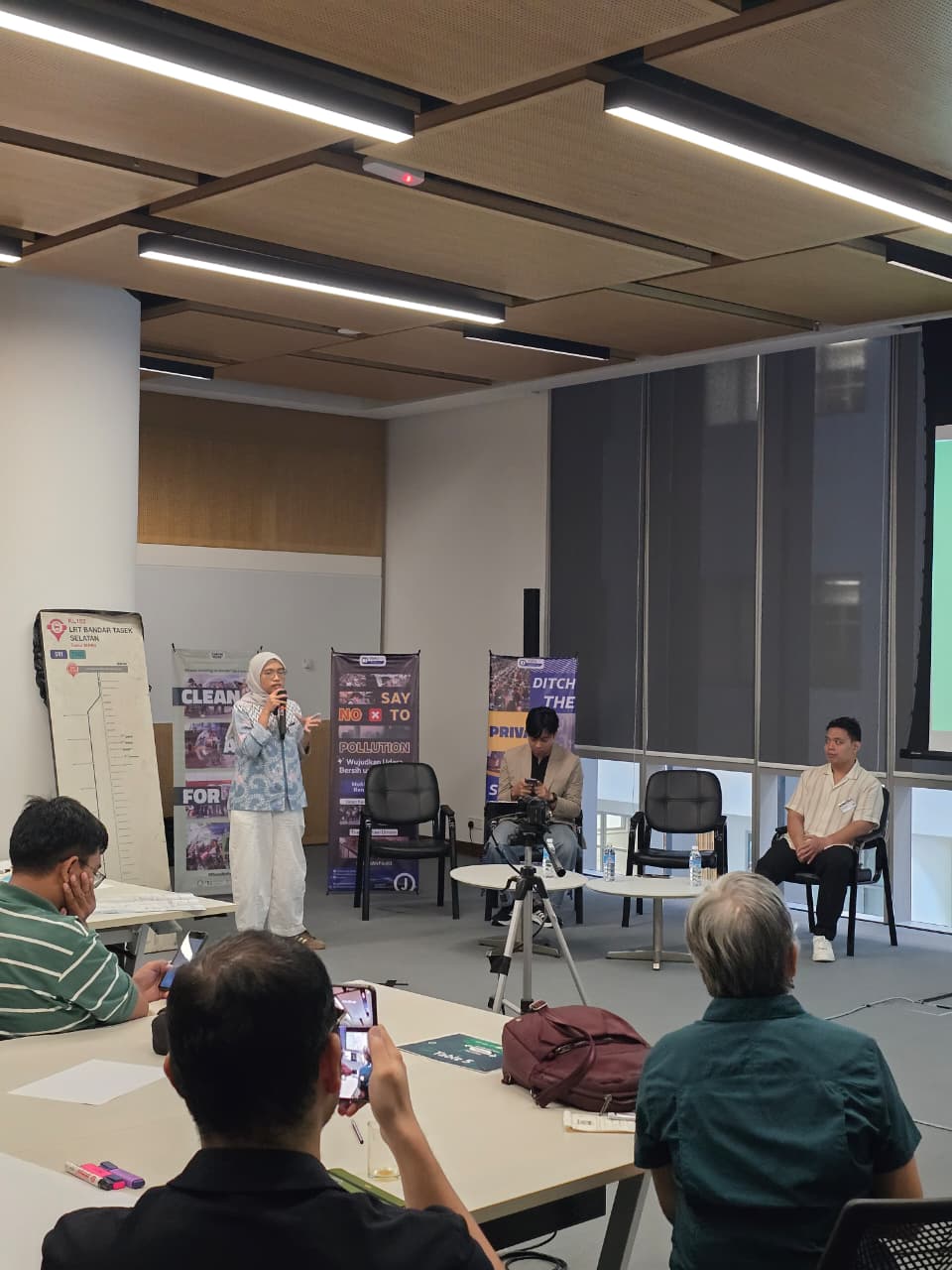
Ayi Rachydni Safira, Urban and Visual Design Associate at ITDP Indonesia and a member of the team that developed the Jakarta Wayfinding Guideline alongside Transport for Jakarta (FDTJ) and the Directorate of Research and Community Engagement (DRPM) at Universitas Indonesia (UI), shared Jakarta’s experience in developing an inclusive wayfinding system for public transport. Supported by UK PACT and the PUTI Q2 grant, the initiative not only transformed Transjakarta bus stops into more accessible and inclusive spaces but also informed the adoption of the Jakarta Wayfinding Guideline through Governor Regulation No. 31 of 2022.
During her presentation, Ayi outlined the project’s development process—from engaging accessibility experts from Gerakan Aksesibilitas Umum Nasional (GAUN) and the Jakarta chapter of the Indonesian Blind Association (PERTUNI) in the co-design process, to conducting baseline assessments and piloting inclusive wayfinding interventions (in Indonesian). The presentation highlighted how participatory design and close collaboration with persons with disabilities helped shape a more user-centered wayfinding system while laying the foundation for long-term policy adoption.
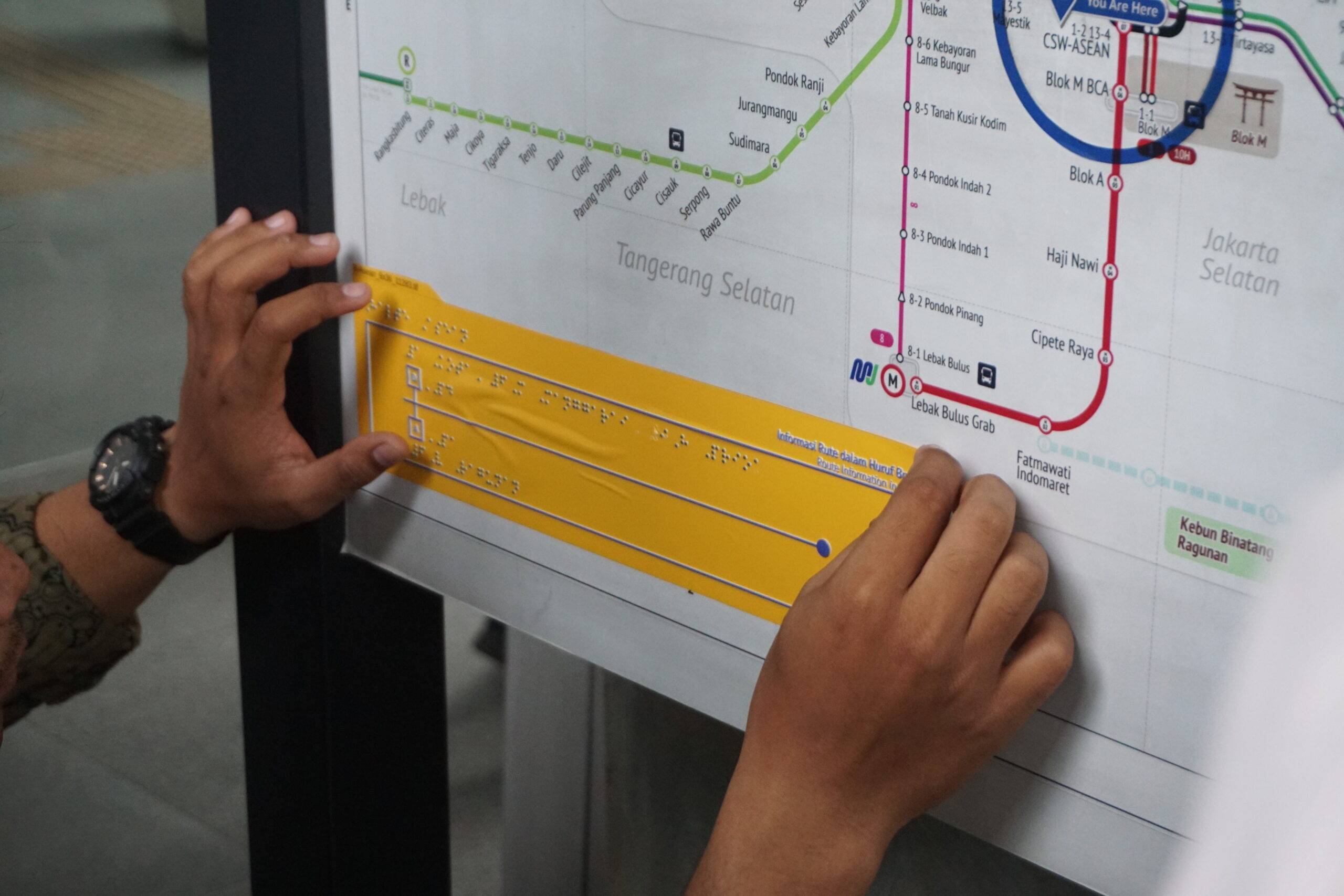
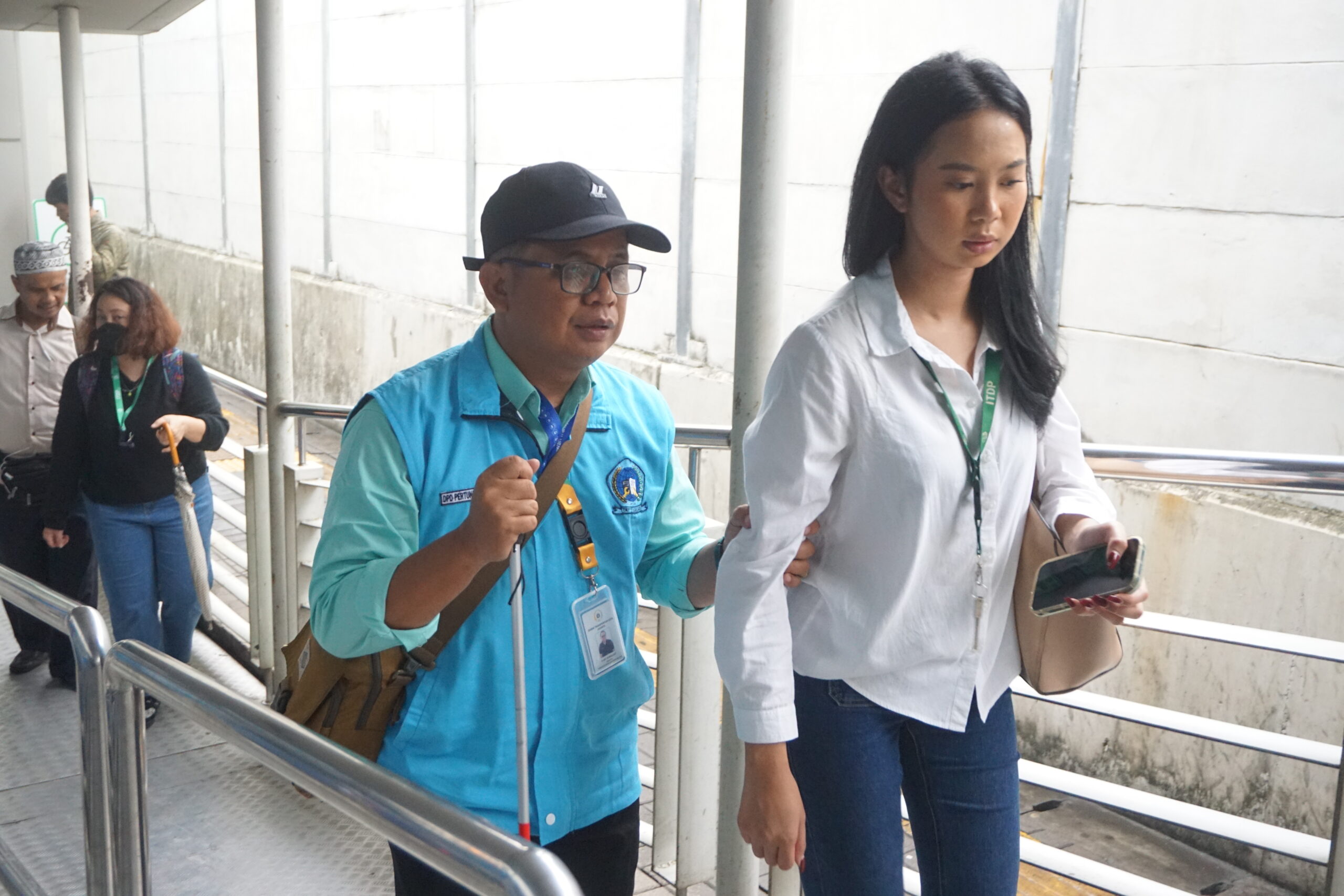
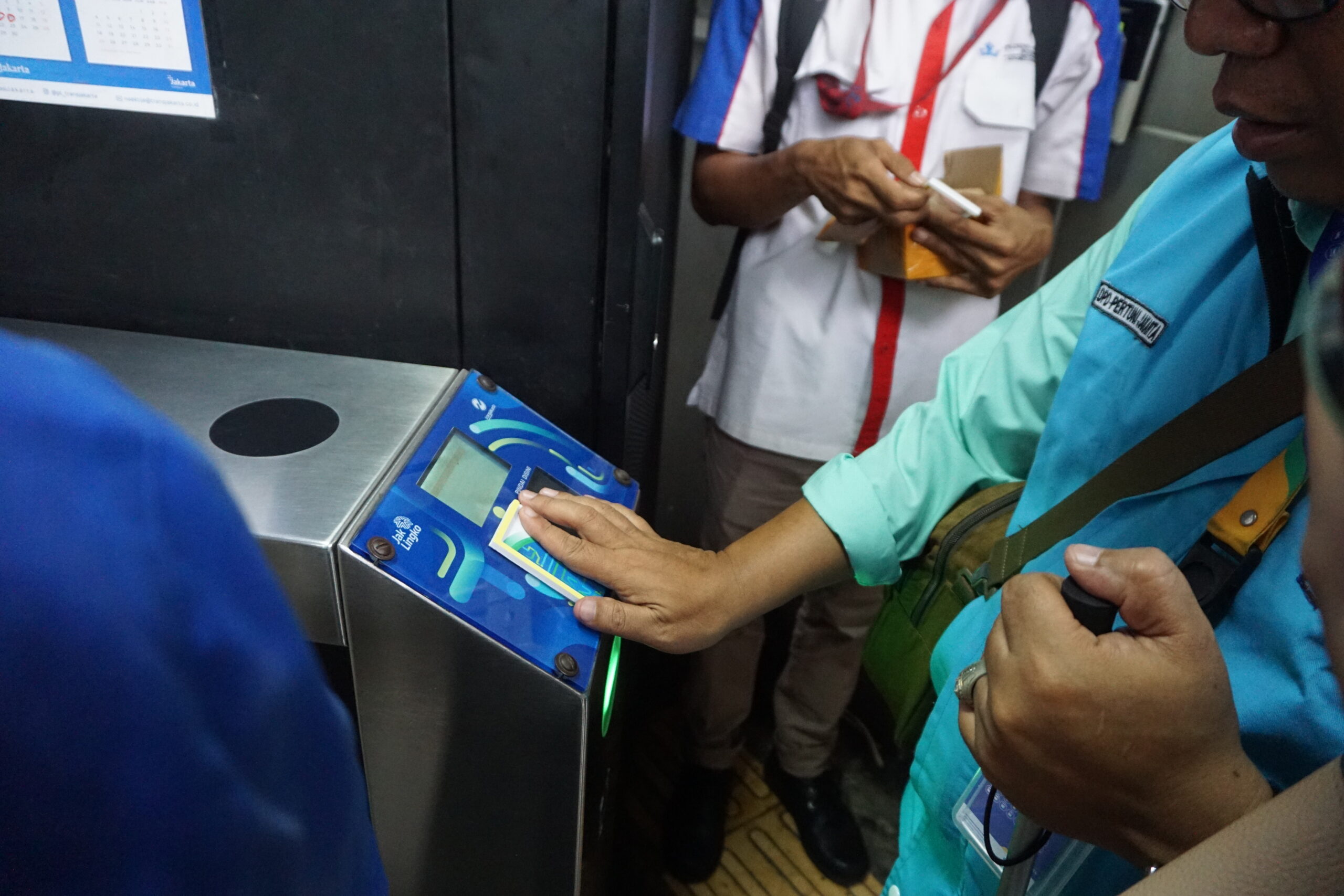
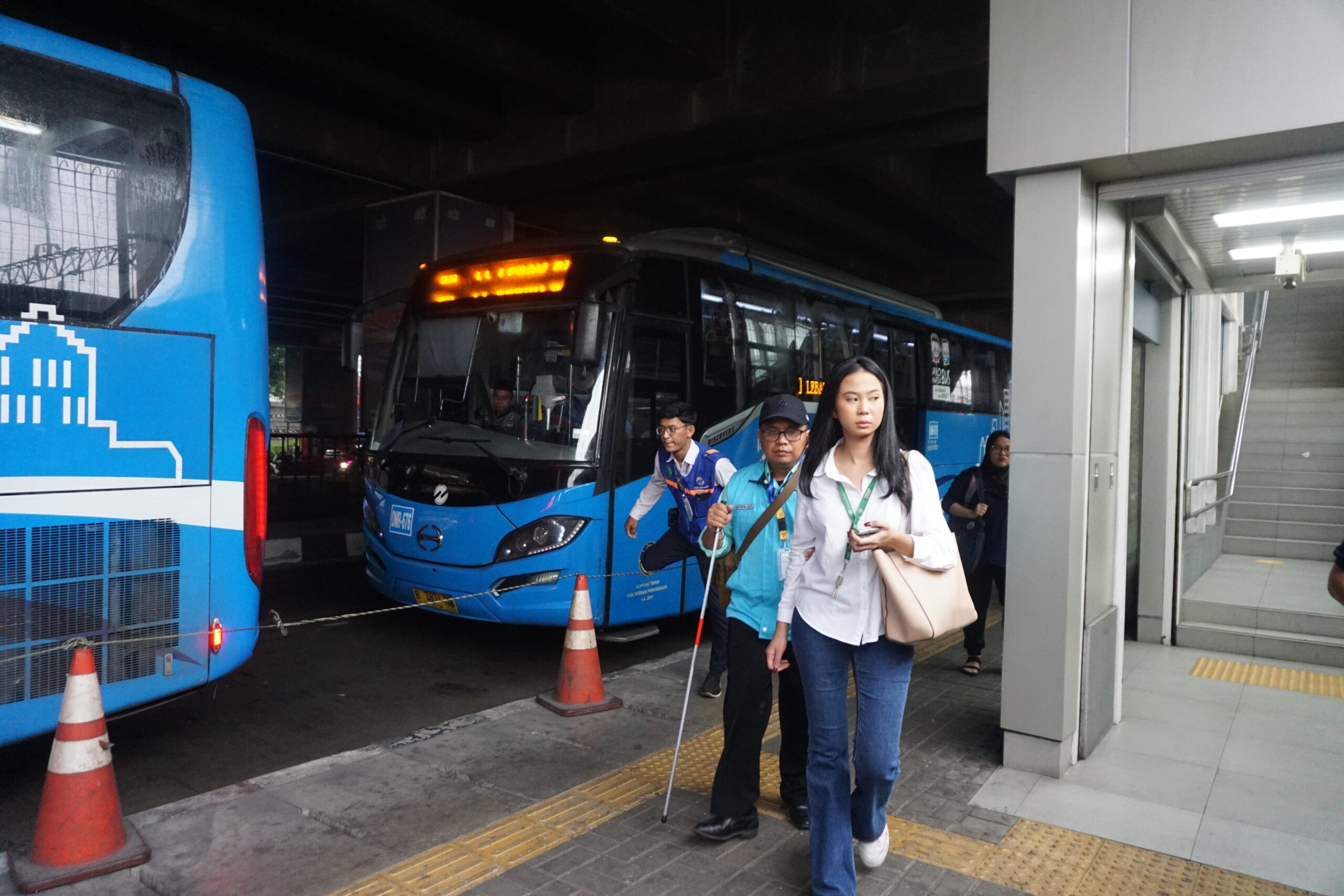
Lebak Bulus was selected as the pilot site due to its role as one of Jakarta’s largest transit hubs, serving a high volume of passengers, including persons with disabilities and other priority user groups. The study recommended a series of accessibility improvements, including visual and audio information at platform entrances, tactile card-tapping areas, Braille signage on station gate handrails, and integrated visual and Braille information at Mikrotrans and low-floor bus stops.
The pilot demonstrated how inclusive design can be shaped through meaningful participation with persons with disabilities and other users with diverse accessibility needs. Beyond informing station improvements, the initiative also highlighted the importance of embedding inclusive urban design into public policy. Its recommendations were ultimately institutionalized through Governor Regulation No. 31 of 2022, ensuring that inclusive wayfinding became a permanent component of Jakarta’s public transport system rather than a standalone pilot project.
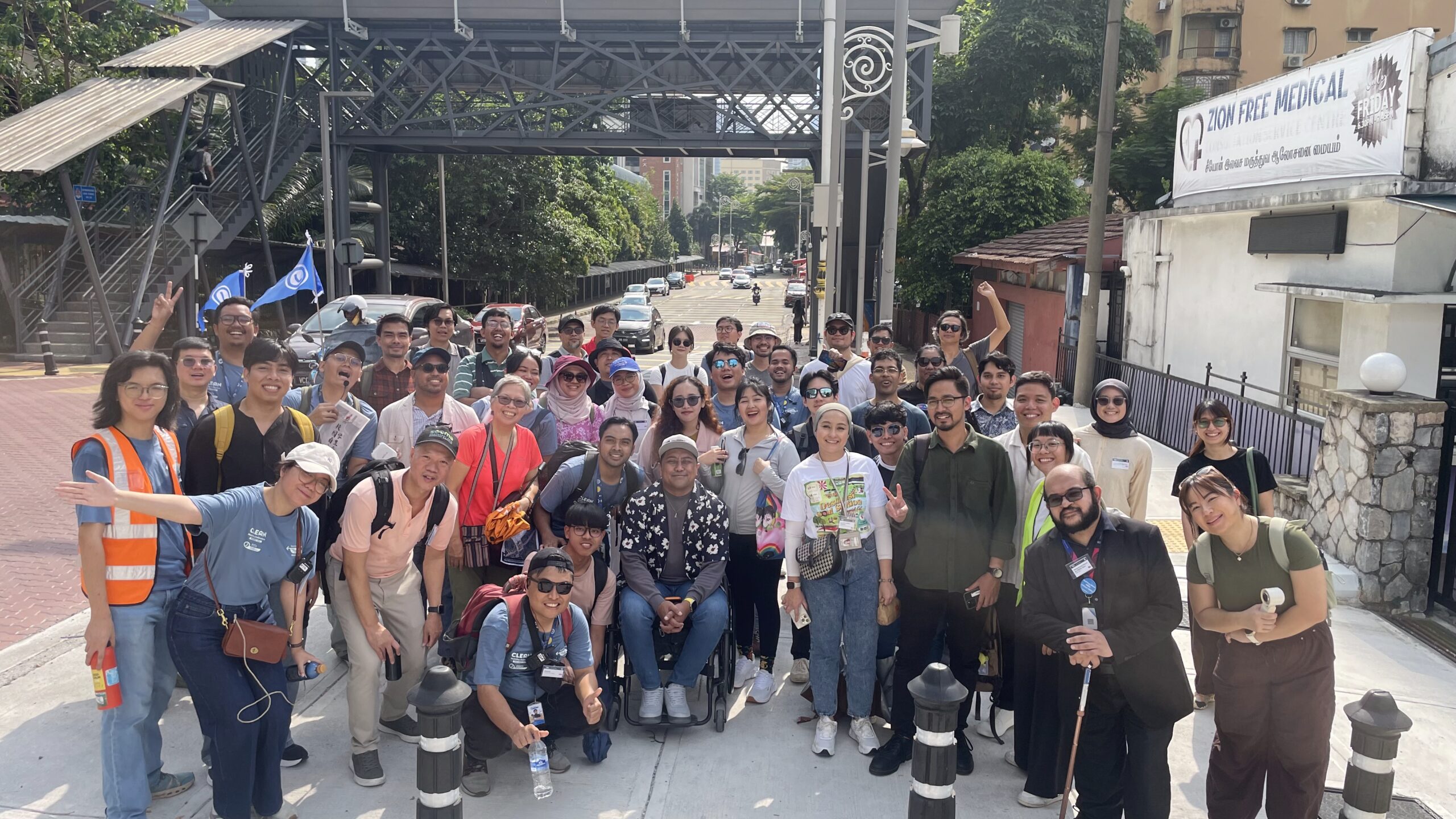
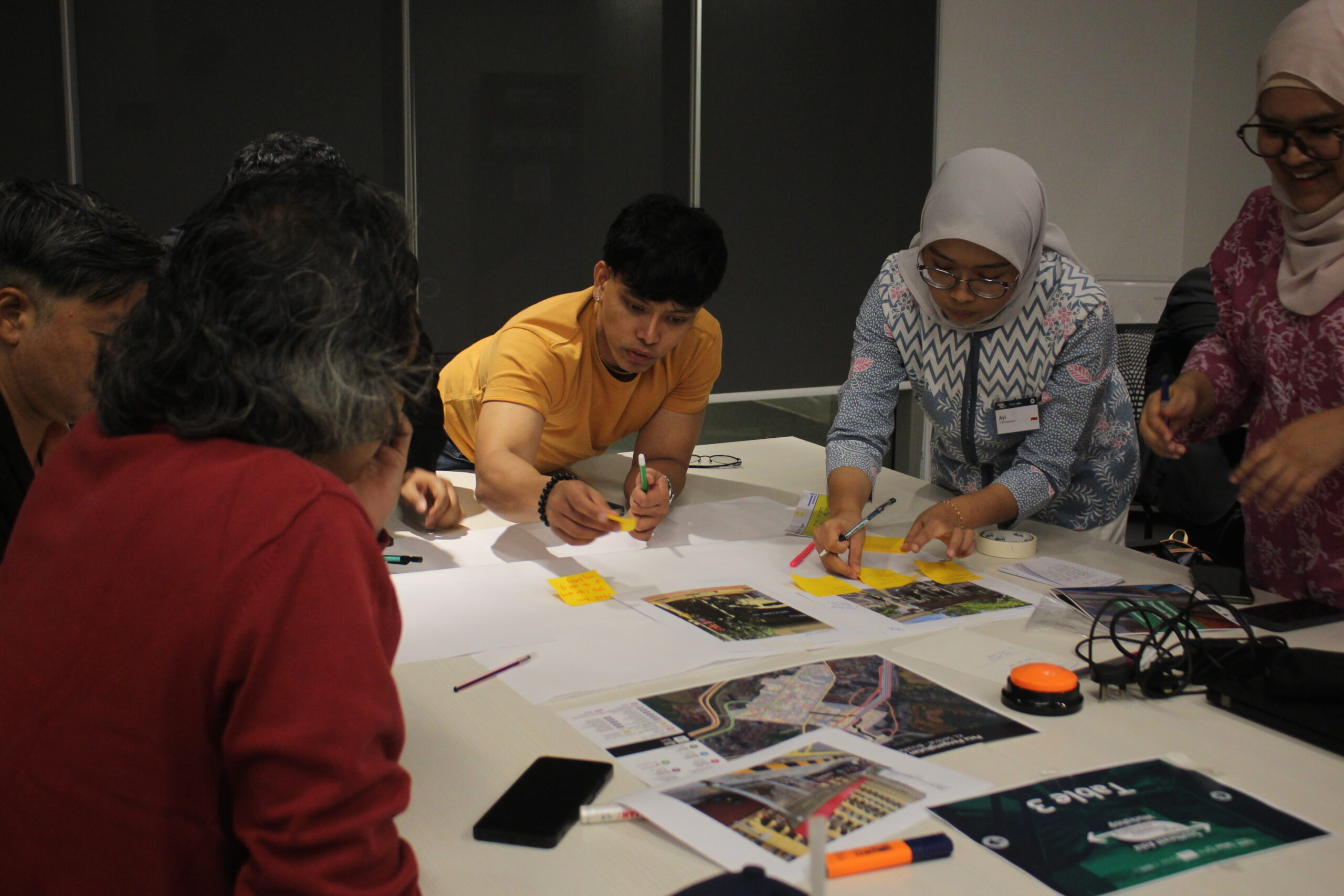

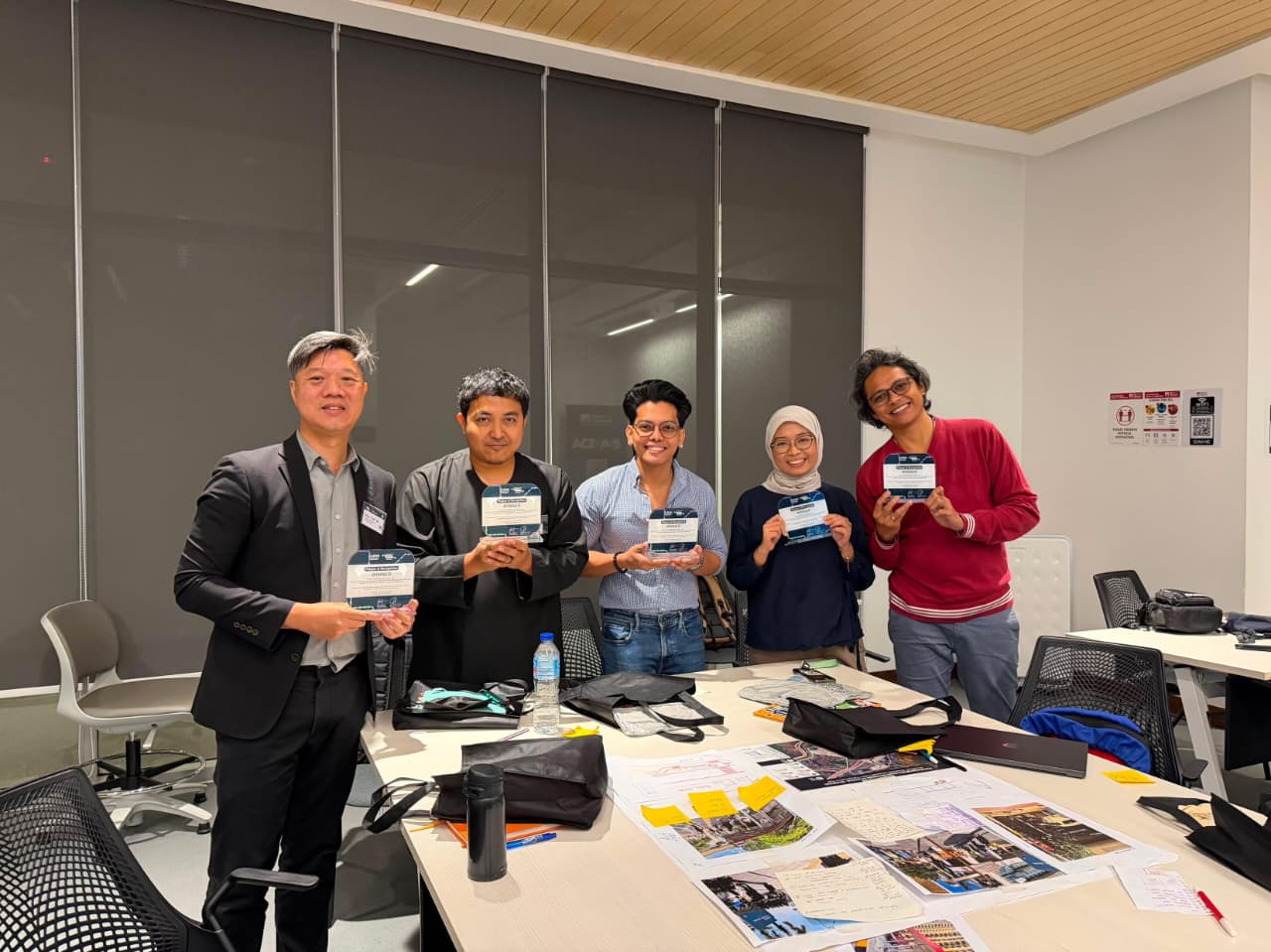
The workshop culminated in the Wayfinding Ideation Challenge, where participants assessed accessibility and navigation barriers in Brickfields, Kuala Lumpur. Working in multidisciplinary teams, they developed practical recommendations to improve the area’s accessibility and wayfinding through collaborative design.
Representing ITDP Indonesia, Ayi Rachydni Safira joined the winning team, whose proposal emphasized the importance of integrating wayfinding with improvements to the surrounding public realm. The proposal recommended implementing road diets, safer pedestrian crossings, and wider sidewalks to create an environment where inclusive wayfinding could function effectively. Recognizing Brickfields’ proximity to organizations serving persons with visual impairments, the team also proposed integrating accessible wayfinding features to support independent mobility. In addition, the proposal called for enhancements to the existing wayfinding system by improving the completeness of information, legibility, and visual contrast.
The workshop concluded with participants endorsing the Southeast Asian Wayfinding and Accessibility Hub Consensus, reaffirming a shared commitment to advancing accessible mobility across the region. The consensus outlines three priorities: building a regional community of practice to exchange knowledge and experiences; promoting inclusive wayfinding through collaboration with diverse user groups and the adoption of human-centered design principles; and leveraging open data, research, and practical tools to support transparent, participatory, evidence-based decision-making across Southeast Asia.