November 13, 2026
Behind E-Bus Hub: Helping Cities Begin Their Journey Towards Electric Buses
By Rifqi Khoirul Anam, Transport Associate ITDP Indonesia
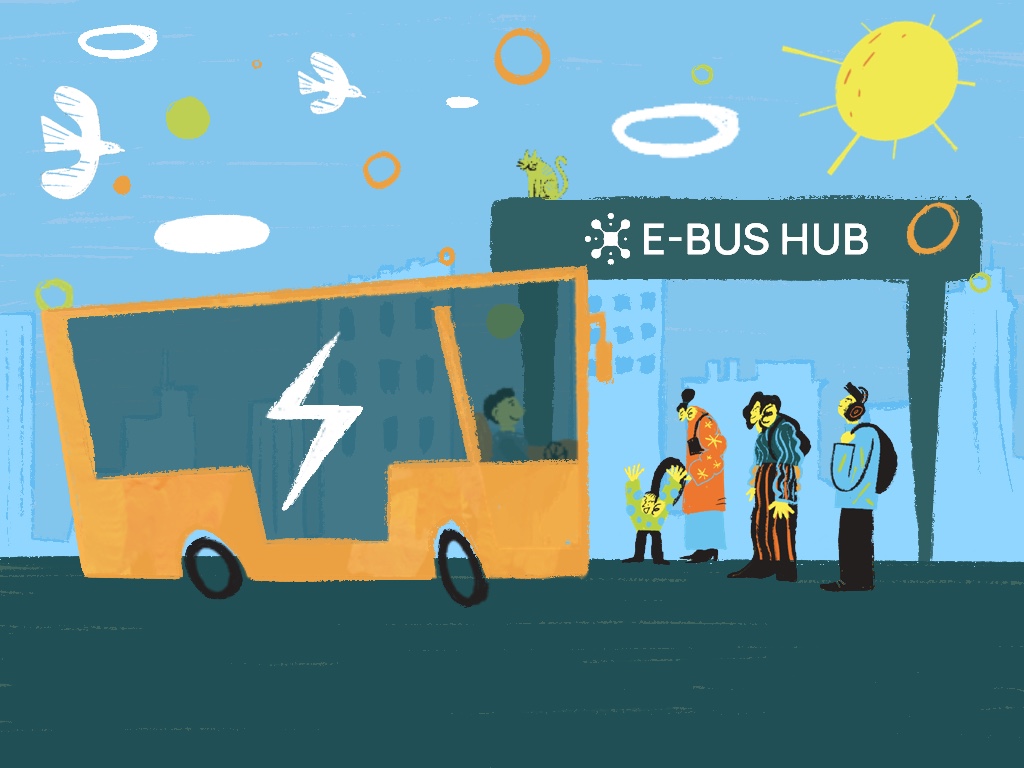 Illustration by Danu Fitra Nugraha (Ilustrator @fetradanu) and Zachra Mochammad (Design Consultant, ITDP Indonesia)
Electric buses are no longer seen only on the streets of Jakarta. More and more cities across Indonesia are taking steps toward electrifying public transport. But introducing electric buses involves more than simply replacing vehicles. Every city has different levels of readiness and faces different challenges in planning its transition. E-Bus Hub was developed in response to these needs, helping local governments plan bus electrification in ways that reflect their cities’ circumstances and priorities.
How many buses need to be replaced or purchased? How much funding is required? Where should charging facilities be located? And how can electric buses continue operating reliably every day? Questions like these have consistently arisen as ITDP Indonesia has conducted studies and supported bus electrification planning in various cities since 2024. They may sound simple, but they present major challenges, particularly for cities that do not yet have an established urban public transport system.
Over the past several years, ITDP Indonesia has worked to address these questions by supporting the national government and several local governments in developing bus electrification plans. Throughout this process, we have seen that each city has its own needs and challenges.
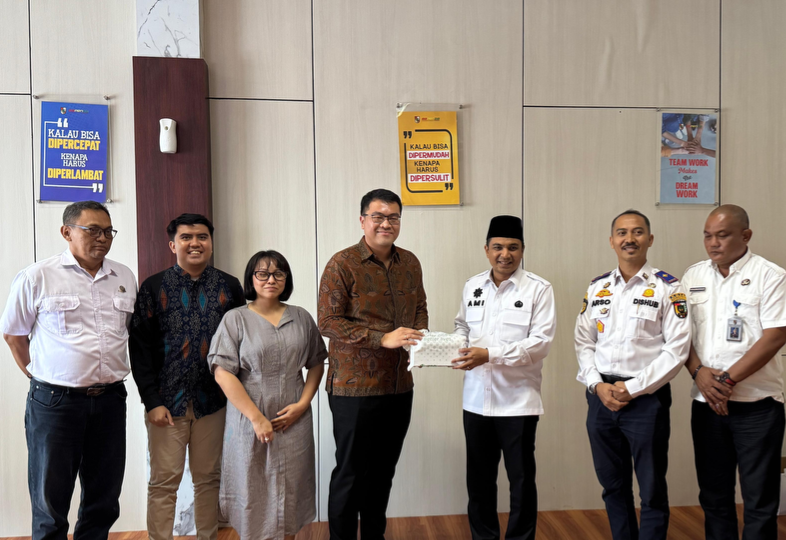
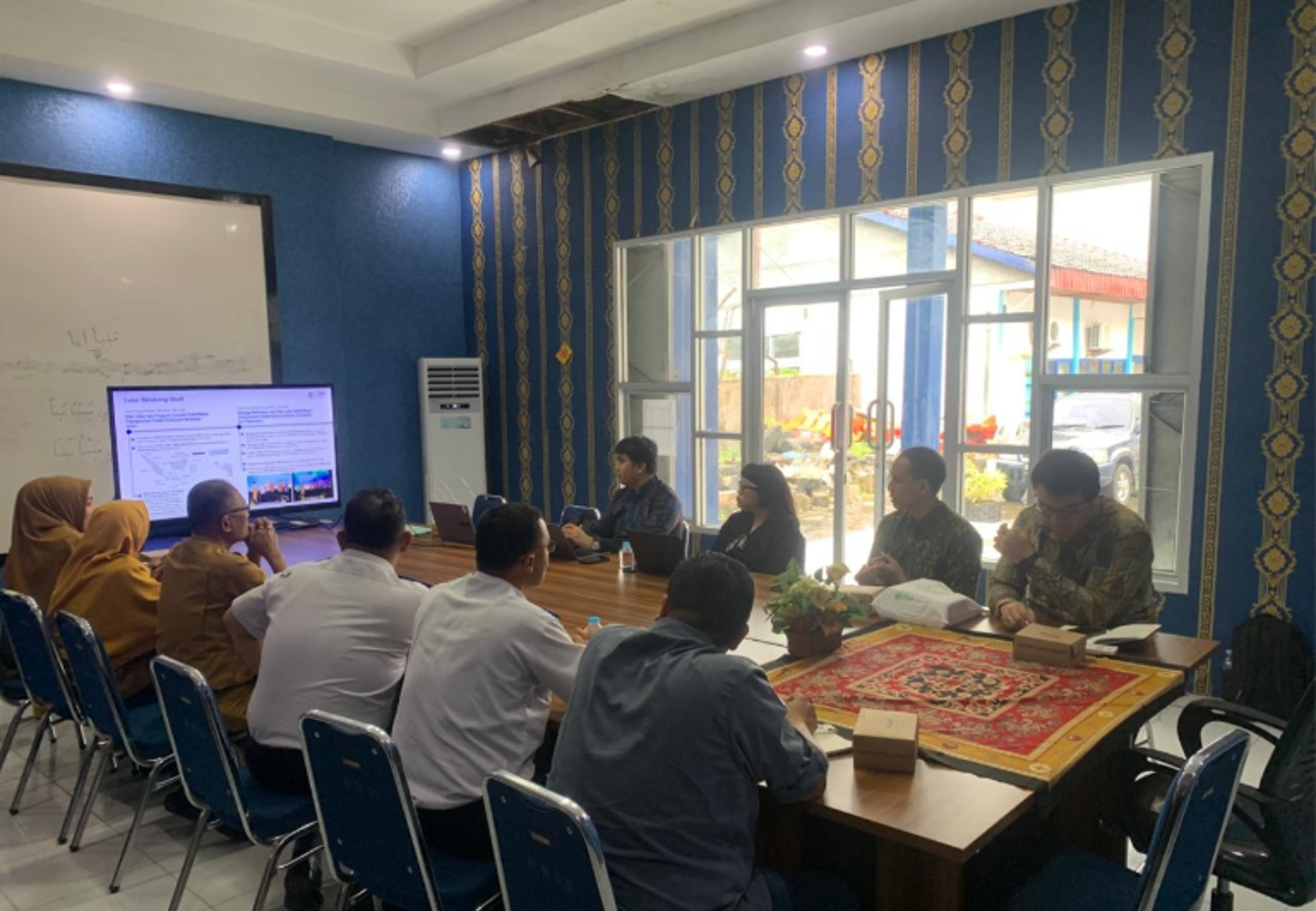
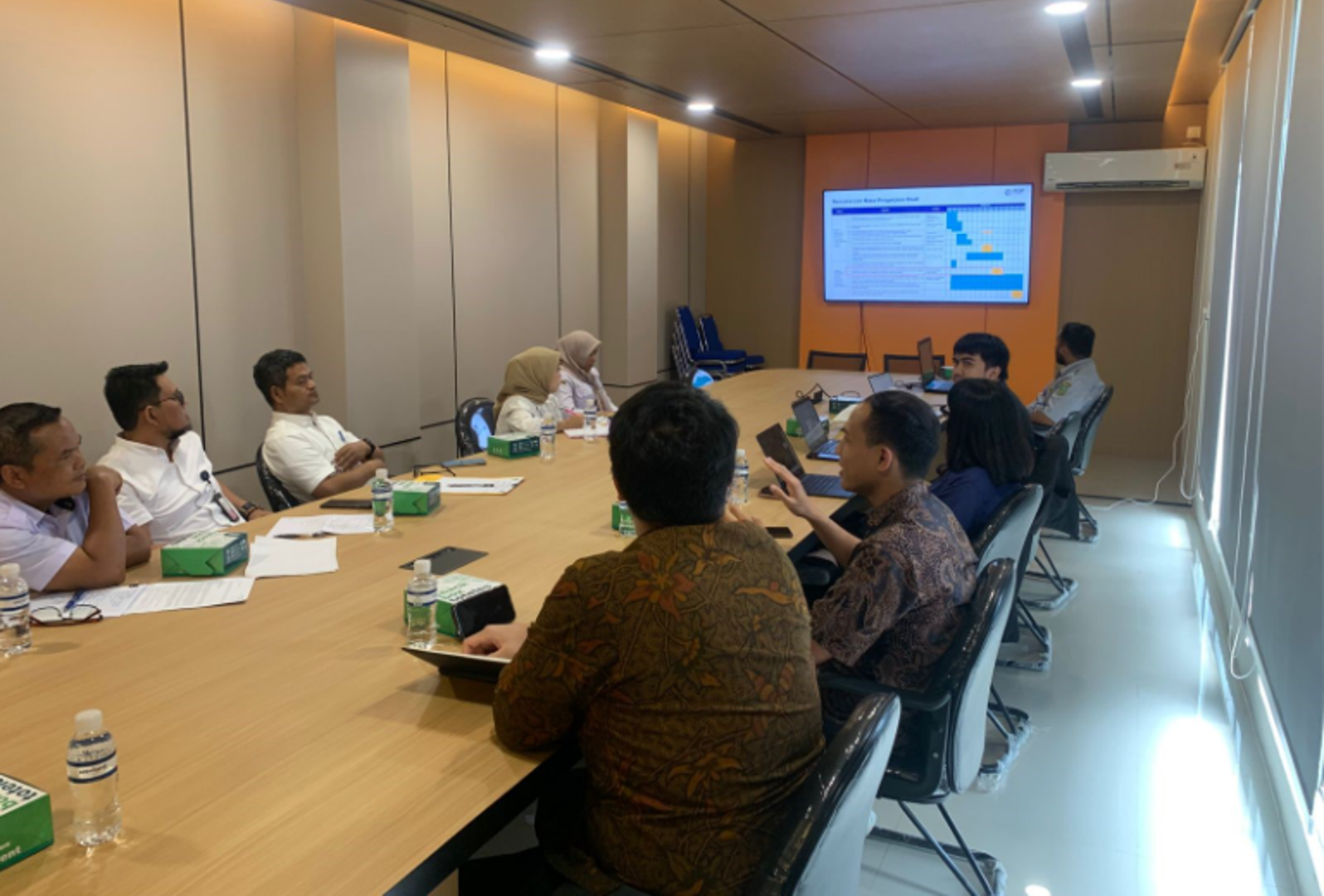
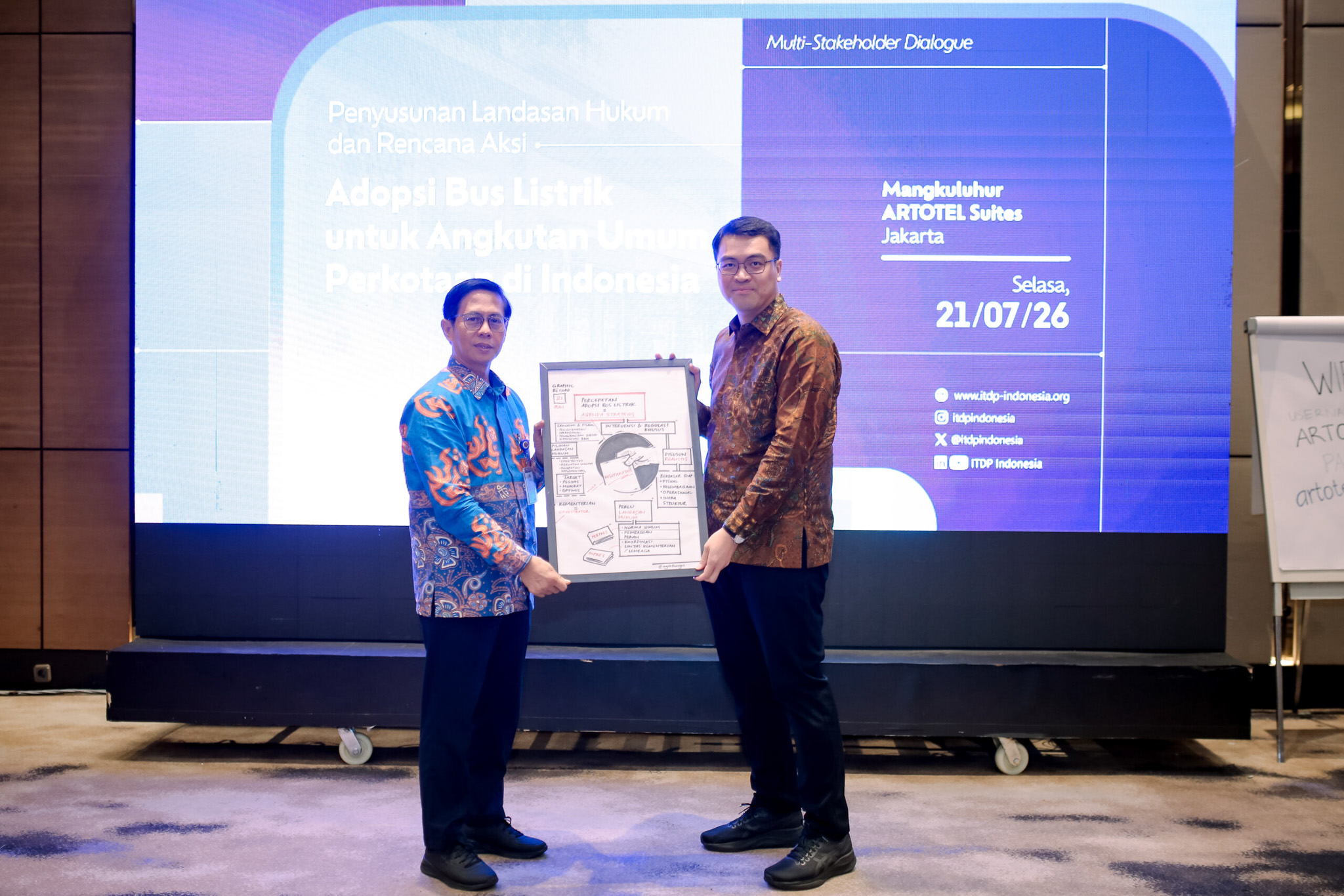
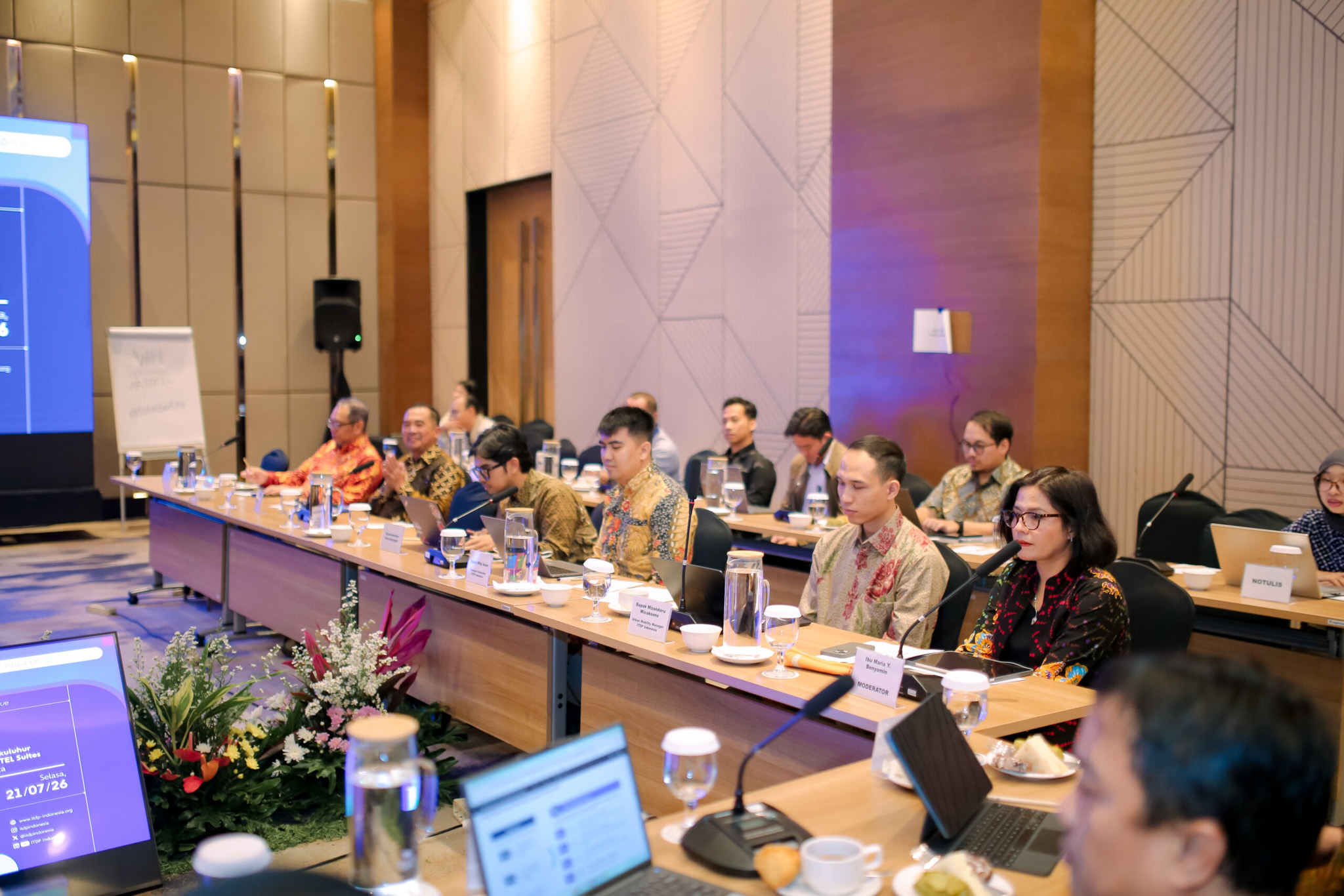
Although cities have shown strong enthusiasm for electric buses through a series of trials, much of the work required happens behind the scenes: understanding operational needs, calculating costs, assessing different scenarios, and ensuring that plans can actually be implemented.
Ultimately, the success of bus electrification is determined not only by how many electric buses are purchased, but also by how well they can serve communities over the long term.
Every City Has a Different Story
One lesson from our work with cities is that there is no single approach to electrification that can simply be applied everywhere.
At a capacity-building workshop on electric bus planning organized by ITDP Indonesia on 11–12 August 2026, local government representatives shared their experiences and the challenges they face.
In Yogyakarta, for example, investment in charging infrastructure, electricity tariffs, and local budget constraints are among the key considerations in developing electric bus services. Medan, meanwhile, faces a different set of circumstances. Growing passenger numbers each quarter reflect strong public interest in electric buses, but this growth must also be matched by the institutional capacity needed to manage the service.
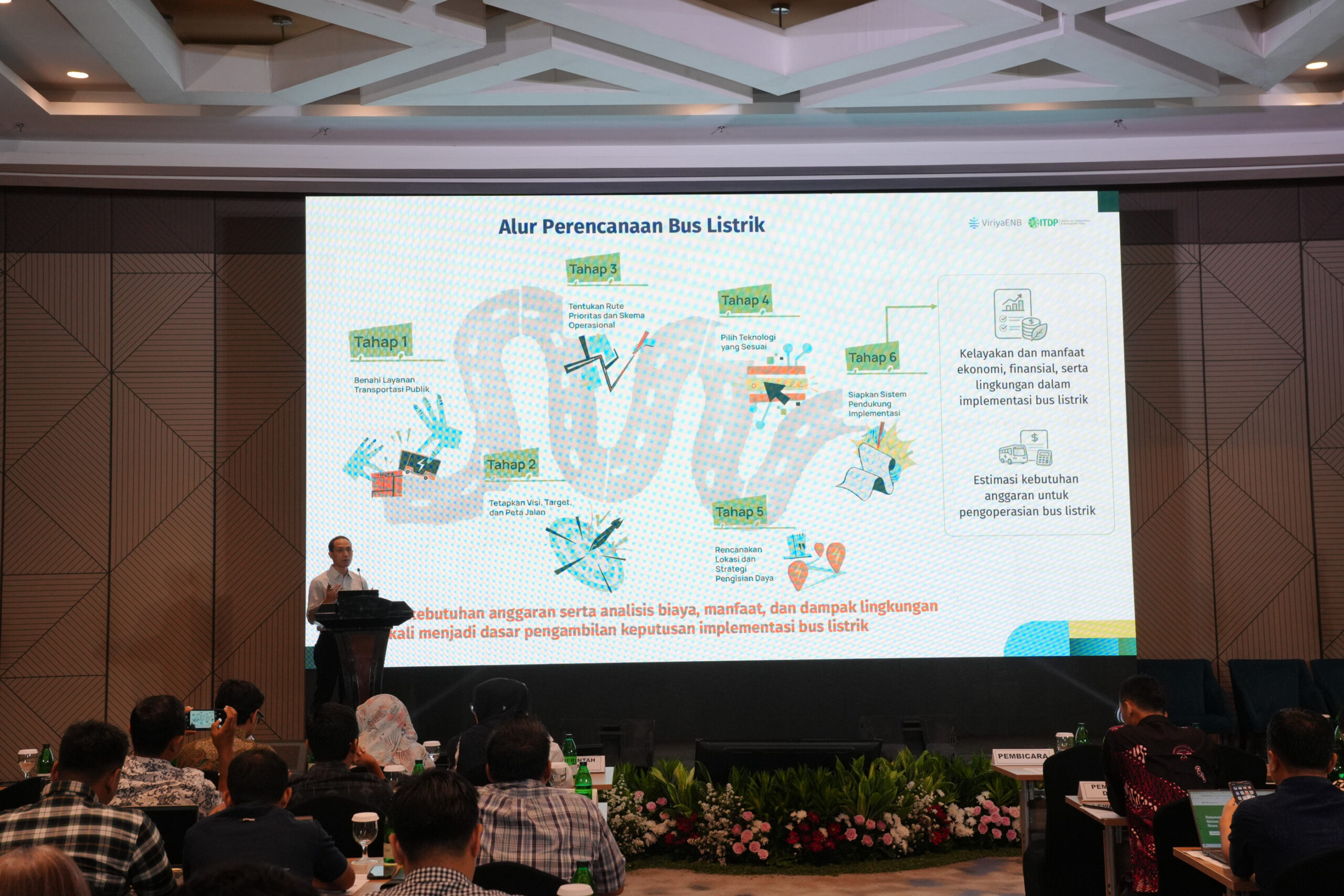
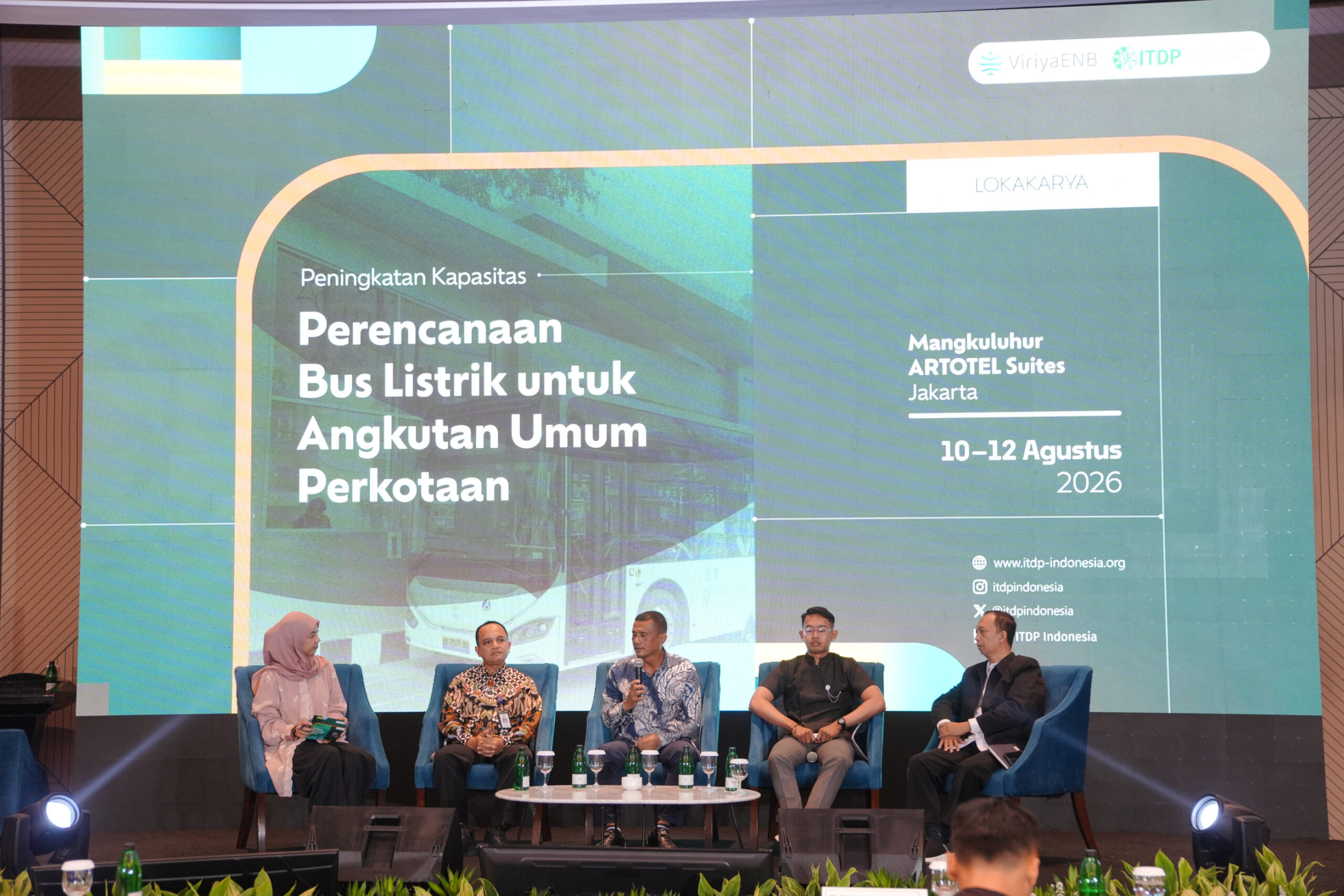
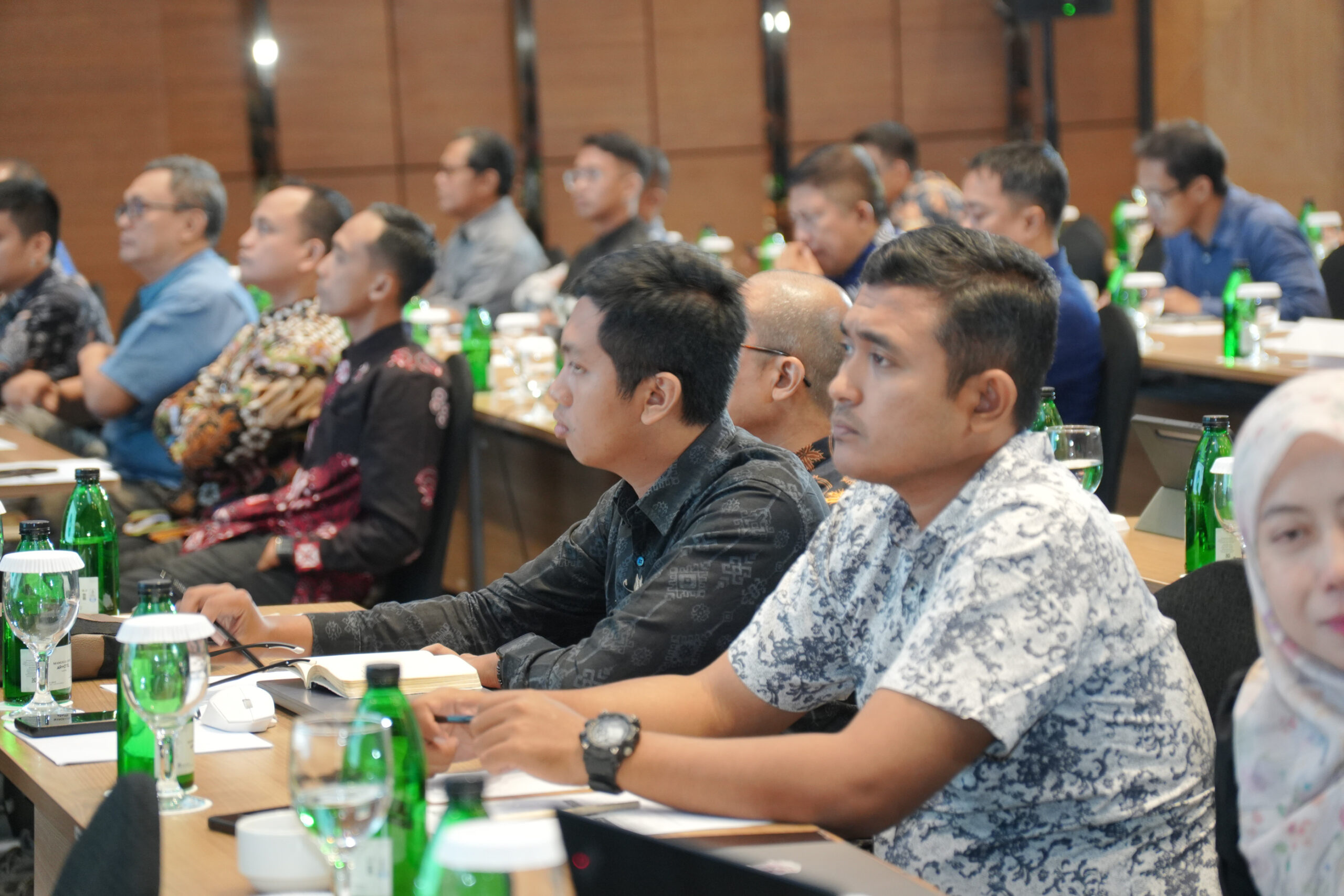
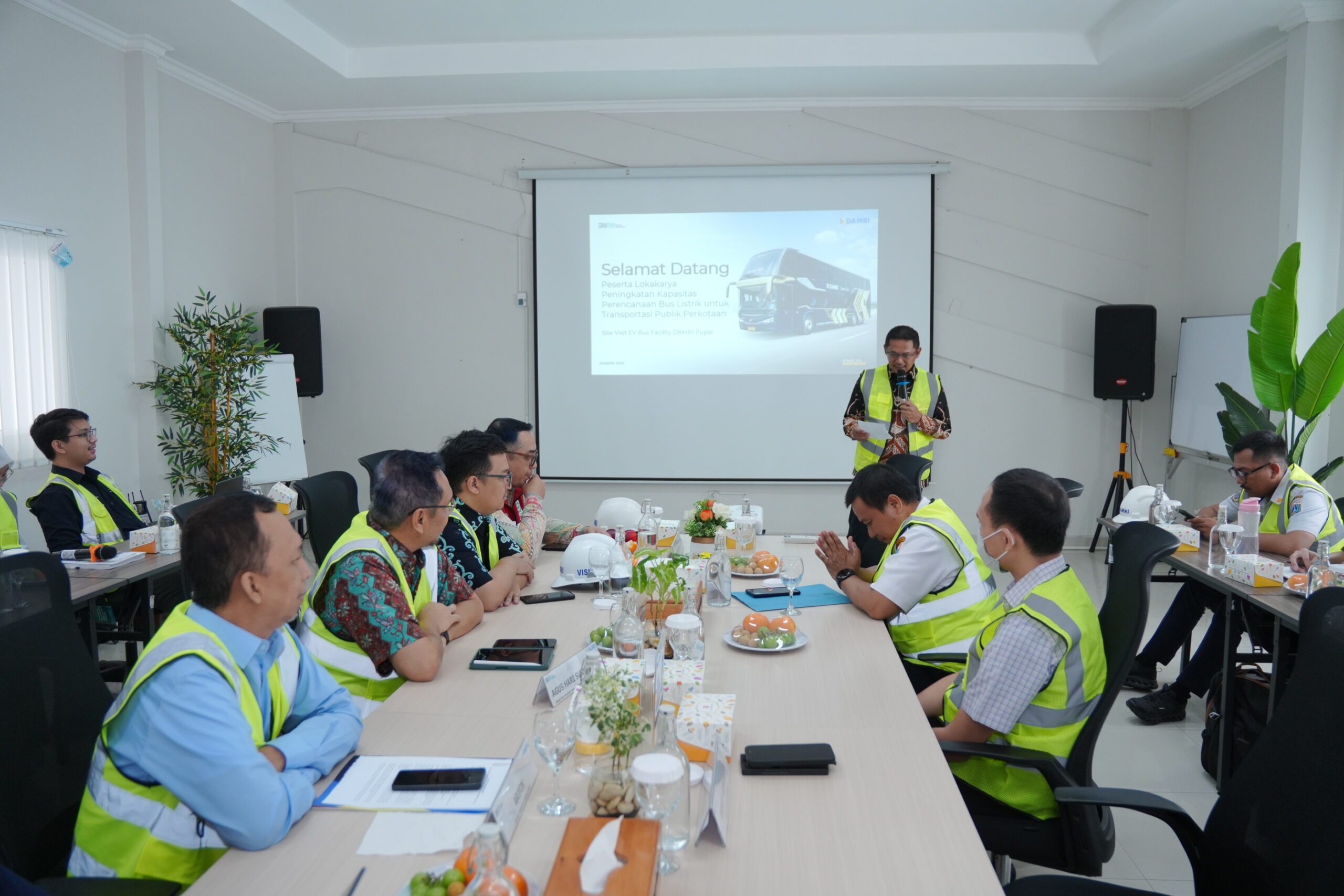
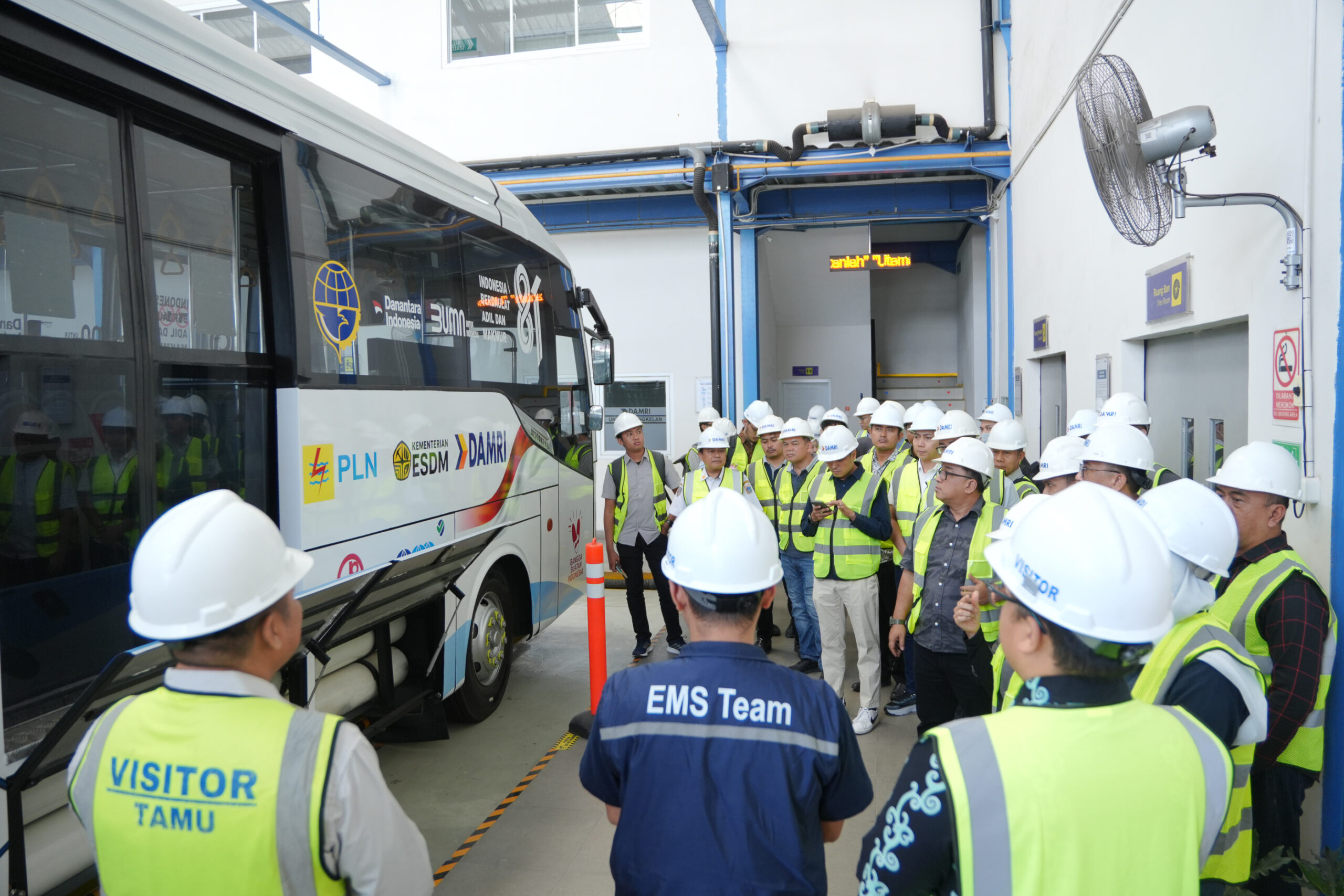
These two experiences show that the transition to electric buses is not simply a matter of technological readiness. It also involves financing, institutional capacity, operational planning, and long-term service sustainability.
For local governments, the decision to introduce electric buses carries long-term implications. Vehicle types, charging requirements, and operating patterns must all be aligned with the characteristics of the service and the capacity of each city.
Inaccurate assumptions or assessments of needs at the outset can affect costs and operational sustainability down the line. Conversely, careful planning can help cities use their resources more effectively.
Experiences like these continually remind us that promoting electrification requires more than demonstrating the benefits of electric buses. Cities also need support in understanding how those benefits can be realized within their own circumstances.
Turning Data into Planning Decisions
Data and information are essential throughout the planning and decision-making process. A wealth of studies, technical guidelines, regulations, and lessons from electric bus implementation is already available.
However, having information available does not necessarily make it easy to use.
The information needed to plan electrification is often scattered across different documents and sources, making it difficult to connect the relevant pieces. Technical information also needs to be translated into more accessible, actionable insights.
For us, the challenge is not only to generate more knowledge about electric buses, but also to make existing knowledge easier to access, understand, and use for those who need it.
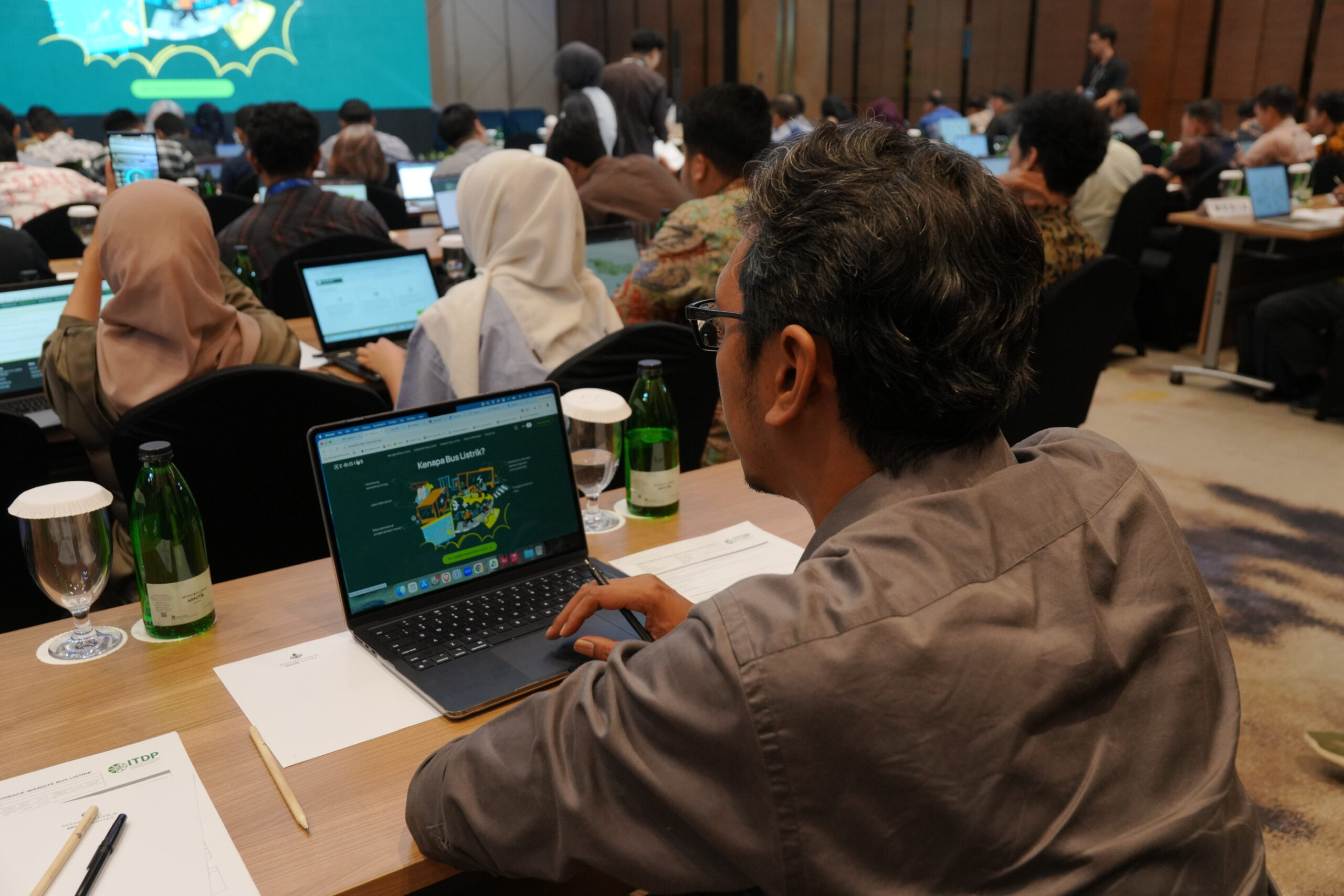
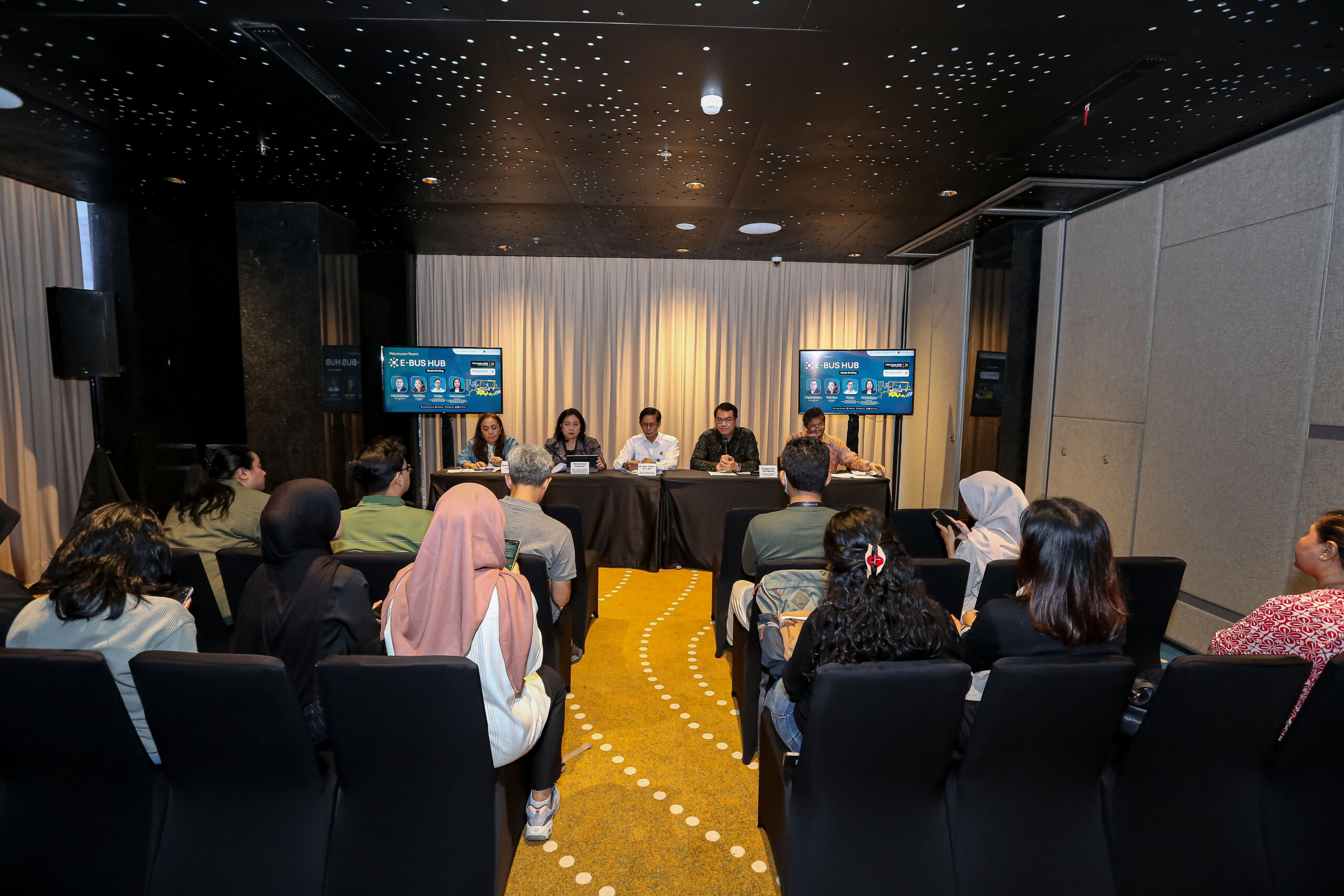
This need became one of the foundations for developing E-Bus Hub, a website developed by ITDP Indonesia in collaboration with the Ministry of Transportation, with support from ViriyaENB. It brings together two essential elements: knowledge gained from studies and implementation experience, and the practical needs of local governments planning the transition to electric buses.
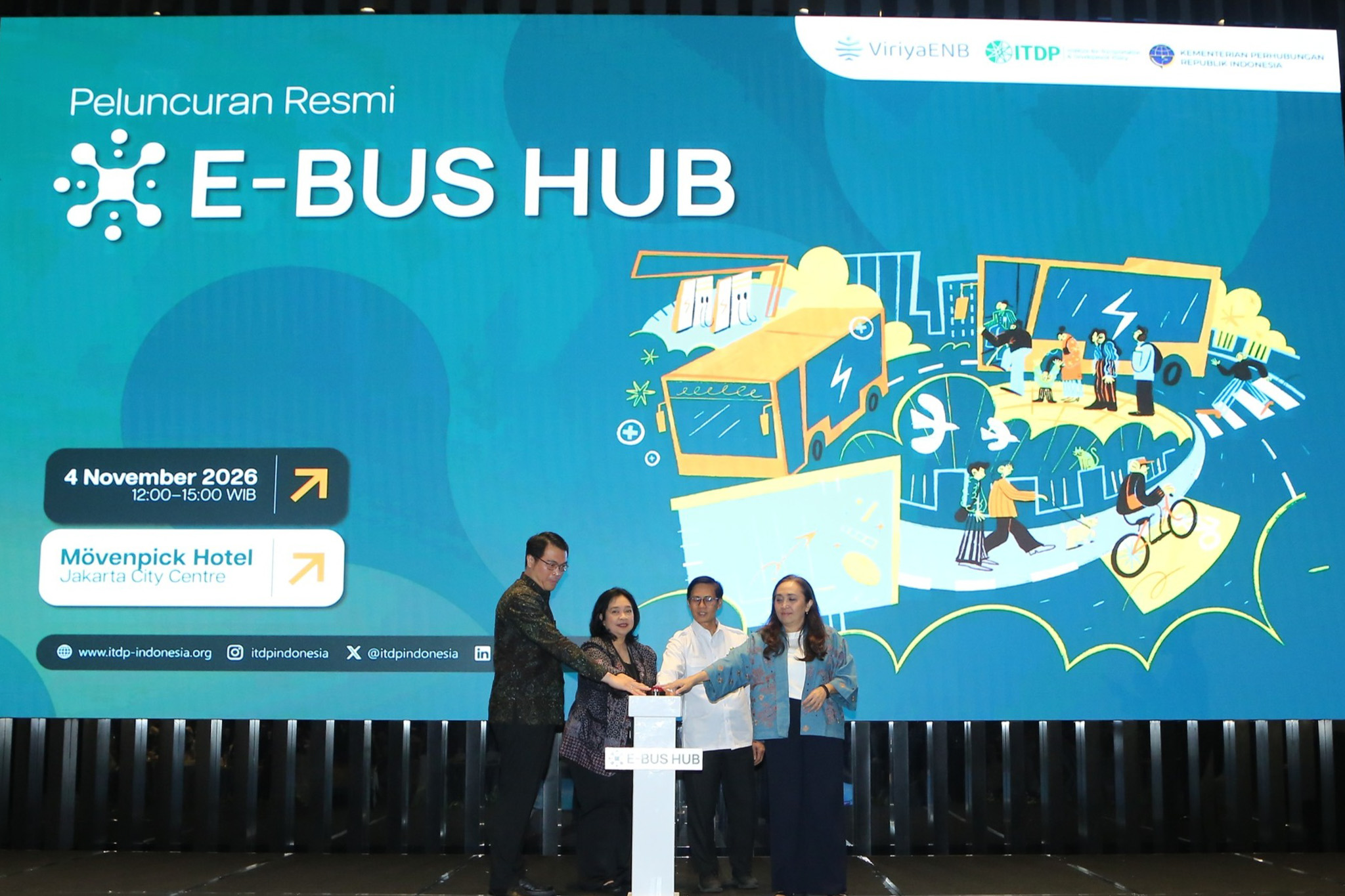
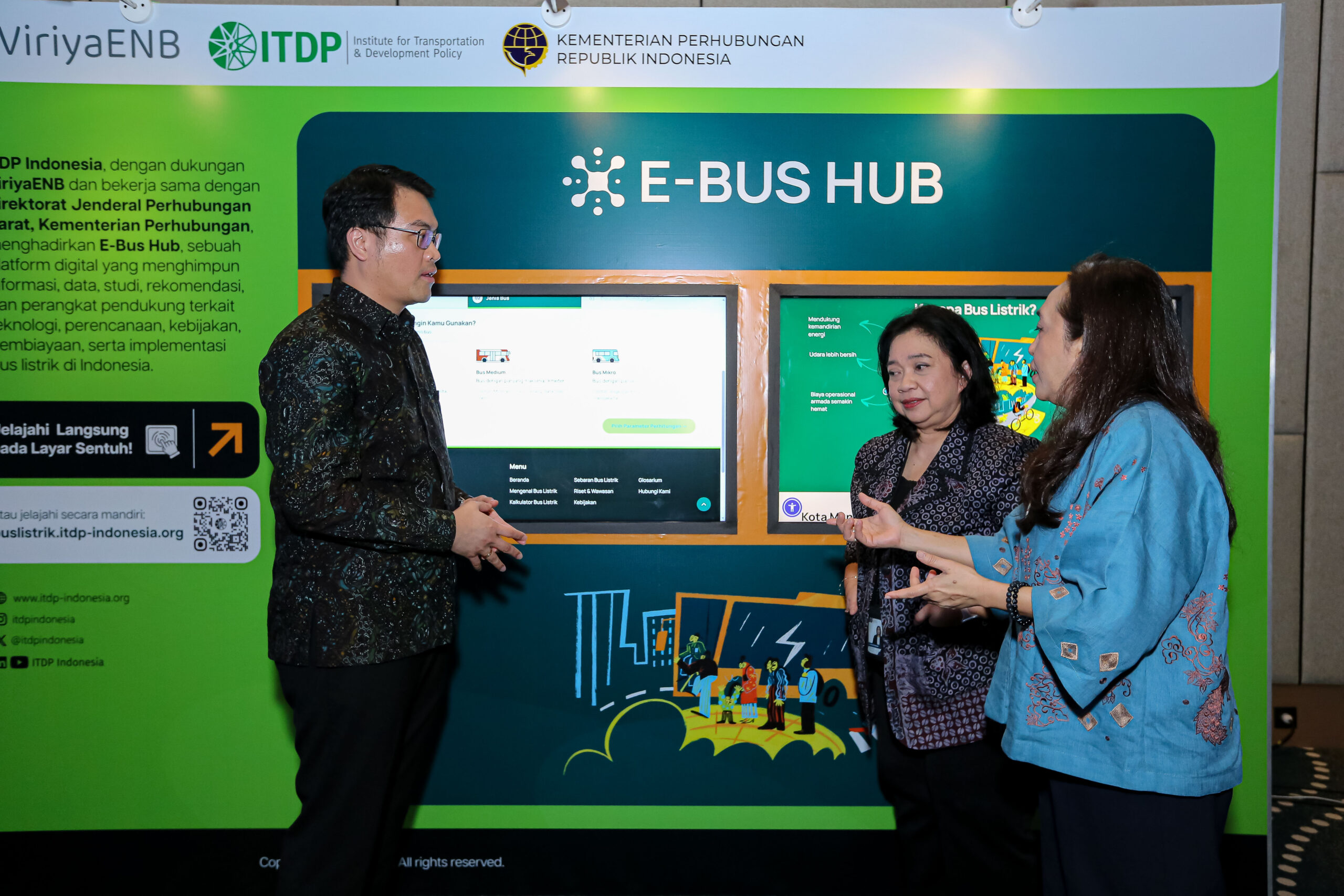
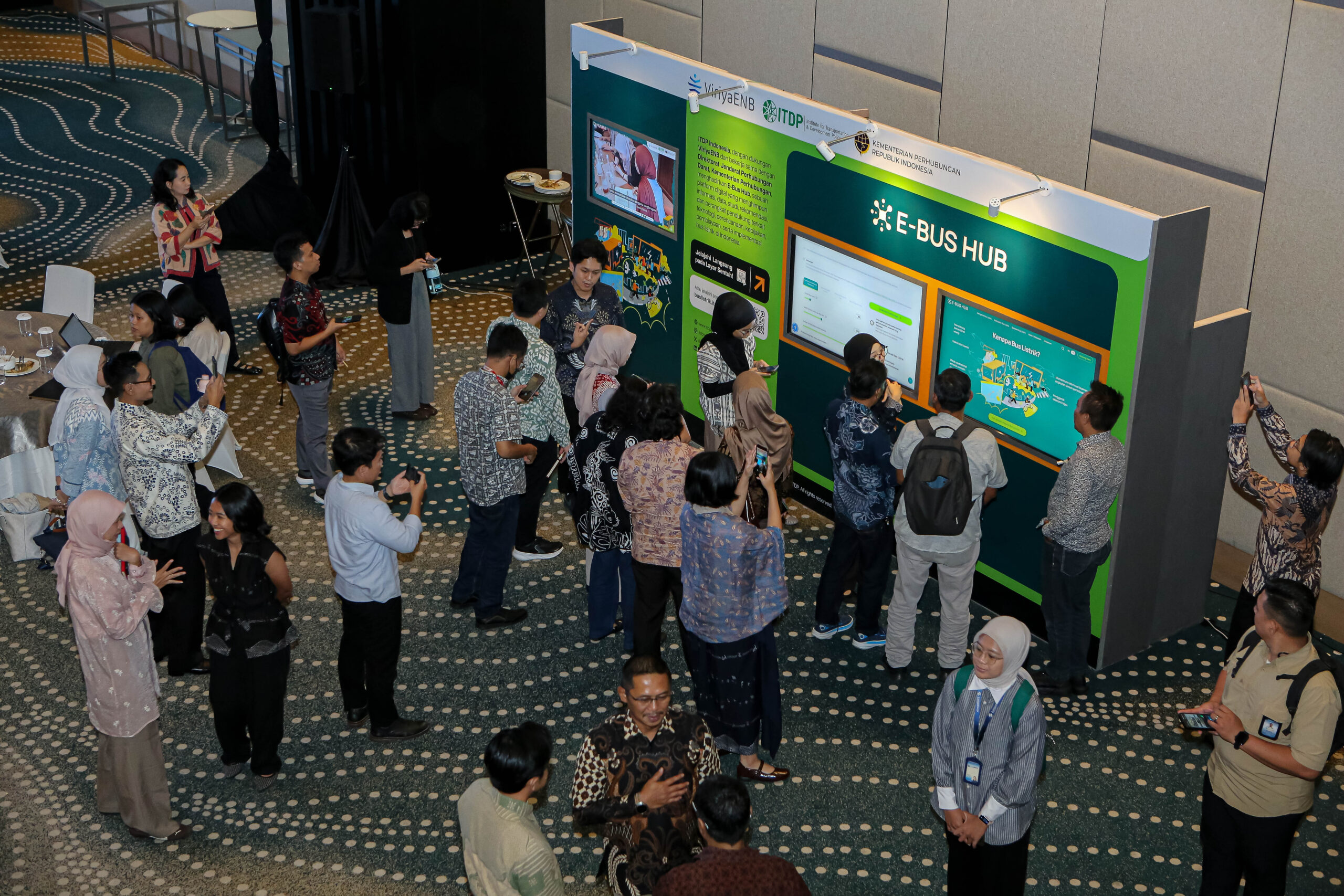
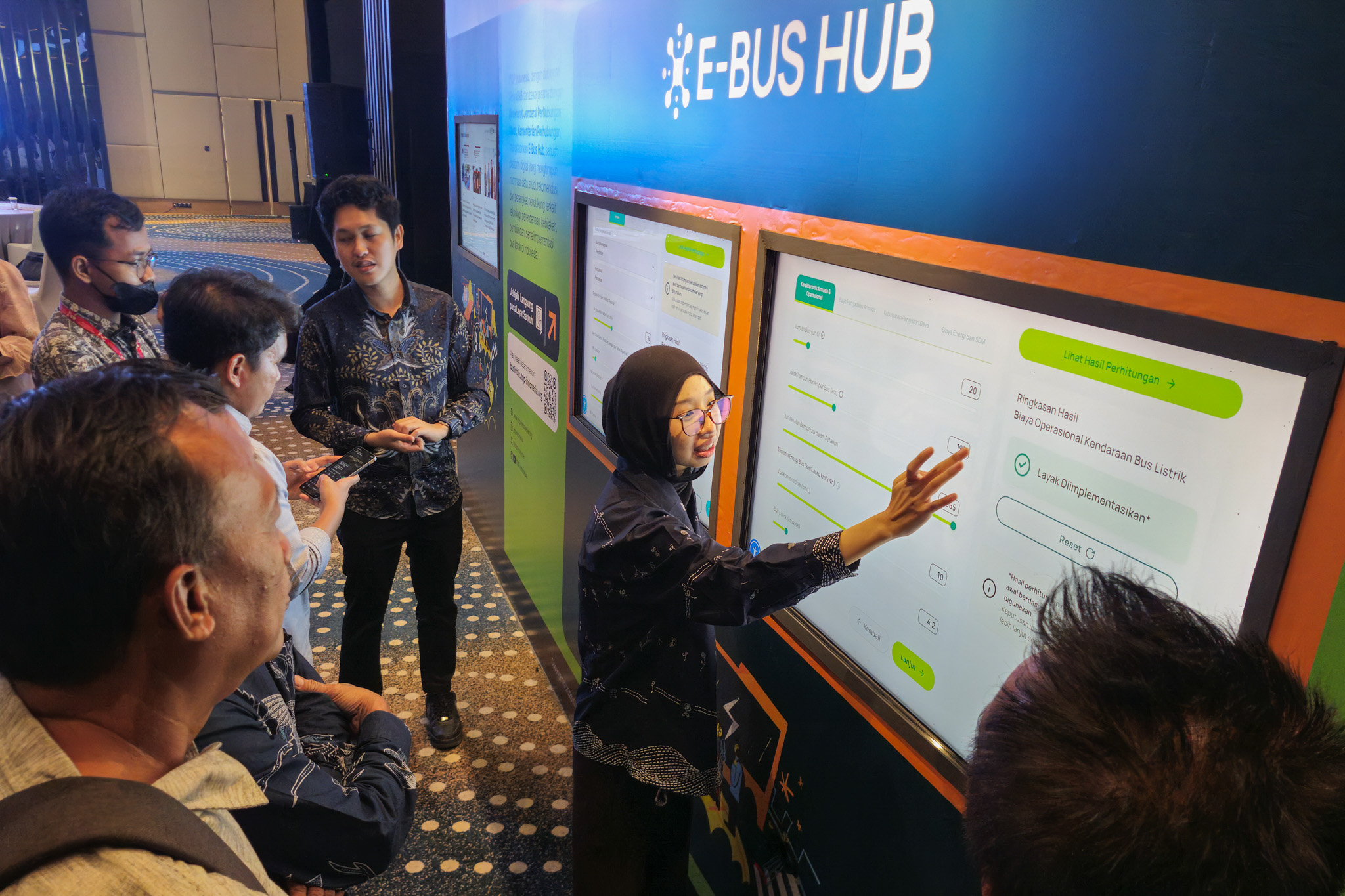
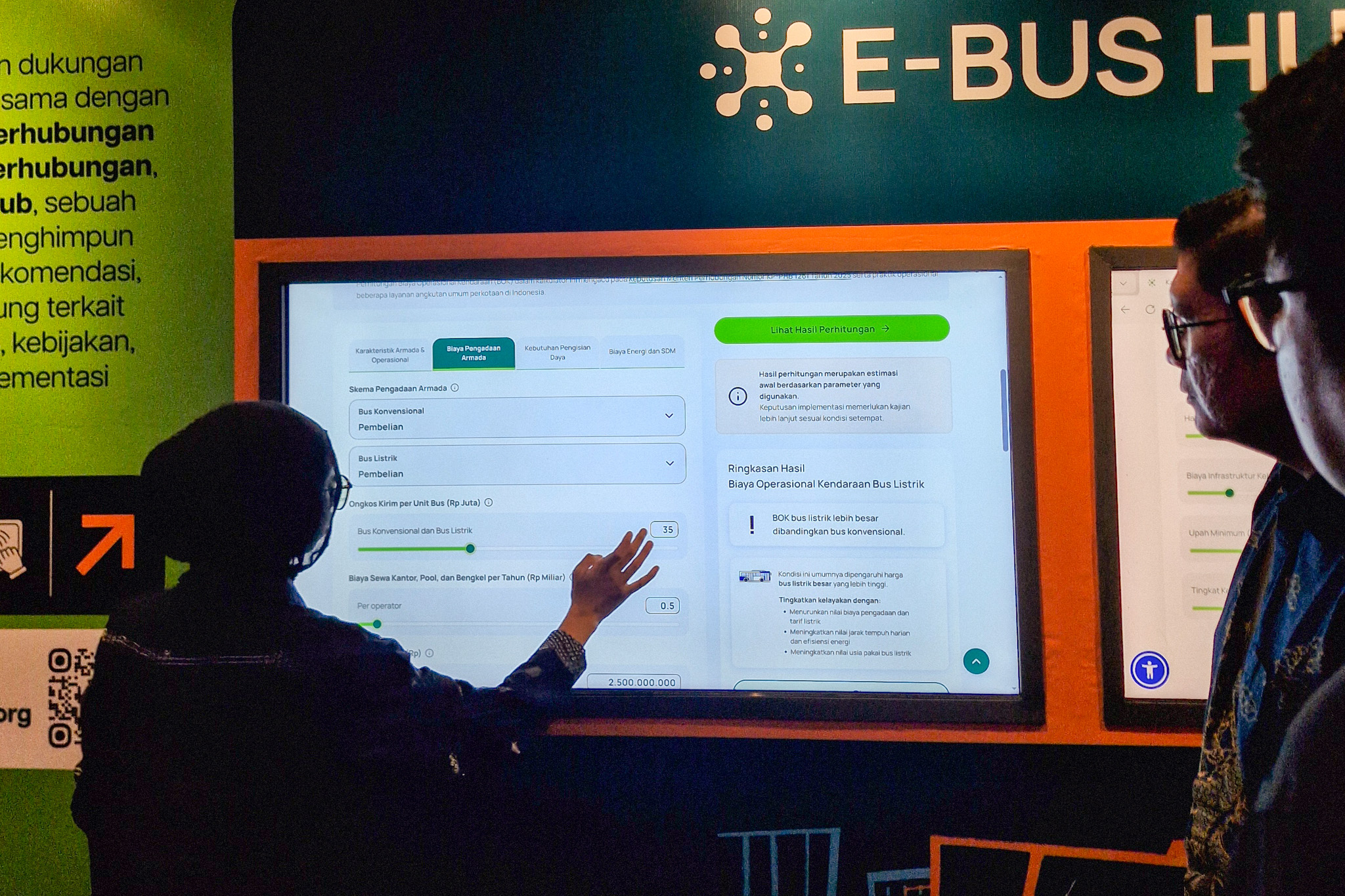
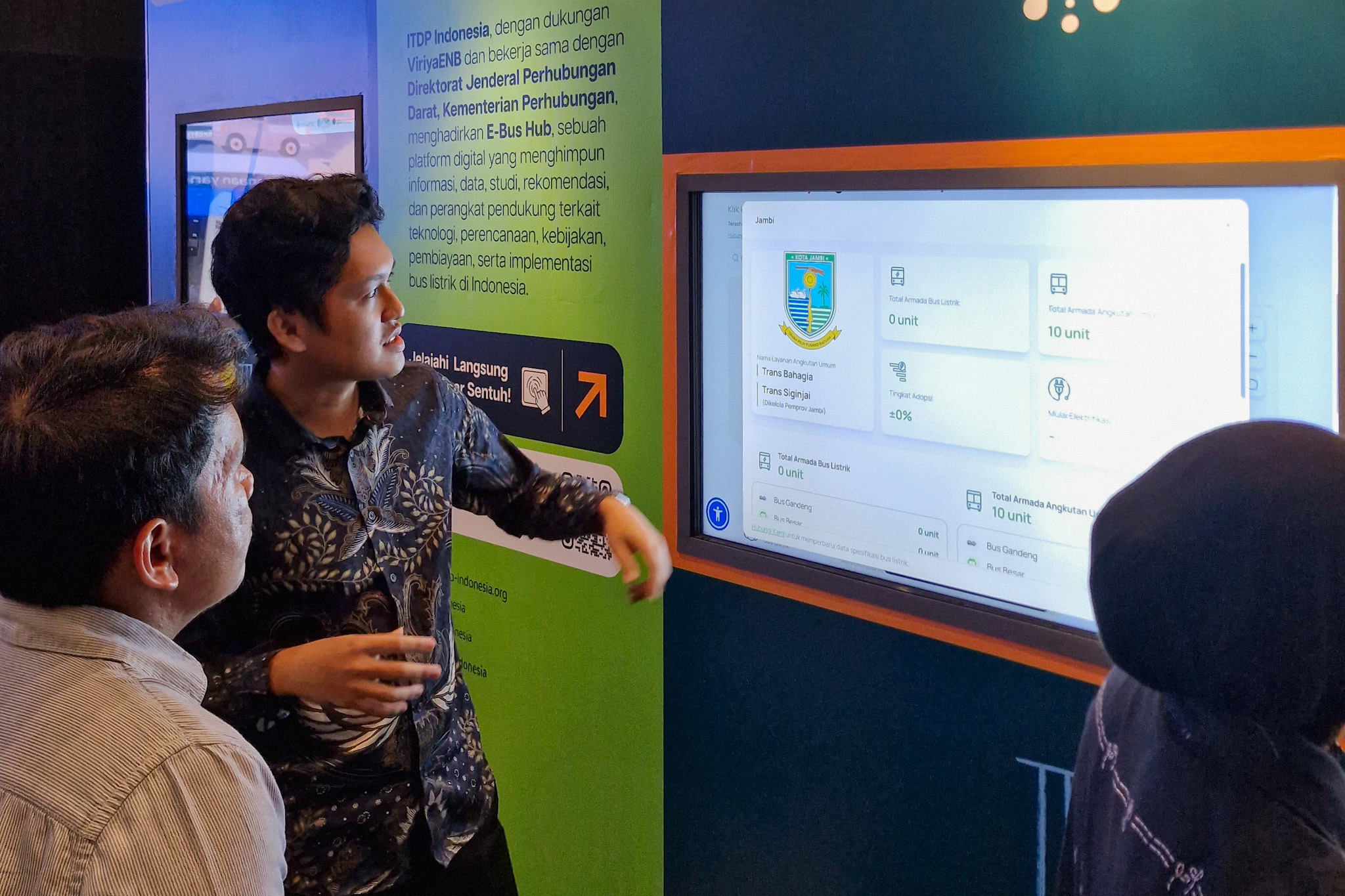
For example, how do changes in daily travel distances affect fleet and charging requirements? How do technology choices influence costs? And how can an electrification scenario be adjusted to fit a local government’s budget?
Through this website, information on electric bus developments, policy and planning references, and simulation tools are brought together in one place.
Beyond Simply Introducing Electric Buses
E-Bus Hub was developed not merely to collect information or provide a calculator. More importantly, we want to help users turn that information into more concrete planning questions and choices.
A city considering electrification, for example, can explore how changes in fleet size, travel distances, or cost assumptions affect planning outcomes. Another city that has already begun operating electric buses can draw on the available references to support policy development and service management.
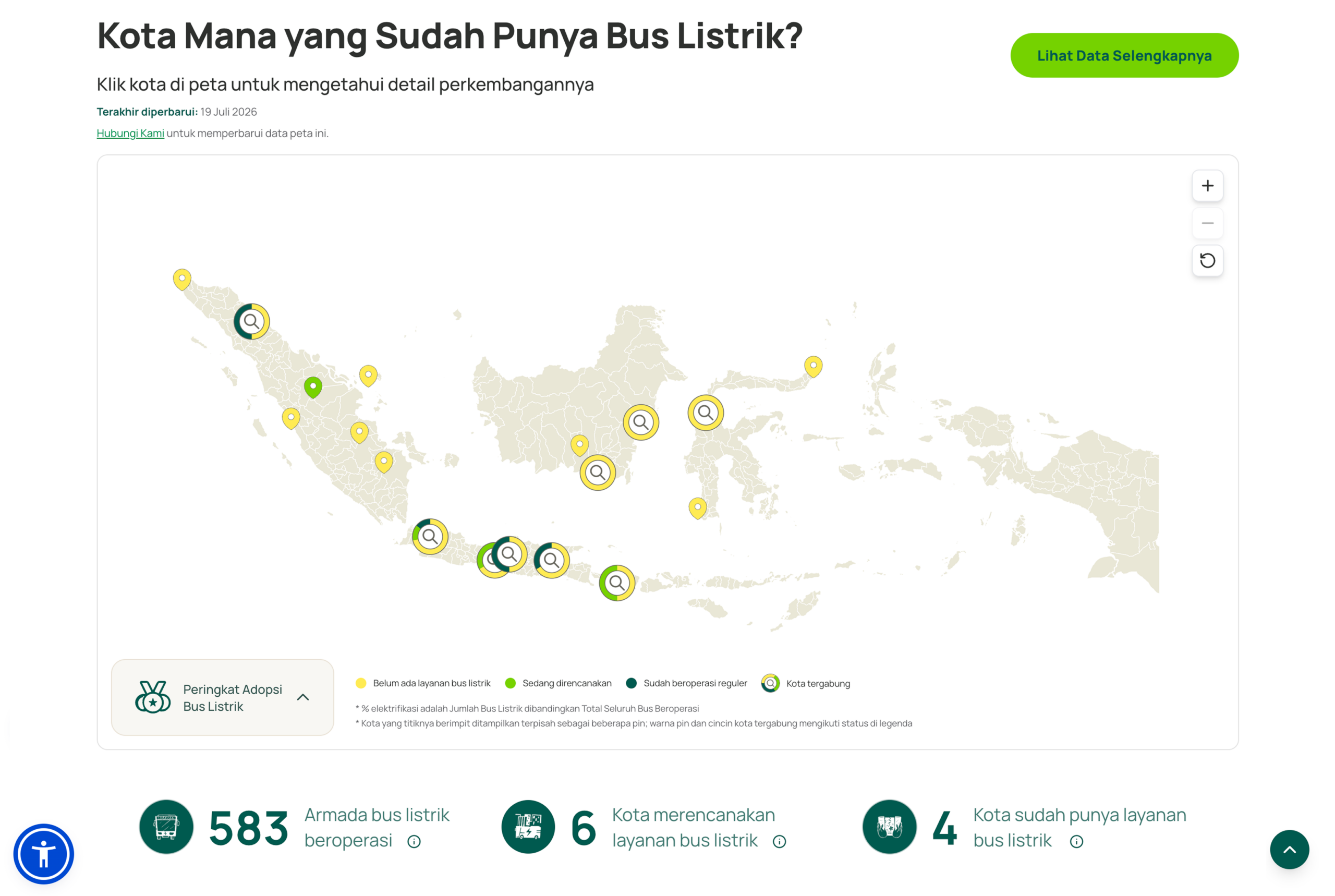
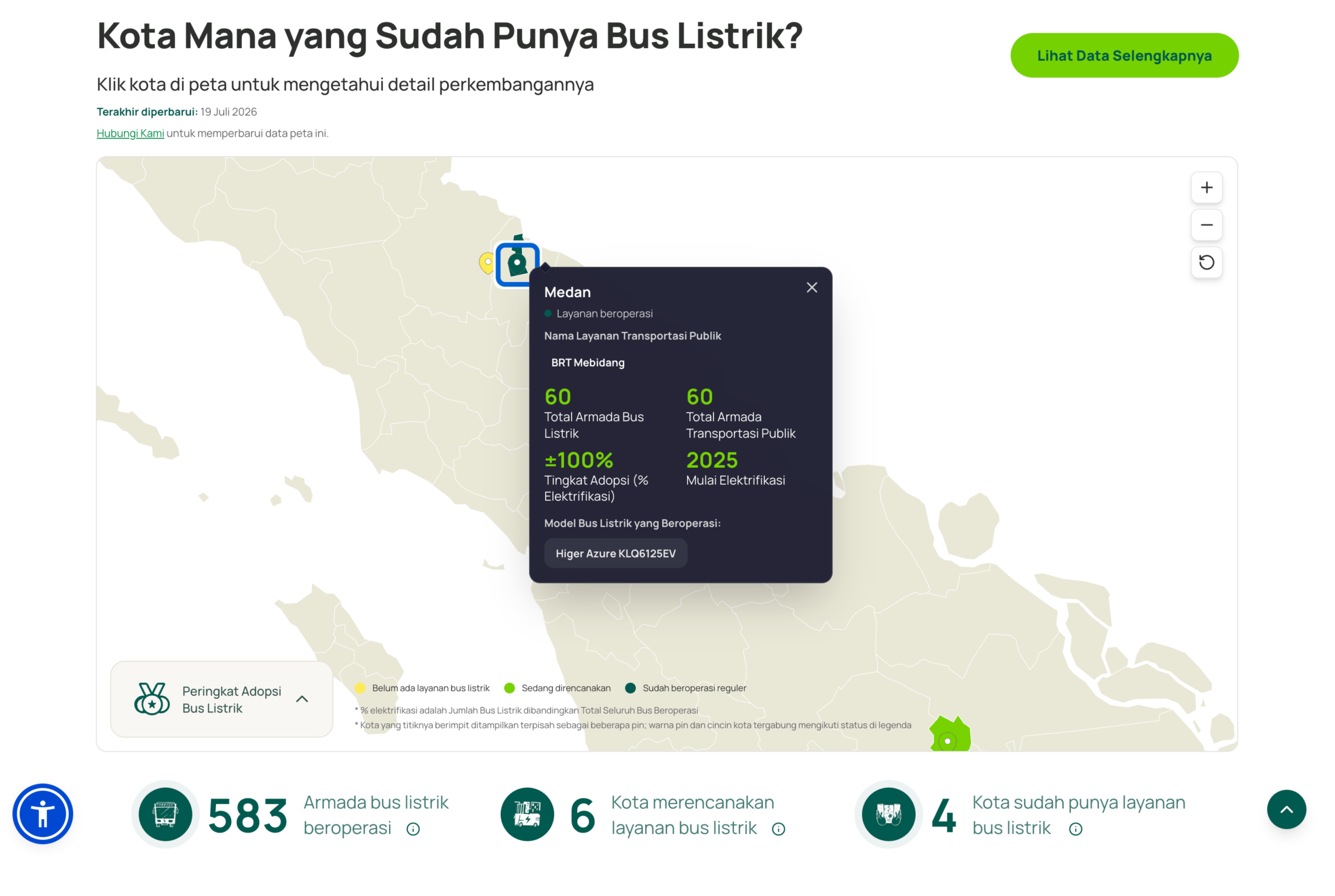
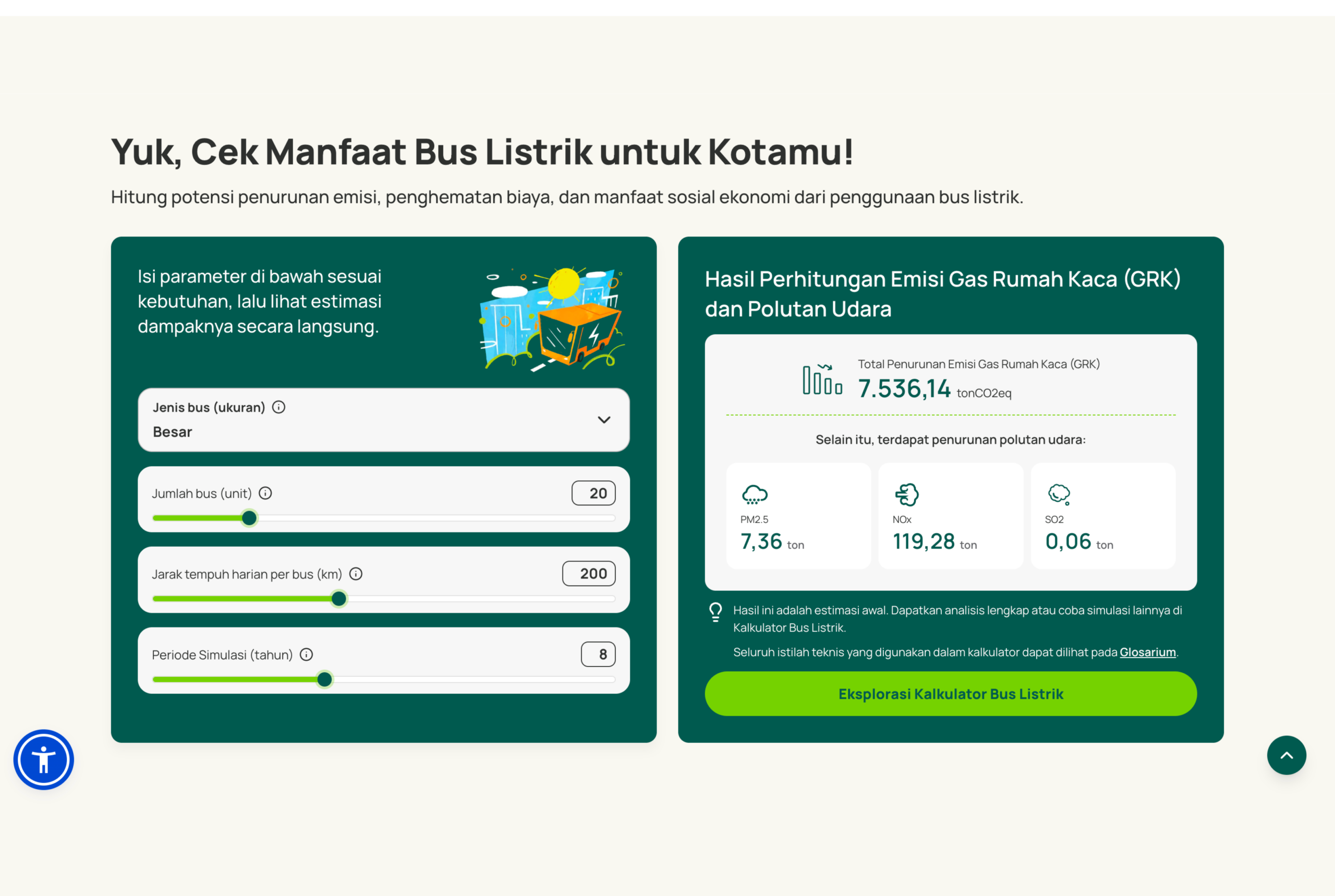
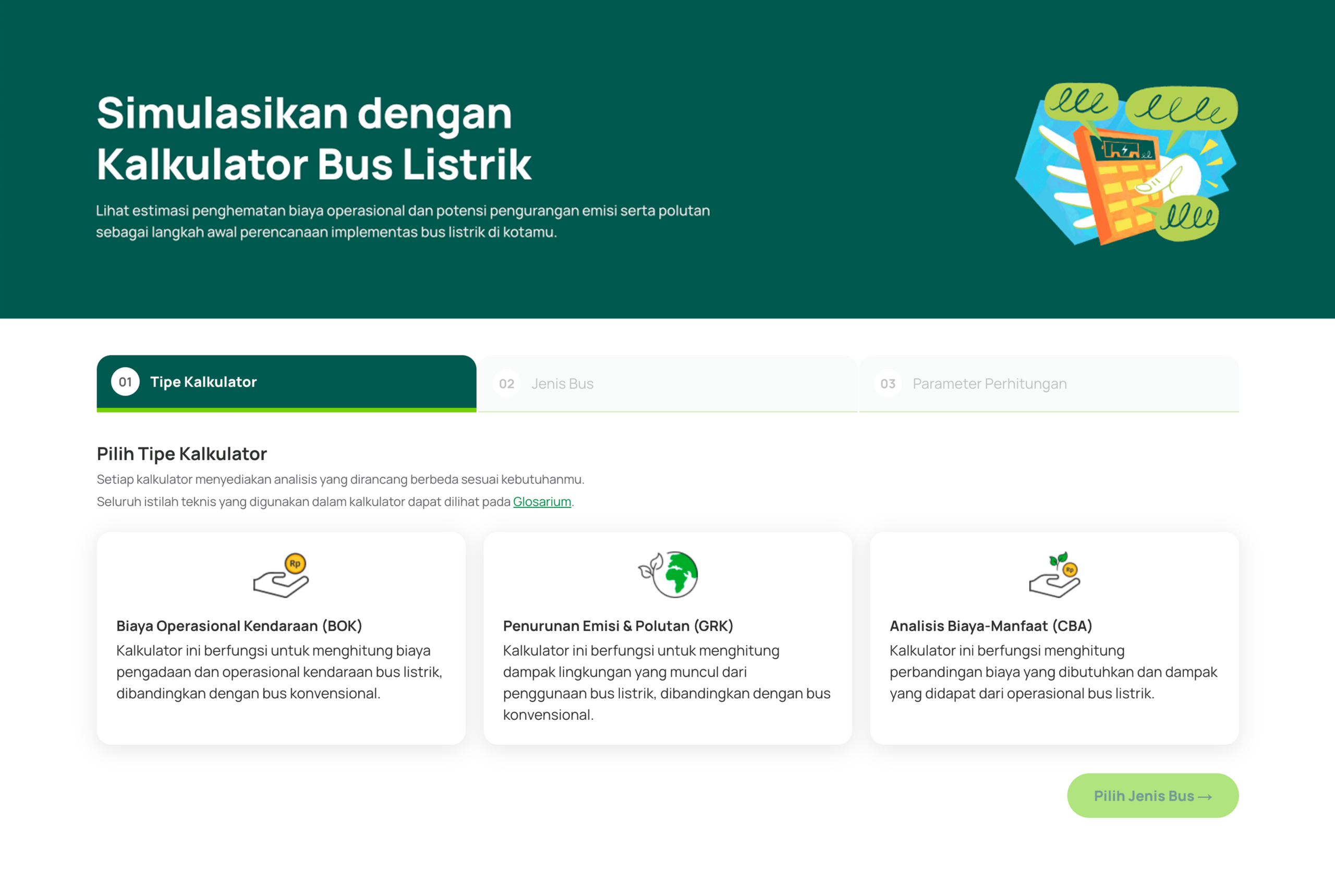
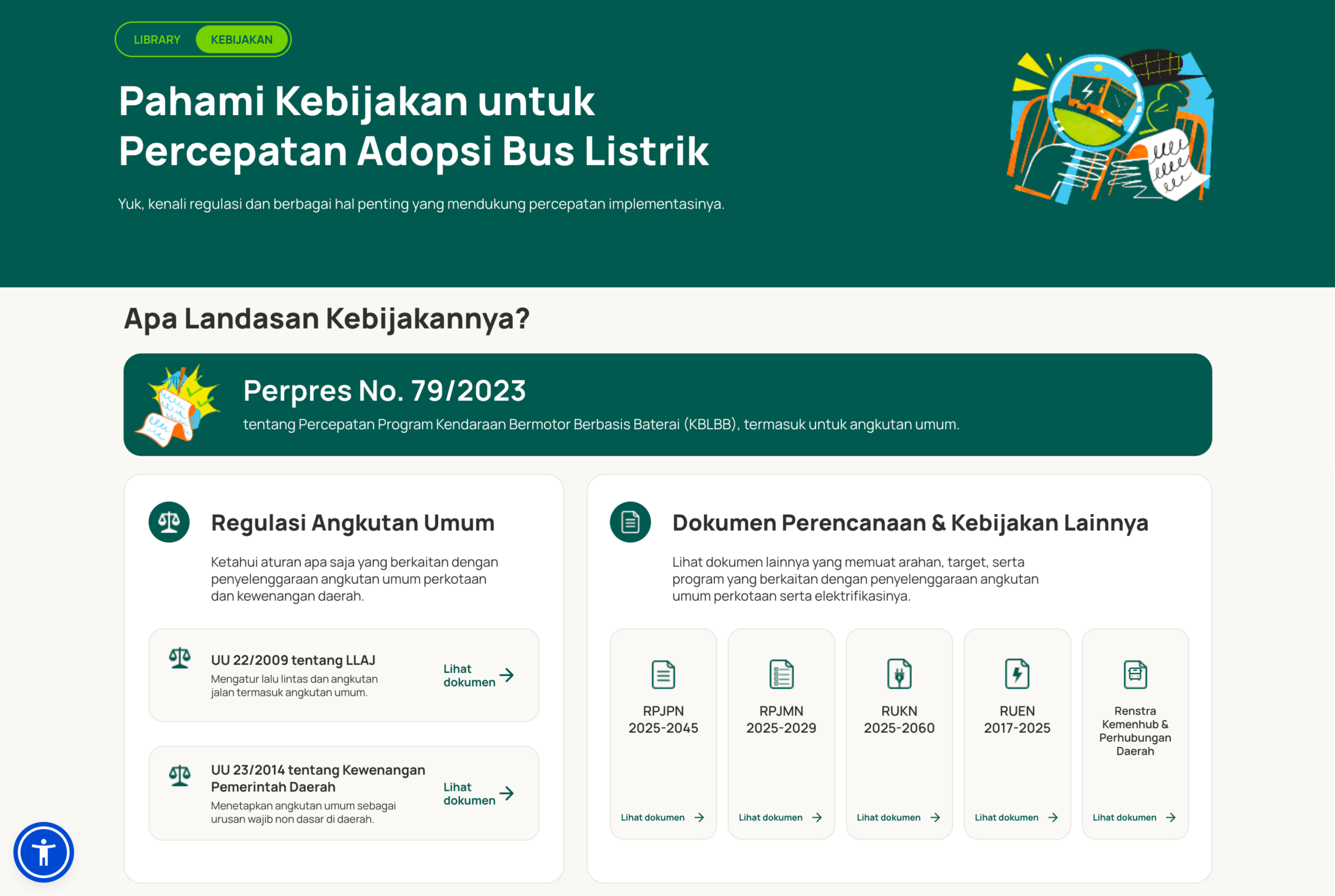
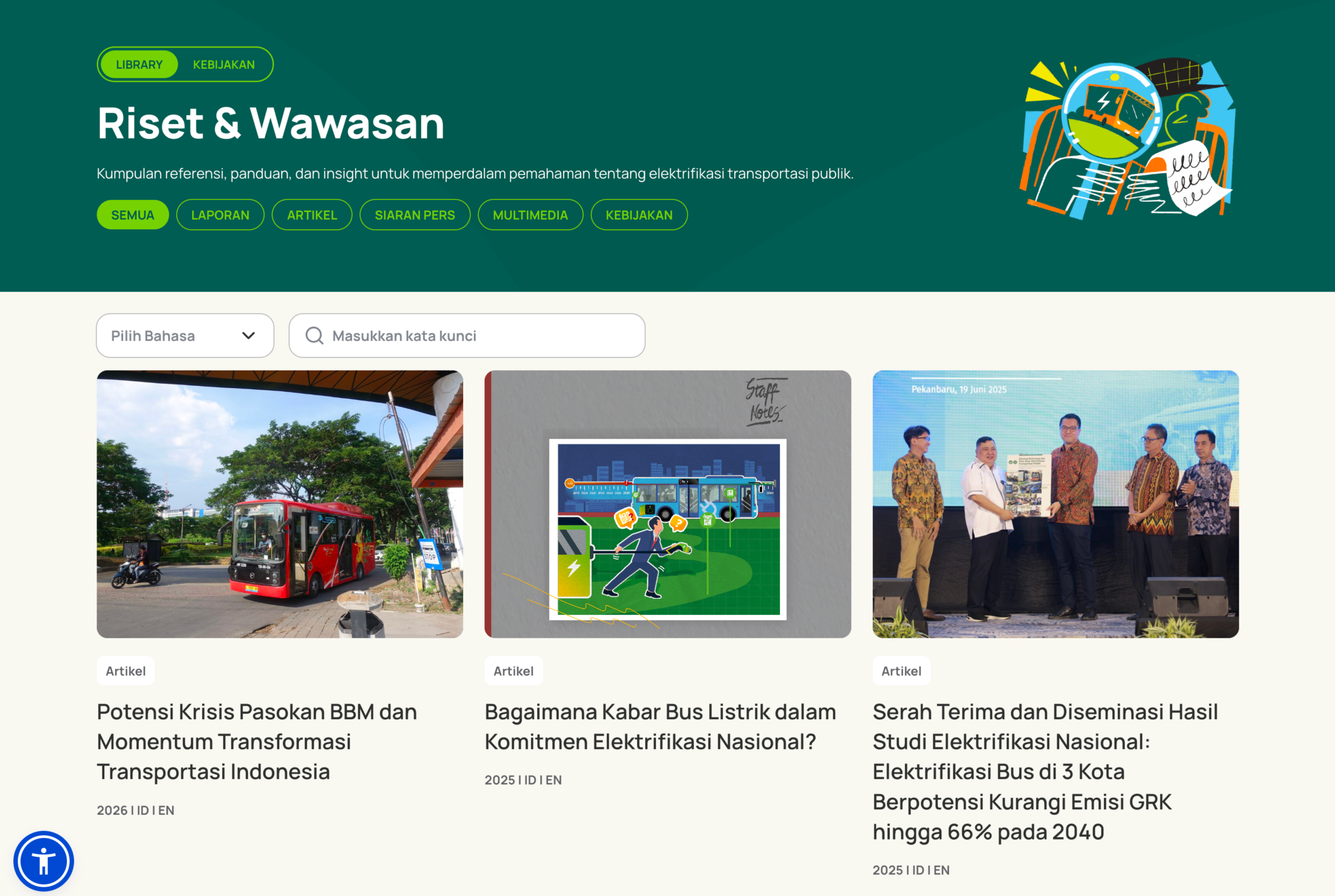
Of course, a website cannot replace the entire planning process, technical assessments, or coordination among stakeholders. Every decision still requires deeper analysis and adaptation to local conditions. However, E-Bus Hub can make those first steps easier.
Because, it is to put knowledge into practice, the greater the opportunity for more cities to begin planning change.
Ultimately, it is important to return to the purpose of bus electrification: delivering the benefits of public transport in ways that people can experience in their everyday lives. Is a bus available when they need it? Does its route reach their destination? Is the service reliable? And can everyone access it easily?
At the same time, we recognize that every city’s journey toward electrification will be different. Some can move more quickly, while others need more time to prepare their financing, institutions, and operations. Not every challenge can be addressed through a single tool or approach.
That is why E-Bus Hub is not about how sophisticated a website can be in calculating electrification requirements. It is one way to ensure that the knowledge and experience built over time do not remain confined to reports, but instead help more cities take concrete action.
Discover E-Bus Hub and explore a range of electric bus planning resources at buslistrik.itdp-indonesia.org.