June 11, 2026
ITDP Indonesia Highlights the Need for Integrated, Inclusive Transport at Jakarta Future Festival 2026
From June 5–7, 2026, the Jakarta Provincial Government held the Jakarta Future Festival (JFF) at Taman Ismail Marzuki in Central Jakarta. The festival served as a meeting ground for government and residents to discuss Jakarta’s development trajectory as it moves toward becoming a global city approaching its fifth century. Jakarta Governor Pramono Anung explained that the event is an annual initiative organized by the Regional Development Planning Agency (Bappeda) to showcase Jakarta as a living, evolving city. Through exhibitions and discussions held over the three-day festival, residents, facilitators, and policymakers came together to envision Jakarta’s future.
This year’s JFF featured 52 discussion sessions, consisting of 45 Urban Talks and seven Jakarta Forecast sessions. The festival brought together 250 speakers, including 10 international guests, alongside 27 music and cultural performances. Visitors could also explore food and beverage booths from Jakarta-based MSMEs, curated by the Ministry of Creative Economy and Jakarta’s Office of Industry, Trade, Cooperatives, Small and Medium Enterprises (DPPKUKM). Every aspect of the festival was designed to foster a sense of ownership and encourage public participation in shaping Jakarta’s future.
ITDP Indonesia took part as a speaker in two Urban Talks sessions and as a respondent in a mobility assessment workshop organized by Rujak Center for Urban Studies and Knods Playground.
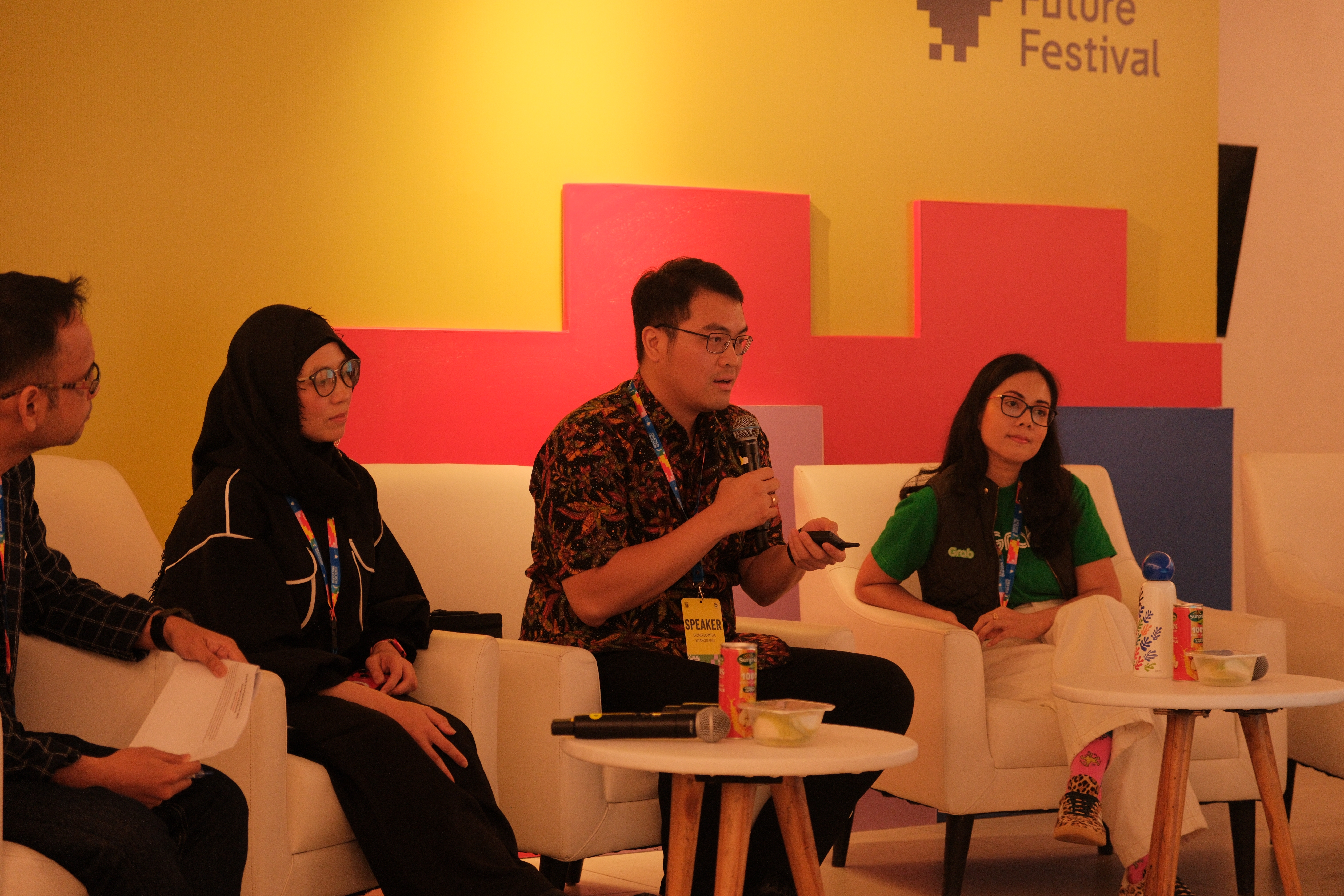
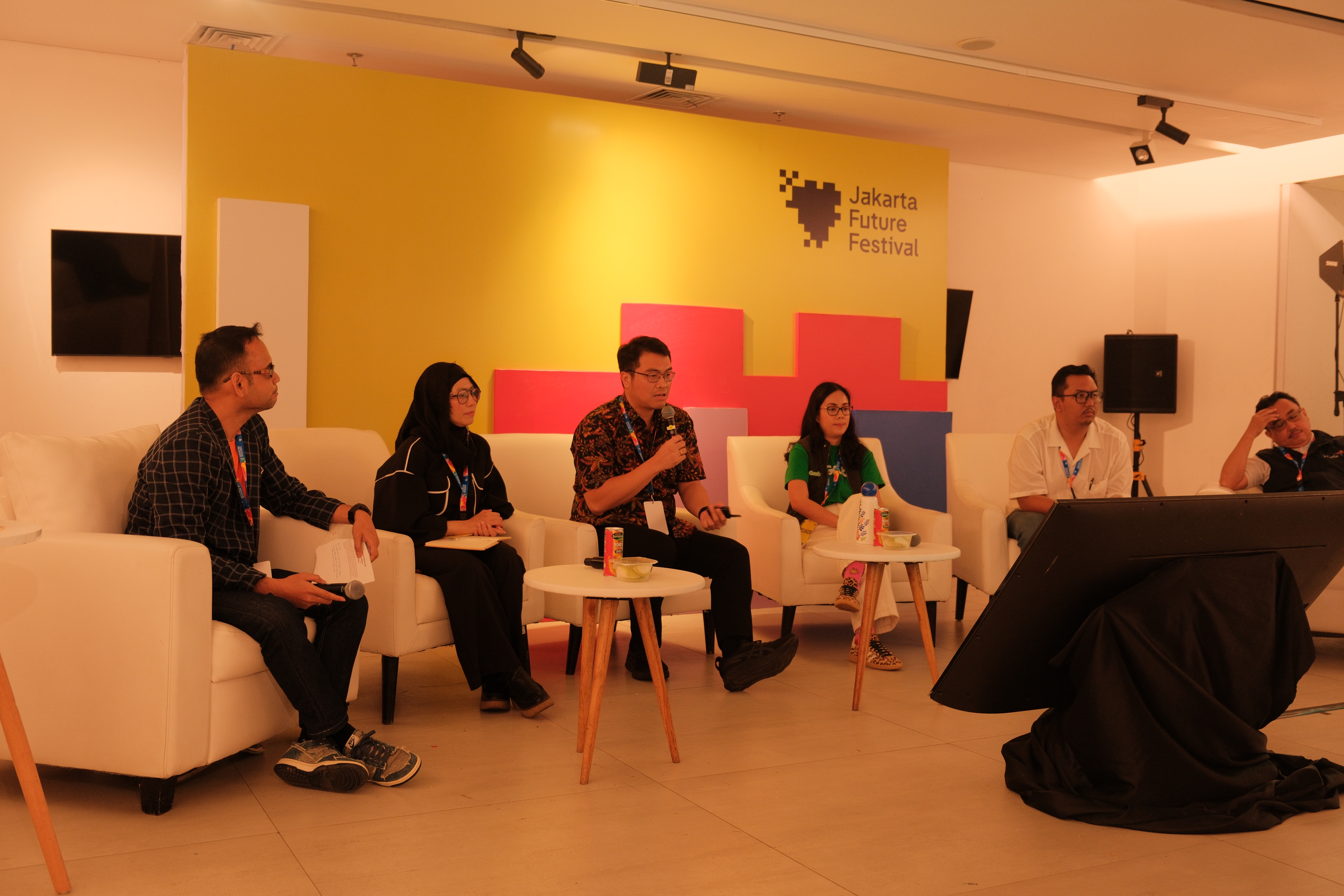
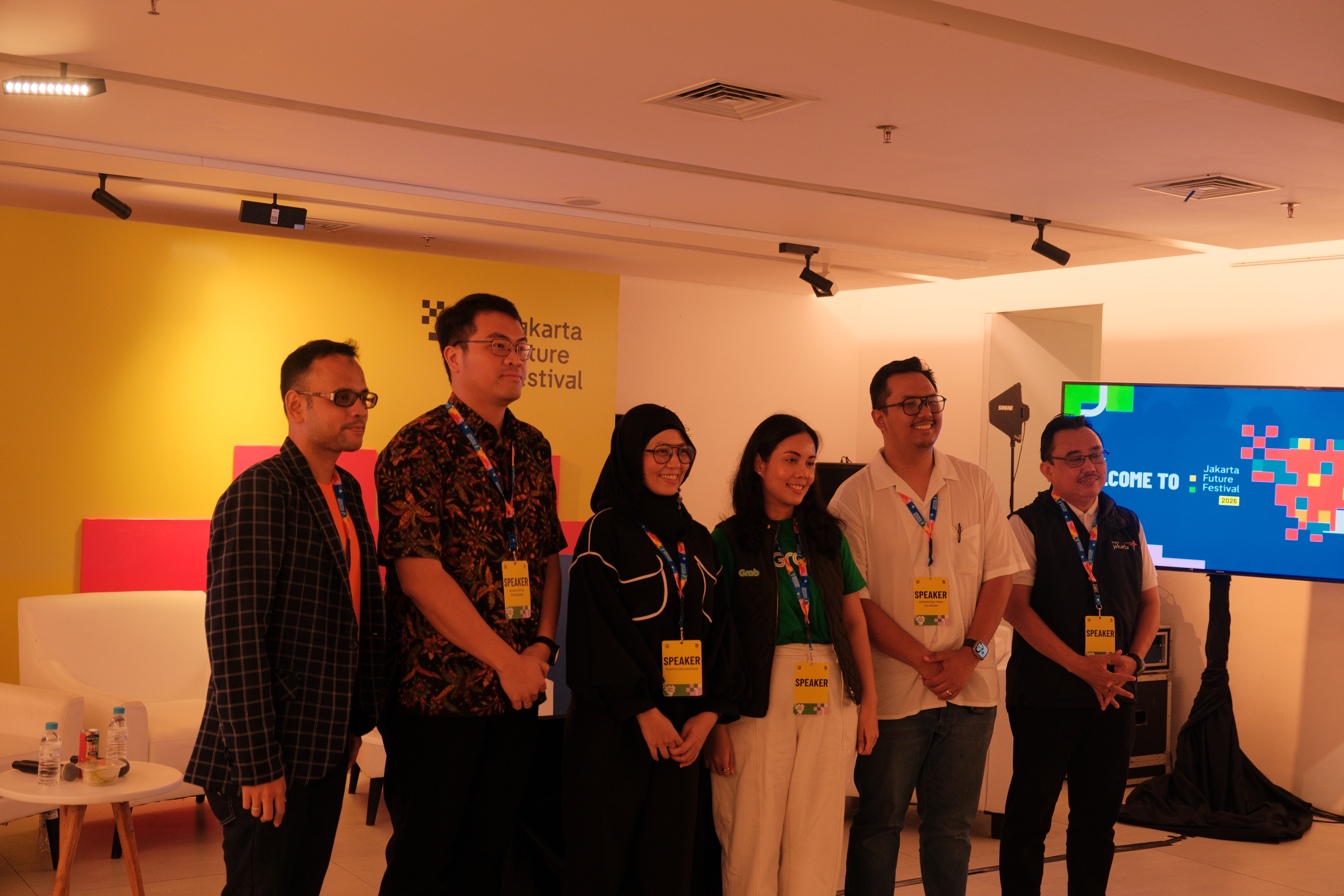
Southeast Asia Director Gonggomtua Sitanggang joined the discussion, “ERP and the Future of Jakarta Mobility,” held on June 6, 2026. The presentation opened by addressing Jakarta’s central mobility paradox: despite an increasingly diverse and extensive public transportation network, dependence on private vehicles remains high. Although 78% of Jakarta’s area is already connected to mass public transport services, 80% of daily trips are still made using private vehicles.
Addressing this challenge requires a strong ASI (avoid–shift–improve) and push-pull policy framework. Electronic road pricing (ERP) was highlighted as an effective avoid-and-shift strategy to tackle Jakarta’s congestion problem. Similar ERP policies have been implemented in countries such as Sweden (Stockholm and Gothenburg), the United States (New York), the United Kingdom (London), and Singapore, where they have proven effective in encouraging people to shift away from private vehicles and toward public transportation.
During the session, Gonggomtua emphasized that ERP cannot function as a standalone policy and must be accompanied by a robust push-pull strategy. Jakarta, he argued, can learn from London’s successful approach. Pull measures were implemented through sustained investment in public transportation, expanded transit routes, the addition of low-emission transport options, and housing development around transit hubs. Push measures, meanwhile, included congestion charging, ultra-low emission zones, ERP, and parking management policies. As a result, London has succeeded in reducing emissions, environmental pollution, and traffic accidents.
The presentation concluded with several key takeaways. First, ITDP emphasized that ERP should not be treated as a source of local government revenue; instead, all proceeds should be reinvested into improving and expanding sustainable mobility infrastructure. Second, ERP implementation will only be feasible when residents have adequate, affordable, and accessible mobility alternatives. Third, a balanced combination of push and pull measures can improve urban mobility efficiency, reduce emissions and air pollution, and enhance road safety.
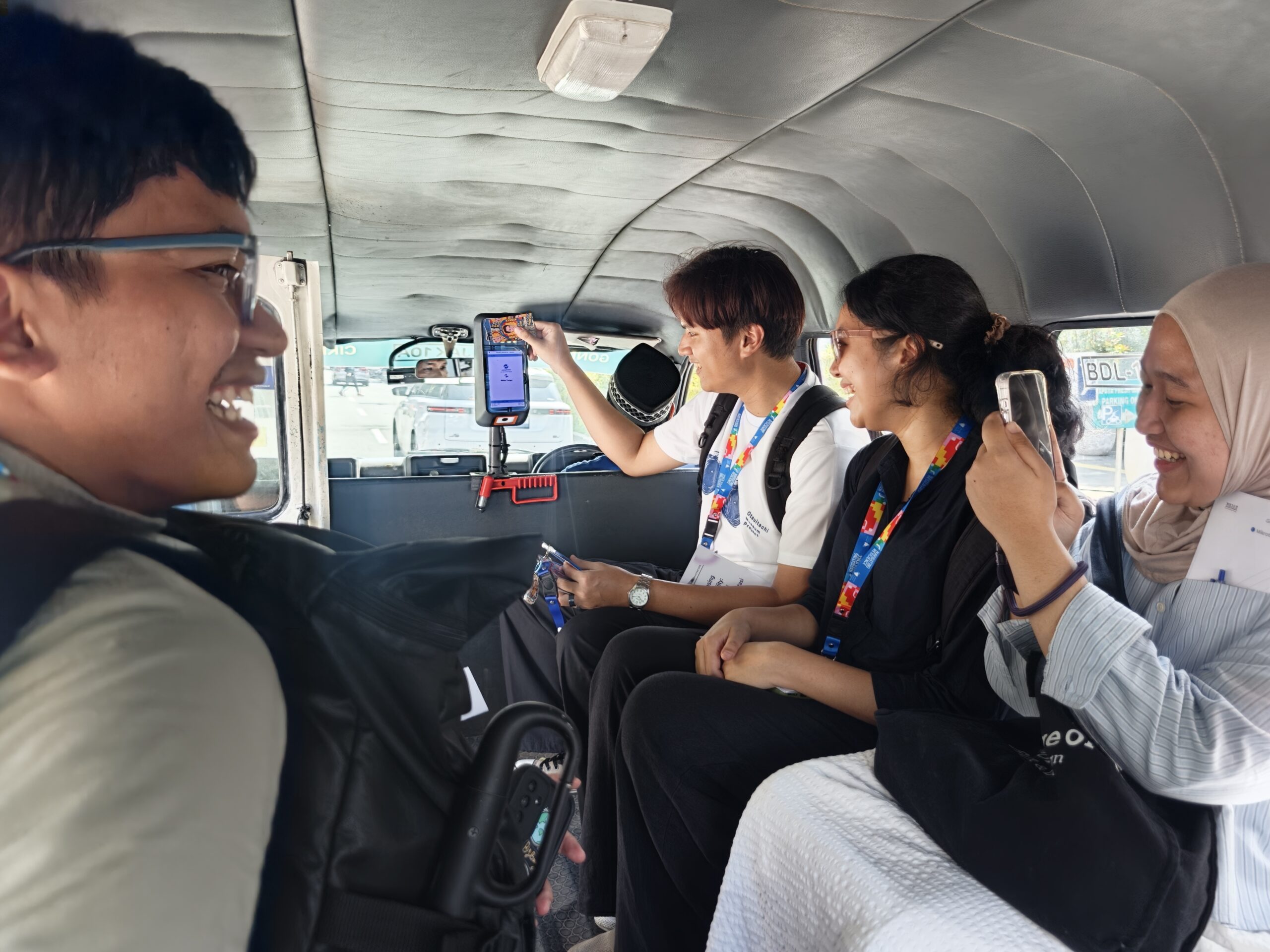
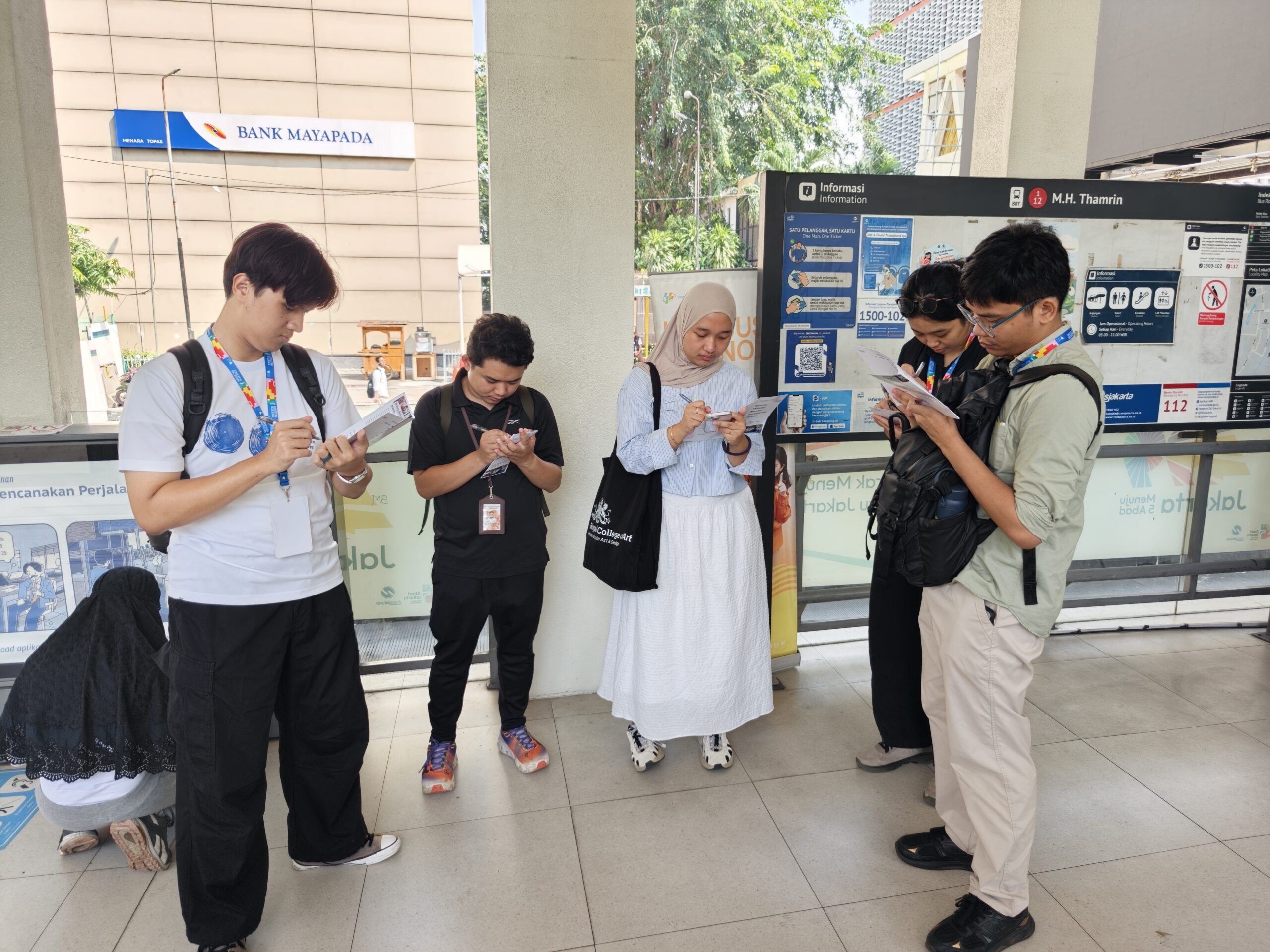
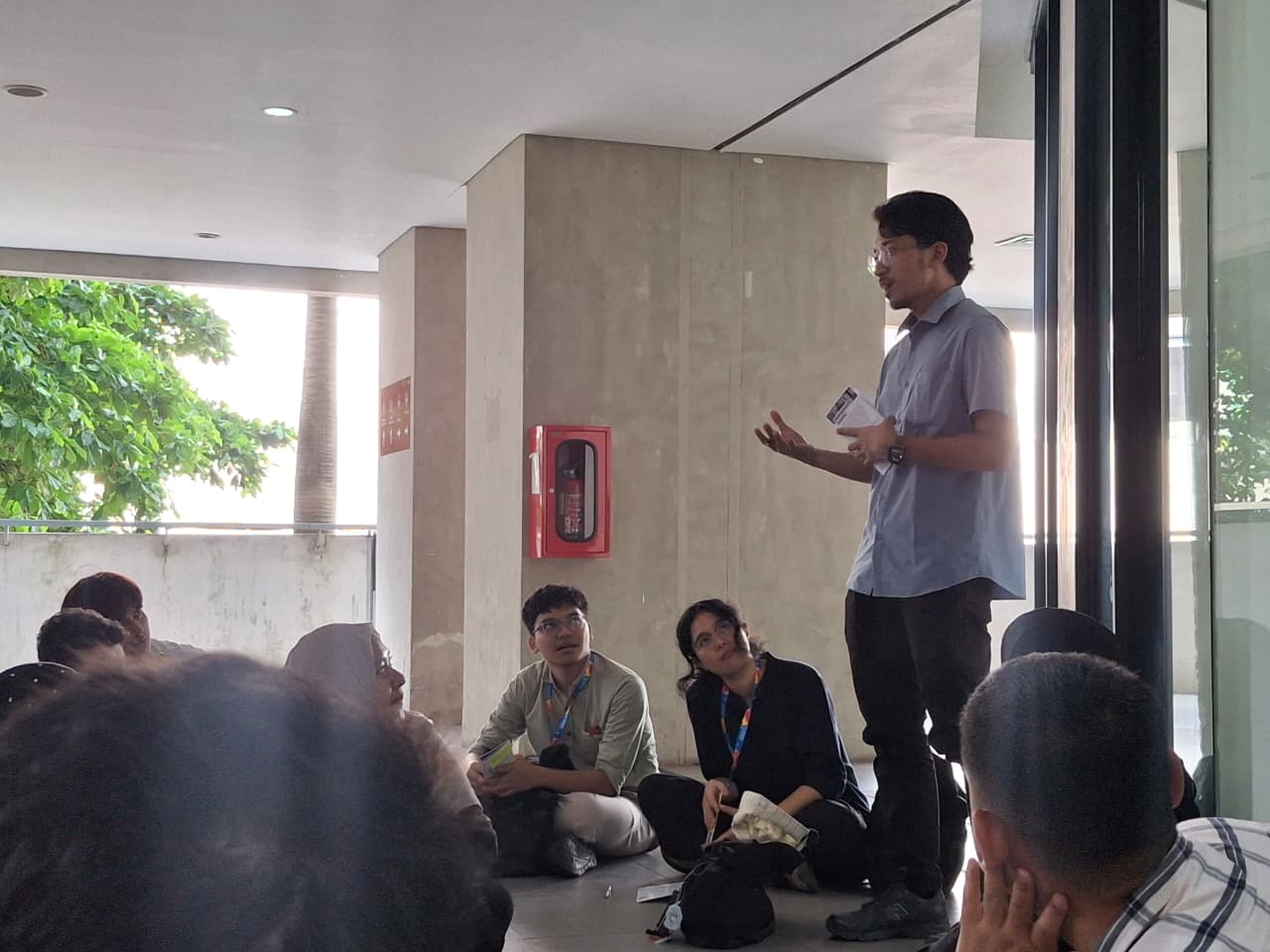
On the third day of JFF, June 7, 2026, Senior Urban Planning Associate Carlos Nemesis served as a respondent in “Sensing Mobility: Assessing Jakarta’s Transportation,” a workshop organized by the Rujak Center for Urban Studies and Knods Playground. During the workshop, participants were invited to test and evaluate the quality of Jakarta’s transportation services firsthand. They were divided into three groups: KRL commuter rail, Transjakarta, and mixed mode (Transjakarta and Jaklingko). The journey began at Kendal Tunnel and ended at Taman Ismail Marzuki. Upon arrival, participants were asked to reflect on and share their experiences.
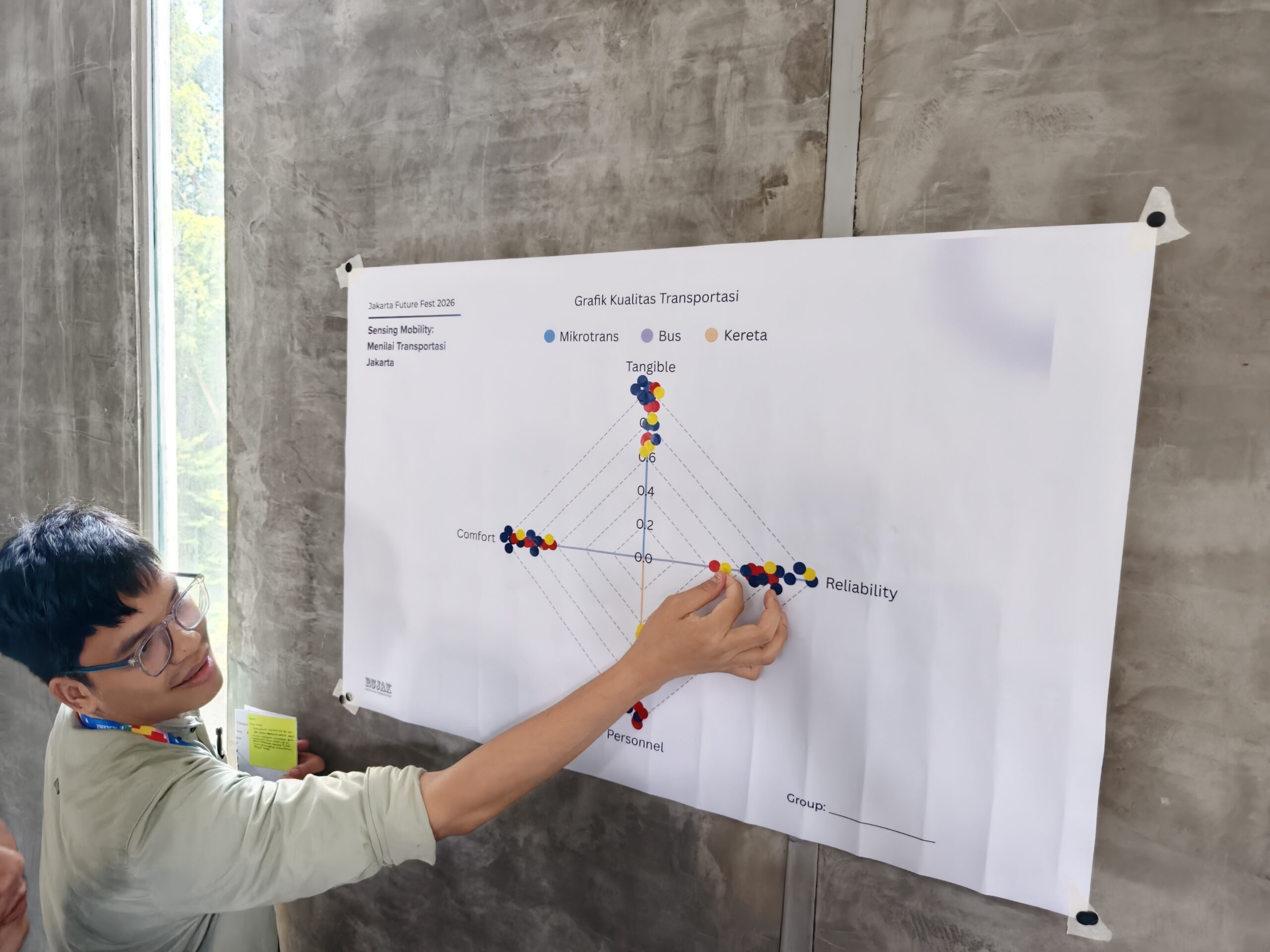
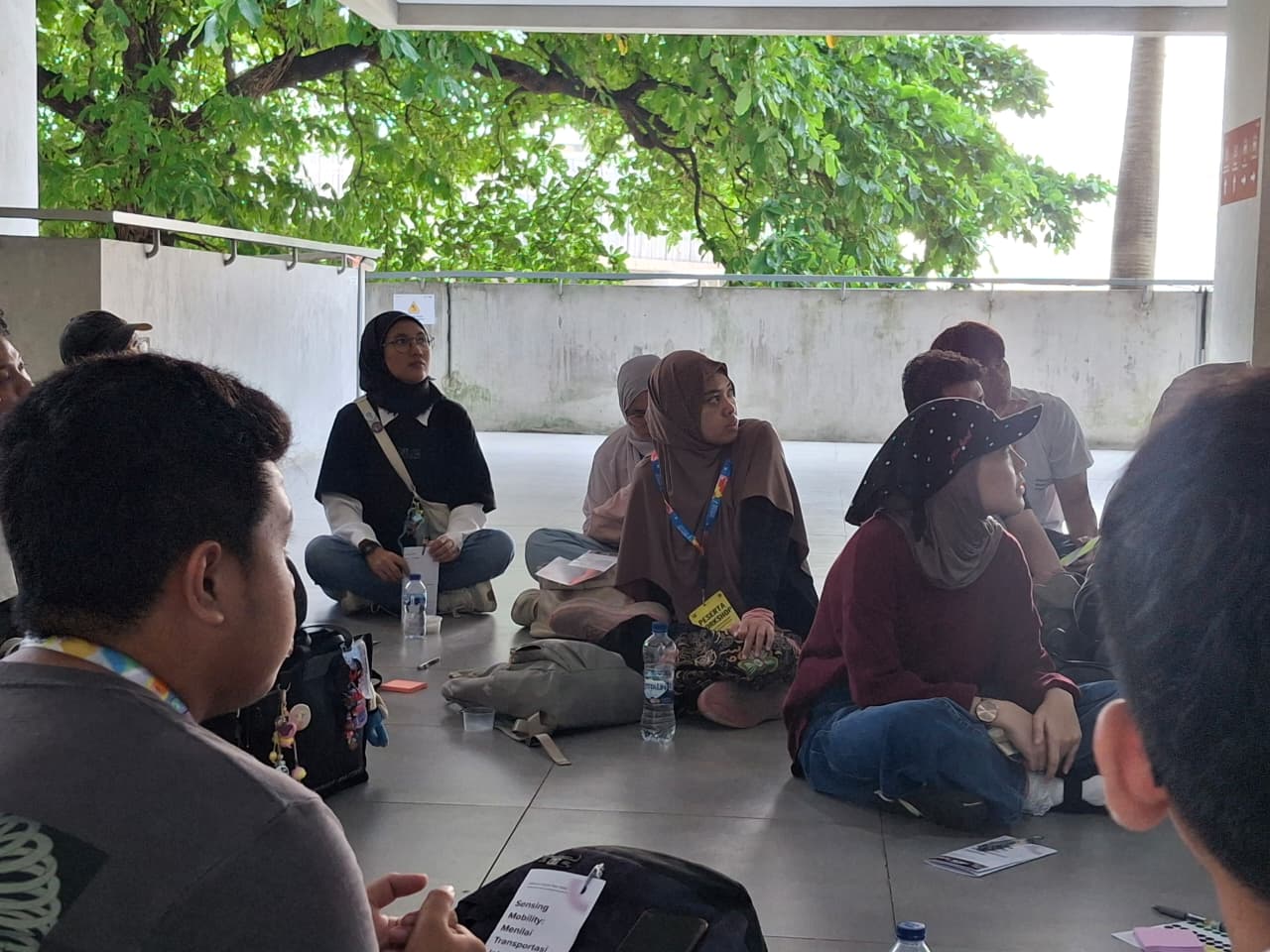
Participants enthusiastically recounted their journeys across the different transport modes. The mixed-mode group arrived the fastest, outperforming both the KRL and Transjakarta groups. The KRL group experienced delays at Manggarai Station, while the Transjakarta group had to walk several hundred meters to reach the final destination. The discussion ultimately arrived at a shared conclusion: the importance of an integrated public transport system supported by reliable feeder services to shorten travel times.
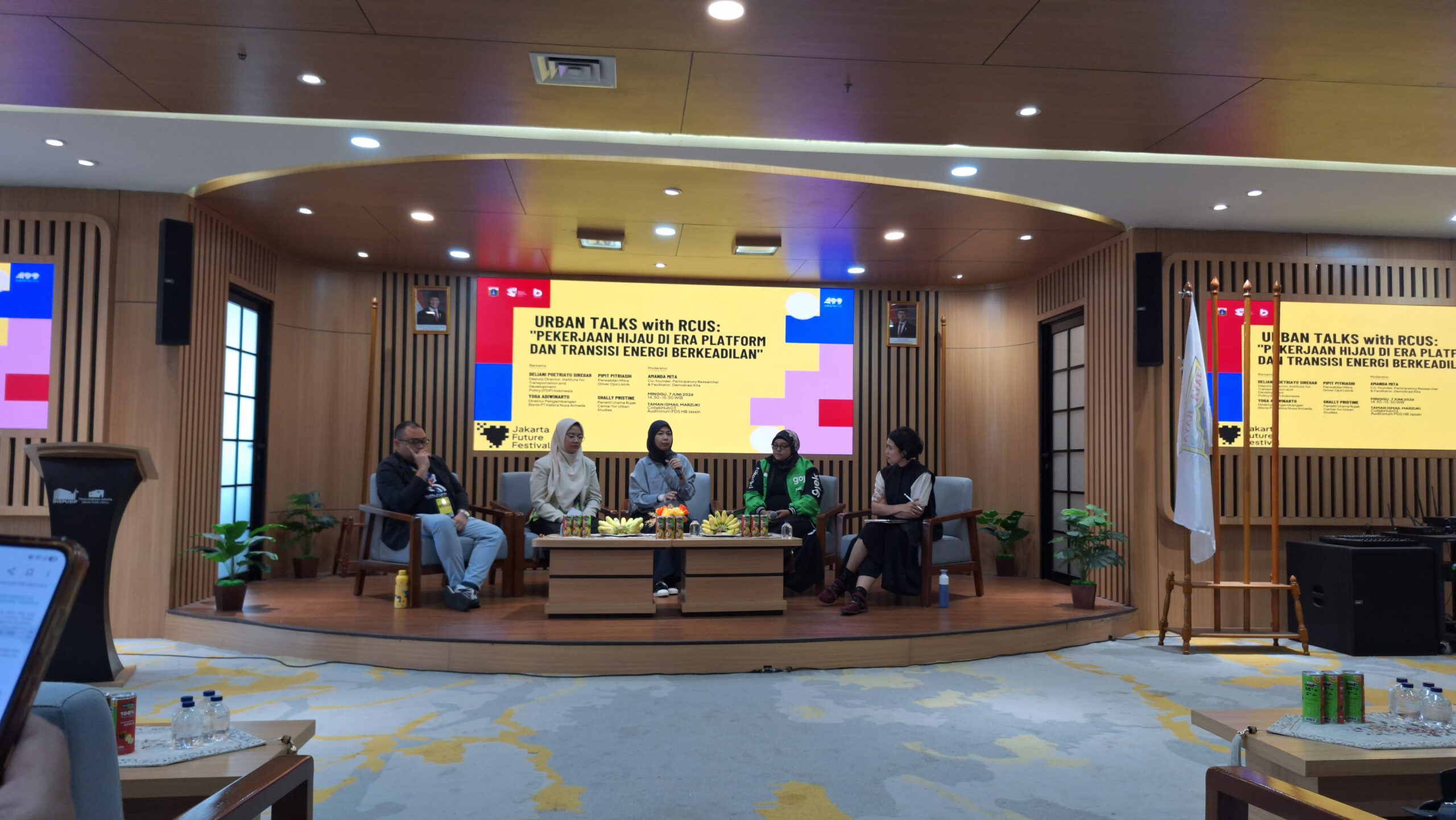
Later that afternoon, Deputy Director of ITDP Indonesia Deliani Poetriayu Siregar joined the discussion “Green Jobs in the Platform Era and a Just Energy Transition” as a speaker. Electrification emerged as the central topic of the session. Pipit Pitriasih, a representative of an electric motorcycle ride-hailing partner, shared how the electrification of motorcycle-based ride-hailing services has created broader employment opportunities for women and vulnerable groups.
Her experience aligns with ITDP’s 2024 findings, which show that electric mobility can help advance gender equality in Indonesia. With smaller frames and prices increasingly competitive with internal combustion motorcycles, electric motorcycles are often better suited for women and people with disabilities. Beyond that, electrification also has the potential to generate new green jobs. ITDP highlighted the Women Empowerment: Women-Only Driver Training Program, implemented in partnership with PT Transportasi Jakarta (Transjakarta) with support from UNEP and BMZ Germany. Graduates of the program were directly employed as drivers for the new electric bus fleet recently added to Transjakarta’s operations.
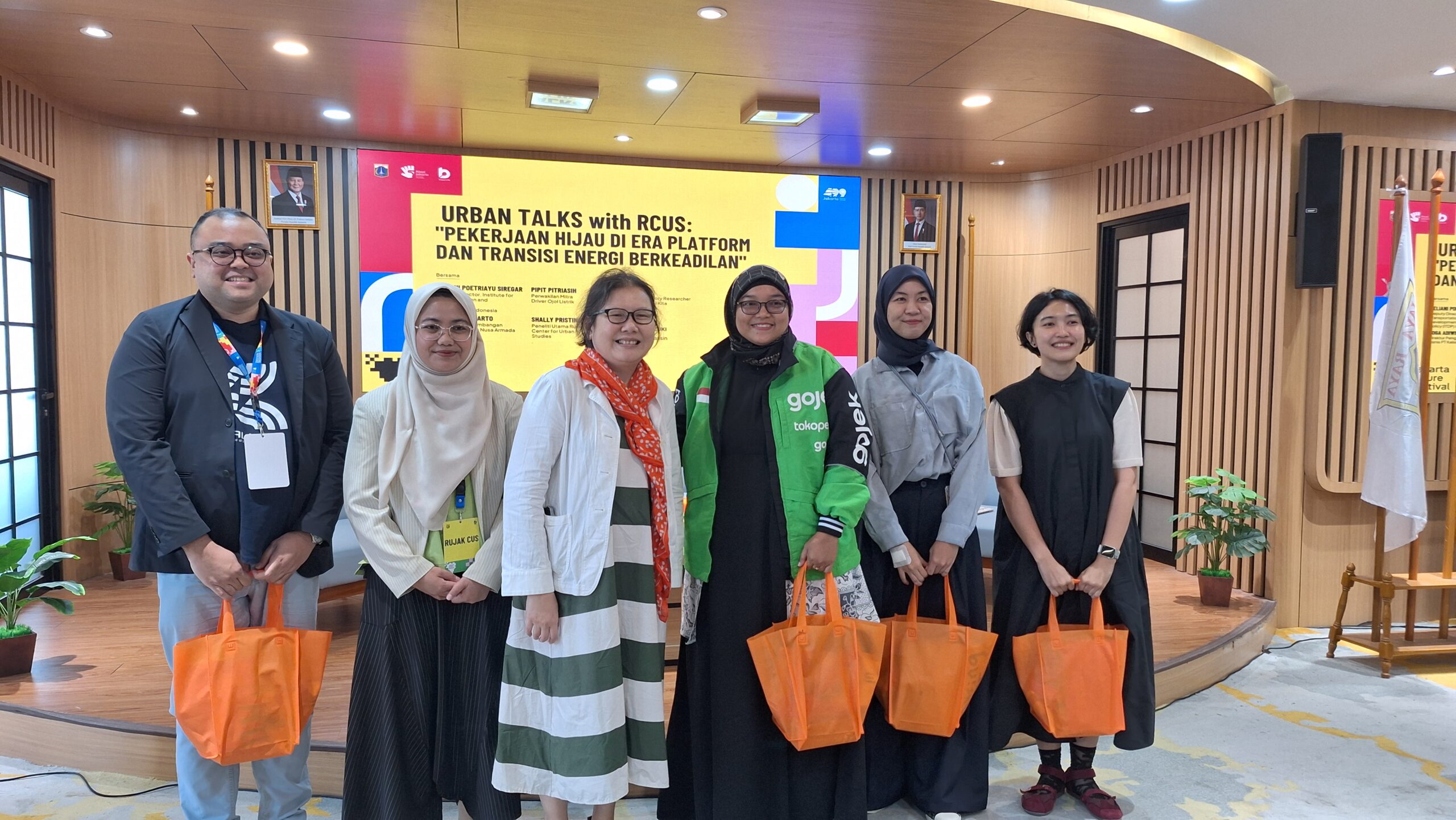
The afternoon session concluded with a token of appreciation presented by RCUS, followed by a group photo with the speakers.