
June 23, 2026
ITDP Indonesia Joins Stakeholders in Advancing Green and Smart Transportation
The Indonesian government has set ambitious targets for transportation electrification by 2030, including the adoption of 2 million electric cars, 13 million electric motorcycles, and the electrification of 90 percent of urban public transport fleets. These commitments are outlined in Presidential Regulation No. 55/2019, which was later amended through Presidential Regulation No. 79/2023 on Accelerating the Battery Electric Vehicle (BEV) Program for Road Transportation.
The targets reflect the significant contribution of the transportation sector to Indonesia’s greenhouse gas (GHG) emissions, accounting for around 25 percent of the national total. This is largely driven by the high reliance on fossil fuel-powered private vehicles and low public transport usage, with public transport mode share ranging from just 2-15 percent in major cities.
To meet these goals, the government has placed innovation in the transportation industry at the center of its policy agenda. This was the focus of the event “Green and Smart Transportation: National Transportation Industry Innovation for a Sustainable Future,” held at the MPR RI Building in Central Jakarta.
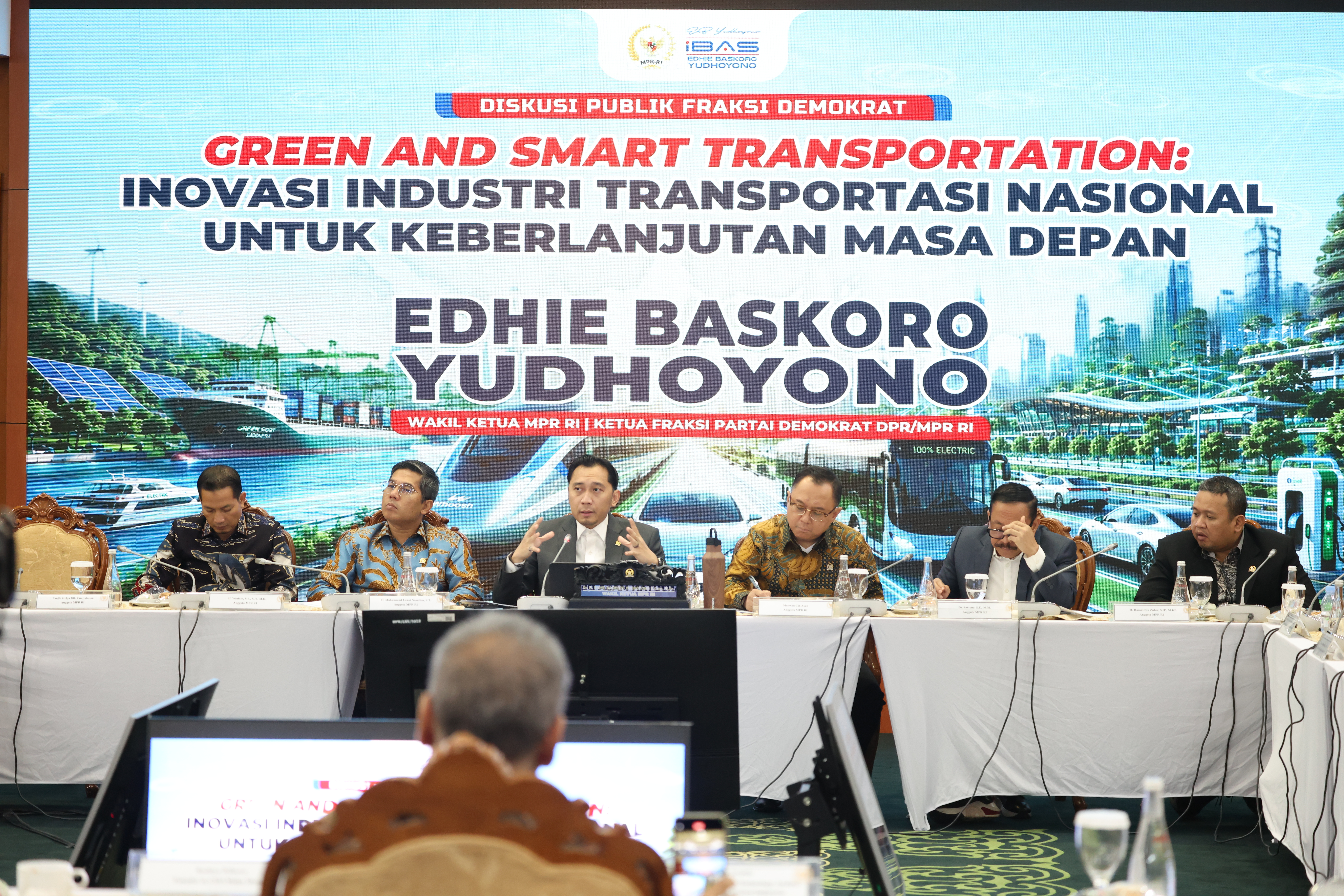
The event, which took place on June 17, 2026, brought together Deputy Speaker of the People’s Consultative Assembly (MPR RI) Eddie Baskoro Yudhoyono (Ibas), members of the Democratic Party factions from Commissions V, XI, and XII of the House of Representatives (DPR RI), representatives from the Bandung Institute of Technology (ITB), Sepuluh Nopember Institute of Technology (ITS), Trisakti University, the Jakarta Transportation Discussion Forum (FDTJ), the Electric Vehicle Ecosystem Association (AEML), transportation industry players, and ride-hailing and taxi operators. ITDP Southeast Asia Director Gonggomtua E. Sitanggang and ITDP Indonesia Senior Transport Associate Rahmad Wandi Putra also attended the event.
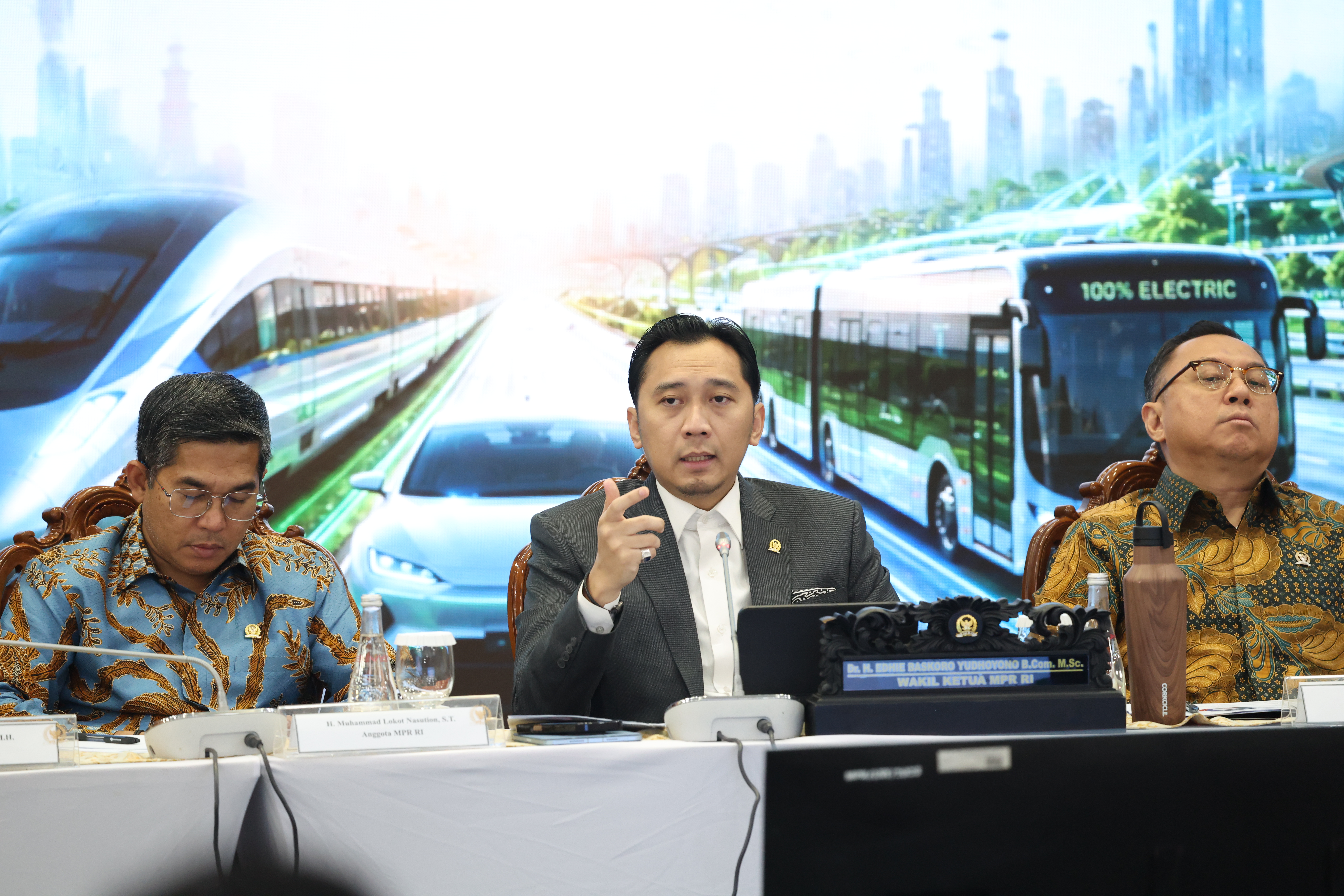
Opening the forum, Ibas underscored the urgency of accelerating the energy transition to improve transportation services across Indonesia.
“Indonesia is one of the region’s largest energy consumers. At the same time, we face rising emissions and infrastructure disparities across many regions. That is why the transition to renewable energy must be carried out gradually, sustainably, and in a way that continues to serve the public interest,” he said.
The forum aimed to identify key infrastructure priorities needed to support the development of green and smart transportation throughout Indonesia. The discussion outcomes are expected to inform future priority programs and policy recommendations from the MPR and DPR in support of public transportation development.
The discussion session focused on the current state of Indonesia’s transportation sector and the country’s energy transition. Key topics included the expansion of technology-integrated public transport infrastructure, accelerating the shift toward low-emission mobility, and increasing support for local governments in developing public transportation systems.
During the forum, ITDP highlighted the uneven state of public transportation across Indonesia. While Jakarta has made significant progress in developing a comprehensive public transport network, many other cities continue to lag behind. One reason is the limited commitment among local governments to prioritize public transportation. In 2024, only eight cities allocated at least 0.5 percent of their regional budgets to public transport. However, cities such as Pekanbaru, Semarang, and Batam have emerged as positive examples by designating public transportation as a mandatory area of expenditure.
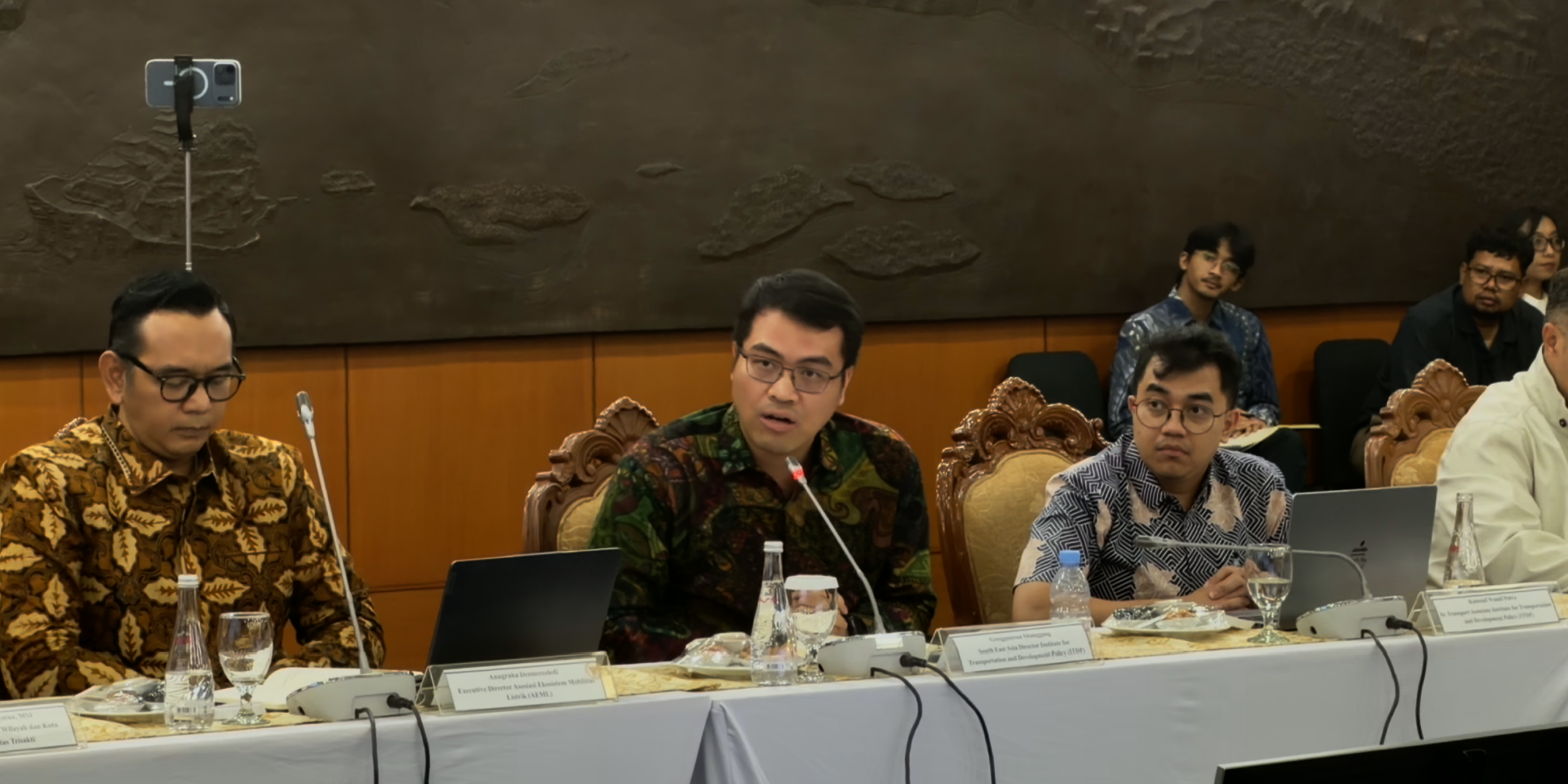
Participants also discussed the challenges facing transportation electrification. For ride-hailing and taxi operators, major obstacles include the high upfront cost of electric vehicles compared to conventional internal combustion engine vehicles, the limited availability of public charging infrastructure, and insufficient after-sales services.
From an industry perspective, speakers noted that existing incentives tend to focus on the downstream market by encouraging consumer adoption, while providing less support for upstream industries. Yet Indonesia’s electric vehicle sector will require substantial government support if it is to evolve from a technology user into a technology innovator. This includes strengthening local content requirements, expanding battery cell manufacturing, advancing the downstream processing of strategic minerals, and ensuring sustained investment in research and development. Beyond manufacturing, participants emphasized the need to develop Indonesia’s recycling industry. Current recycling capacity remains inadequate to manage the growing volume of electric vehicle battery waste expected in the coming years.
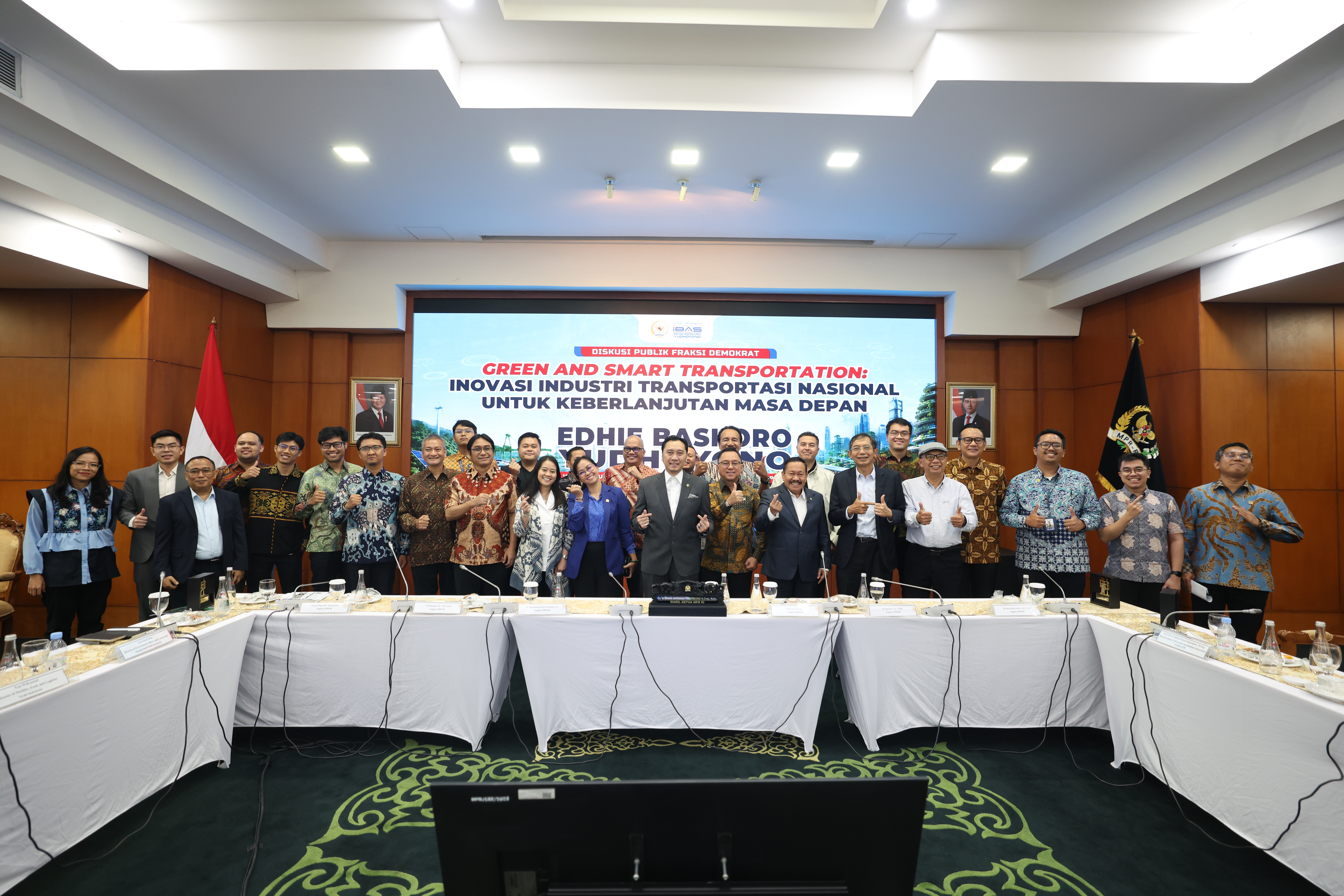
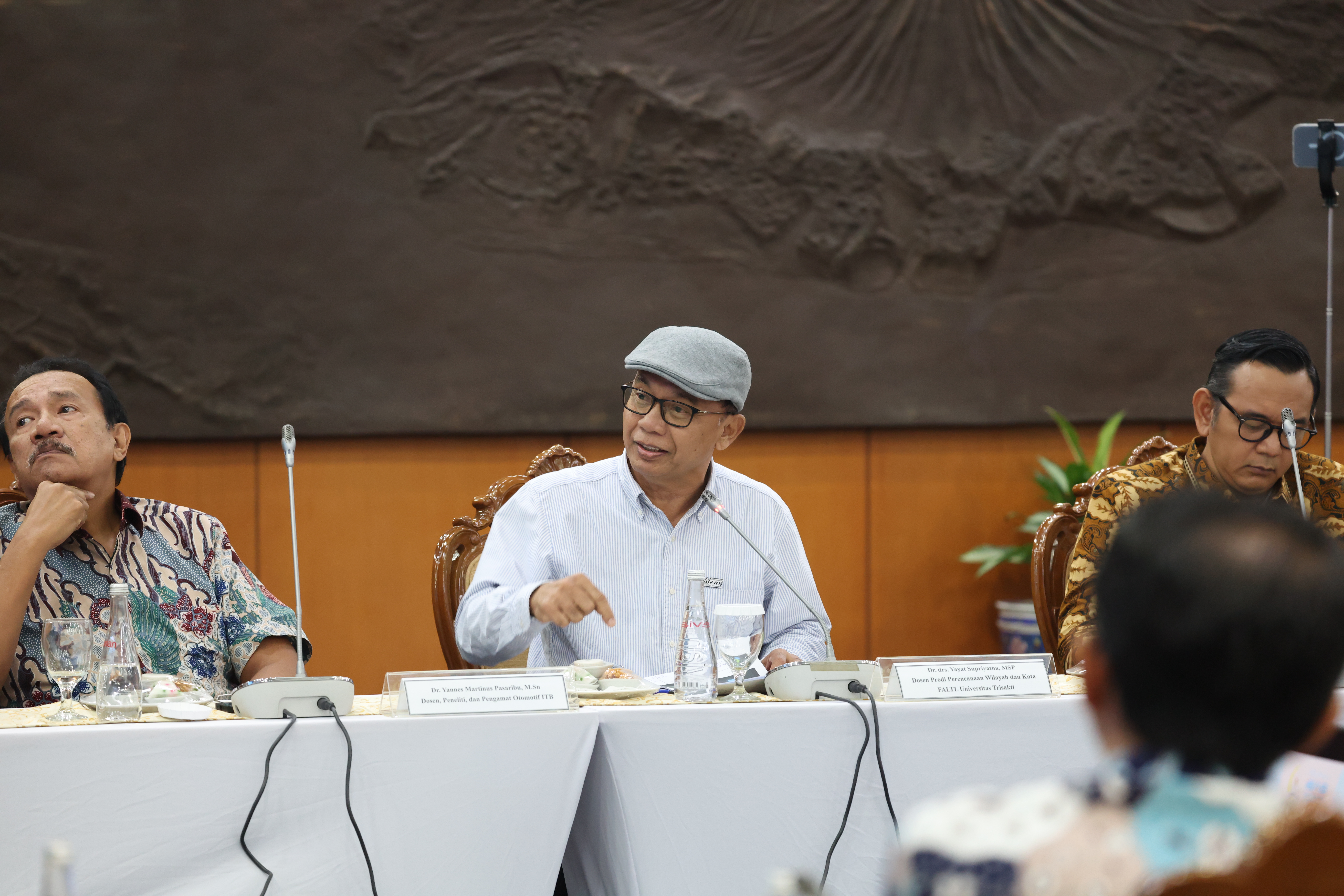
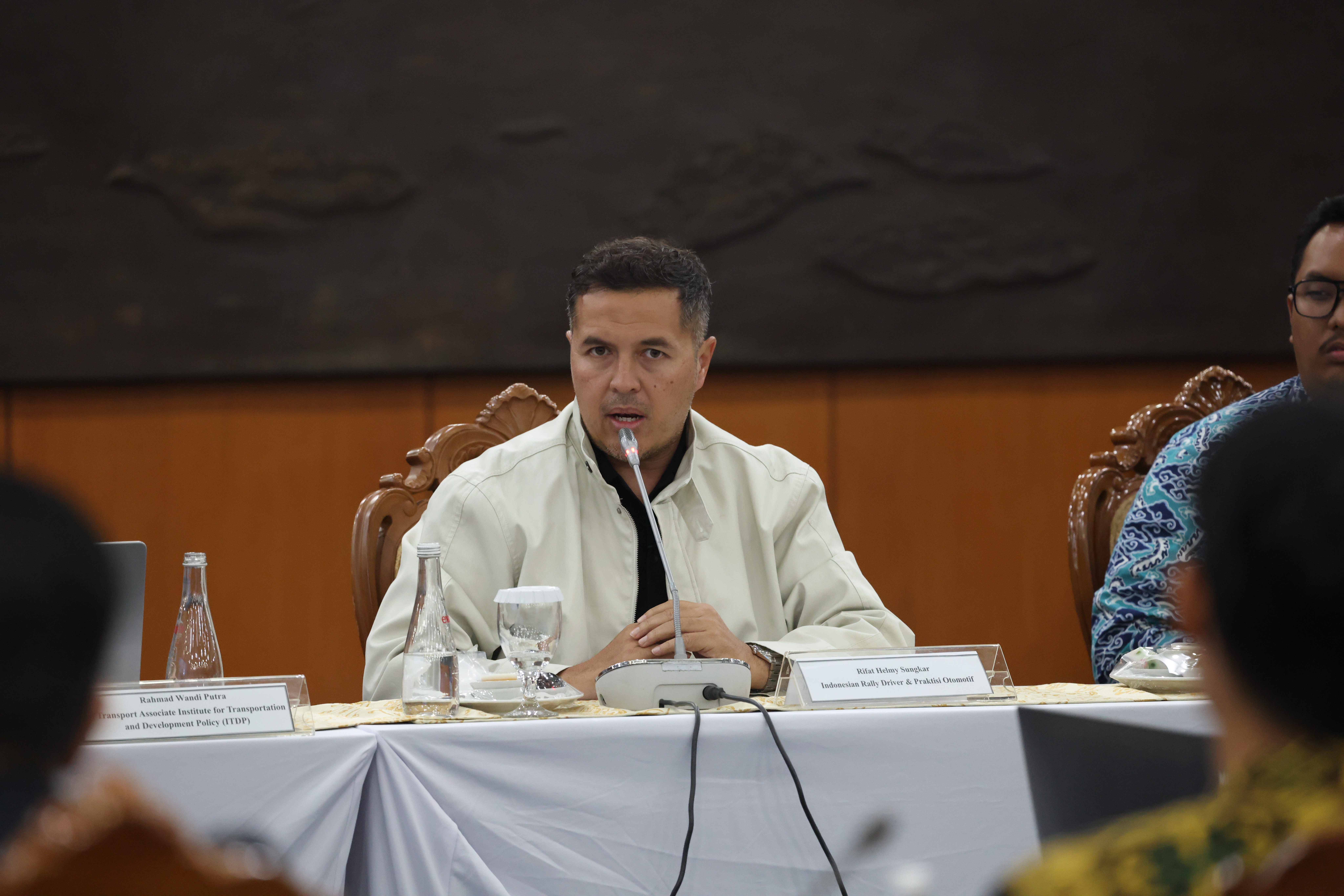

Industry representatives agreed that Indonesia’s transition to low-emission transportation is already underway. However, further progress will depend on stronger government support through enabling policies, innovative financing mechanisms, and energy infrastructure capable of supporting industry growth.
The forum concluded that the success of green and smart transportation should not be measured solely by the number of electric vehicles on the road or the number of charging stations installed. Rather, it will depend on Indonesia’s ability to build an integrated and sustainable ecosystem that brings together transportation, energy, industry, financing, and regulatory frameworks.