July 06, 2026
ITDP Indonesia Discusses the Future of Public Transport in Bandung with Demokrasi Kita and the Bandung Citizens Alliance for Angkot Transformation
The lack of reliable public transportation continues to impose significant mobility burdens on Bandung residents. On average, residents spend at least 129 hours per year stuck in traffic congestion, with 40% reporting physical fatigue caused by daily travel, while transportation expenses consume up to 37% of their monthly income.
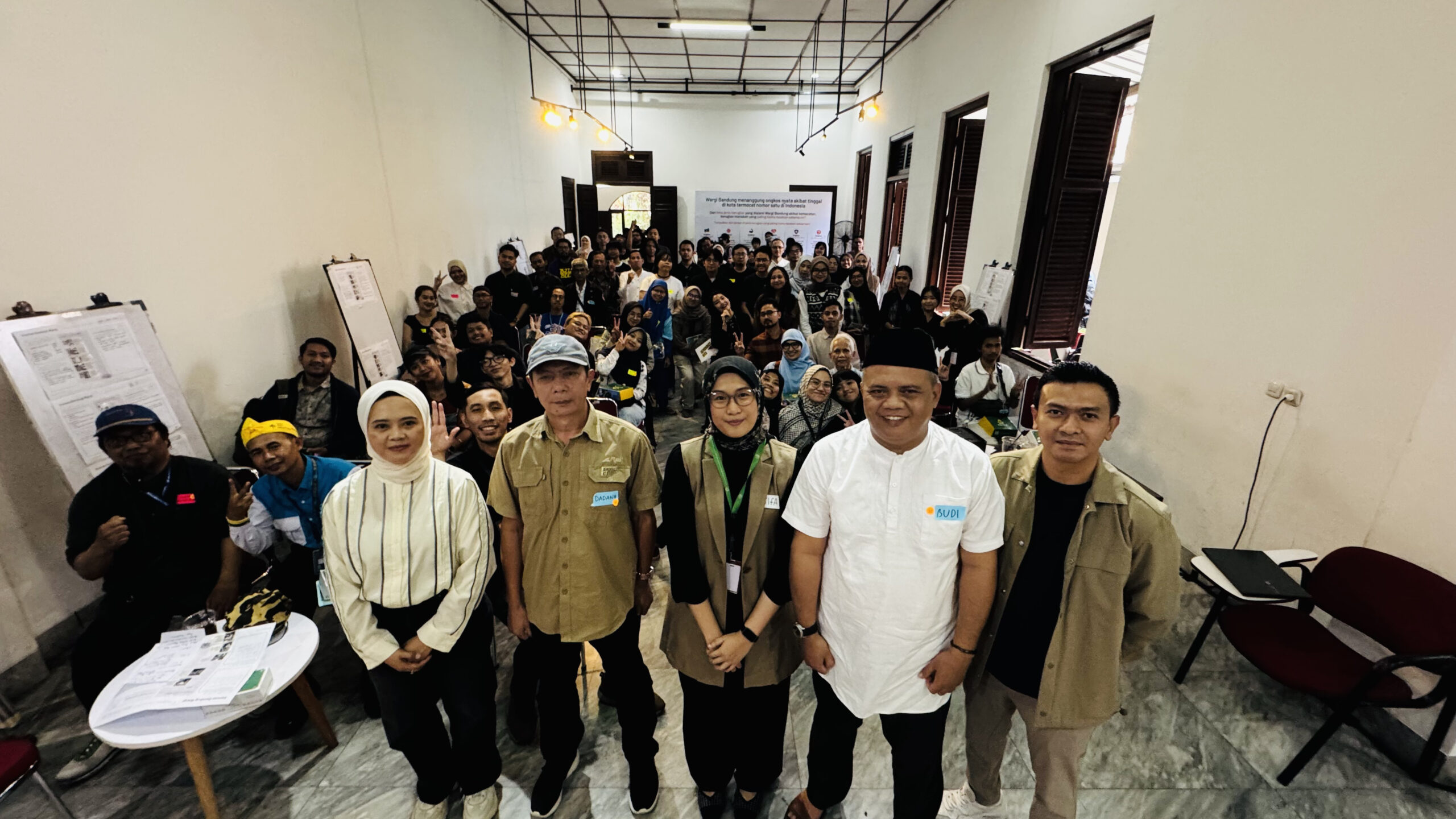
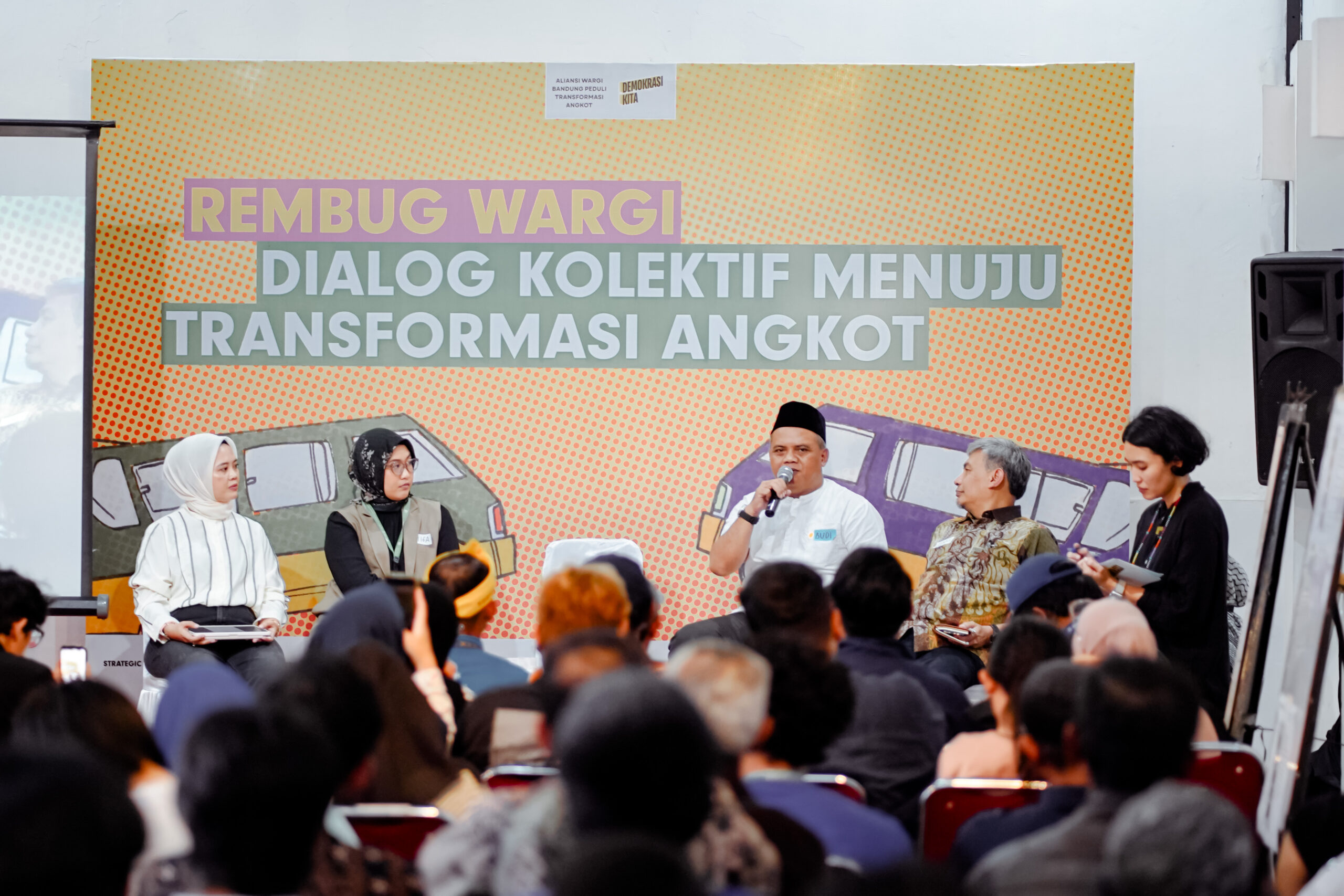
Against the backdrop of this growing mobility crisis, the Bandung Citizens Alliance for Angkot Transformation (Aliansi Wargi Bandung Peduli Transformasi Angkot / AWB-PTA) and Demokrasi Kita organized a public forum titled “Transformasi Angkot Menurut Wargi Bandung” (Angkot Transformation According to Bandung Residents) on Sunday, 28 June 2026, at Gedung Indonesia Menggugat.
Representing ITDP Indonesia, Transport Associate Syifa Maudini joined the multi-stakeholder discussion to share insights on developing an “ideal angkot” system that is integrated with the planned Greater Bandung Bus Rapid Transit (BRT) network.
Lessons from Jakarta, Semarang, and Surakarta
During the discussion, Syifa Maudini explained that successful angkot reform—and public transport reform more broadly—in Jakarta, Semarang, and Surakarta has been driven by strong political commitment and the willingness of local governments to work alongside existing transport operators rather than displacing them.
She emphasized, however, that the transition is far from instantaneous. Building a reformed public transport system requires sustained dialogue, public outreach, and negotiations between governments and operators to facilitate the shift from traditional operating models to new service schemes. Jakarta’s Mikrotrans program, for instance, continues to demonstrate that negotiations remain an ongoing process even after implementation begins.
She further noted that public transport reform should be introduced gradually through transition strategies tailored to each city’s local context. While Jakarta, Semarang, and Surakarta all adopted the Buy-the-Service (BTS) model—under which operators are compensated based on vehicle-kilometers operated—each city has implemented the scheme differently.
In Semarang, the local government combined the BTS scheme with the scrapping of aging fleets owned by operators while simultaneously revoking route permits for services overlapping with government-operated routes. Surakarta, meanwhile, encouraged existing operators to form consortiums and revoked route permits for operators unwilling to participate in the new system.
Drawing from these experiences, ITDP Indonesia presented four key recommendations for Bandung’s public transport reform:
- First, the city government must demonstrate strong political commitment through dedicated funding, supportive policies, and the establishment of a cross-sector working group.
- Second, continuous and phased communication with transport operators must be maintained throughout the reform process.
- Third, the transformation should extend beyond operational changes to include improvements in accessibility and supporting infrastructure.
- Fourth, the city should implement a pilot project to test technical aspects of the new system before scaling it citywide.
Supporting Citizens’ Blueprint for Transport Reform
The absence of Bandung Mayor Muhammad Farhan from the forum also prompted discussion about the original purpose of the citizens’ recommendations.
According to Aliah Rusdinar, the event initiator from Demokrasi Kita, representatives of the alliance had previously met and held direct discussions with the Mayor. During that meeting, they formally submitted a reform blueprint outlining five key recommendations: eliminating the daily revenue deposit system for drivers, implementing Minimum Service Standards (SPM), integrating angkot routes with the planned Greater Bandung BRT network, establishing a coordinated regional transport authority, and ensuring participatory transport planning.
ITDP Indonesia supports the commitment demonstrated by public transport advocacy groups and the people of Bandung in advancing a public transportation system that is sustainable, inclusive, reliable, and responsive to the needs of its users.