
August 27, 2026
ITDP Indonesia Advocates for Stronger Transport Modelling to Shape Jakarta’s Mobility Future at IITS 2026
As Jakarta approaches its 500th anniversary next year, the city has an opportunity to shape the next chapter of its mobility transformation while strengthening its position as a global city. As the national economic centre, Jakarta’s competitiveness will increasingly depend on how effectively it connects people, jobs, services, and economic opportunities across the metropolitan region.
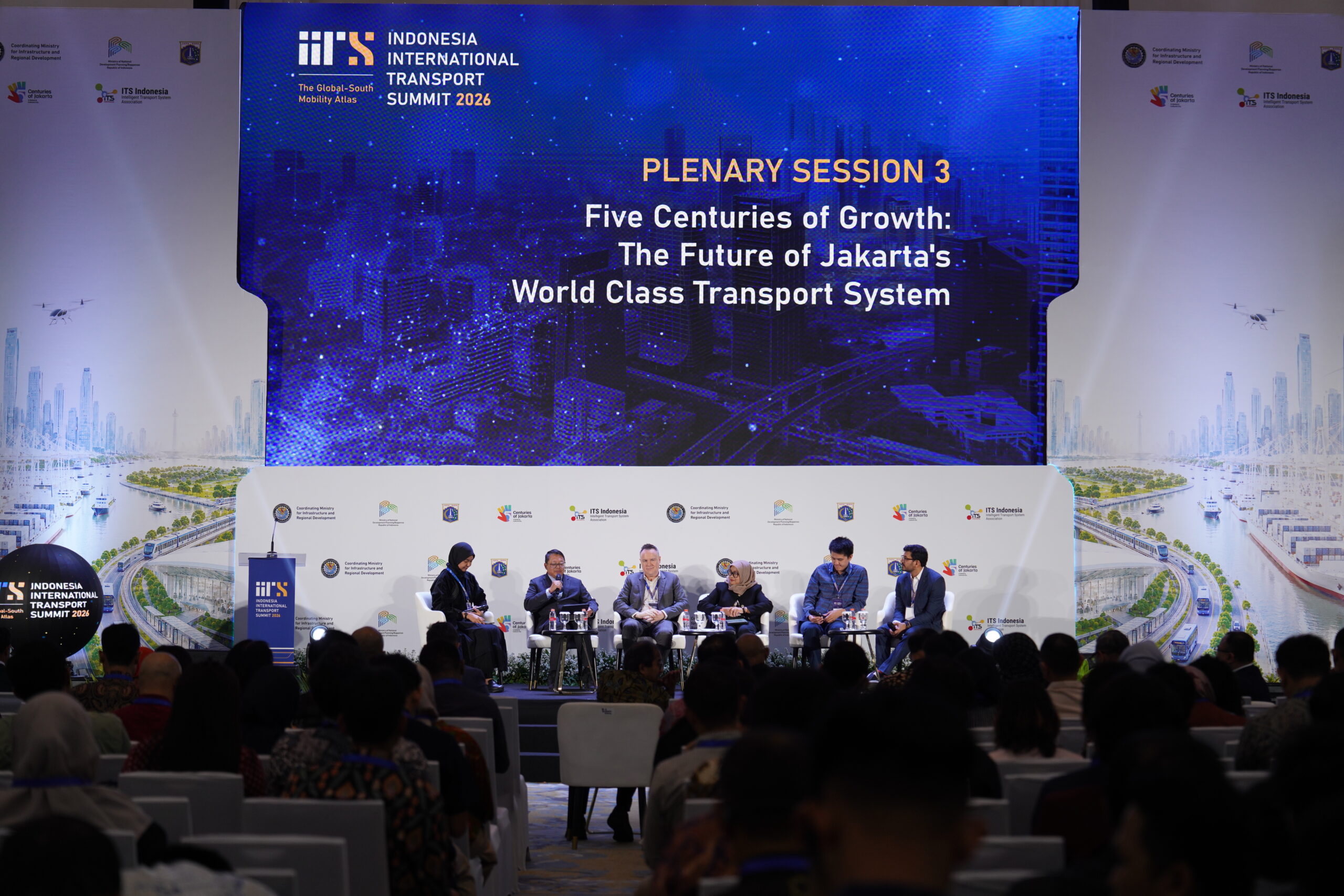
This was one of the key themes explored during the third plenary session, “Five Centuries of Growth: The Journey to Jakarta’s World Class Transport System,” at the Indonesia International Transport Summit (IITS) 2026 on 20 August 2026. Held at Tribrata Hotel & Convention Center in Jakarta, the session brought together government representatives, industry leaders, academics, investors, and transport stakeholders to discuss the future of mobility in Jakarta.
The session opened with a keynote address by Professor Firdaus Ali, Coordinator of Special Staff to the Jakarta Provincial Government. In his presentation, he underscored the importance of data-driven planning in developing more integrated mobility infrastructure and advancing sustainable public transport through fleet electrification.
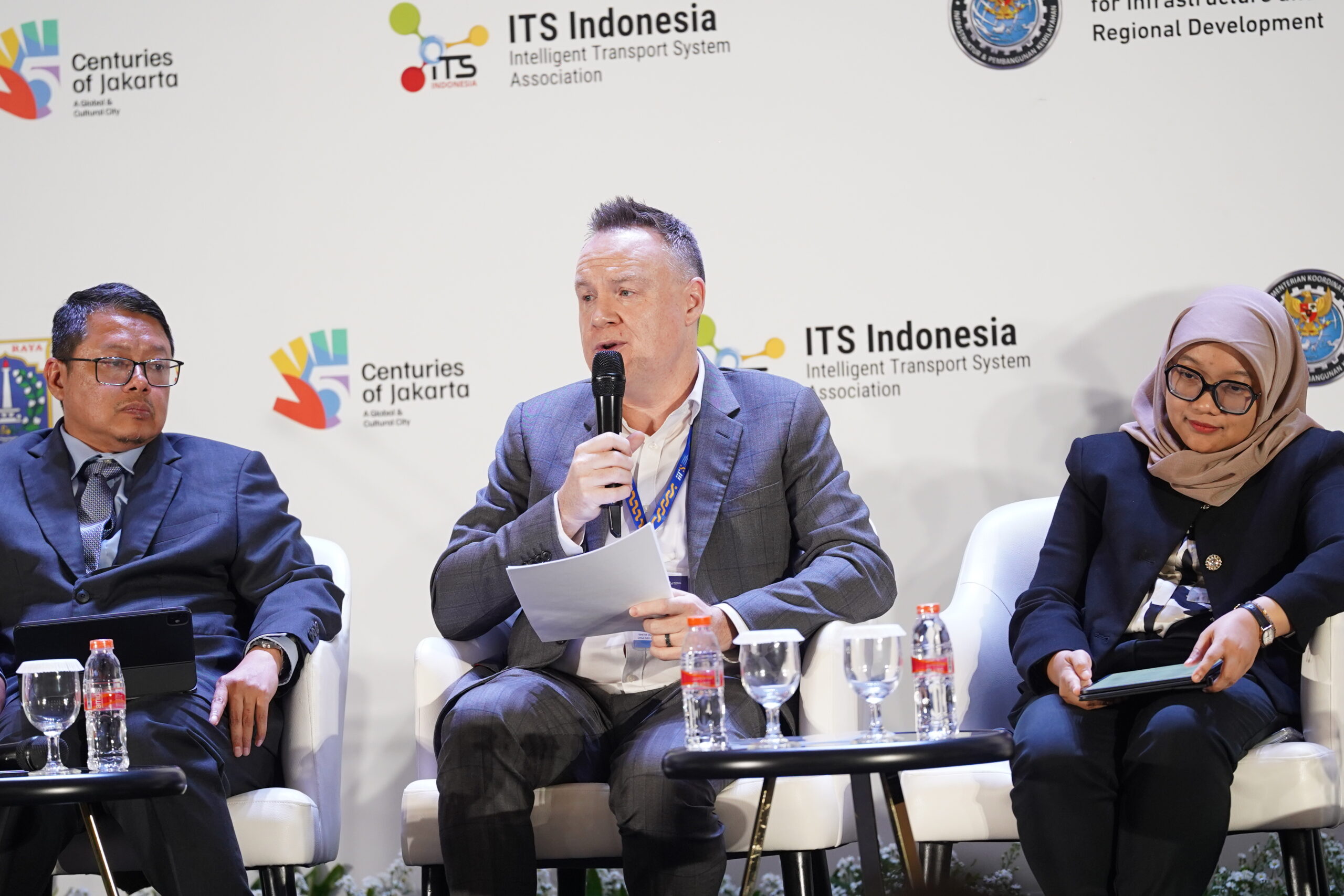
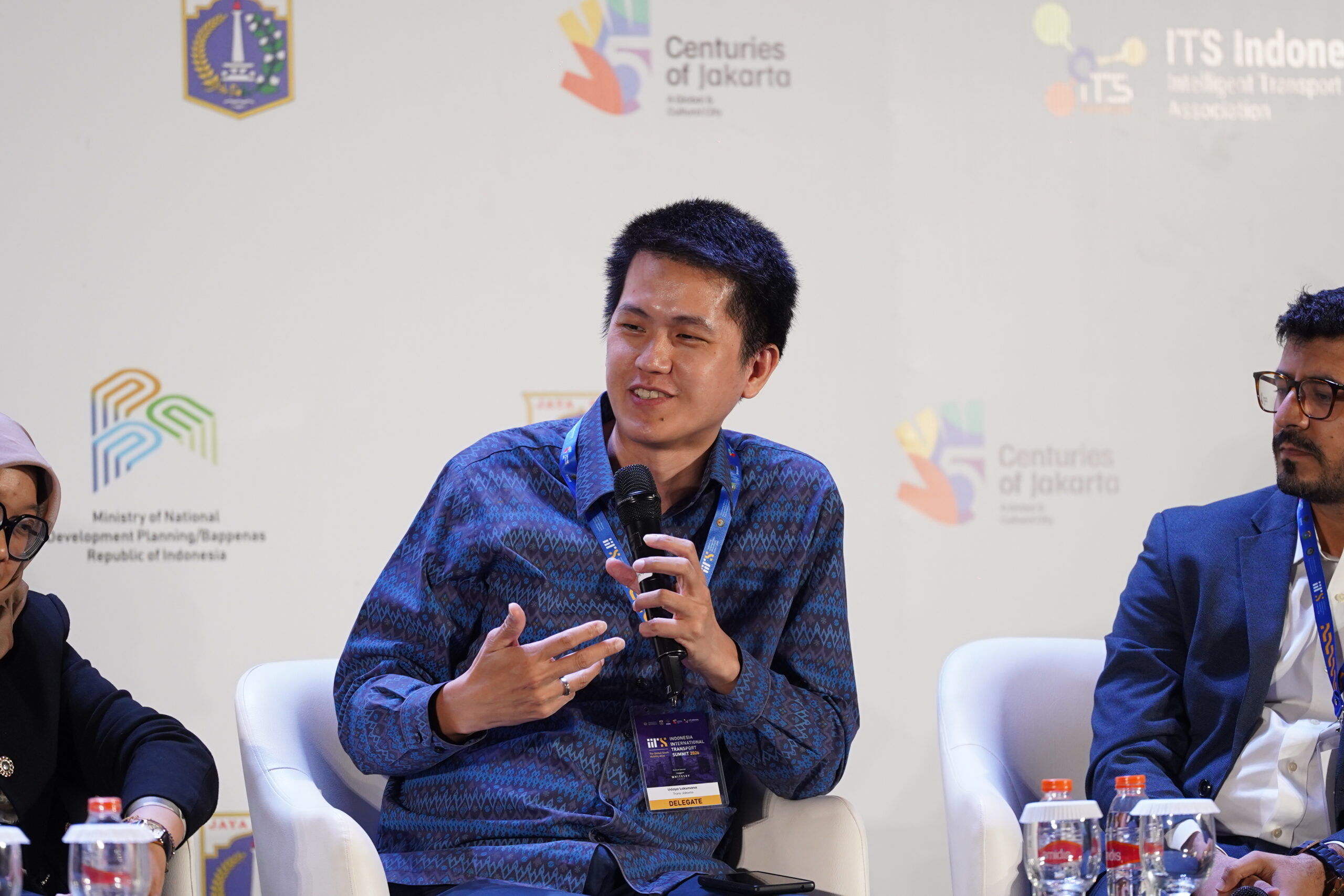
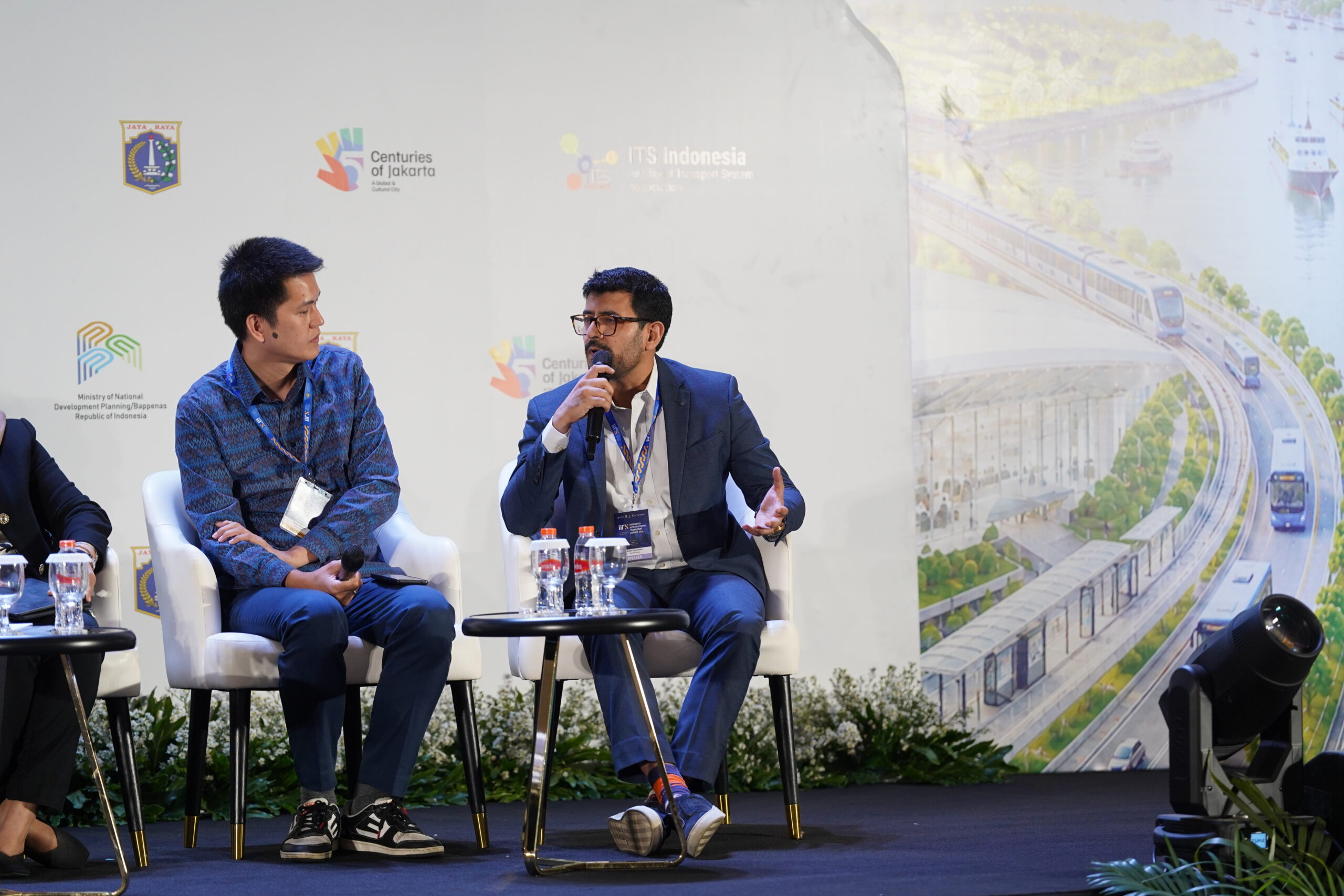
The discussion continued with Budi Awaludin, Head of the Jakarta Transportation Agency (Dishub); Weni Maulina, Director of MRT Jakarta Development; Steven Chaytor, Director of KINETIK; Udayalaksmana Kartiyasa, Head of IT Planning and Innovation Department at Transjakarta; and Sudipt Khandelwal, Sales Director of Trapeze Group ASEAN (Modaxo). The session was moderated by Deliani Siregar, Deputy Director of ITDP Indonesia.
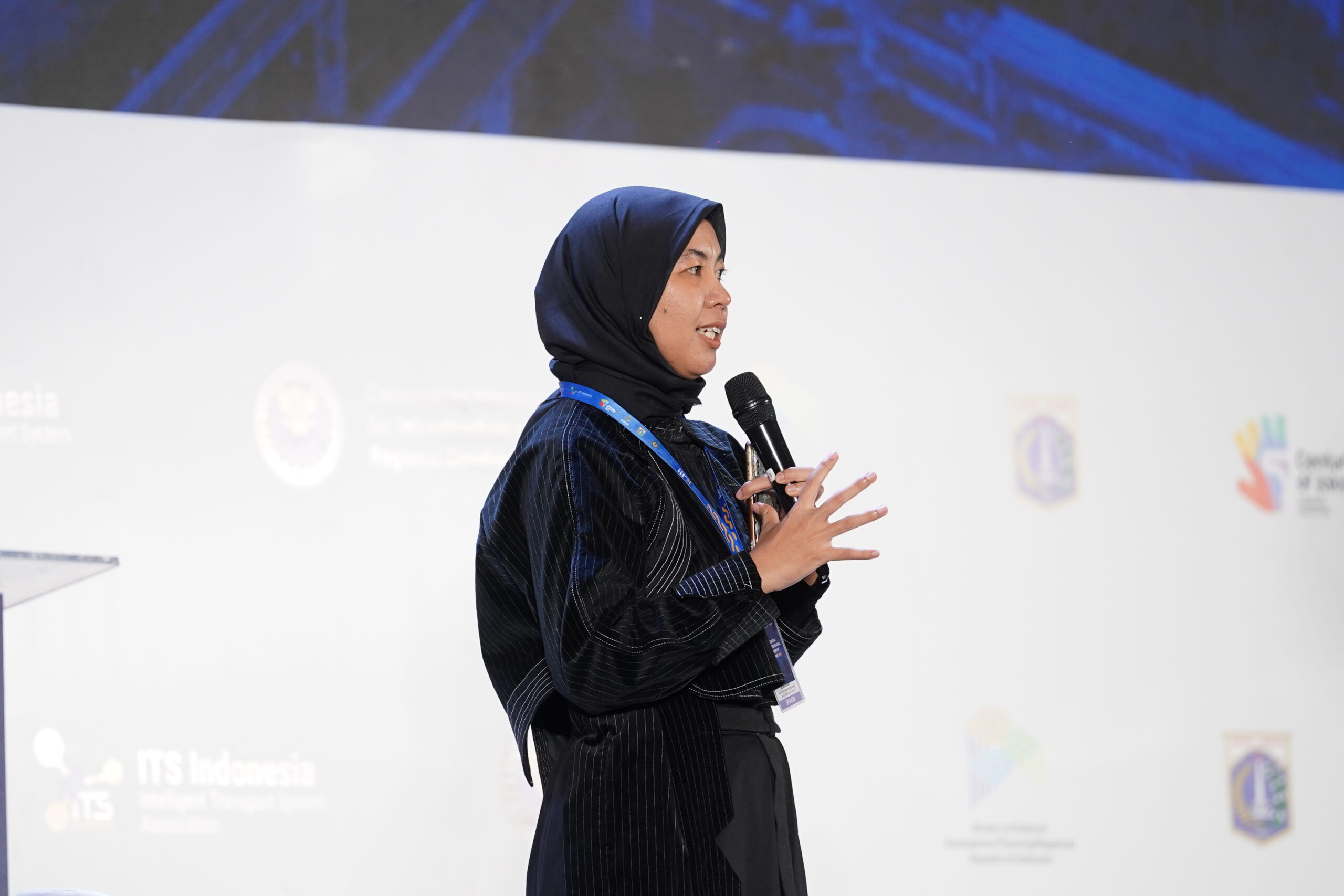
Kicking off the discussion, Deliani highlighted the importance of taking a holistic view of Jakarta’s development to determine the direction of its transport transformation in the years ahead.
“Honestly, we don’t always envision Jakarta’s future with great optimism. But through this discussion, I want to explore how Jakarta can build a better future for transport,” Deliani said. “We need to understand how Jakarta is developing and how modelling can support its progress toward physical, operational, and fare integration.”
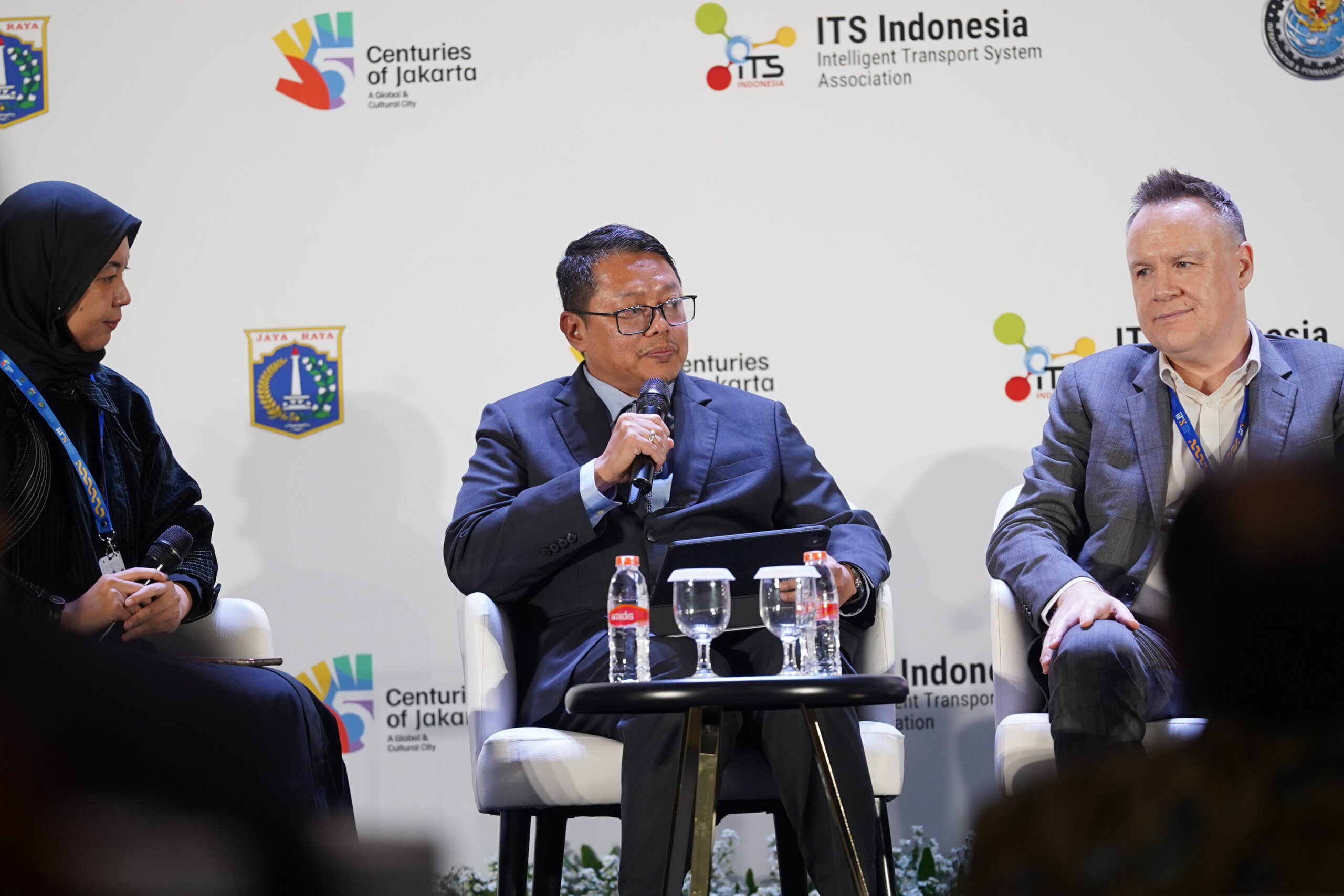
Head of the Jakarta Provincial Transportation Agency (Dishub) Budi Awaluddin then outlined Jakarta’s transport development plans to achieve its vision of becoming one of the world’s top 20 global cities by 2045. “Realising this vision will require approximately IDR 650 trillion, or around US$43 billion, in investment. Jakarta currently records approximately 36.9 million trips per day,” he said.
KINETIK Director Steven Chaytor explained that infrastructure development is not always constrained by a lack of funding. According to Steven, cities need to move beyond using modelling simply to compile a wish list of projects and instead use it to develop a pipeline of credible and realistic projects.
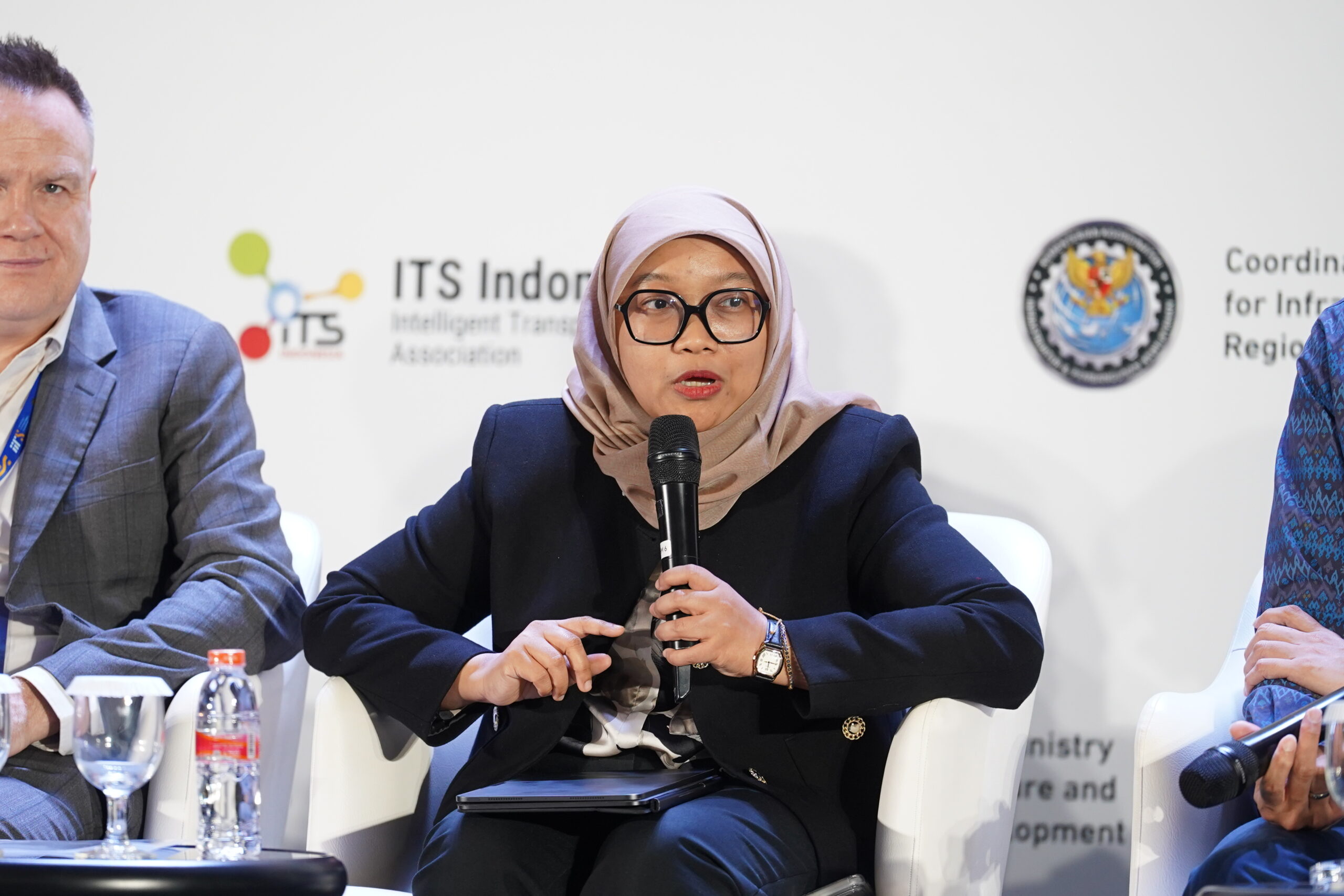
The role of modelling in strengthening a city’s competitiveness was also highlighted by MRT Jakarta Construction Director Weni Maulina. “Modelling helps determine corridors, develop accurate transport projections, and guide land-use planning. The key to expanding the MRT network is synergy between the government, rail operators, and private-sector developers or industries,” she said.
On the role of modelling in improving the effectiveness of Transjakarta routes, Head of IT Planning and Innovation at Transjakarta Udayalaksmana Kartiyasa noted that the challenge of applying data to bus electrification is not simply a matter of data availability, but also how effectively the data is used.
“Jakarta’s target of electrifying 10,000 buses is highly ambitious. However, I am optimistic that this target can be achieved through a policy approach that involves continuously updating contracts with operators,” Udayalaksmana said.
Sales Director of Trapeze Group ASEAN (Modaxo) Sudipt Khandelwal noted that financing risks cannot be fully transferred to the private sector. However, several risks can be assumed by private-sector partners, including construction, asset maintenance, asset performance, and operational performance risks.
At the end of the discussion, ITDP Indonesia screened a short video highlighting its ongoing work to develop a Jabodetabek transport model, which will be presented to the Jakarta Provincial Government as part of the city’s 500th anniversary commemoration.
Through the development of the Jabodetabek transport model, ITDP Indonesia continues to support Jakarta’s efforts to build an integrated, inclusive, and sustainable transport system. The model is expected to provide an evidence-based foundation for the Jakarta Provincial Government in planning the city’s mobility future, while contributing to Jakarta’s long-term efforts to address the mobility challenges of the next 500 years.