September 20, 2026
ITDP Indonesia Pushes for Discussion on Jabodetabek Integrated Transport System
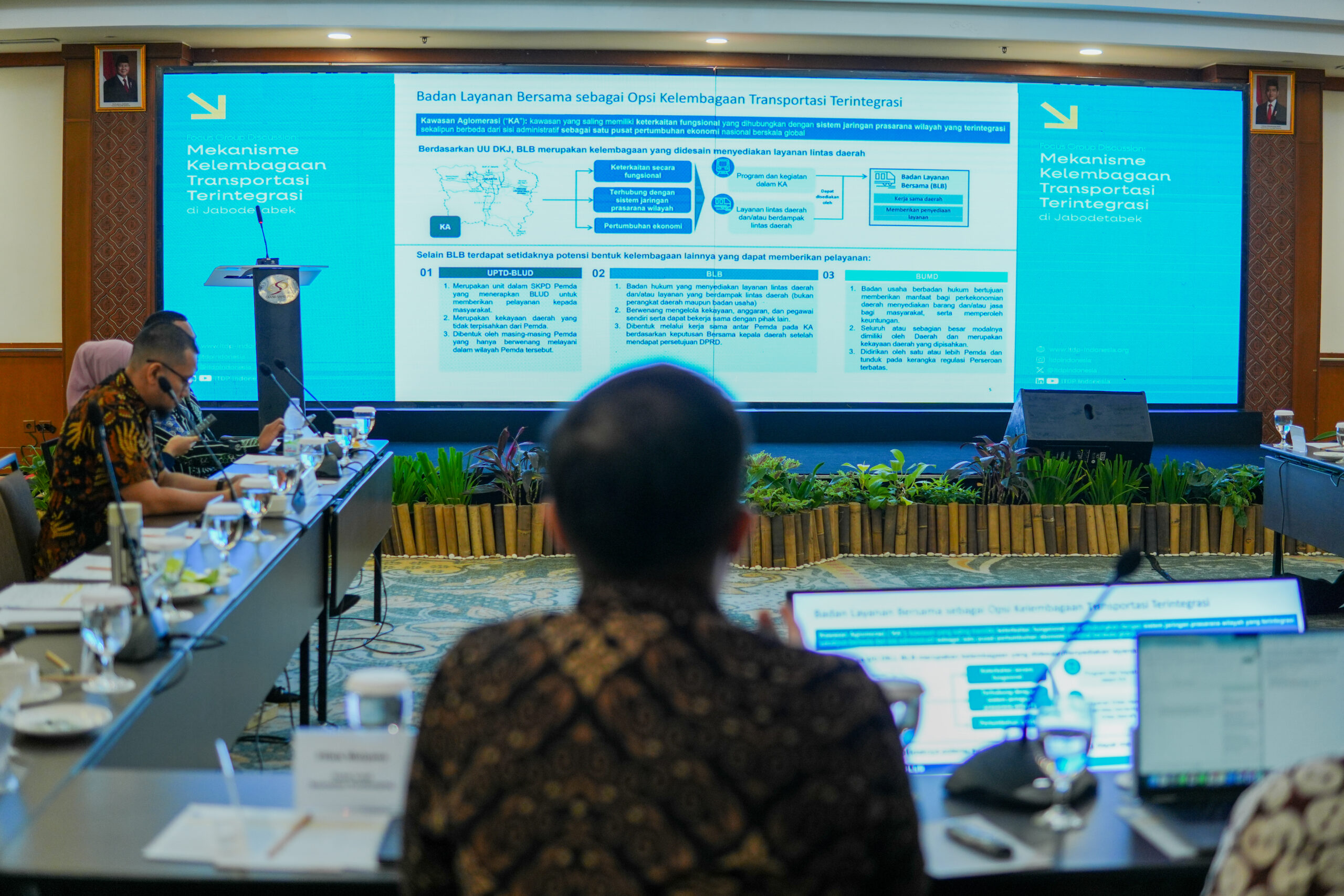
The increasing mobility of people across Jabodetabek is further underscoring the need for an integrated transport management institution. This issue was the focus of a Focus Group Discussion (FGD) titled “Institutional Mechanisms for Integrated Transport in Jabodetabek,” organised by the Institute for Transportation and Development Policy (ITDP) Indonesia together with ViriyaENB through the Comprehensive Low-Emission Action for Resilient Transport in Jabodetabek (CLEAR Jabodetabek) programme.
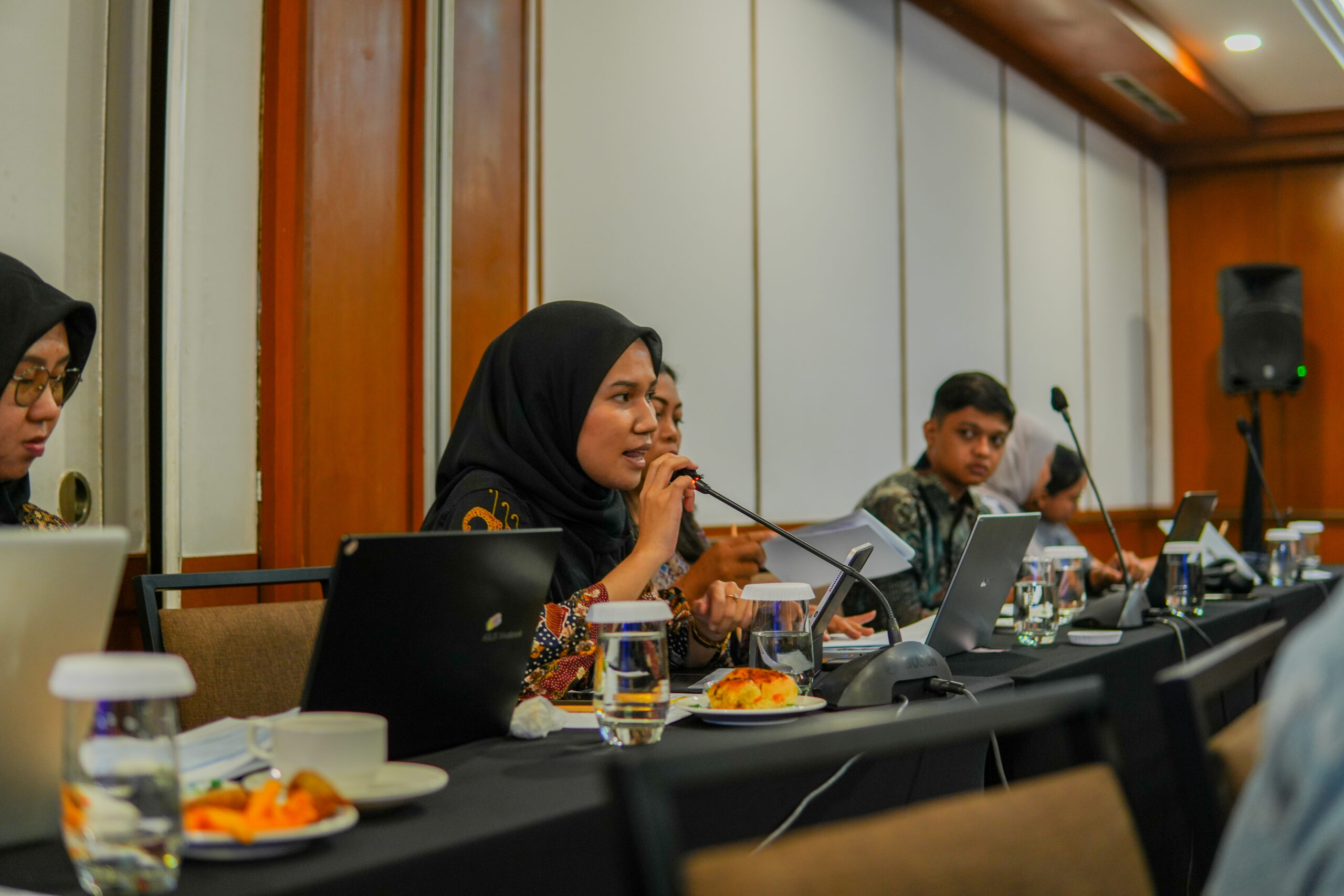
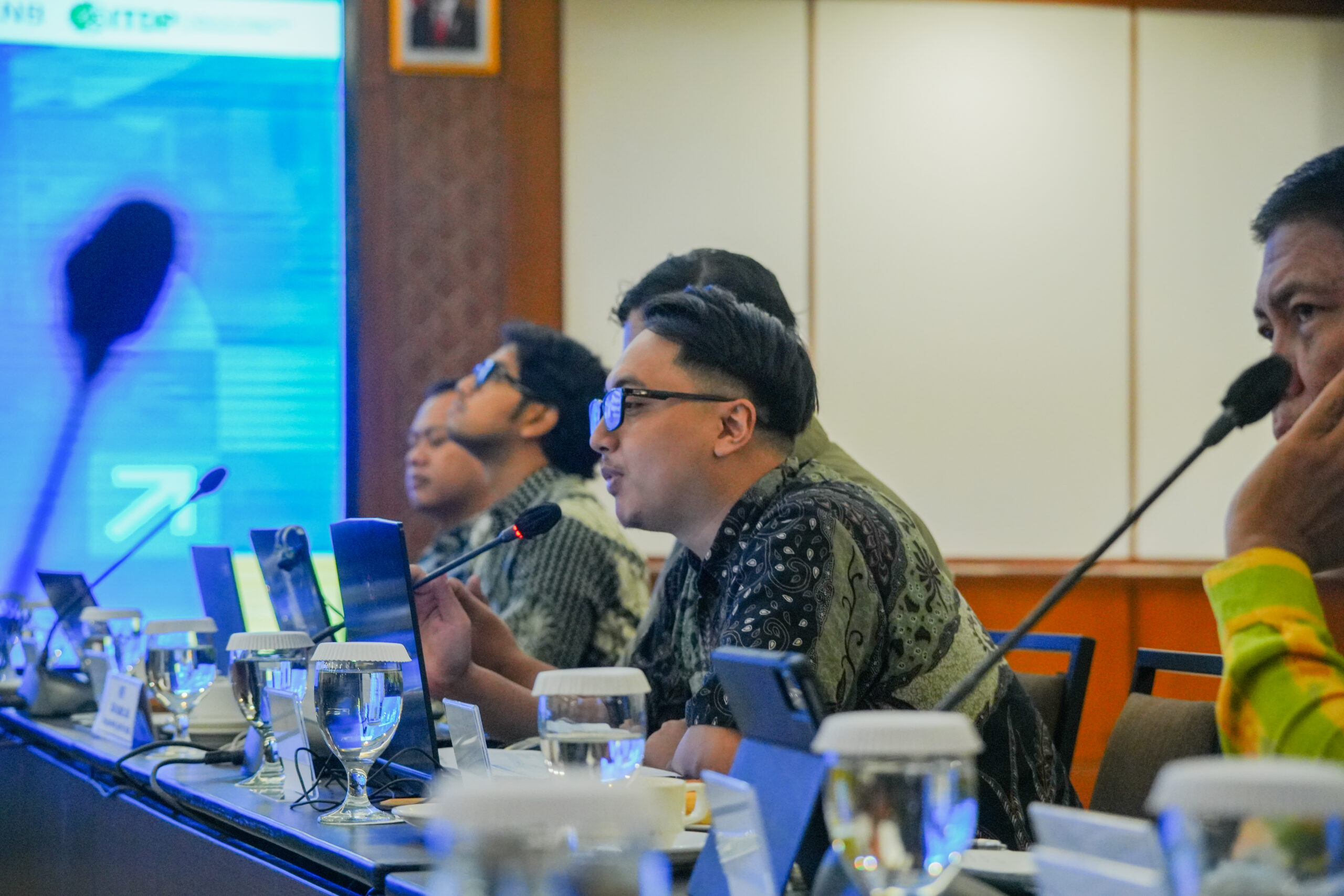
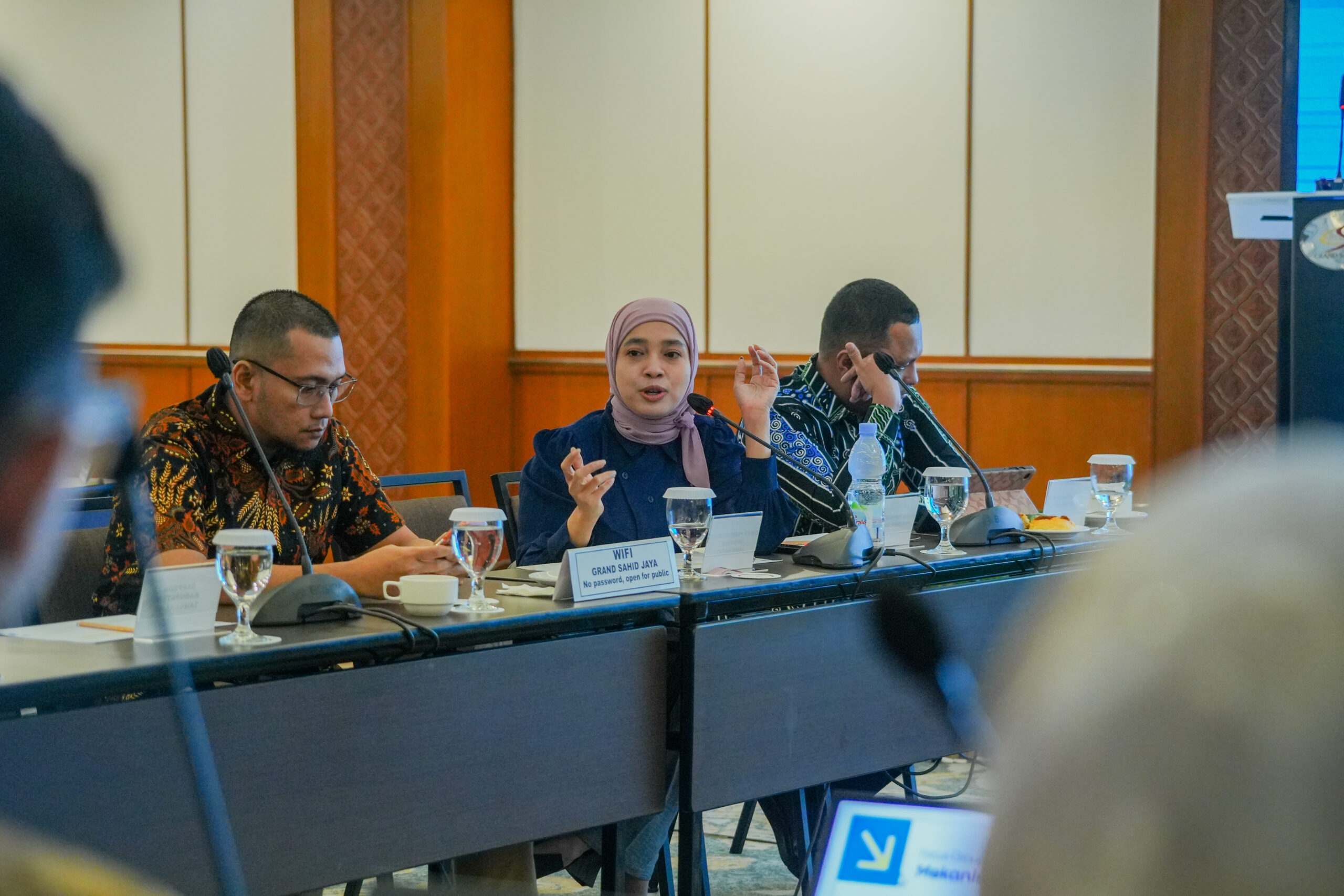
The FGD followed an initial discussion held on 13 May 2026. The event brought together representatives from the Ministry of Transportation, Ministry of Home Affairs, Coordinating Ministry for Infrastructure and Regional Development, Ministry of National Development Planning/Bappenas, provincial and municipal governments across Jabodetabek, public transport operators, as well as various relevant institutions and partners. Participants discussed and examined institutional mechanisms, including the division of roles and authorities, funding and financing, cooperation and asset management, as well as data and fare integration.
“In October, we will launch the study, which will present findings and recommendations on strengthening transport integration in Jabodetabek, accompanied by transport modelling to support the advancement of transport integration across physical, operational, and fare systems,” said Gonggomtua.
The modelling is expected to provide a basis for the DKI Jakarta Provincial Government in planning the future of mobility in Jakarta, while also contributing to efforts to prepare the city to better address future mobility challenges.
Opening the morning session, ITDP Southeast Asia Director Gonggomtua Sitanggang emphasised that strengthening institutional arrangements is essential to ensuring that transport integration can be implemented effectively.
“In this context, institutional integration is not only about organisational structures or the division of roles and authorities. Its success also depends heavily on how funding and financing mechanisms are structured, how cooperation and asset management are carried out, and how fare and data integration can be established across jurisdictions, modes, and operators,” said Gonggomtua.
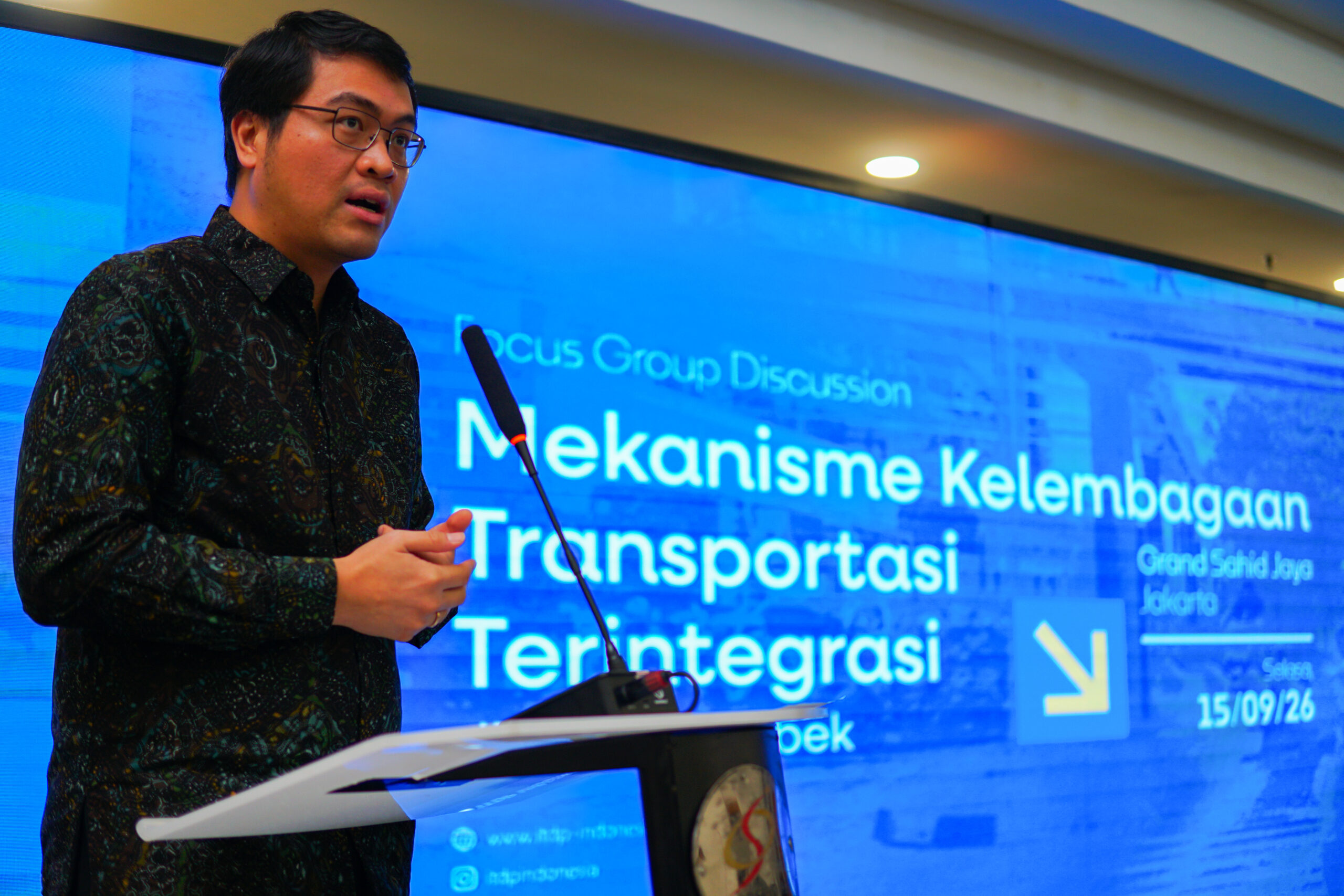
“Ultimately, strengthening transport institutions is not the end goal. What we want to achieve is a Jabodetabek transport system that is increasingly integrated and efficient, and that can provide better services for the public. At the same time, this integration is expected to support collective efforts to reduce congestion and air pollution, as well as lower emissions from the transport sector,” Gonggomtua continued.
The discussion underscored that integrating transport across Jabodetabek requires more than coordination between institutions. It requires an institutional arrangement with clear functions and authorities, supported by sustainable funding as well as integrated data and fare systems.
Key points from the discussion included:
- Participants emphasised the importance of clearly defining the functions and authorities of the BLB. This includes clarifying decision-making processes, coordination across jurisdictions and transport modes, and asset management. Institutional strengthening should also consider making use of existing resources and institutions to avoid creating unnecessary additional layers of bureaucracy.
- Jabodetabek’s transport system, which spans multiple provinces and local governments with varying fiscal capacities, requires greater clarity on the allocation of funding responsibilities, including the Public Service Obligation (PSO). The discussion also highlighted the need for sustainable funding schemes, multi-year budget commitments, and mechanisms that can encourage local governments to participate. Support and incentives from the central government could serve as one instrument to strengthen local governments’ commitment to integrated transport services.
- Institutional arrangements need to be translated into implementable mechanisms. The Regional Agglomeration Development Master Plan (RIPKA) is expected to be translated into a concrete and implementable framework, while also serving as a reference for local governments in planning and implementing transport integration. Long-term commitments across levels of government must also be maintained to ensure that the continuity of integration does not depend on changes in political leadership.
Through this FGD, input from various stakeholders will be used to further refine the framework for integrated transport institutional mechanisms being developed by ITDP Indonesia and ViriyaENB. The study builds on ITDP’s 2024 Jabodetabek Transport Integration Study, while taking into account developments in the regulatory and institutional frameworks currently in place.
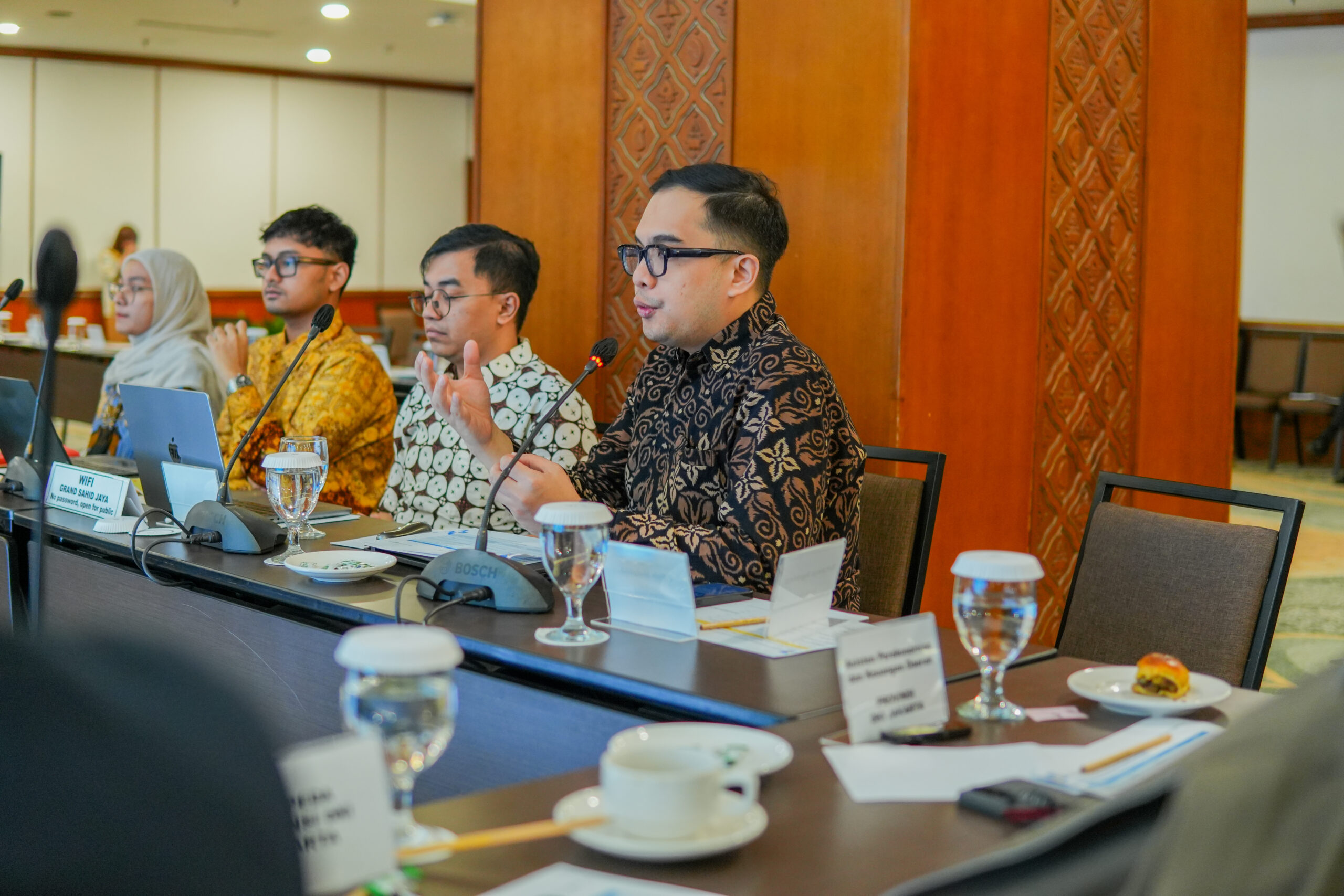
“In October, we will launch the study, which will present findings and recommendations on strengthening transport integration in Jabodetabek, accompanied by transport modelling to support the advancement of transport integration across physical, operational, and fare systems,” said Gonggomtua.
The modelling is expected to provide a basis for the DKI Jakarta Provincial Government in planning the future of mobility in Jakarta, while also contributing to efforts to prepare the city to better address future mobility challenges.