September 20, 2026
ITDP Indonesia Drives Ecosystem Development to Accelerate Public Transportation Electrification
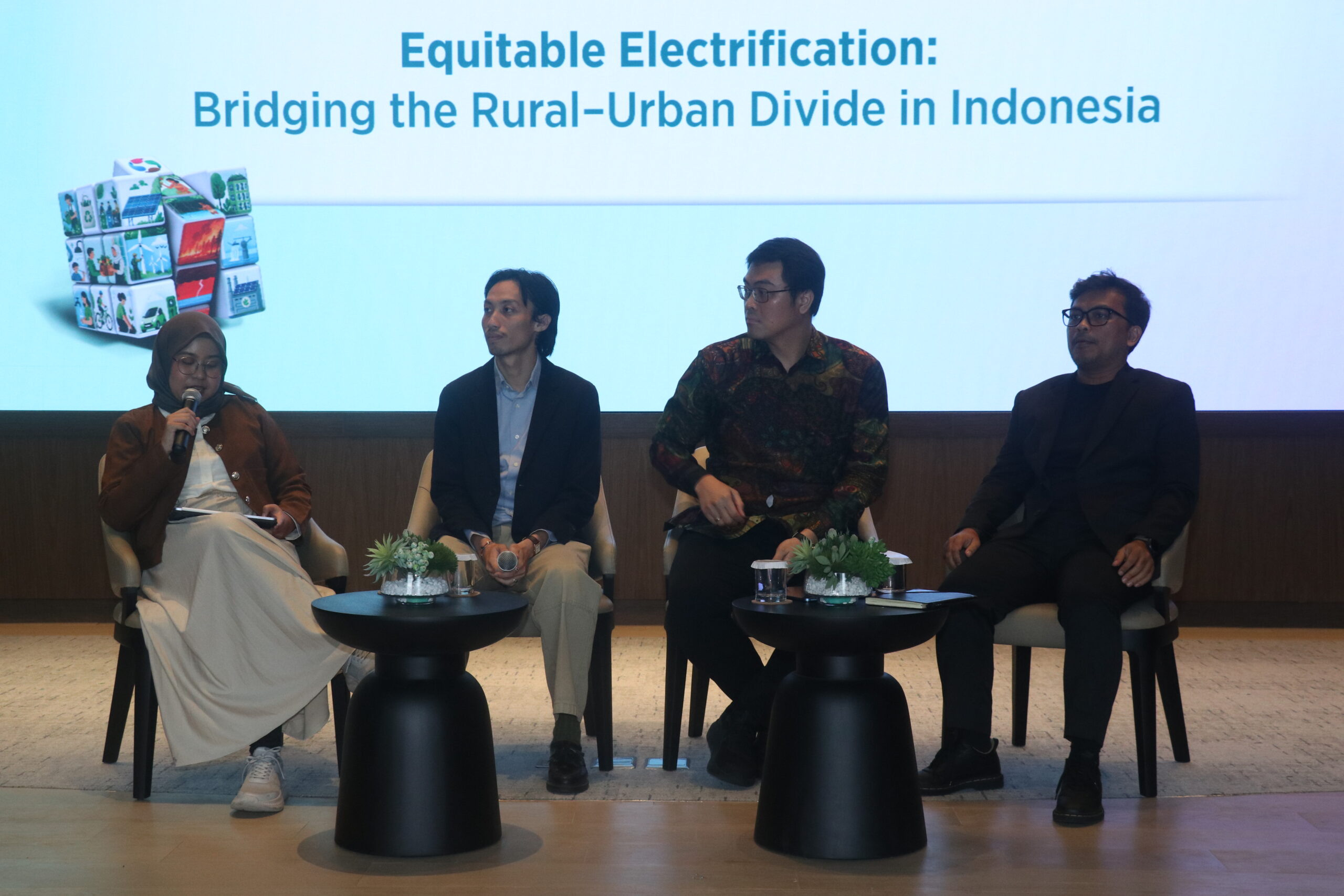
The need for and efforts to accelerate electrification in Indonesia face unique and context-specific challenges. Urban and rural areas face different electrification challenges. While cities are in the process of electrifying transportation, villages are still struggling with unreliable access to electricity. This makes the transition to electric vehicles in rural areas more difficult. This issue was one of the topics discussed in the session “Equitable Electrification: Bridging the Rural–Urban Divide in Indonesia” at Katadata SAFE 2026, on Wednesday (16/9).
The session featured ITDP Southeast Asia Director Gonggomtua Sitanggang, Indonesia CERAH Foundation Policy Strategist Dwiki Mahendra, and Rumah Energi Foundation Executive Director Sumanda Tondang.
Dwiki stated that Indonesia’s electrification agenda should not only be directed at electric vehicles and urban transportation, but should also bridge the rural electricity access gap. He sees the government’s 100-gigawatt Solar Power Plant program as being able to offer a foundation and serve as a source of clean electricity for urban areas, while also becoming a solution for meeting basic electrification needs in rural areas.
Sumanda views equalizing electricity access in rural areas as closely linked to poverty alleviation efforts and improving community productivity. “Electrification must become an instrument for how communities can develop economically,” said Sumanda. A community-driven energy model based on local resources could be a solution to this issue.
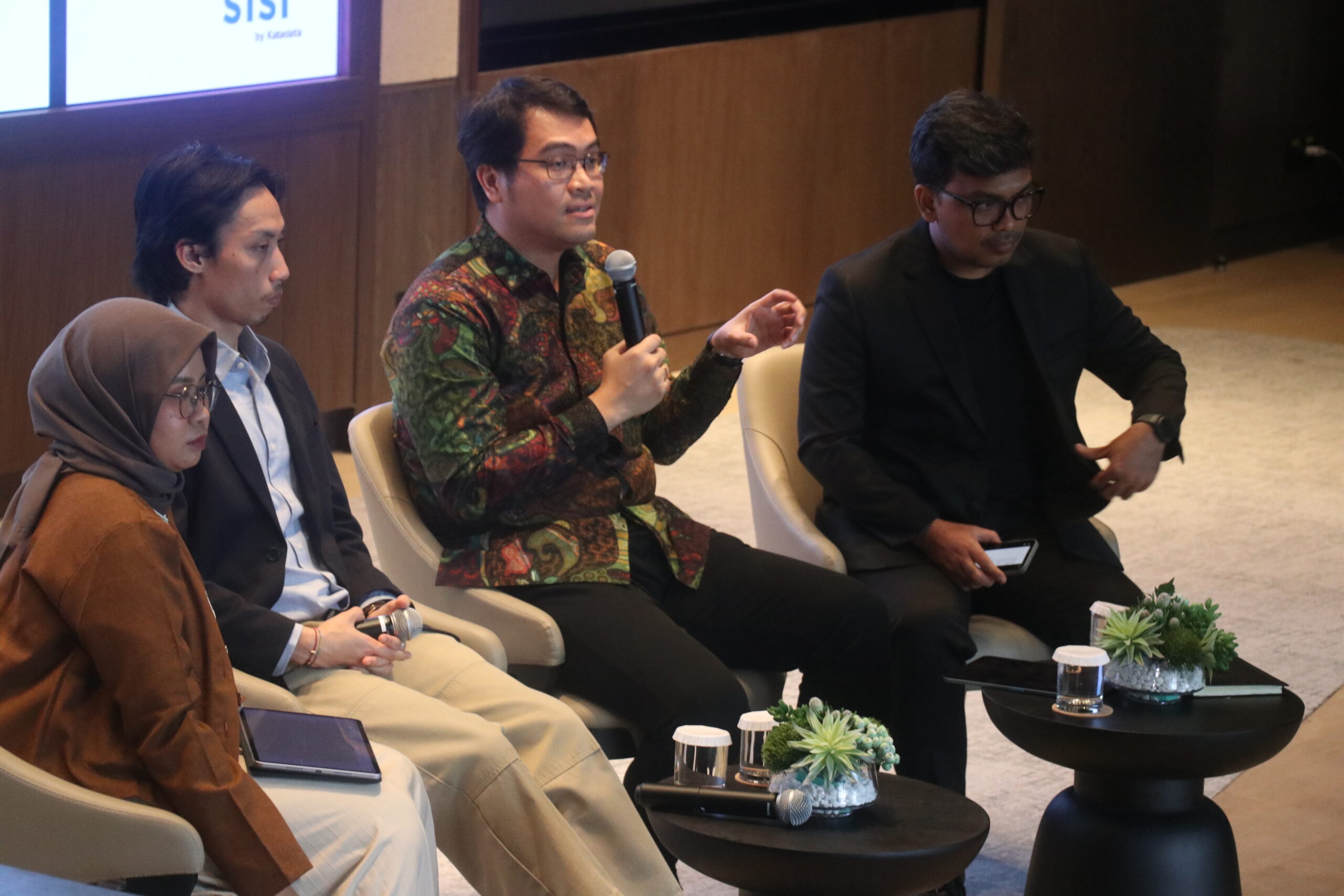
Meanwhile, from the transportation side, Gonggomtua emphasized that electrification is not only a matter of technology replacement, but also a momentum for improving the quality of public transportation services.
“Currently, only 583 electric buses are operating for urban public transportation,” said Gonggomtua. He revealed that to encourage the adoption of electric buses, fiscal and non-fiscal incentives as well as contract model interventions could lower the cost requirements for electric buses.
He continued that ITDP Indonesia recommends direction and mandates for electric bus adoption, cross-sector supporting policies, as well as technical implementation policies and guidelines that will be facilitated by ITDP through the e-Bus Hub this coming November.
“We have created a public transportation electrification matrix – the key elements needed to fulfill electric bus adoption are service availability, the governing authority, budget provision, operators, planning, fiscal capacity, stability, and the availability of electrical grid infrastructure.”
In addition to speaking at the thematic session, ITDP Indonesia also held a tarot booth where visitors could draw tarot cards inscribed with present-day urban problems. After drawing a card, ITDP staff would discuss the problem on the card and possible solutions to address it. Visitors could take home the cards they drew as merchandise.
Equitable electrification requires an approach that goes beyond simply replacing technology. In both urban and rural areas, electrification needs to be supported by policy, institutions, financing, infrastructure, and planning tailored to the needs of each region. In the context of public transportation, electrification also needs to become a momentum for delivering services that are of higher quality, more affordable, and more reliable.
By ensuring that this entire ecosystem operates in harmony, electrification can become part of a larger systemic transformation: promoting cleaner mobility in urban areas while simultaneously expanding energy access and economic opportunities in rural areas. Ultimately, the energy transition is not just about what powers vehicles, but about how its benefits can be felt more broadly and equitably.