
September 13, 2026
ITDP Indonesia Invites Families to Assess Walkability in Blok M
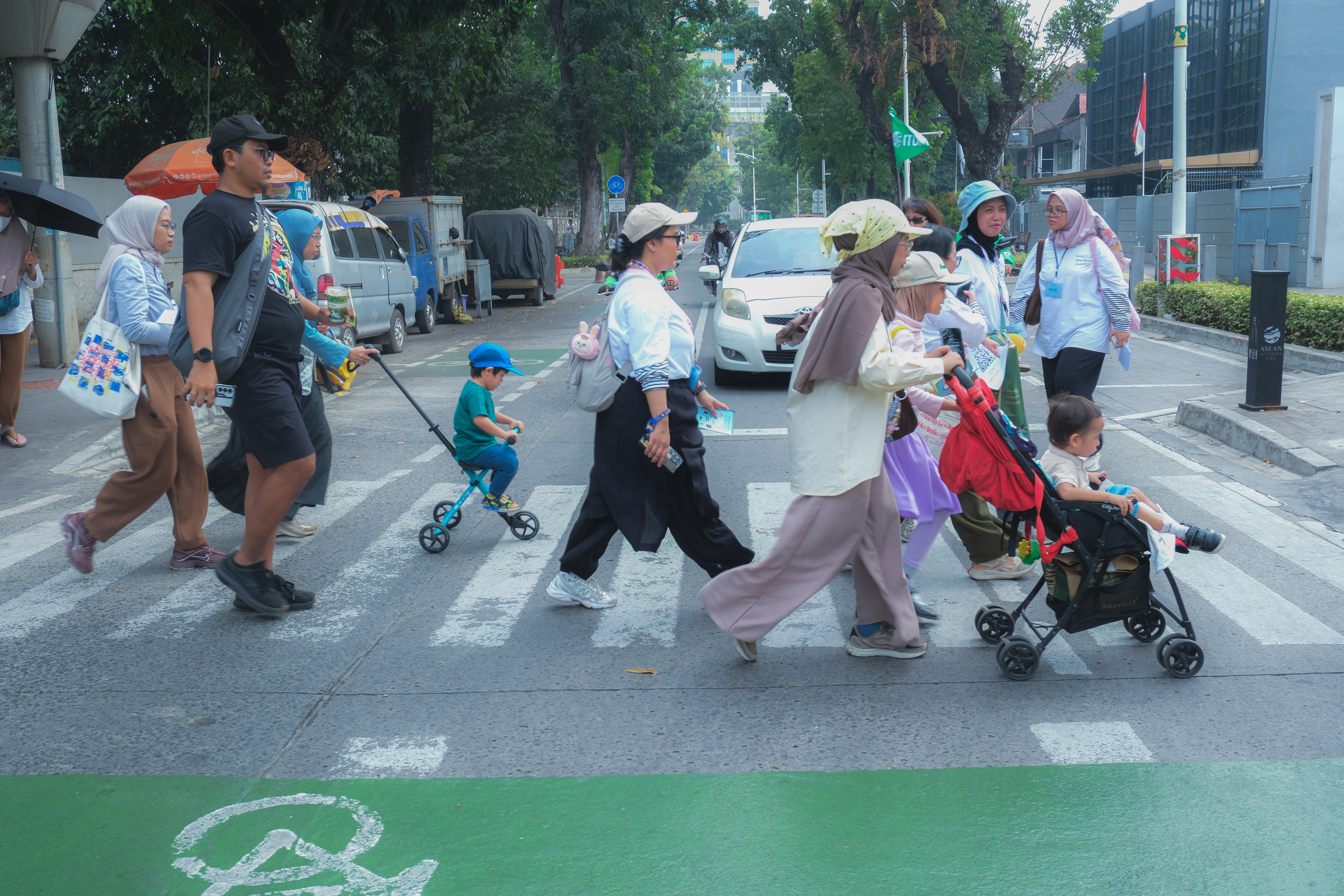
“Is Blok M family-friendly?” This was the question explored during the Walking Tour Stroller Audit, organised by ITDP Indonesia, Buibu Baca Buku Book Club (BBBB), and Jakarta Good Guide (JGG) on Saturday, 12 September 2026. Caregivers and their children were invited to explore Blok M while assessing the area’s accessibility. Beyond the walking tour itself, the event also aimed to raise public awareness of the gap between the designation of Blok M as a Transit-Oriented Development (TOD) area and the realities on the ground, while encouraging efforts to accelerate Blok M’s transformation into a fully integrated, low-emission TOD area.
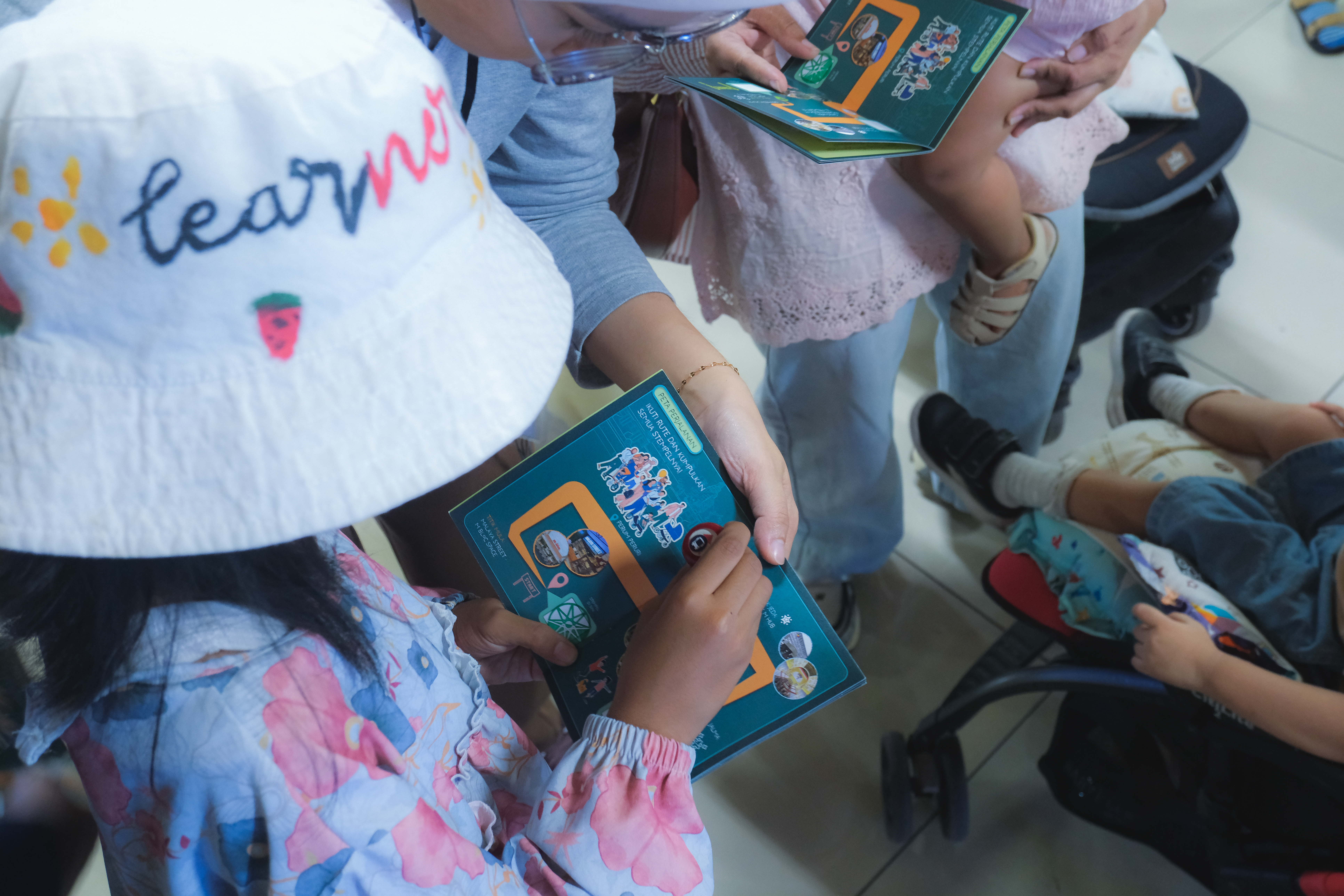
Children were given a Blok M Walking Adventure Passport, where they could collect stickers and stamps at each destination, while caregivers were provided with an online audit form. The journey began at Malaya Street, M Bloc, before continuing along Jalan Trunojoyo towards Jalan Palatehan. On Jalan Palatehan, participants learned about the history of Perum Peruri while identifying and sharing their observations on various street features, from bollards, bike lanes, and guiding blocks to wayfinding signage and sidewalk conditions.
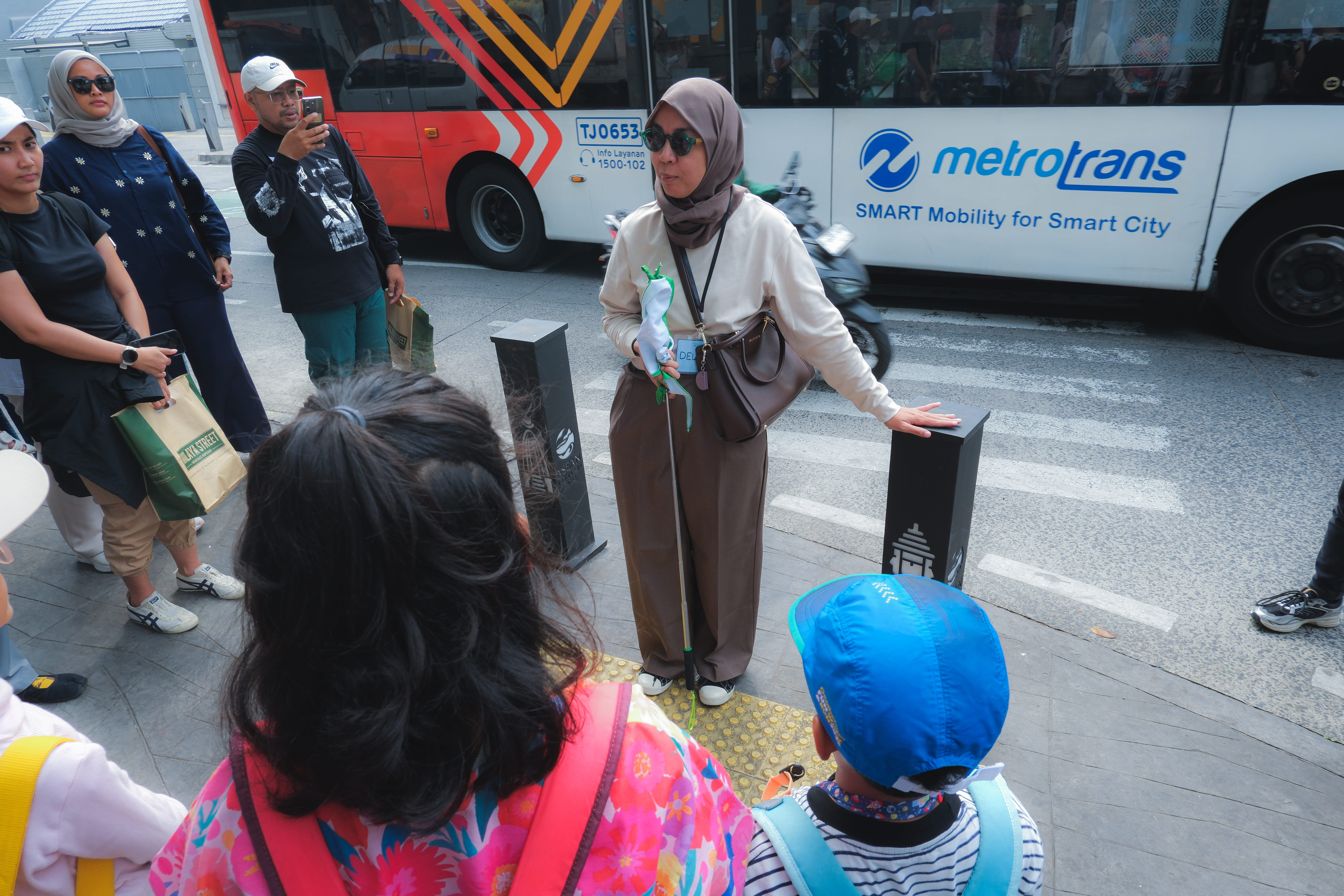
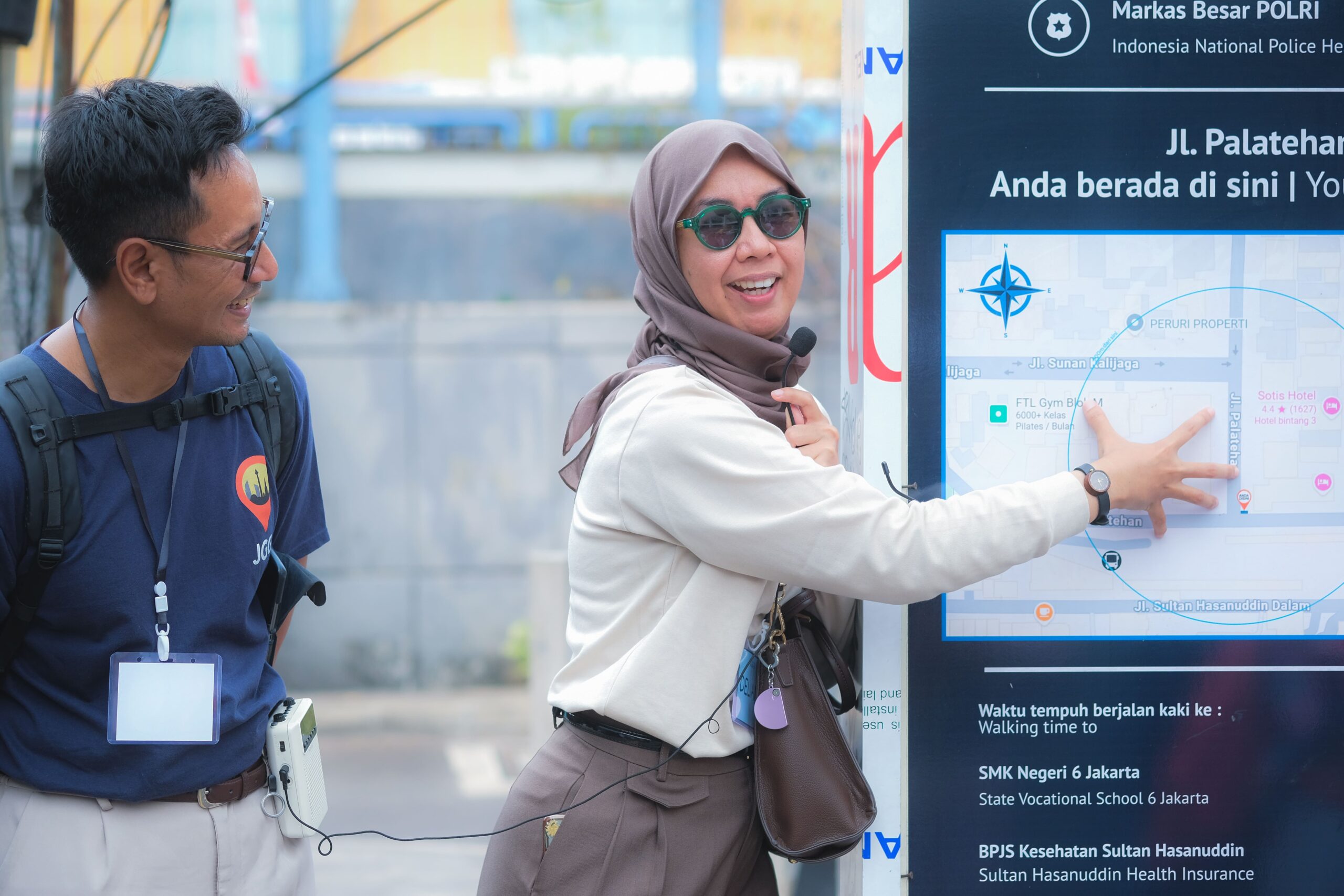
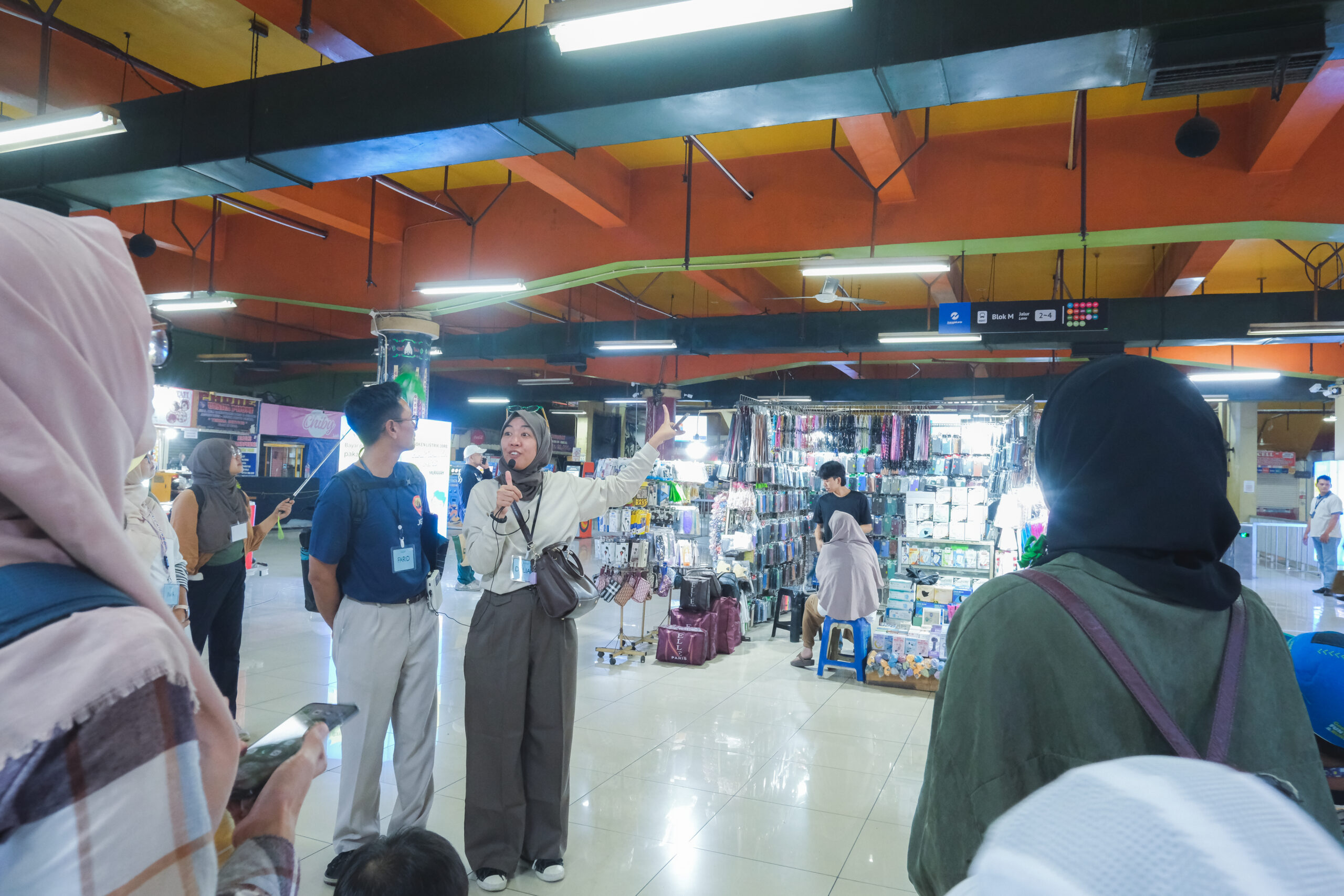
ITDP Indonesia Deputy Director Deliani Siregar explained and demonstrated the functions of these features, including bollards as protective barriers that safeguard pedestrian space while restricting motorised vehicle access; guiding blocks as tactile pathways for people with visual impairments; and wayfinding maps to help people navigate their surroundings.
The journey continued to Blok M Terminal, where participants assessed pedestrian accessibility and the legibility of wayfinding signage. Here, participants with strollers had to carry them up and down the stairs. The challenges did not end there: participants also had to navigate uneven surfaces shared with motorised vehicles.
The final stop was Aloo Cafe in Melawai, where participants gathered to share their experiences along the route. Steep stairs and uneven sidewalks emerged as the main concerns. One participant even described Blok M as a “Hyrox simulation and obstacle course because it is so difficult to navigate with a stroller.”
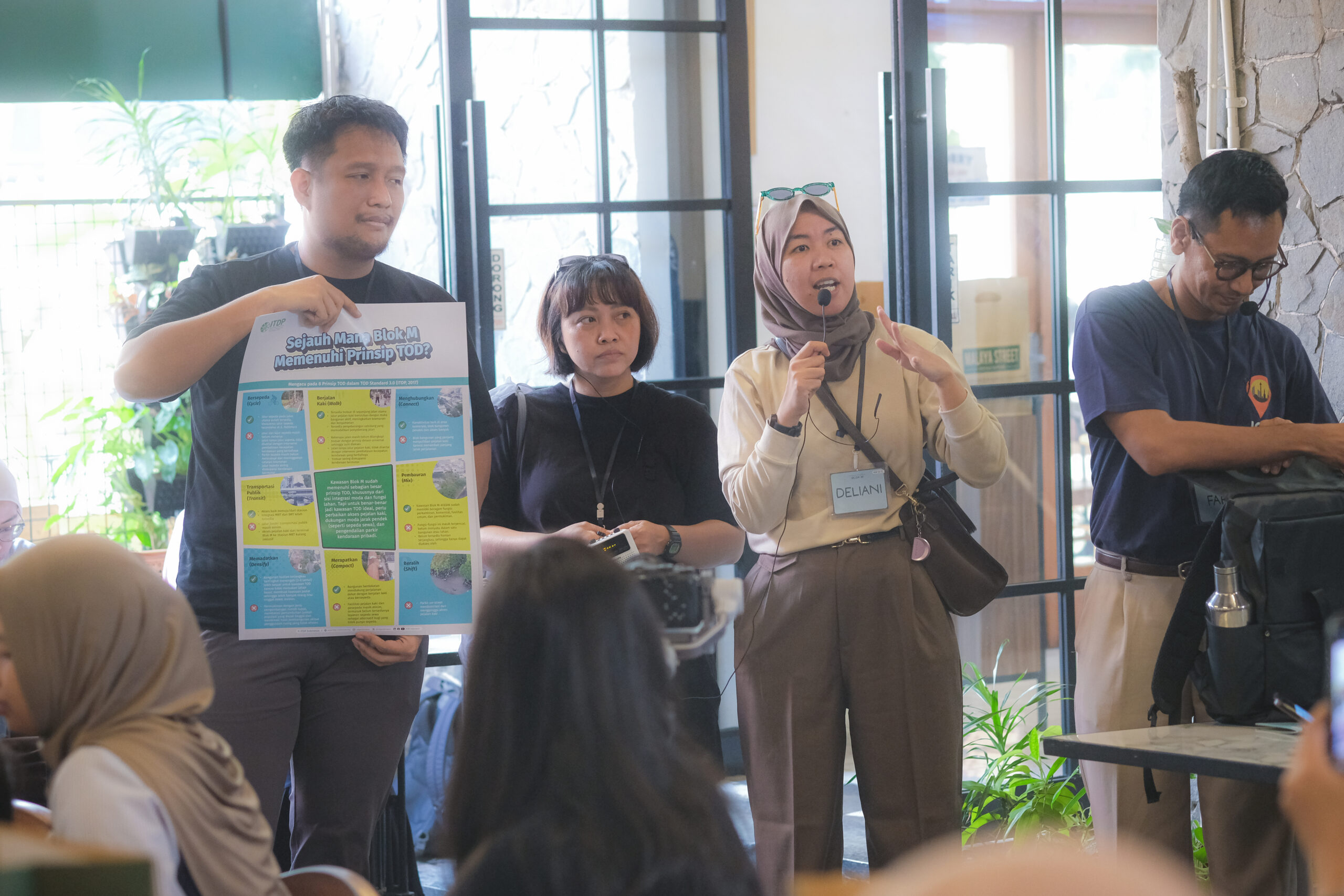
The event continued with a discussion featuring representatives from ITDP Indonesia, JGG, and MRT, moderated by BBBB. Deliani from ITDP Indonesia explained that Blok M is part of a Transit-Oriented Development (TOD), or Kawasan Berbasis Transit (KBT). In Jakarta, TOD areas are centred around MRT stations, with transit stops and stations located within a 350–700-metre radius and designed to be safely and comfortably accessible on foot or by bicycle.
Beyond integration with public transport, TOD areas should also provide affordable housing, connect residents to everyday services, and offer adequate pedestrian and cycling infrastructure. These areas also need to be supported by dense housing and commercial facilities.
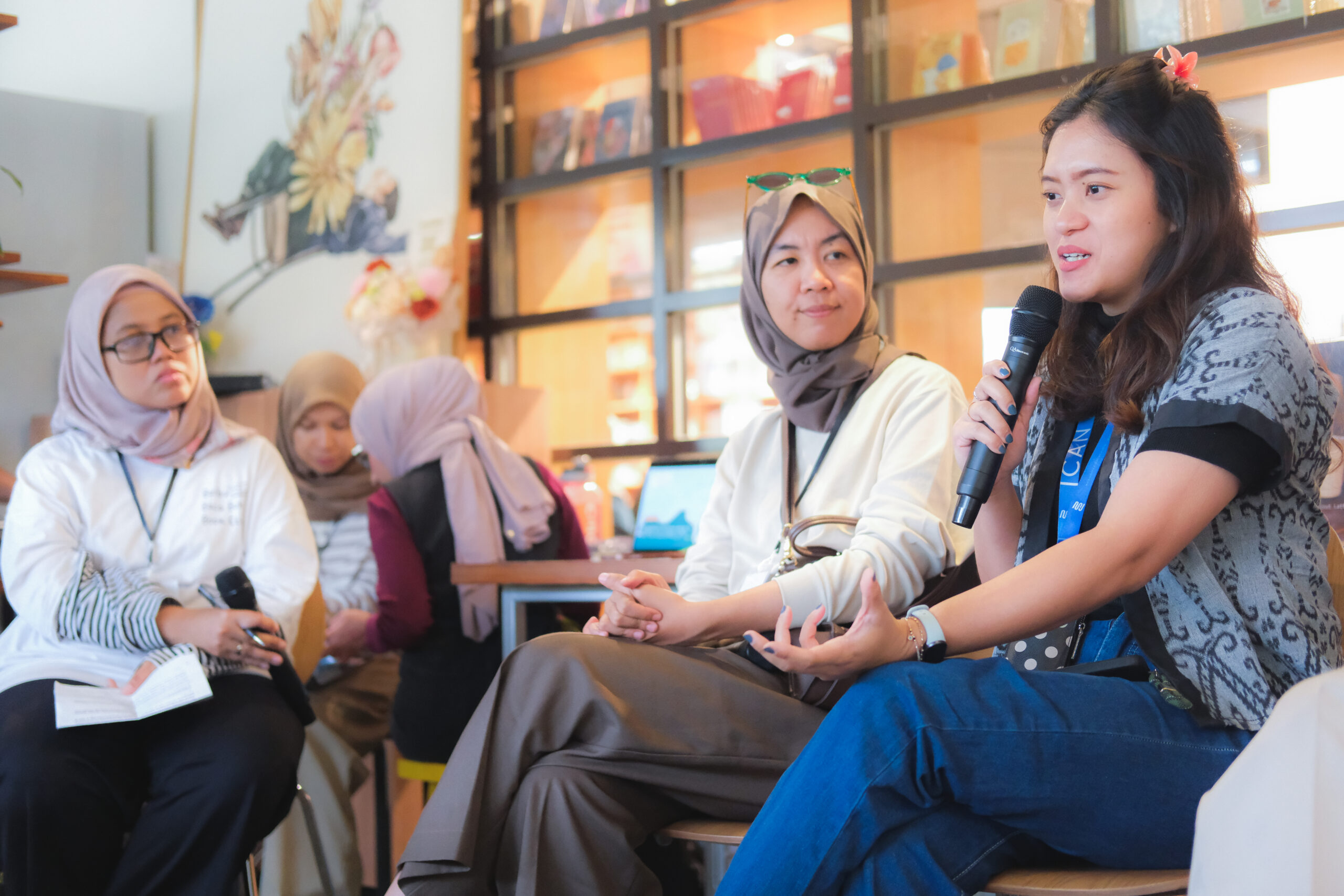
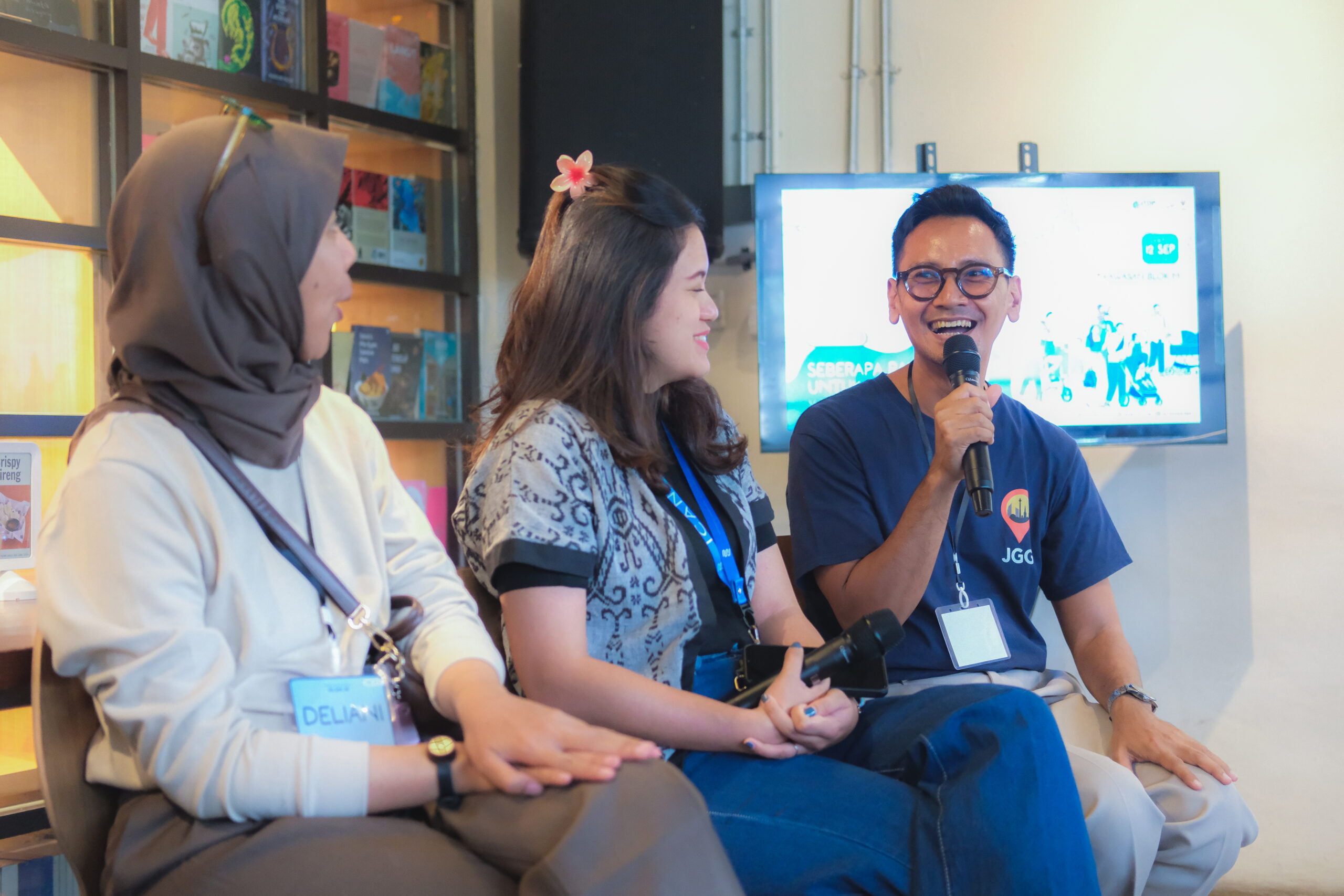
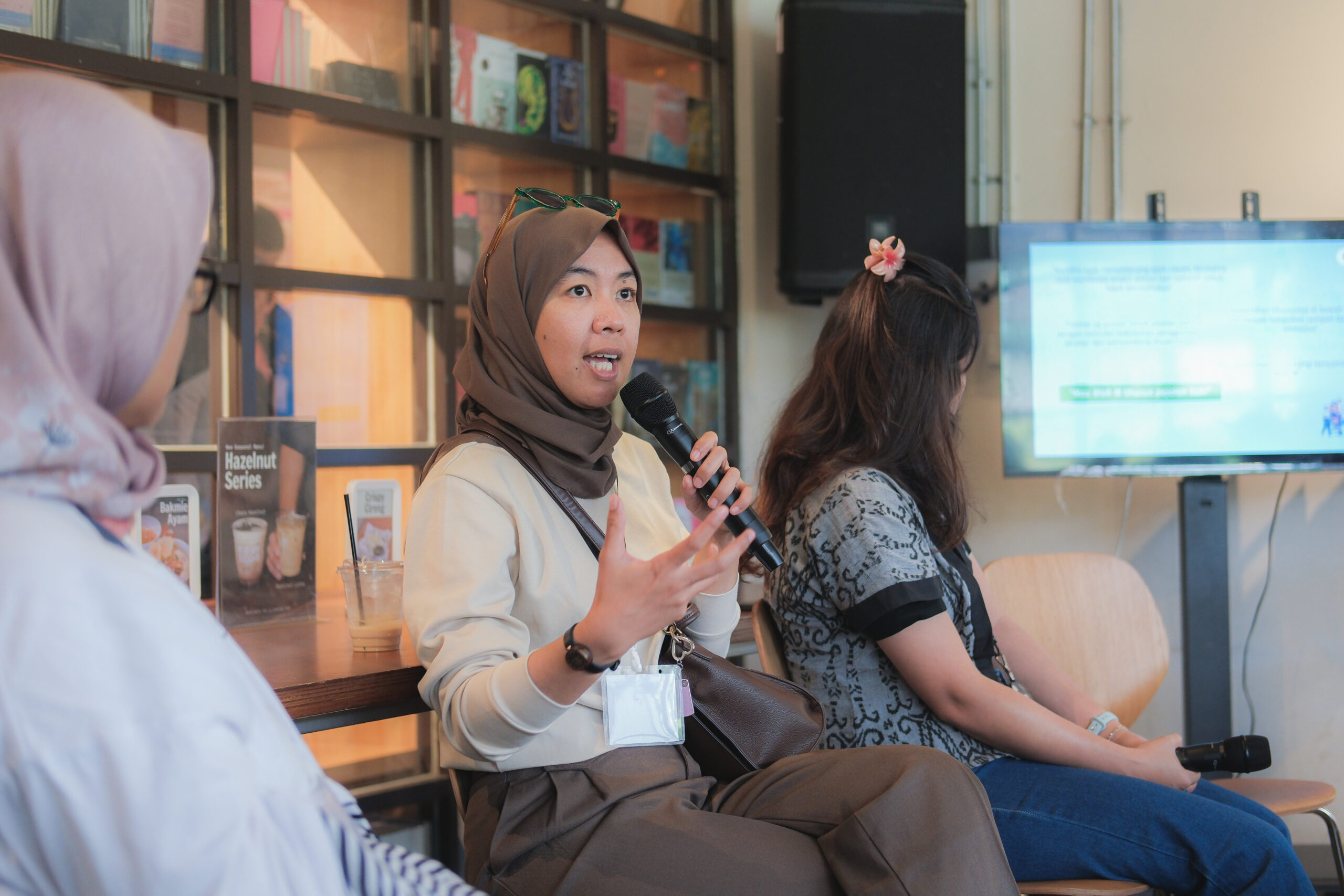
“We started to notice that noise has becoming an issue, with the number of visitors and motorised vehicles in the area. There were also unpleasant smells, which made the experience less enjoyable,” said Farid, JGG co-founder and the tour guide that day. “Our neighbouring countries, or our SEAblings, feel that Blok M has too many barriers, so getting from one place to another requires taking a detour.”
Responding to Deliani and Farid, Novindia Nurratnasari, a representative from Marketing Communications at Blok M Hub, PT MRT Jakarta (Perseroda), explained that the fragmented nature of Blok M is largely due to the area’s divided land and building ownership. She also noted that Blok M is currently undergoing revitalisation and beautification efforts.
“When we conducted our survey, many visitors raised concerns about crime and informal activities in the area. So, what we can do in the short term is refresh the area, including Blok M Hub, as well as renovate the toilets with more inclusive designs,” Novi said. She added that she hopes the revitalisation of Blok M will begin to be felt within the next five years.
During the participant feedback session, Deliani presented the findings from a previous walking audit conducted with groups of people with disabilities. The findings, she noted, remain largely unchanged six years later.
The placement of bollards is still often misunderstood as a way to prevent motorcycles from entering, resulting in narrow gaps that cannot be navigated by wheelchair users. Stairs also continue to present barriers to access for families with children and people with disabilities. Other concerns include noise pollution, pedestrian crossing facilities, and sidewalk surfaces that can become slippery.
Deliani also shared photographs taken by participants, highlighting uneven manhole covers, street vendors occupying tactile guiding paths, and utility cables that pose a tripping hazard for pedestrians.
The session concluded with a question for participants: “If you could each choose just one change to make walking in Blok M safer, more comfortable, and more inclusive, what would you prioritise?”
“For immediate needs, tactical urbanism can be a solution. These interventions can provide a way to gather input from the community and assess whether a design works well before it is implemented as a long-term measure,” said Deliani.
Farid offered another perspective. “By walking, we can directly experience the facilities that are available and call on the government to keep moving towards better solutions.”
On improving existing facilities, Novi reaffirmed Blok M Hub’s commitment to making improvements. “We have already planned for the area to become more pedestrian-friendly, but this will require coordination with the relevant stakeholders.”