
April 10, 2026
Fuel Crisis? Why Sustainable Transportation Matters More Than Ever
By Rahmad Wandi Putra, Senior Transport Associate ITDP Indonesia
According to the Indonesia Sustainable Mobility Outlook 2025 (IESR, 2025), Indonesia has been a net fuel importer since 2004, with the transport sector accounting for 36% of total national fuel consumption1. In 2023, the country spent at least USD 22 billion (~IDR 335 trillion) on fuel imports.
In the Greater Jakarta area (Jabodetabek), for example—one of the most populous metropolitan regions in the world2—around 1.5 million commuter trips to and from Jakarta originate from the surrounding Bodetabek municipalities3. Despite this massive scale of movement, mobility in Jabodetabek is still dominated by fuel-based private motorized vehicles, even though mass public transport infrastructure is already available.
This dependence on fuel-powered private vehicles generates negative environmental, economic, and public health impacts. Numerous studies have highlighted the losses caused by traffic congestion and high levels of air pollution resulting from fuel combustion in vehicles. The Ministry of Transportation, citing the JUTPI II (2019) study, estimates that economic losses due to congestion and air pollution in Jabodetabek reach IDR 100 trillion annually.
The situation becomes more critical when fuel supply disruptions occur, particularly amid ongoing geopolitical conflicts in the Middle East. Crude oil and fuel prices tend to be volatile during such periods; recently, crude oil prices reached USD 100 per barrel due to reduced global supply4.
In situations like this, the government faces difficult choices. Maintaining fuel prices increases subsidy burdens and puts pressure on the state budget (APBN). Conversely, adjusting fuel prices directly leads to higher transport costs and inflation. Urban areas, with their high daily mobility needs, are particularly vulnerable—making disruptions in energy supply quickly felt by the public.
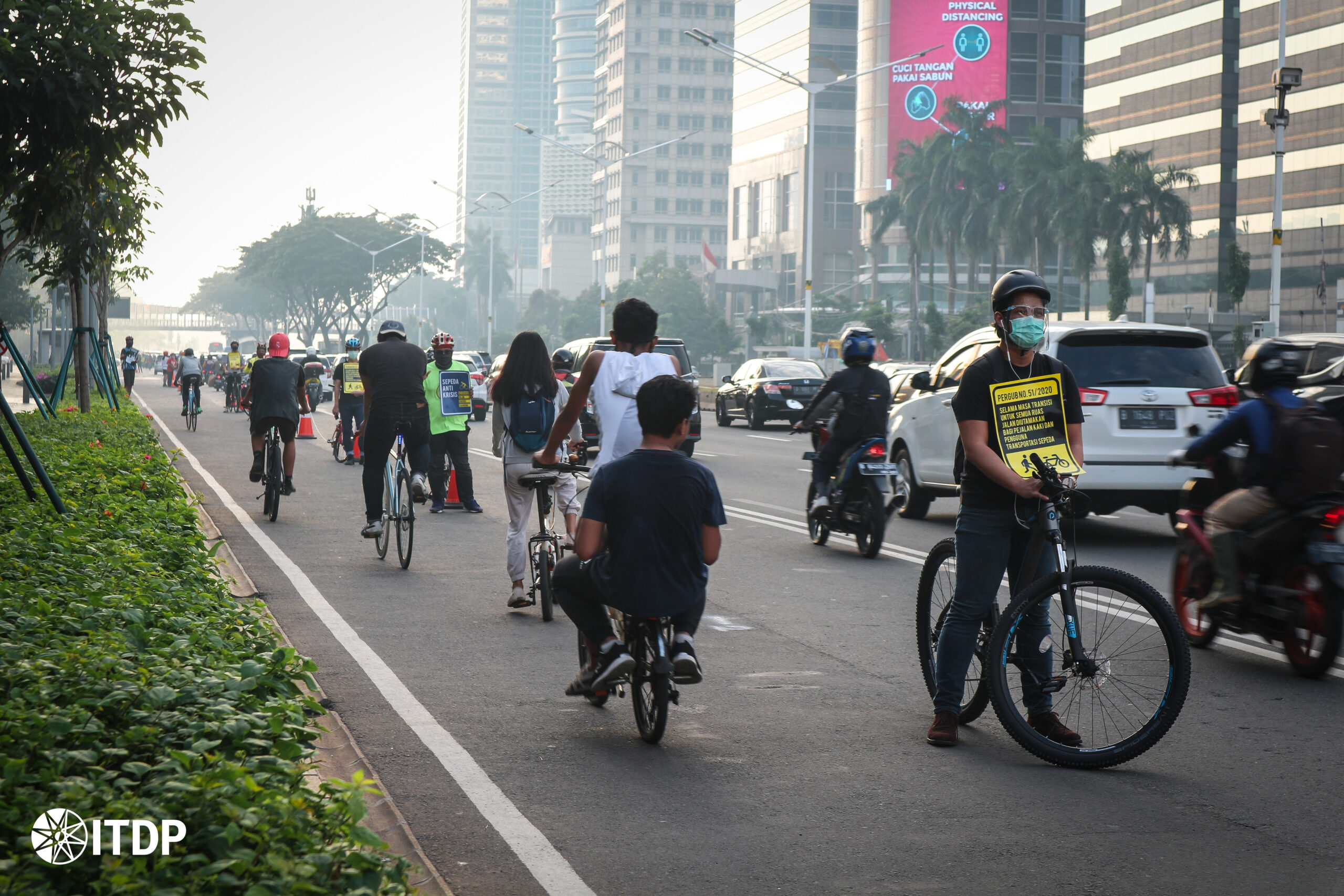
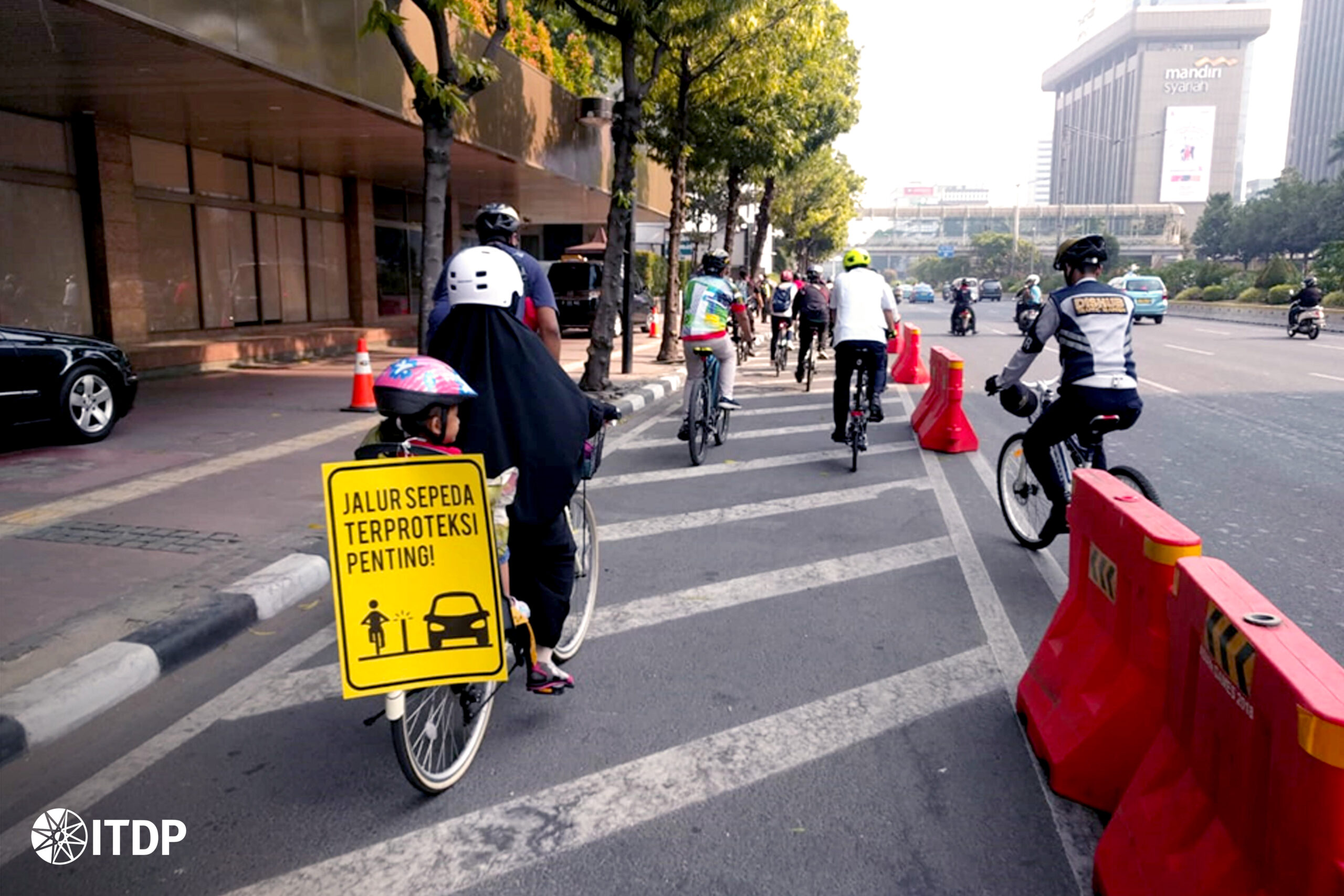
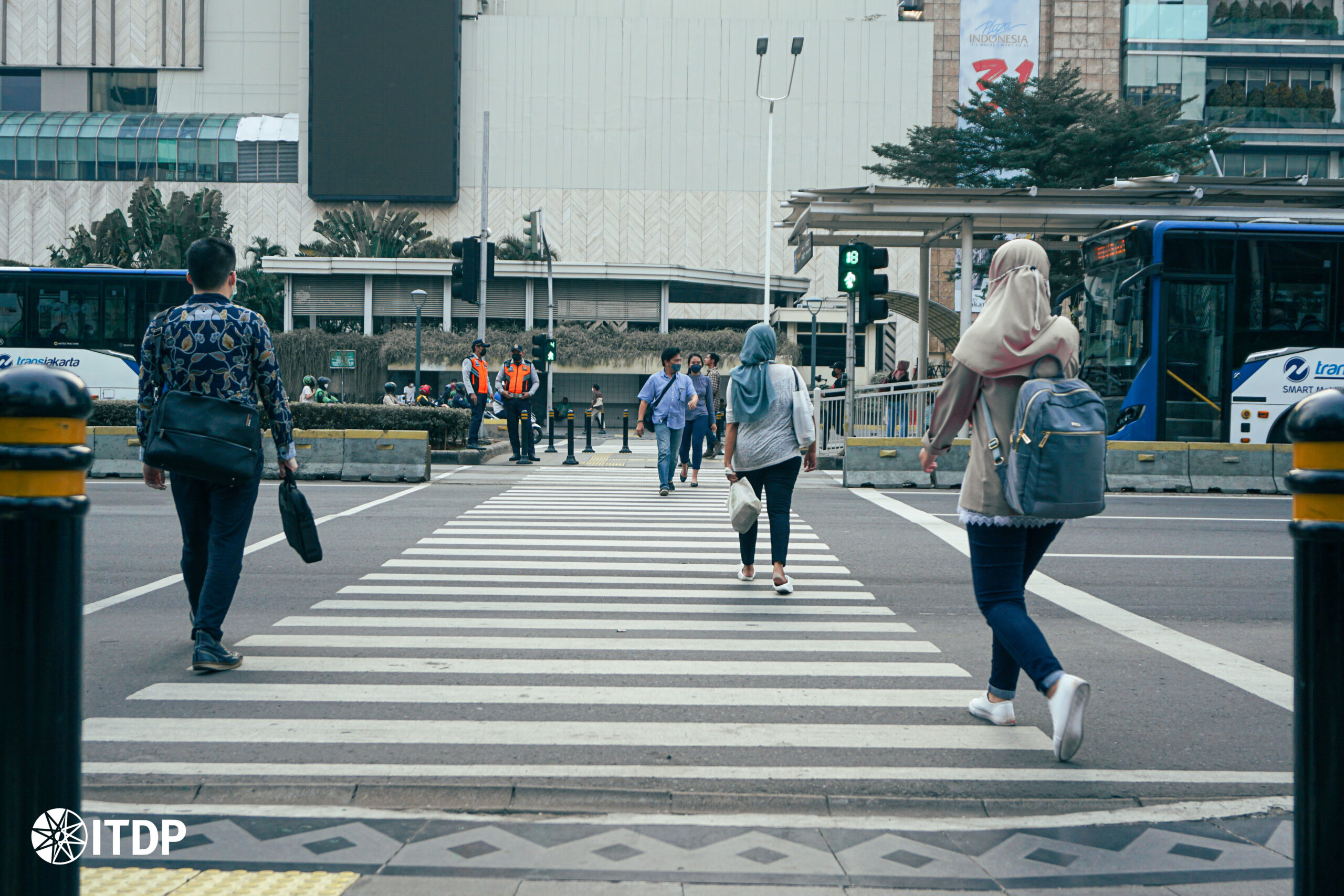
The central government has introduced several options to respond to potential energy crises, ranging from implementing work-from-home (WFH) arrangements once per week, restricting subsidized fuel sales through vehicle-based quota systems, to longer-term measures such as electric vehicle adoption and renewable energy development. These measures are feasible. However, in urban areas, more fundamental interventions should be prioritized—focusing on strengthening sustainable transport systems, including walking infrastructure, cycling facilities, and mass public transit, alongside the provision of affordable and adequate housing in city centers.
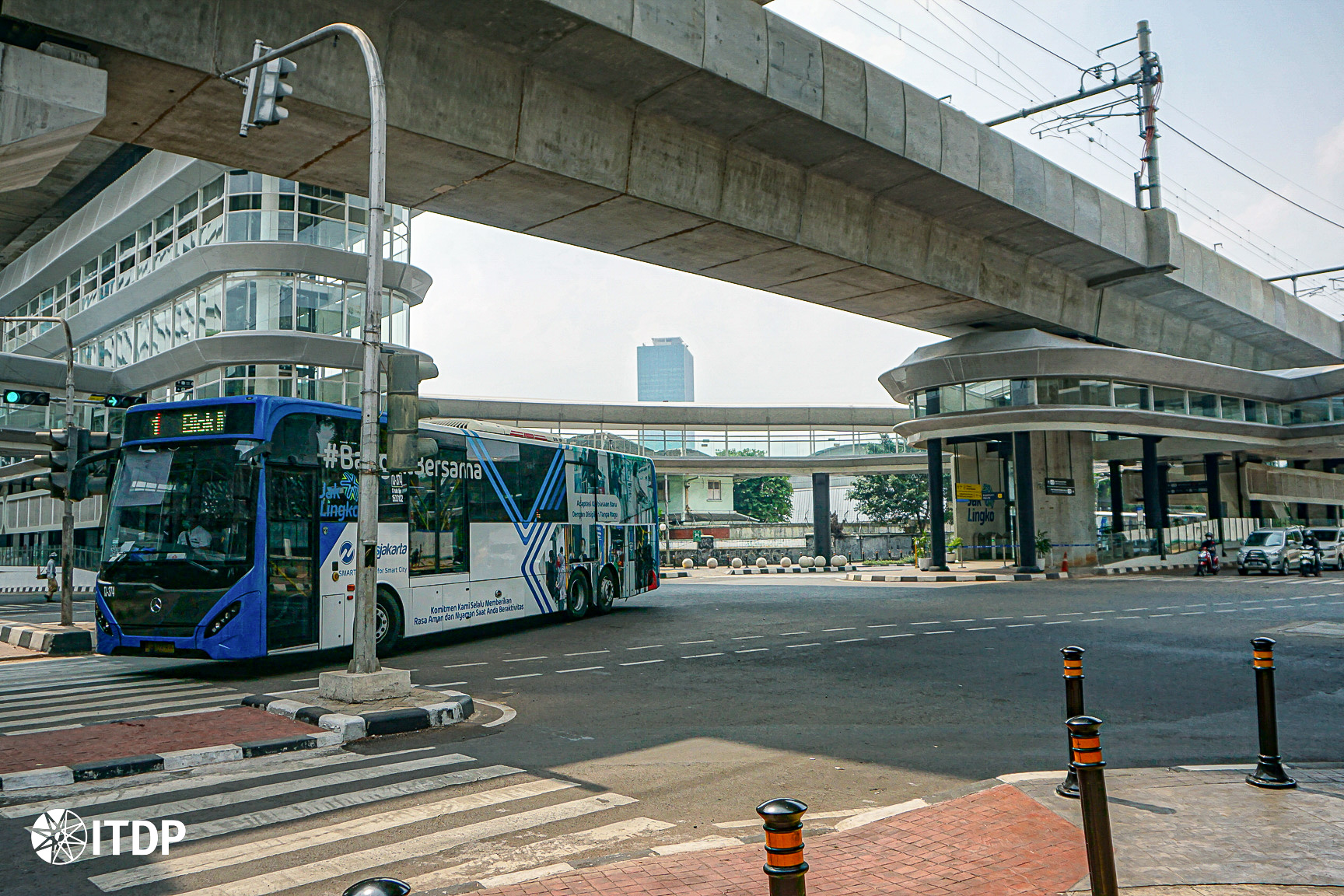
Public Transport Reform is Urgent
A series of global crises affecting Indonesia has yet to prompt the government to prioritize sustainable transport development, even though the resilience and vulnerability of the public transport system have been tested twice within a relatively short period.
First, during the mass power outage that struck Java–Bali in August 2019, rail-based services such as commuter rail (KRL) and MRT came to a complete halt due to their dependence on electricity supply; even ride-hailing applications became unusable. In that extraordinary situation, TransJakarta became the sole backbone of mobility for Jakarta residents5. In other circumstances, when flooding hit Jakarta, MRT and LRT services served as alternative mobility options for residents6,7.
On a much larger scale, during the COVID-19 pandemic, Large-Scale Social Restrictions (PSBB) forced nearly all public transport modes to drastically reduce capacity and service frequency. Amid these limitations, cycling gained significant momentum. Considered safer due to its individual nature and outdoor setting, bicycle use increased markedly across multiple cities8.
These extraordinary crises point to one key lesson: a resilient transport system is defined not only by its technological sophistication, but also by its ability to adapt to unexpected disruptions.
Experiences from other countries show that energy crises often serve as turning points for urban transport reform. Singapore offers a strong example in this regard. Since gaining independence in 1965, Singapore has been a net importer of crude oil.
The 1973 oil crisis dealt a major blow to Singapore’s economy. At the same time, the government recognized the country’s spatial constraints. In response, Singapore implemented strategic measures—particularly in urban planning and transport systems—to reduce its dependence on fuel.
Through State and City Planning (SCP), Singapore set targets to expand mass public transport services and restrict private vehicle use. Beginning in 1973, the government restructured its urban bus system. Two years later, it introduced measures to limit private vehicle use through the Area Licensing Scheme (ALS), which was later enhanced into the Electronic Road Pricing (ERP) system in 1998 and has continued to evolve to this day. As public transport services expanded, Singapore established a centralized transport authority—the Land Transport Authority (LTA)—in 1995 to plan and optimize its land transport system, including the development of bus and MRT services, vehicle restraint policies, and electrification. The key lesson from Singapore is that systemic and continuous transformation can be effective and sustainable when a single institution holds comprehensive authority.
The establishment of integrated urban transport governance in Indonesia is therefore critical, given that people’s daily mobility often crosses administrative boundaries within metropolitan regions.
Take Jabodetabek as an example. While the Jakarta Provincial Government has launched Transjabodetabek services to expand public transport coverage, it is important to recognize that public transport provision across Jabodetabek cannot be managed by the Jakarta administration alone. Strong collaboration and coordination among municipalities governments within the metropolitan region are essential.
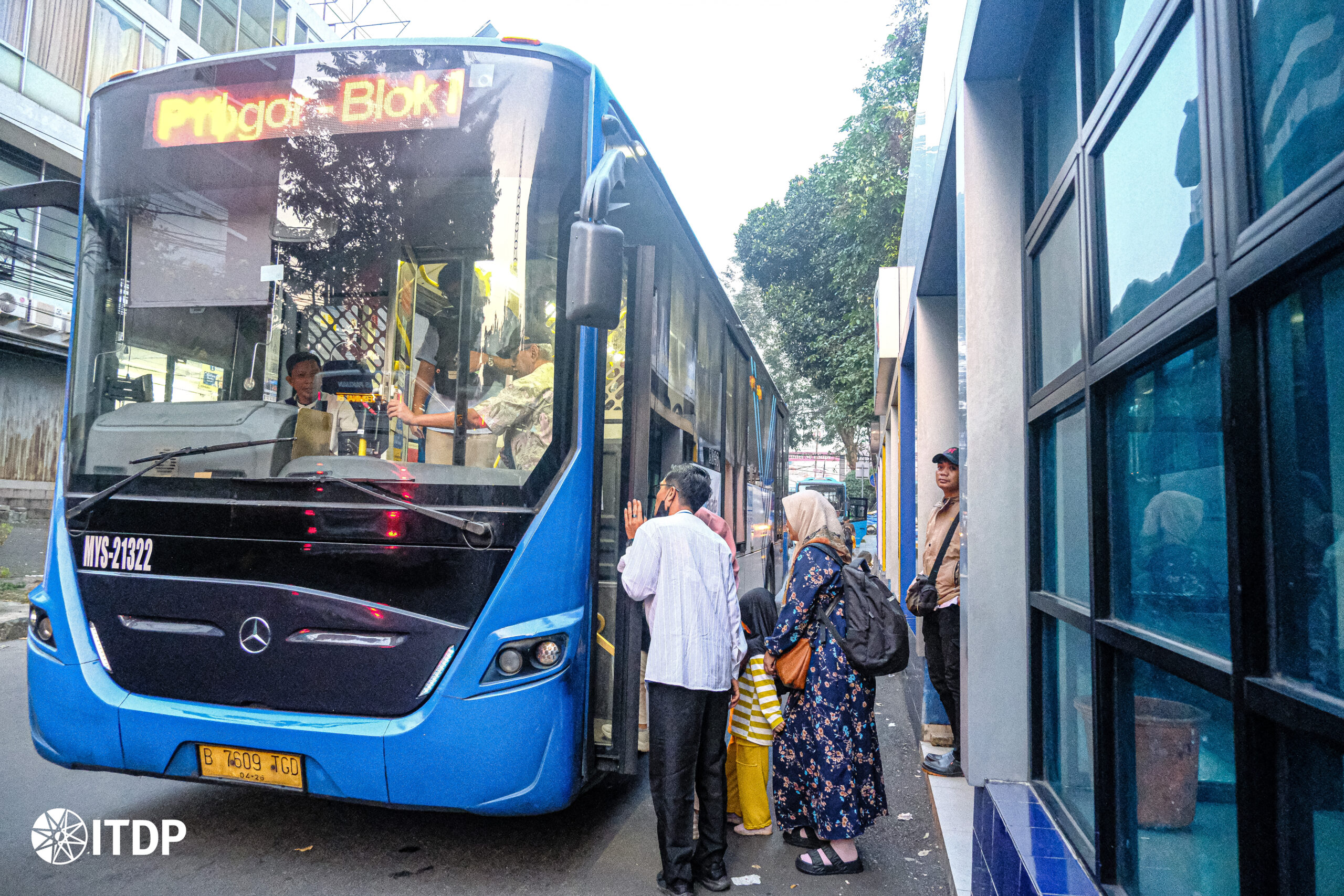
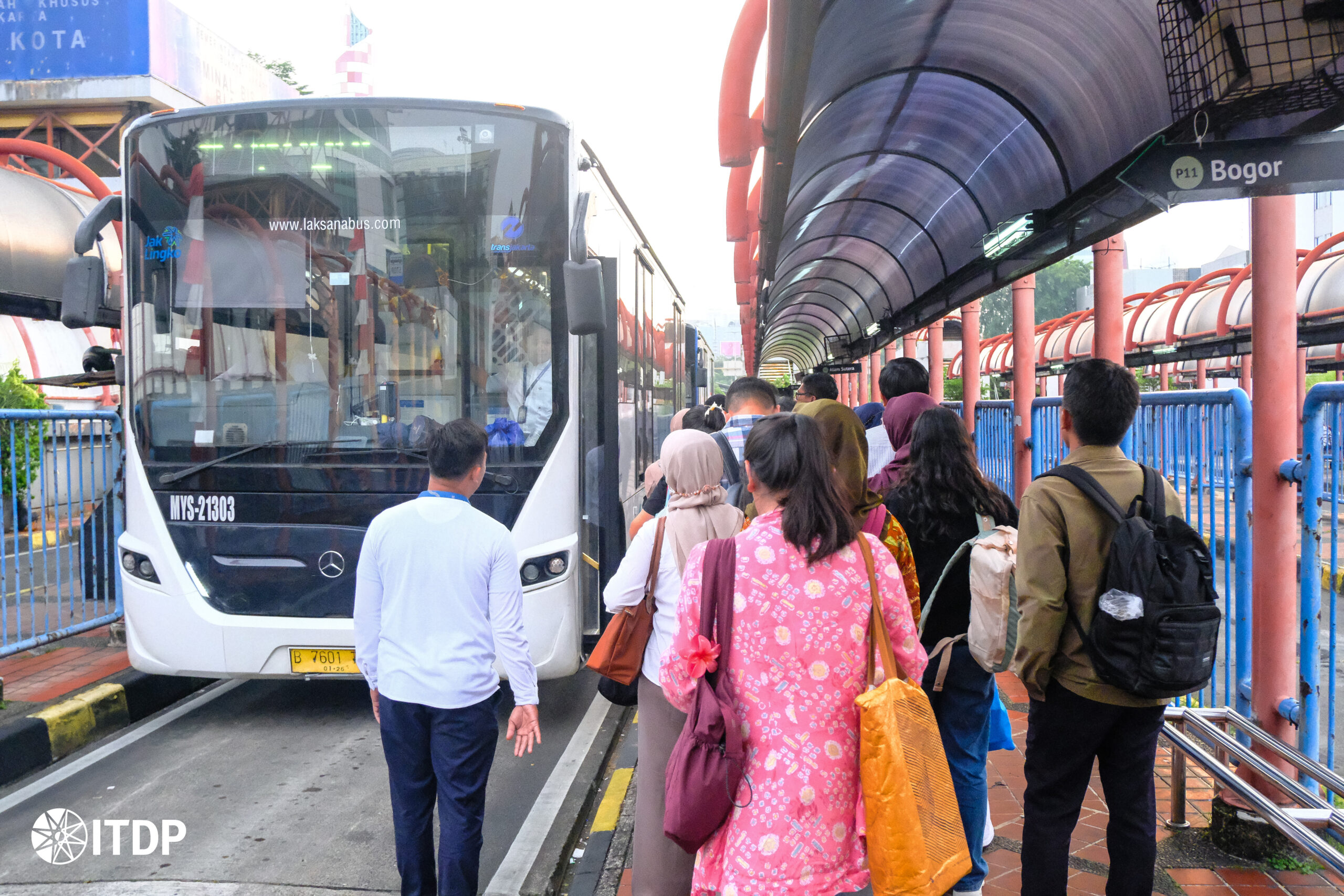
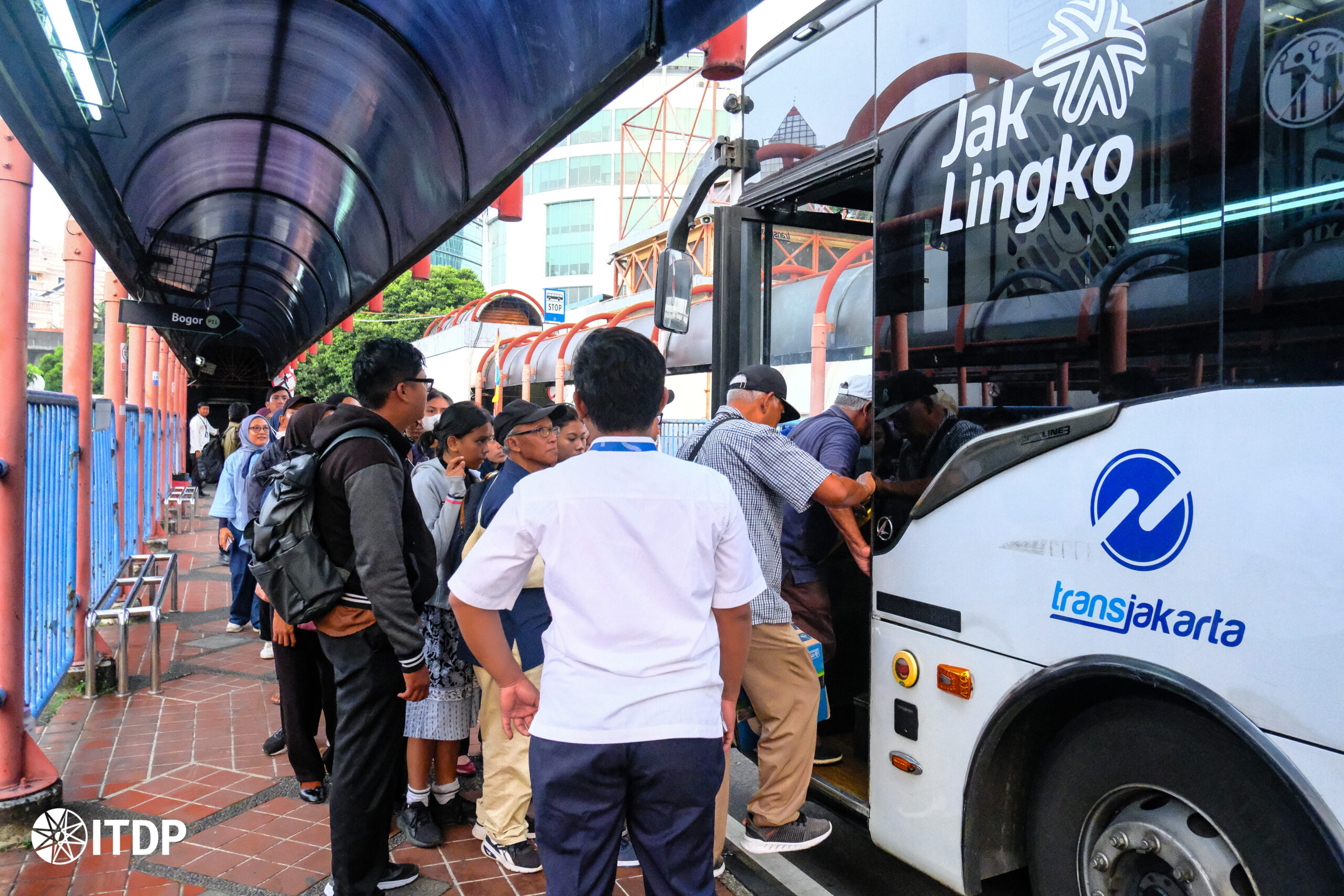
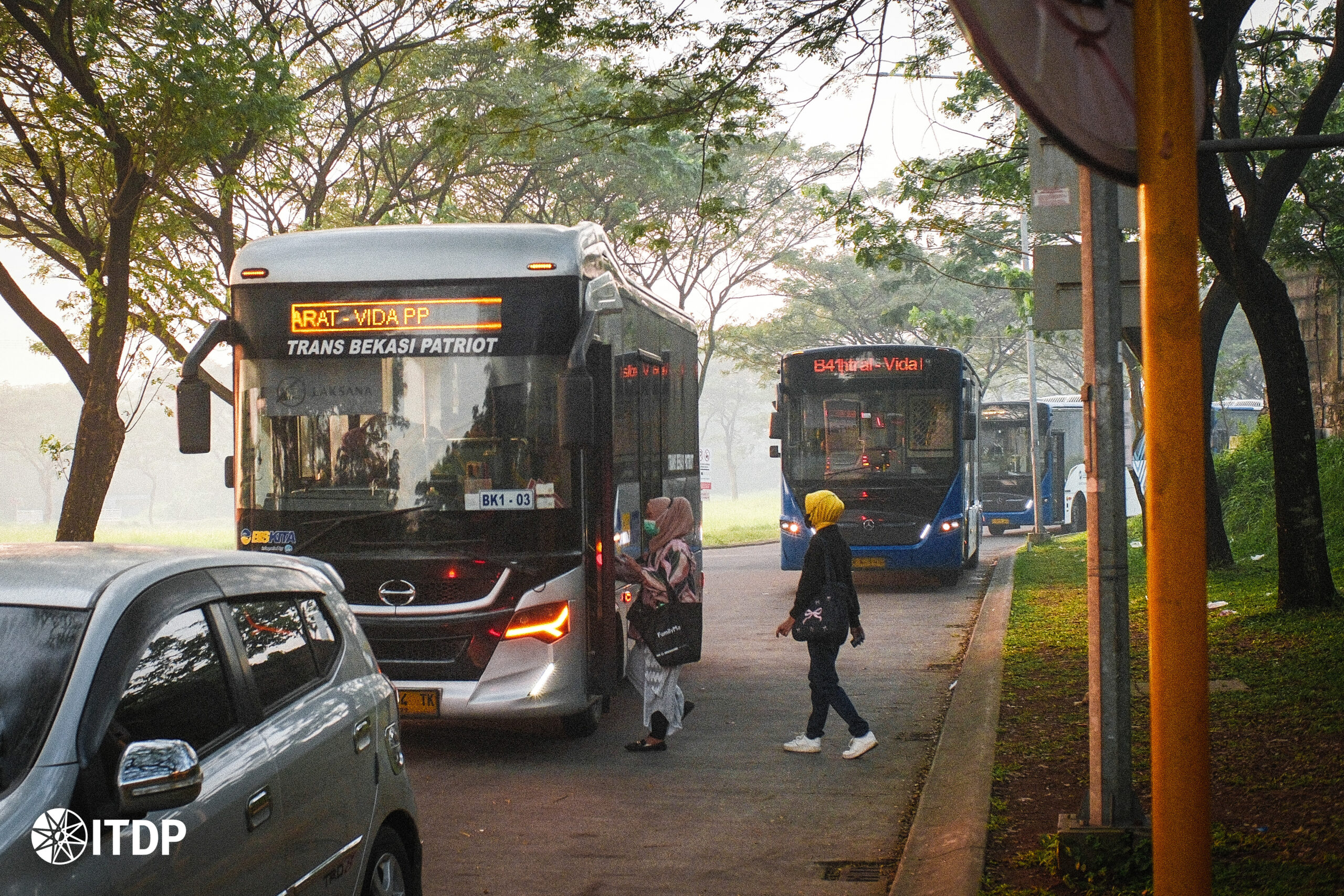
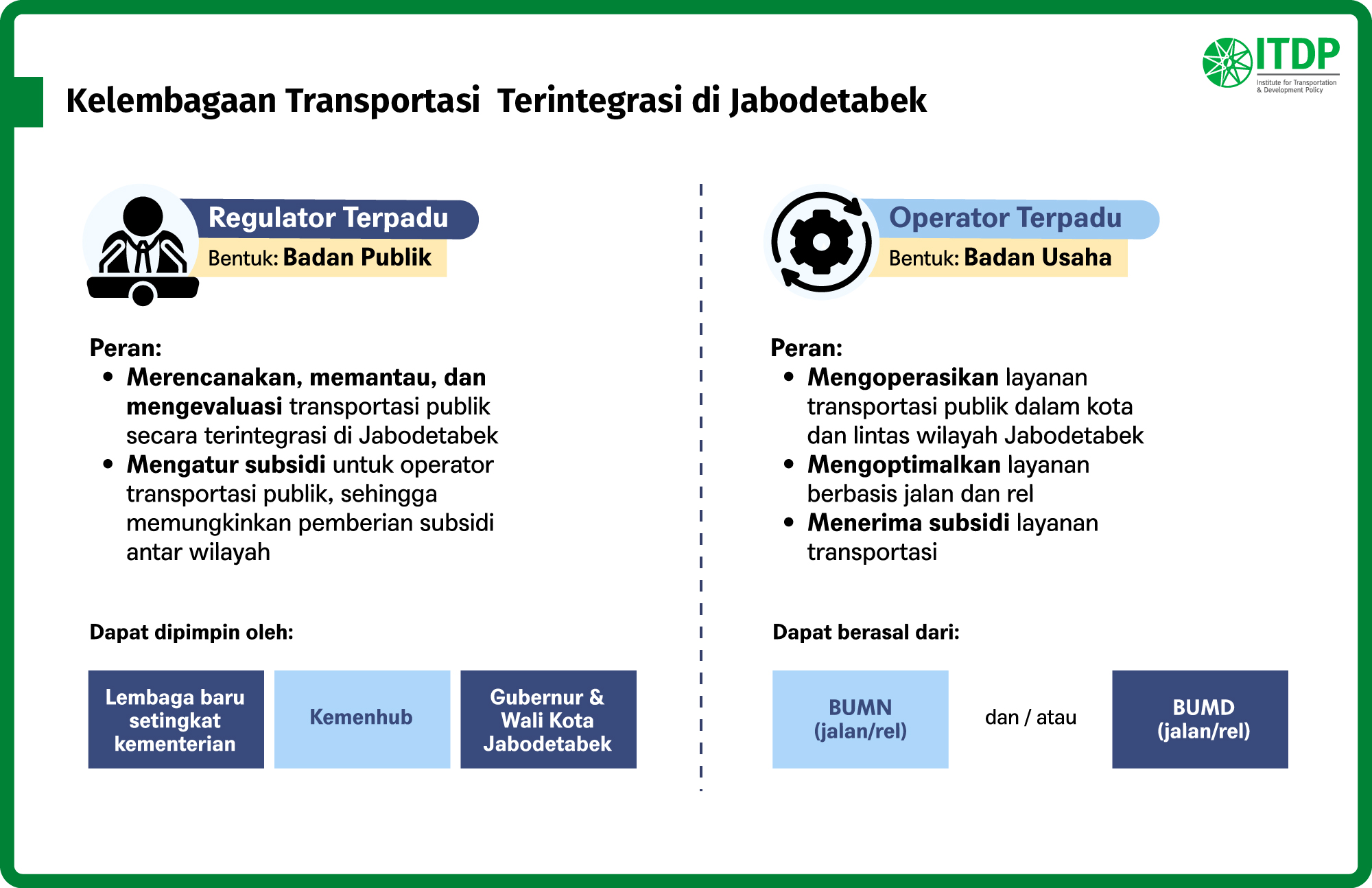
Law No. 2 of 2024 on the Special Capital Region of Jakarta presents an opportunity to establish integrated public transport governance at the agglomeration level. This momentum must be translated into concrete actions. Without integrated transport governance, the Jabodetabek transport system will remain vulnerable to external shocks.
The need for integrated transport institutions is also evident in other regions. In Greater Bandung, the Ministry of Transportation is developing BRT systems in Greater Bandung and Mebidangro—both part of the Indonesia Mass Transit Project supported by the World Bank10—and has secured support from local governments in both regions11,12. Each participating jurisdiction has agreed to contribute to program development through their respective regional budgets (APBD). Another positive example can be found in Central Java, where the provincial government has taken a leading role in providing affordable public transport services across agglomeration areas such as Kedungsepur, Barlingmascakeb, Purwomanggung, and Solo Raya.
Lessons from the development of the Greater Bandung BRT and Mebidangro BRT show that public transport infrastructure can be delivered through collaboration between central and local governments, while the Trans Jateng program reflects cooperation between provincial and municipal/regency governments. However, to ensure services are reliable and efficient, comprehensive, clear, and permanent governance at the agglomeration level remains essential. Such governance should not be limited to BRT systems alone, but must encompass all existing and planned public transport modes, as well as infrastructure provision for pedestrians and cyclists.
Electric Buses and Motorcycles, Main Pillars of the Energy Transition in the Transport Sector
In addition to reforming public transport and strengthening institutional arrangements, fuel supply crises also serve as a reminder that urban transport systems cannot continue to rely indefinitely on fossil fuels. Therefore, the transition from fuel to electricity in the transport sector must be accelerated, starting with urban buses.
Buses operate within managed service systems, with routes, schedules, operators, and depot locations carefully regulated. This makes bus fleet electrification easier to plan and implement compared to vehicles dispersed among individual users. On high-demand corridors, buses are also more energy-efficient per passenger than private vehicles. Imagine if buses operating across major cities were no longer dependent on fuel. Beyond reducing exposure to fuel shortages and global oil price volatility, their operating costs would also be significantly lower in the long term.
In addition, electrification efforts should be accelerated in the two-wheeler segment. Motorcycles represent the largest share of vehicles in Indonesia, with more than 120 million units registered. A 2023 study by IESR shows that motorcycle fuel consumption reached 29.5 million kiloliters per year in 2019—nearly three times that of passenger cars. Motorcycle electrification can also begin with fleet-based users, such as ride-hailing and goods delivery services, given their more structured service systems and relatively standardized operational patterns compared to privately used vehicles.
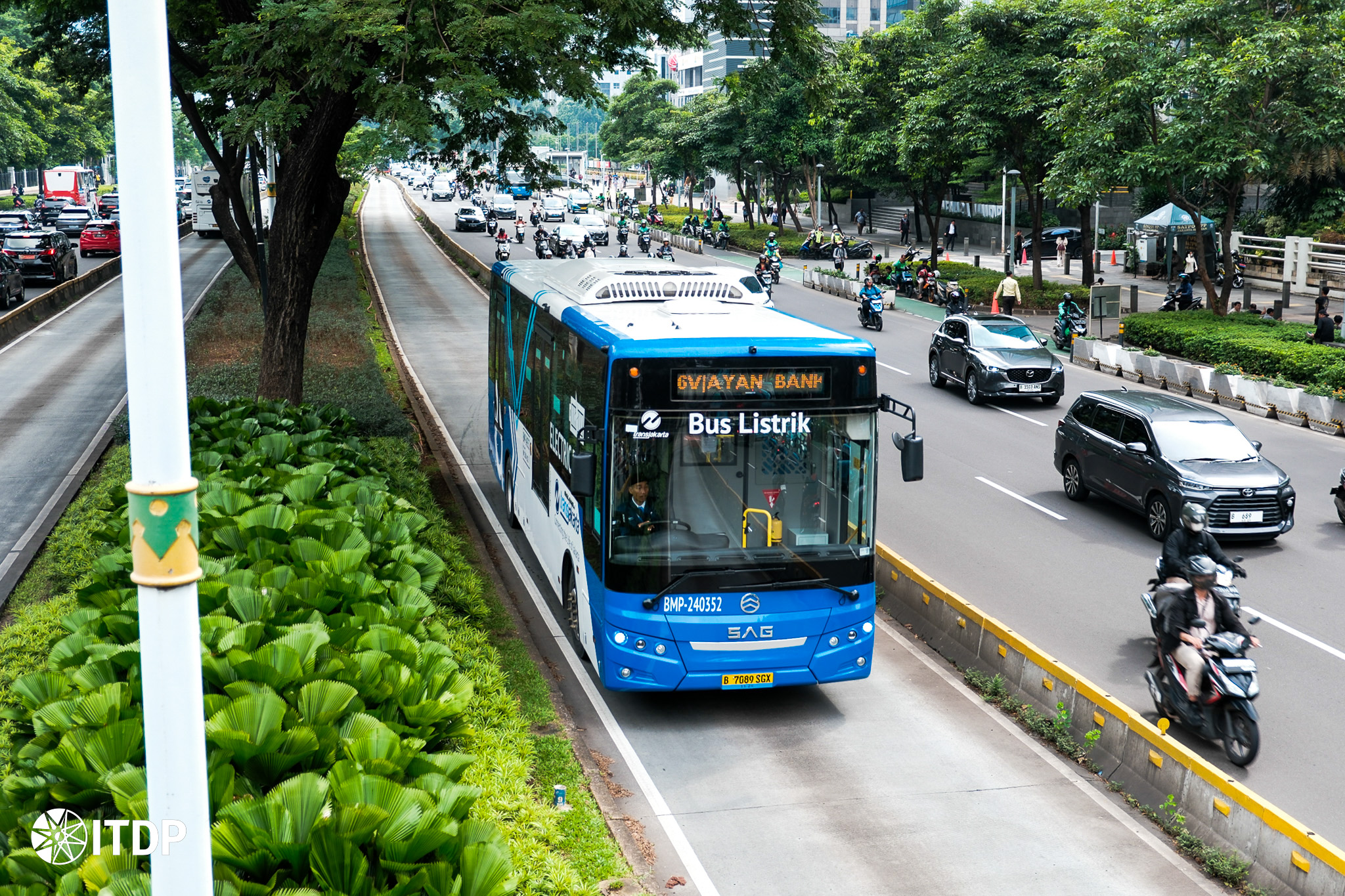
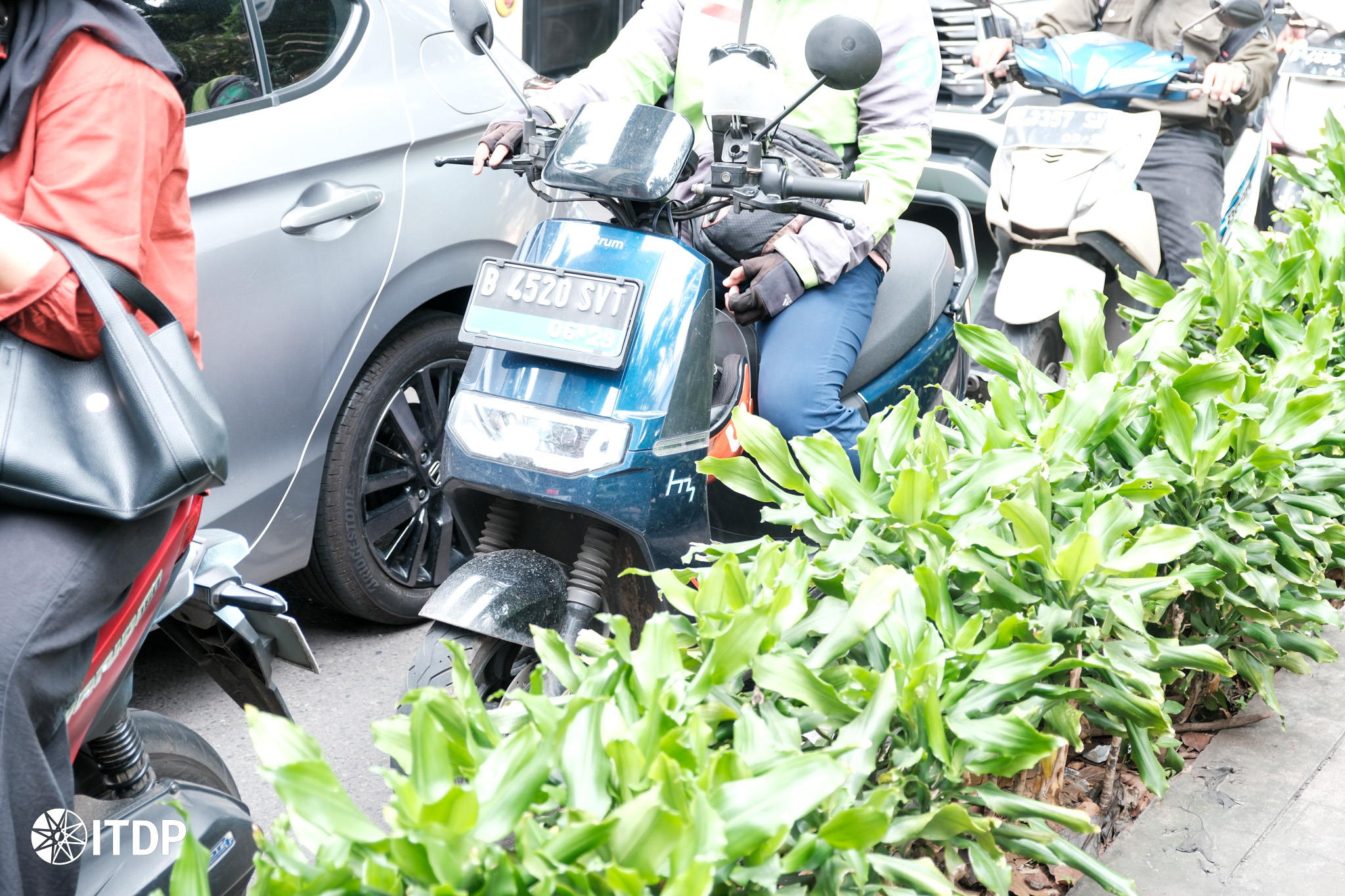
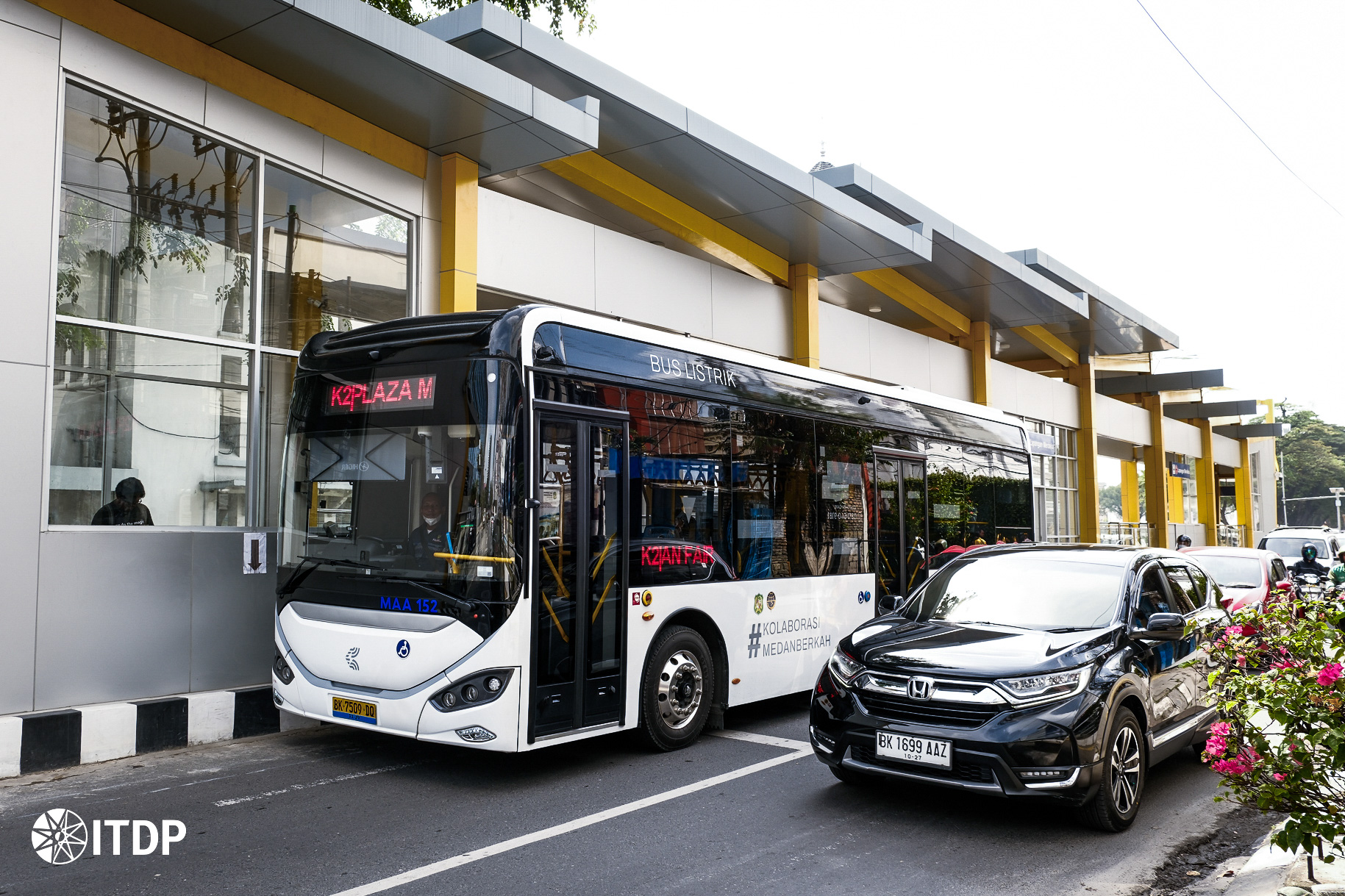
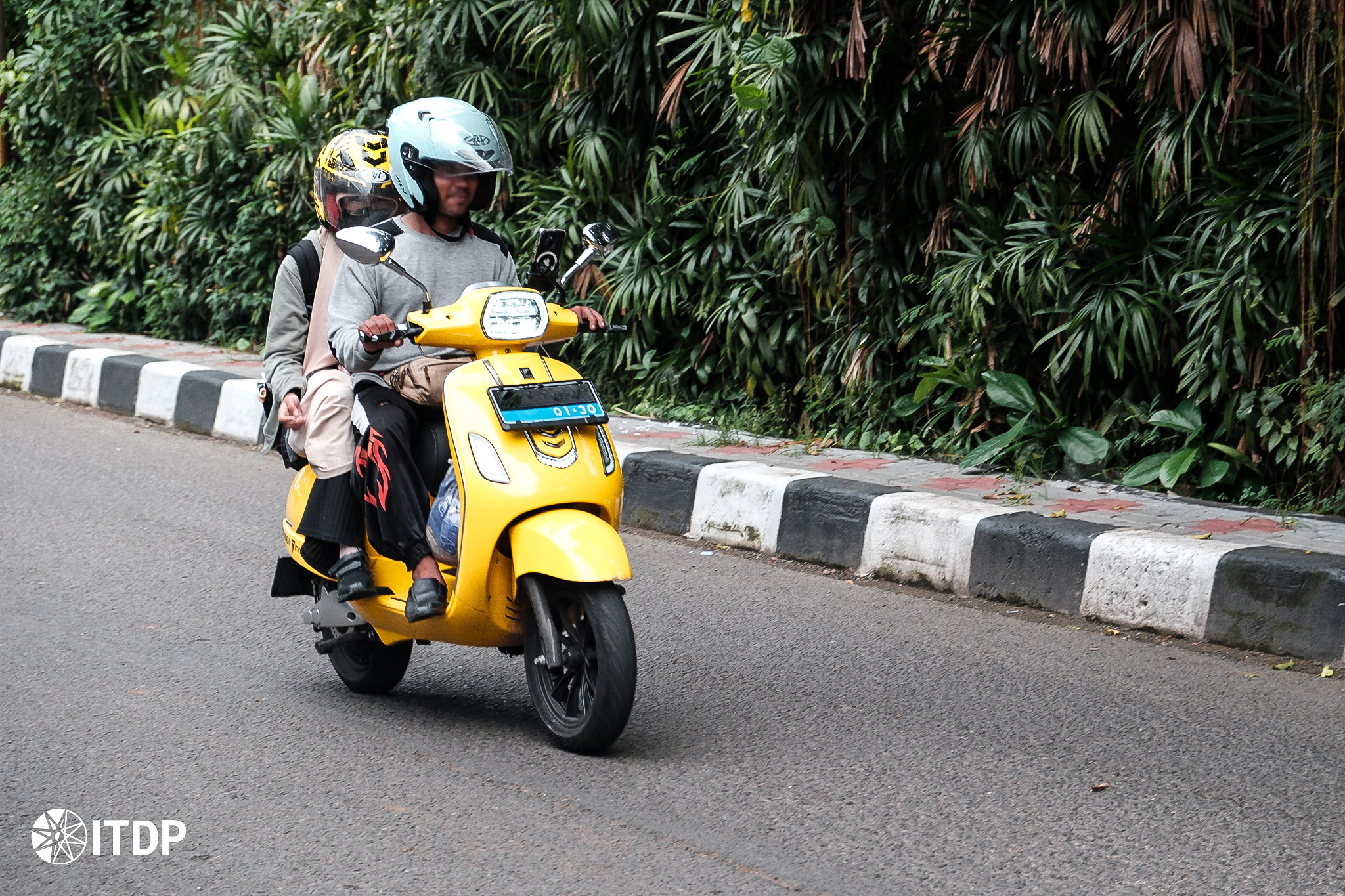
Based on ITDP’s analysis, transport electrification has the potential to significantly reduce fuel consumption.
Fuel Savings(liters/year) |
Emissions Reduction (toneqCO2/year) |
|
Electrification of Transjakarta buses13 |
±120 million |
277.000 |
Electrification of ride-hiling motorcycle in Jabodetabek14 |
±1,25 billion |
2,25 million |
At the implementation level, the combination of service model adjustments and the adoption of electric buses demonstrates clear benefits in reducing fuel consumption, which in turn contributes to lower vehicle operating costs and reduced subsidy requirements. For example, in Surakarta, the operation of electric buses has the potential to reduce subsidy needs by up to 29%. Meanwhile, TransJakarta reports that electric bus operations helped reduce vehicle operating costs by up to 5% in 202415. These cost savings present an opportunity to improve service quality and expand bus fleets, or even to further develop route networks.
A Resilient Nation Is Built on Resilient Urban Transport
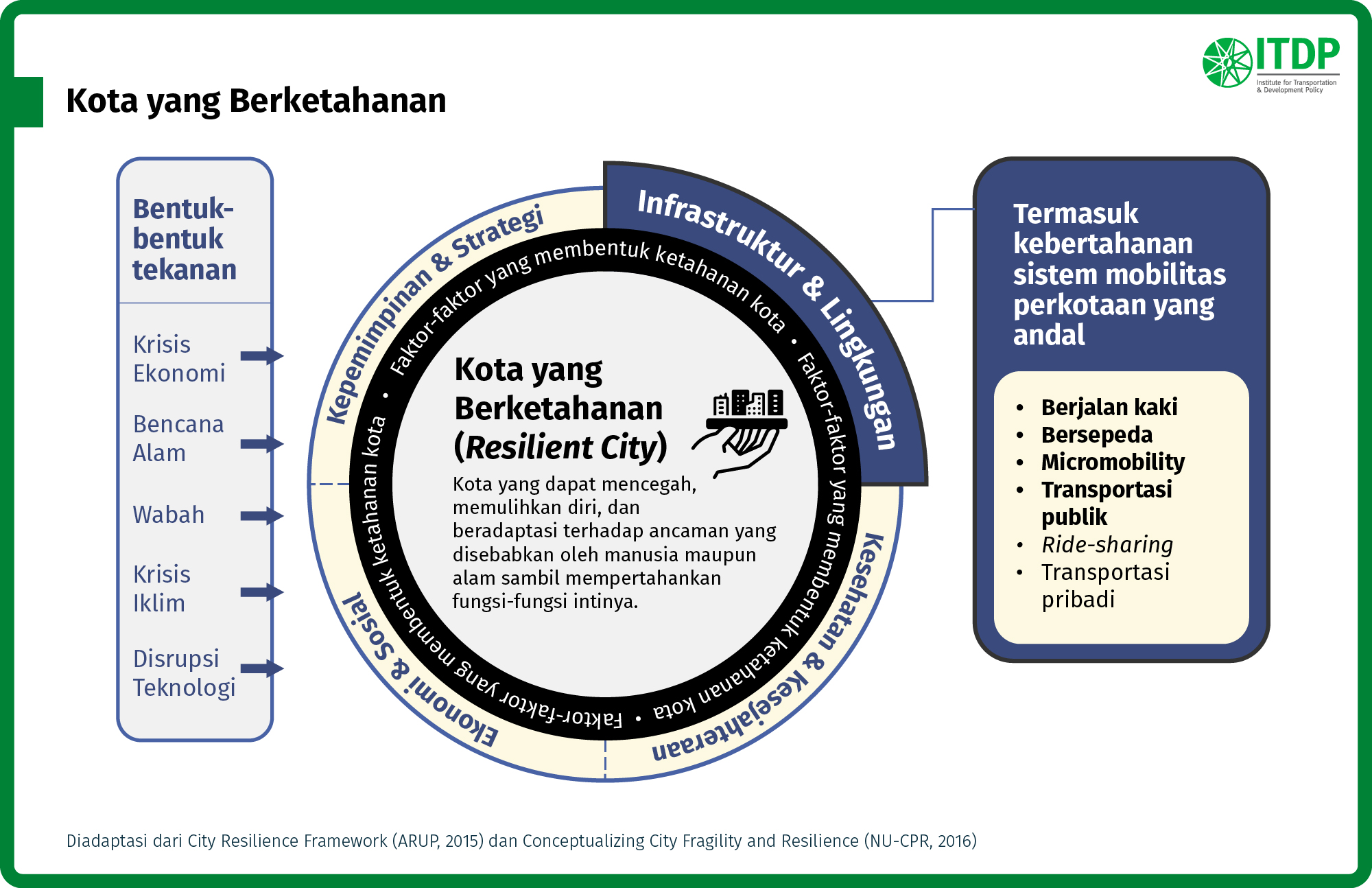
Building a resilient nation begins with resilient cities—cities that can prevent, withstand, and adapt to both human-made and natural threats while maintaining their essential functions.
Cities with vulnerable transport systems not only hinder daily mobility, but also struggle to evacuate residents during disasters, distribute aid during crises, and restore economic activity in their aftermath.
Public transport reform and electrification extend beyond environmental and efficiency considerations; they are fundamental to national resilience.
However, achieving this requires consistent national policies and investments, along with active collaboration between the central government, local governments, and the public. Ultimately, investing in urban transport is an investment in national resilience.
Such resilience can only be achieved when urban transport systems are supported by a diverse range of reliable and well-integrated mobility options—from safe and accessible walking and cycling infrastructure, to seamless access to mass public transport, and feeder services that extend into residential areas. The more diverse the range of public transport services and non-motorized transport facilities, the lower the risk of external shocks disrupting urban mobility systems. In fact, public transport can serve as a key buffer during times of crisis, as demonstrated by the Government of Australia in Melbourne, which made public transport free of charge to mitigate rising transport costs for residents16.
In this context, electrification can be positioned as a means to strengthen both urban transport system resilience and national energy security. Electrification expands the energy base and has the potential to reduce dependence on fuel. However, as noted earlier, electrification should be prioritized for public transport modes and can only begin with reforms to the governance of public transport provision.
Read the full press release on the potential fuel supply crisis and the momentum for Indonesia’s transport transformation here.
References:
- Institute for Essential Services Reform (IESR). (2025, July). Indonesia Sustainable Mobility Outlook 2025 Driving Transport Decarbonization: Multi-pathways to Sustainable Mobility in Indonesia. https://iesr.or.id/wp-content/uploads/2025/07/Indonesia-Sustainable-Mobility-Outlook-2025-IESR-2.pdf
- UN-Department of Economic and Social Affairs. (2025, November 18). World Urbanization Prospects 2025. https://population.un.org/wup/assets/Publications/undesa_pd_2025_wup2025_summary_of_results_final.pdf
- Badan Pusat Statistik (BPS). (2023). Data Statistik Komuter Jabodetabek 2023.
- Muliawati, F. (2026, March 17). Harga Minyak Dunia Tembus US$ 100/Barel, Gimana Nasib Harga BBM RI?. https://www.cnbcindonesia.com/news/20260317144940-4-719865/harga-minyak-dunia-tembus-us–100-barel-gimana-nasib-harga-bbm-ri
- Ul Haq, M. (2019, August 4). Layani Pelanggan saat Listrik Padam, TransJakarta Tambah Armada. https://news.detik.com/berita/d-4651954/layani-pelanggan-saat-listrik-padam-transjakarta-tambah-armada
- Laucereno, S. (2021, February 21). Jakarta Dikepung Banjir, Operasional MRT Tetap Normal. https://finance.detik.com/infrastruktur/d-5392361/jakarta-dikepung-banjir-operasional-mrt-tetap-normal
- Liman, U. (2026, January 26). Banjir, KCIC imbau penumpang akses stasiun Whoosh lewat tol atau LRT. https://www.antaranews.com/berita/5369310/banjir-kcic-imbau-penumpang-akses-stasiun-whoosh-lewat-tol-atau-lrt
- Rahmawaty, L. (2020, Juny 14). Jumlah pengguna sepeda di Jakarta meningkat saat pandemi. https://www.antaranews.com/berita/1553228/jumlah-pengguna-sepeda-di-jakarta-meningkat-saat-pandemi
- Institute for Global Environmental Strategies (IGES). (2002, July 1). Urban Transportation and Environmental Management in Singapore: Lessons for Other Cities. https://www.iges.or.jp/en/publication_documents/pub/policyreport/en/130/p135-176_apdx.pdf
- World Bank. (2022, April 29). Indonesia Mass Transit Project (P169548) – Project Appraisal Document on a Proposed Loan. https://documents1.worldbank.org/curated/en/612481653404109130/pdf/Indonesia-Mass-Transit-Project.pdf
- Sinaga, T. (2021, March 2). BRT Bandung Raya Terintegrasi dengan Moda Transportasi Lain. https://www.kompas.id/artikel/brt-bandung-raya-terintegrasi-dengan-moda-transportasi-lain.
- Sinaga, N. (2022, June 28). Keterhubungan Aglomerasi Mebidangro Perlu Ditingkatkan. https://www.kompas.id/artikel/keterhubungan-kawasan-aglomerasi-mebidangro-perlu-ditingkatkan
- ITDP Indonesia. (2023, May). Building a Regulatory and Financial Basis for Transjakarta First Phase E-bus Deployment. https://itdp-indonesia.org/publication/building-a-regulatory-and-financial-basis-for-transjakarta-first-phase-e-bus-deployment/
- ITDP Indonesia. (2023, September). Road Map and Timetable of Two-Wheeler Electrification in Greater Jakarta. https://itdp-indonesia.org/publication/road-map-and-timetable-of-two-wheeler-electrification-in-greater-jakarta/
- Anam, R. (2025, July 3). Bagaimana Kabar Bus Listrik dalam Komitmen Elektrifikasi Nasional?. https://itdp-indonesia.org/2025/07/bagaimana-kabar-bus-listrik-dalam-komitmen-elektrifikasi-nasional/
- McLeod, C. (2026, March 29). Victoria and Tasmania get free public transport in fuel crisis but NSW and WA to keep collecting fares. https://www.theguardian.com/australia-news/2026/mar/29/victoria-free-public-transport-april-petrol-prices