
April 28, 2026
Tanzanian Delegation Explores Jakarta’s Urban Transport System Through Study Tour Led by PT Transjakarta and ITDP Indonesia
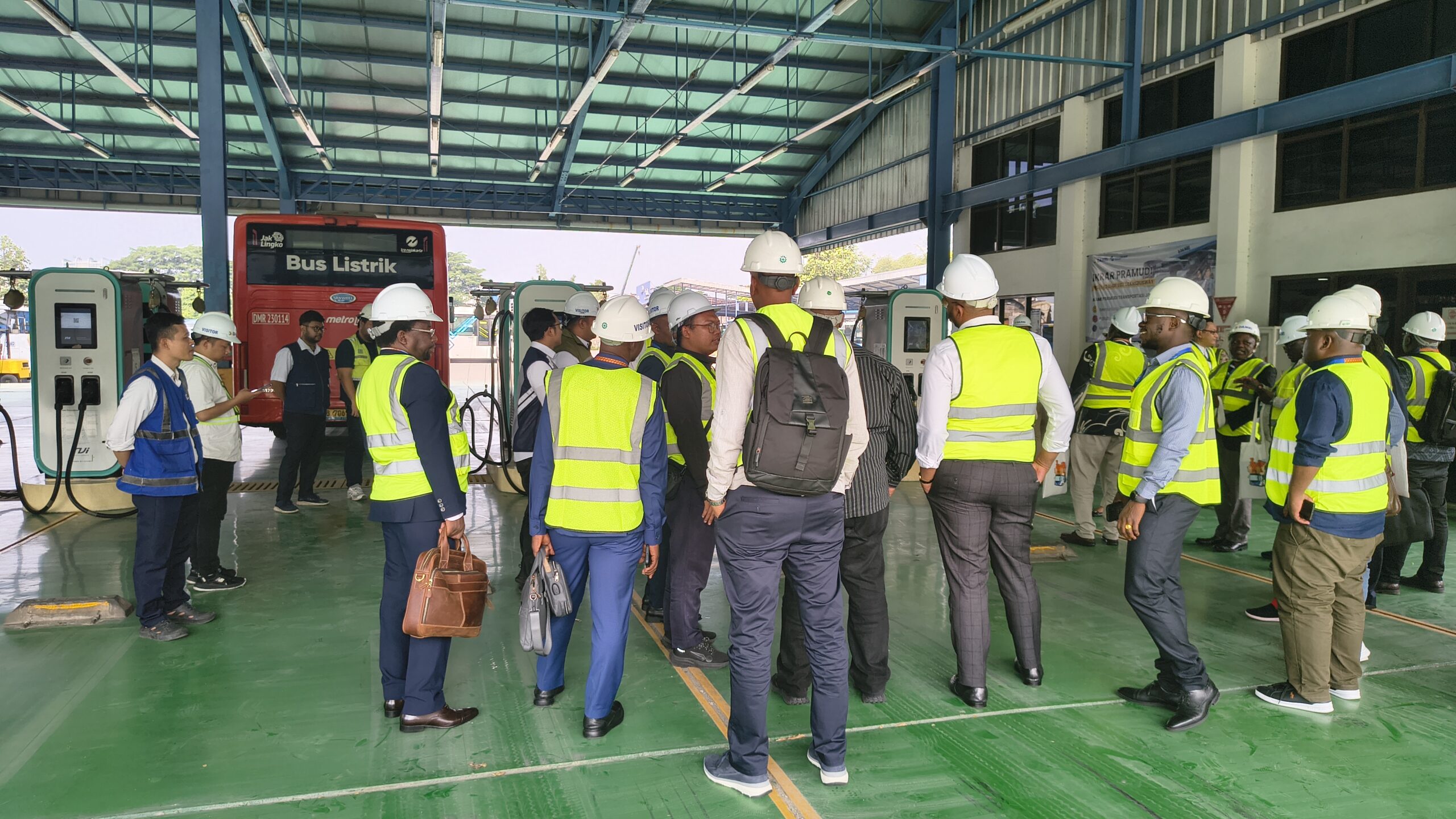
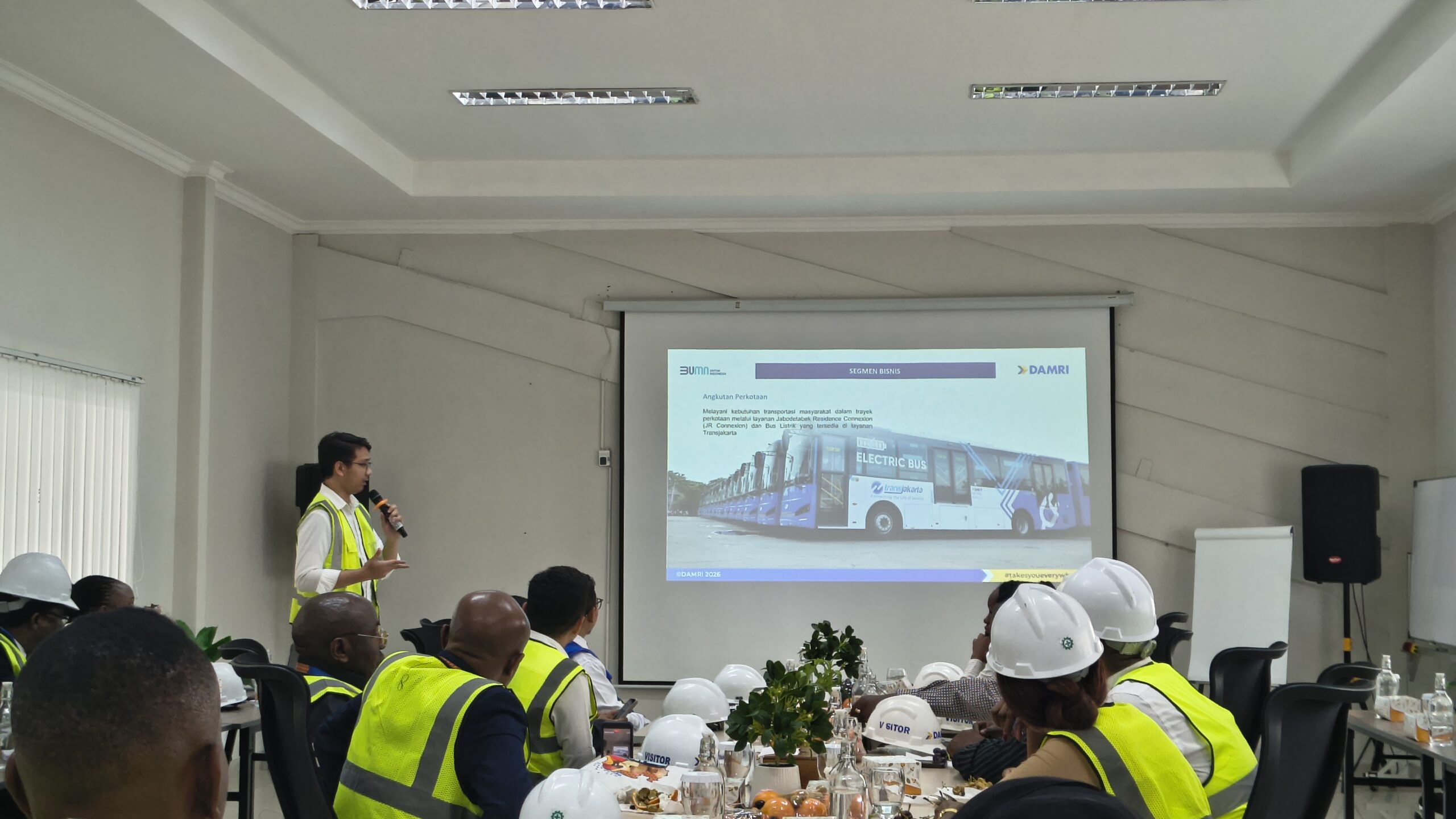
From April 20–22, 2026, ITDP Indonesia, in collaboration with PT Transjakarta, accompanied a delegation from Tanzania representing the Dar es Salaam Urban Transport Improvement Project (DUTP) for a study visit on how Jakarta’s urban transport system operates.
The program, titled “Public Transport Study Tour: 3 Days Executive Learning Program”, served as a knowledge-sharing platform covering strategic policies, regulatory frameworks, and field practices designed to support the acceleration of BRT system reform in Tanzania.
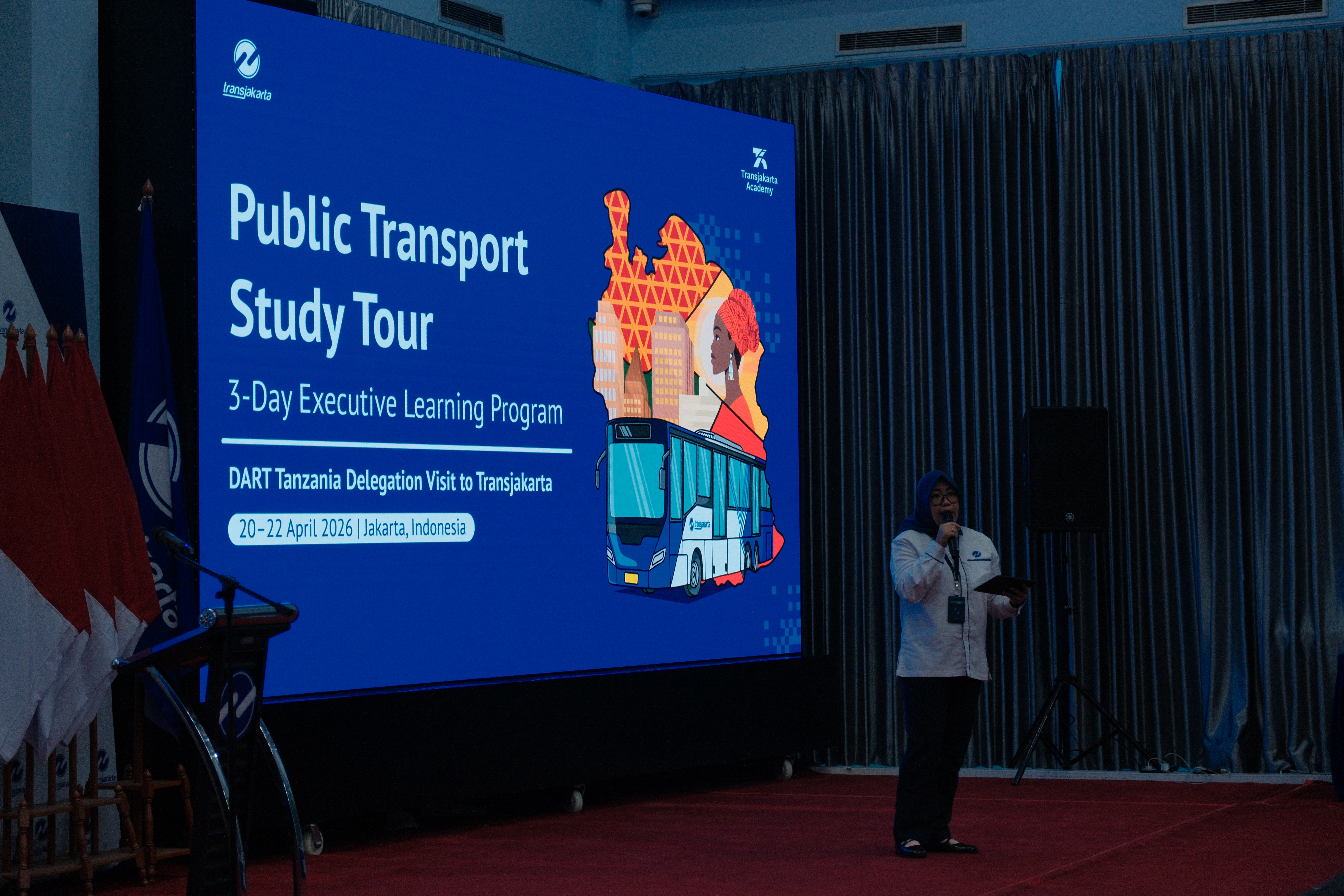
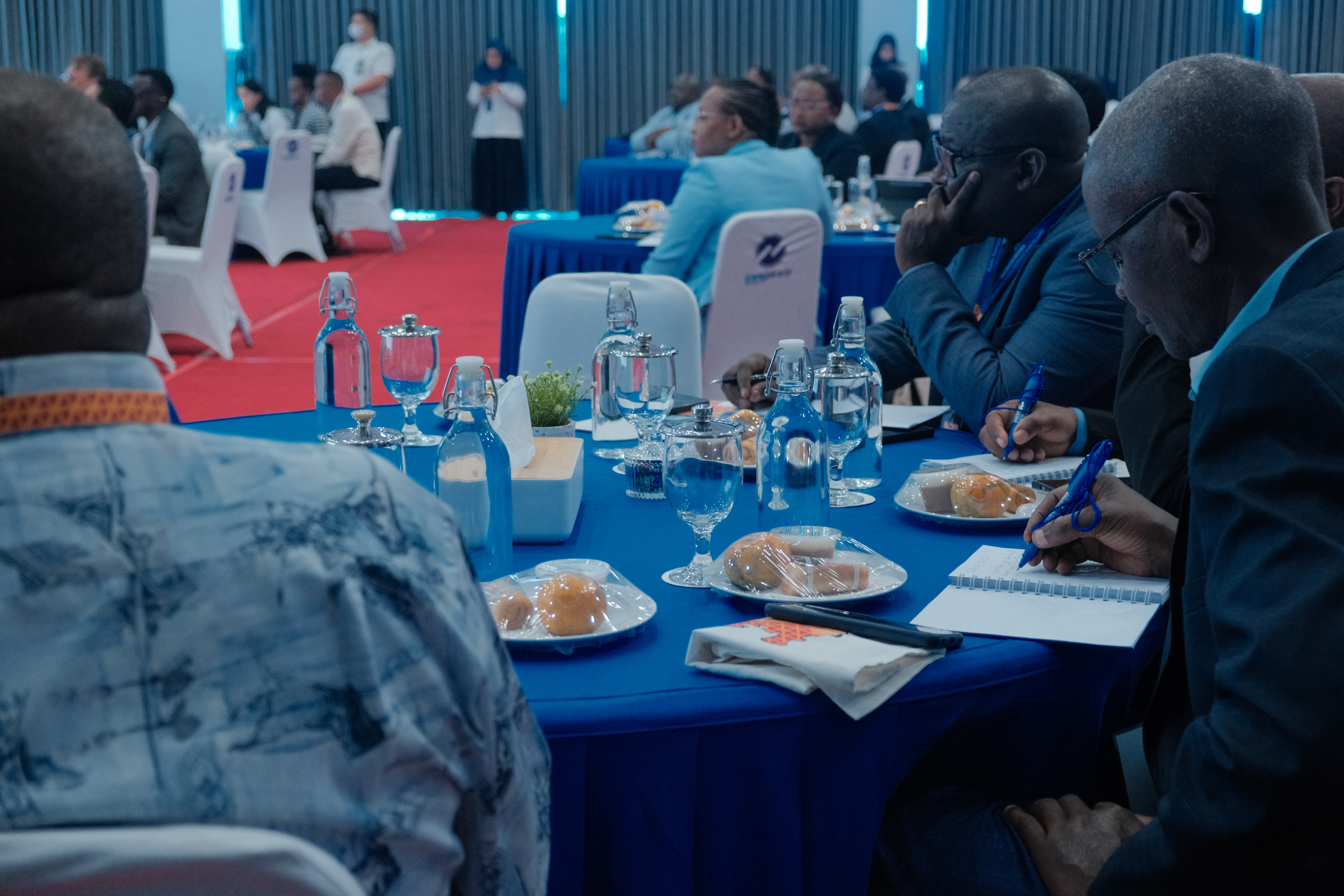
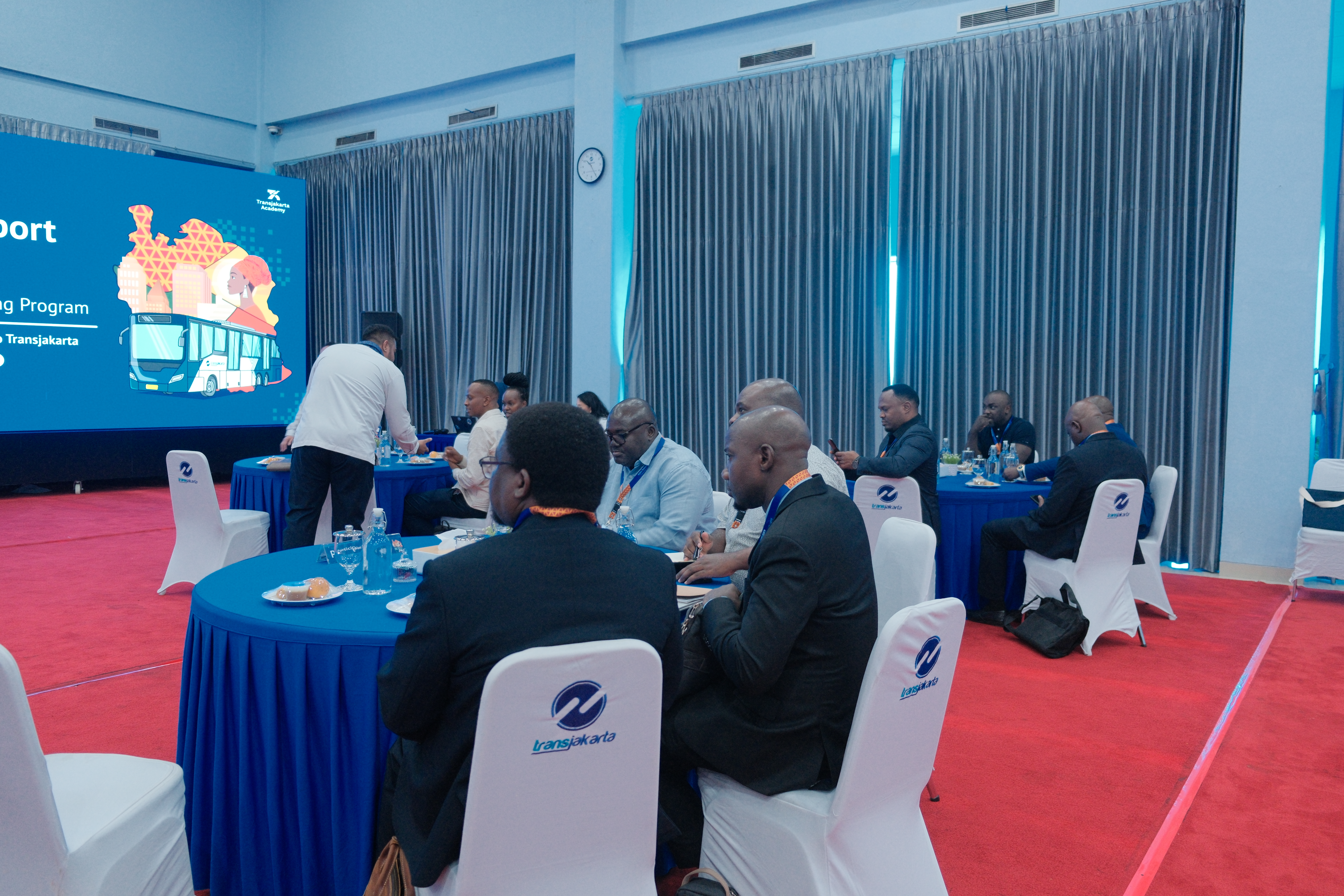
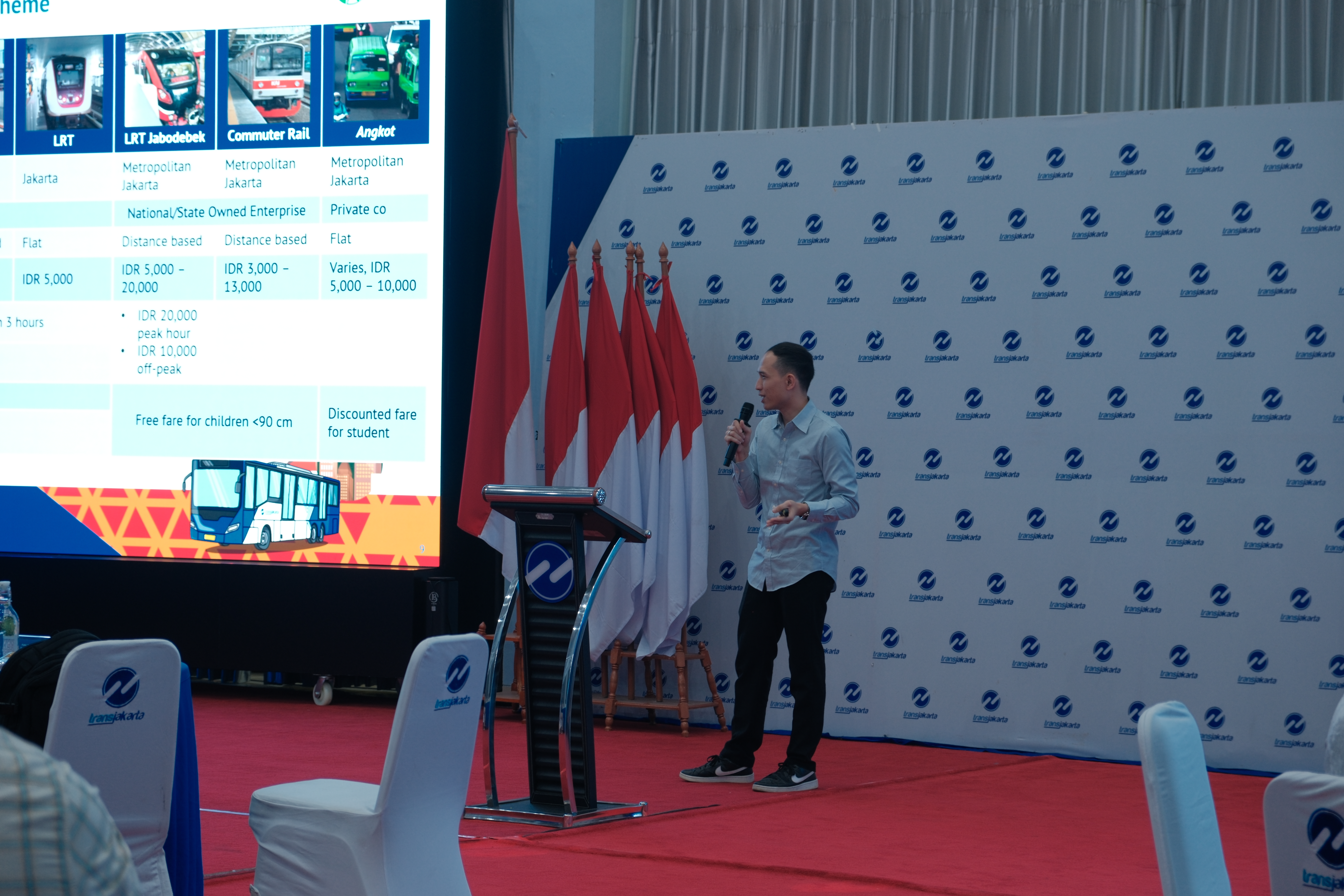
On the third day of the program, April 22, 2026, delegates gathered at PT Transjakarta headquarters to hear a presentation by Mizandaru Wicaksono, Urban Policy Manager at ITDP Indonesia, on fare policy within the Greater Jakarta urban transport system, including KRL commuter rail, MRT, LRT, and Transjakarta services. In his presentation, Mizandaru highlighted ITDP Indonesia’s research on Jakarta’s public transport integration, including governance structures, fare mechanisms, and transit hubs.
A key topic of discussion was Jakarta’s public transport fare system, which covers Transjakarta, Mikrotrans, MRT, LRT, LRT Jabodebek, KRL, and angkot services. Differences in ownership across these modes have made fare integration difficult to implement. At present, only Transjakarta, Mikrotrans, MRT, and LRT apply an integrated fare scheme of IDR 10,000 for up to three hours of travel.
Beyond fare integration, the long-delayed issue of fare increases also prompted extensive discussion. Several Tanzanian delegates questioned why fares had not been raised, despite the policy’s importance in responding to rising fuel and maintenance costs, reducing the government subsidy burden, and improving public transport service quality. Mizandaru acknowledged that the issue is highly complex, shaped by public concerns over economic impacts as well as broader national economic conditions that remain less than favorable.
Even so, the Government of Jakarta has implemented concession fare policies for 15 groups, including persons with disabilities, children, older adults, low-income residents, and residents of the Thousand Islands. To ensure the long-term sustainability of the program, ITDP recommends targeting beneficiaries based on vulnerability status. The verification process should also remain easily accessible, whether through official websites, post offices, or in-person verification.
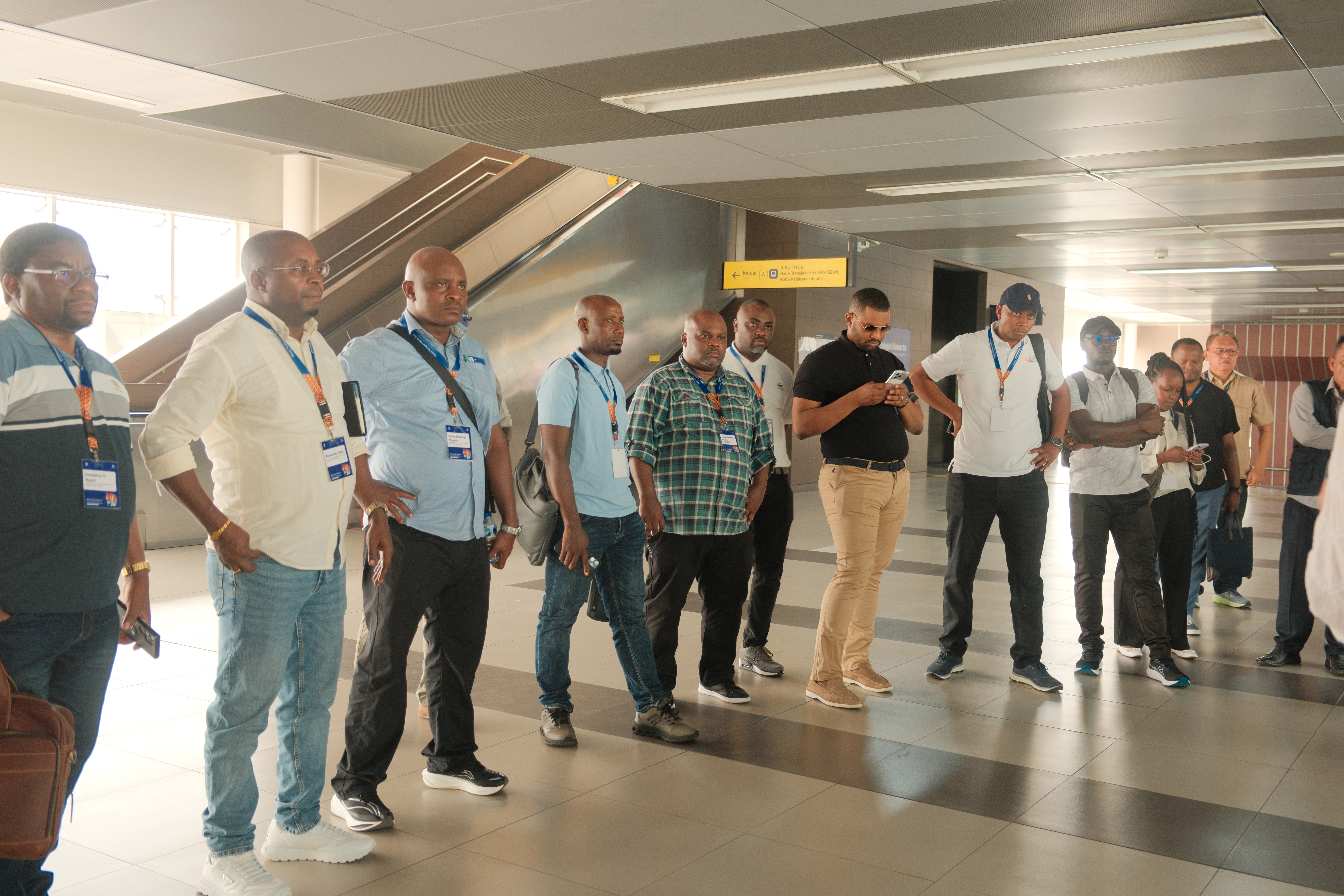
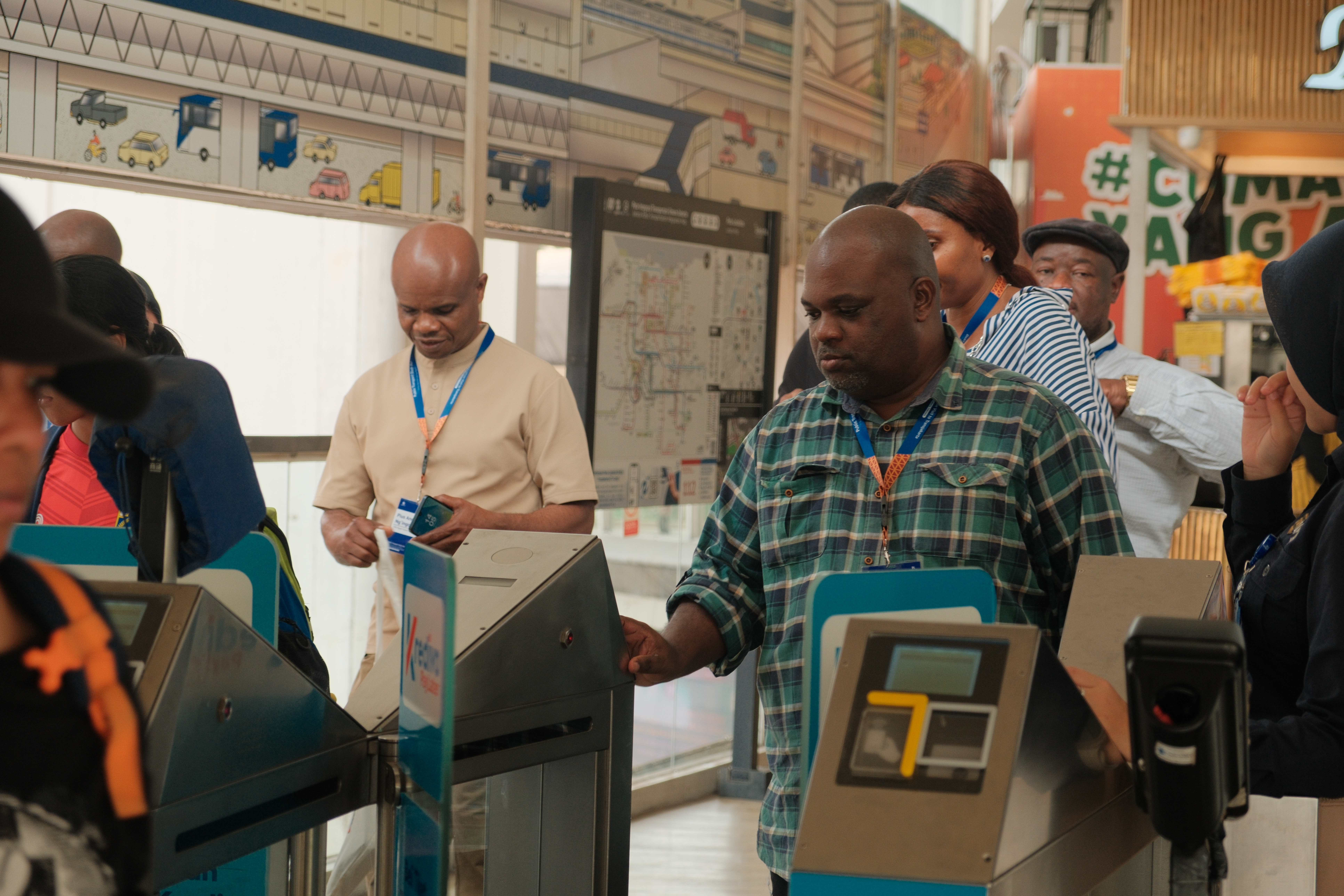
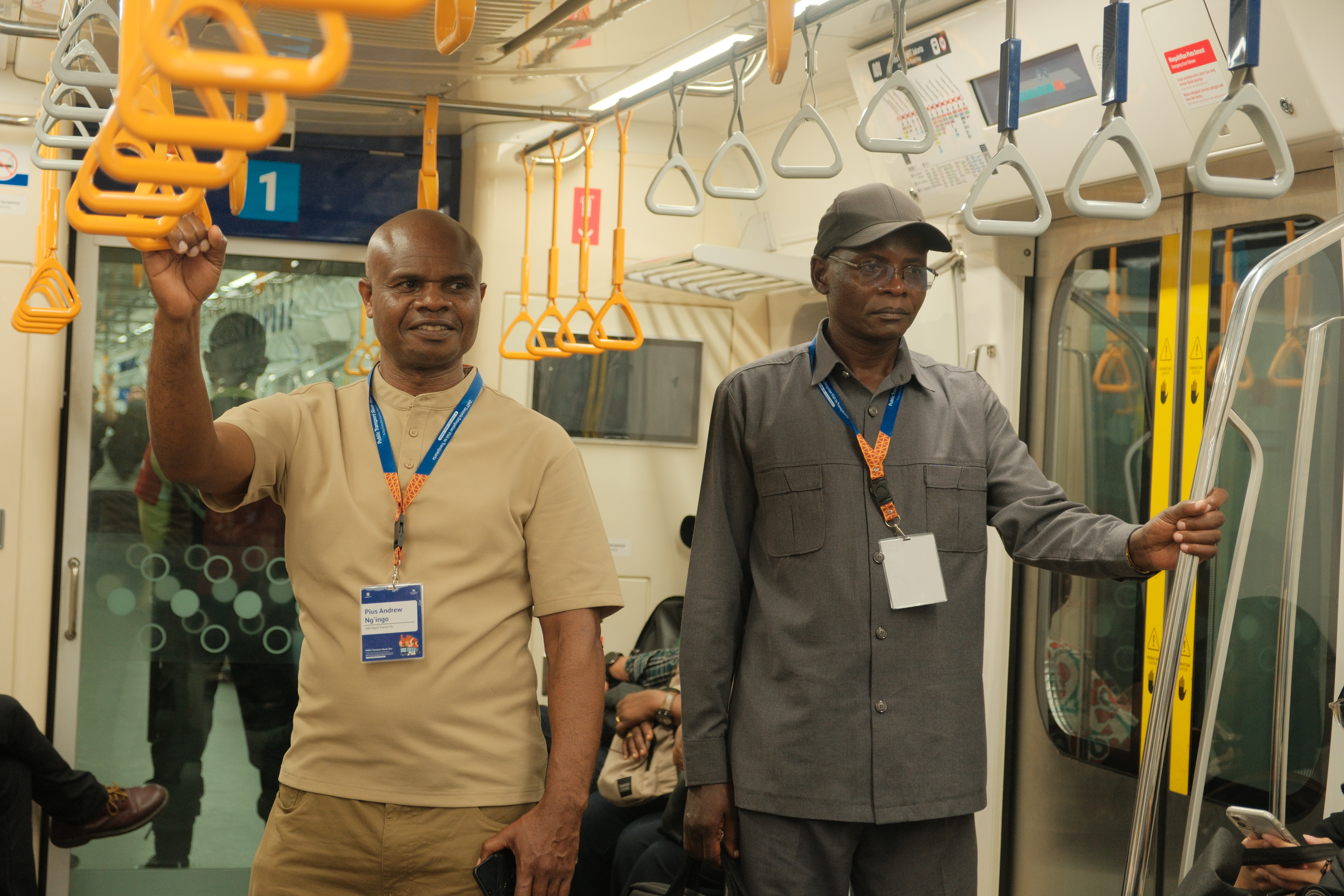
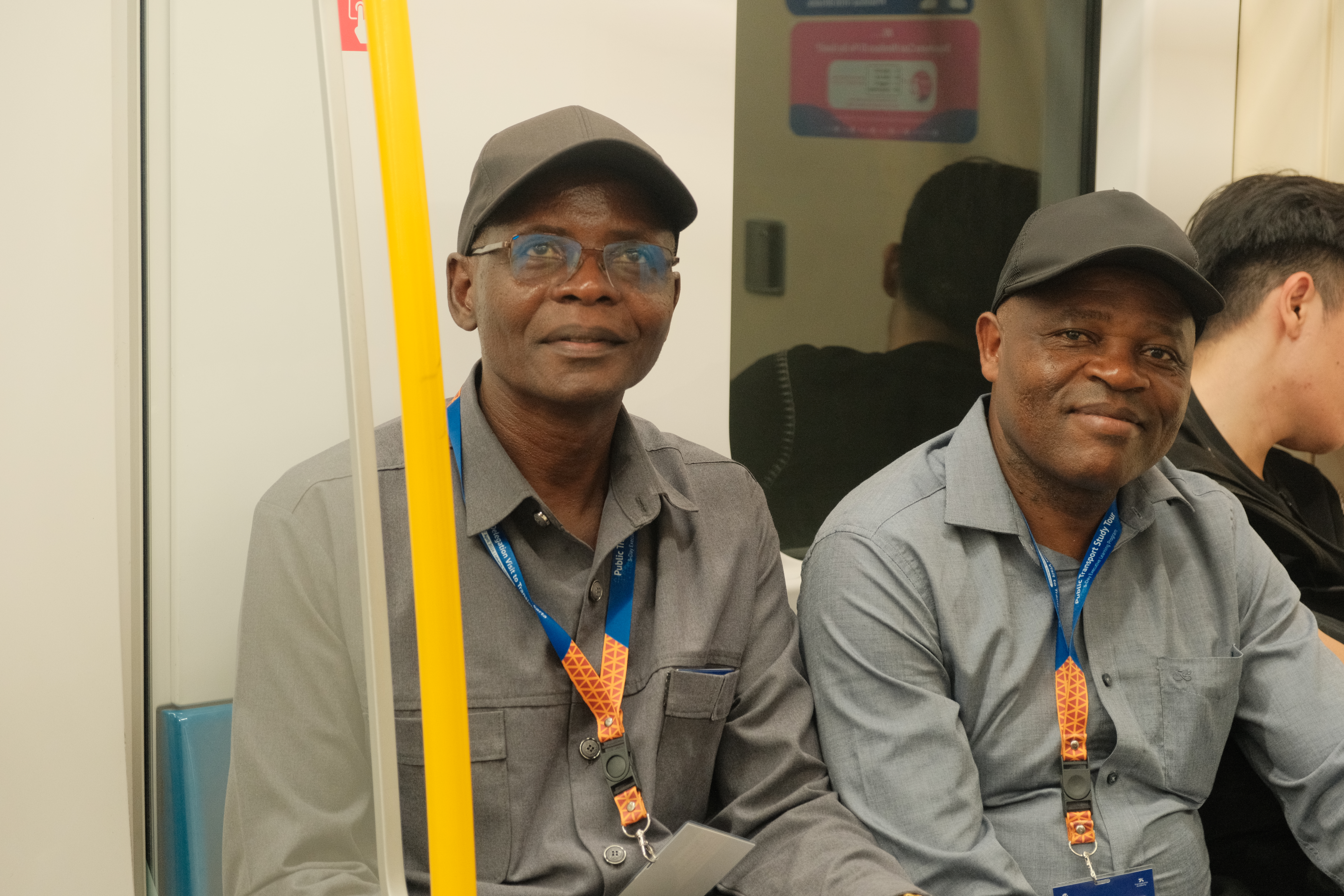
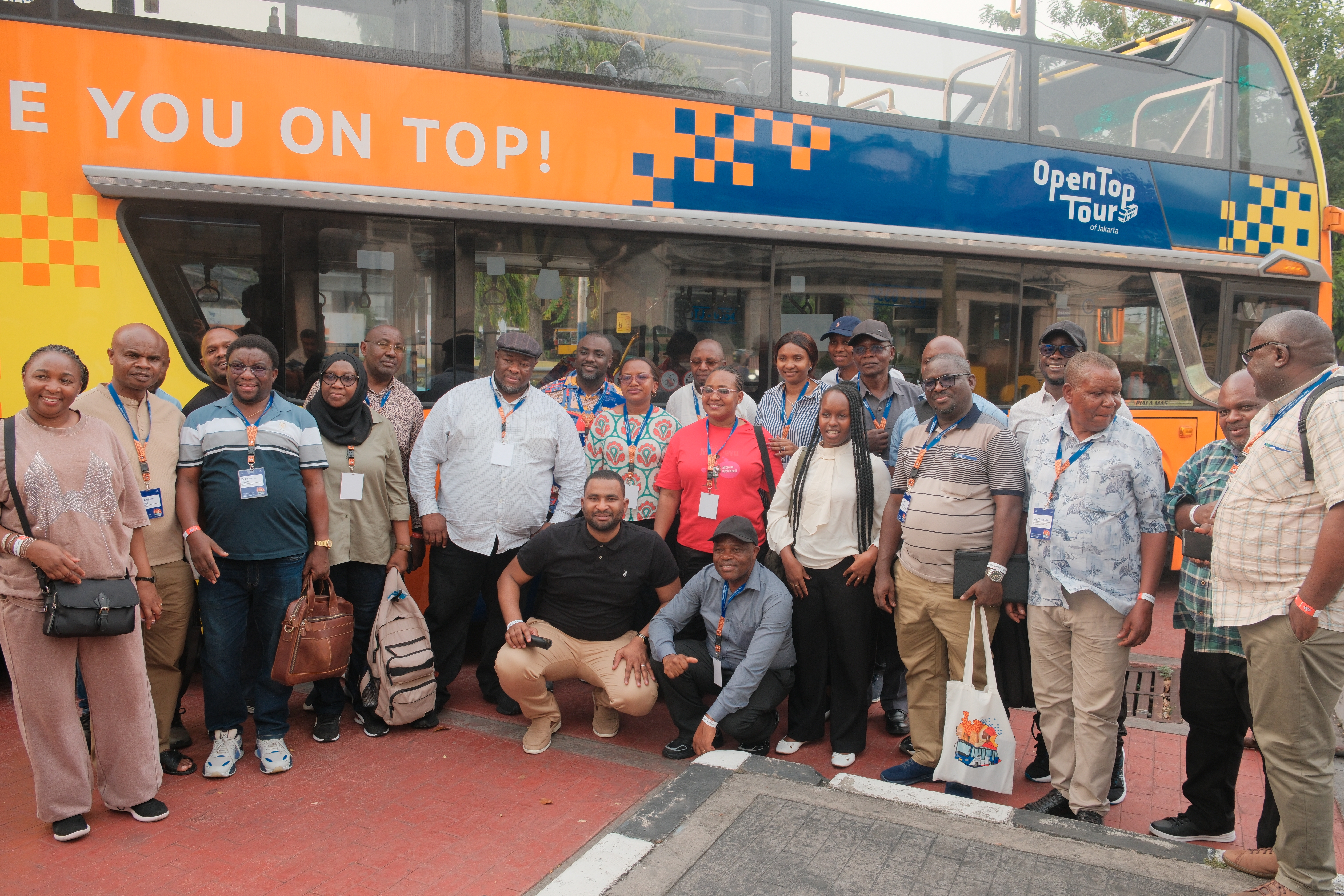
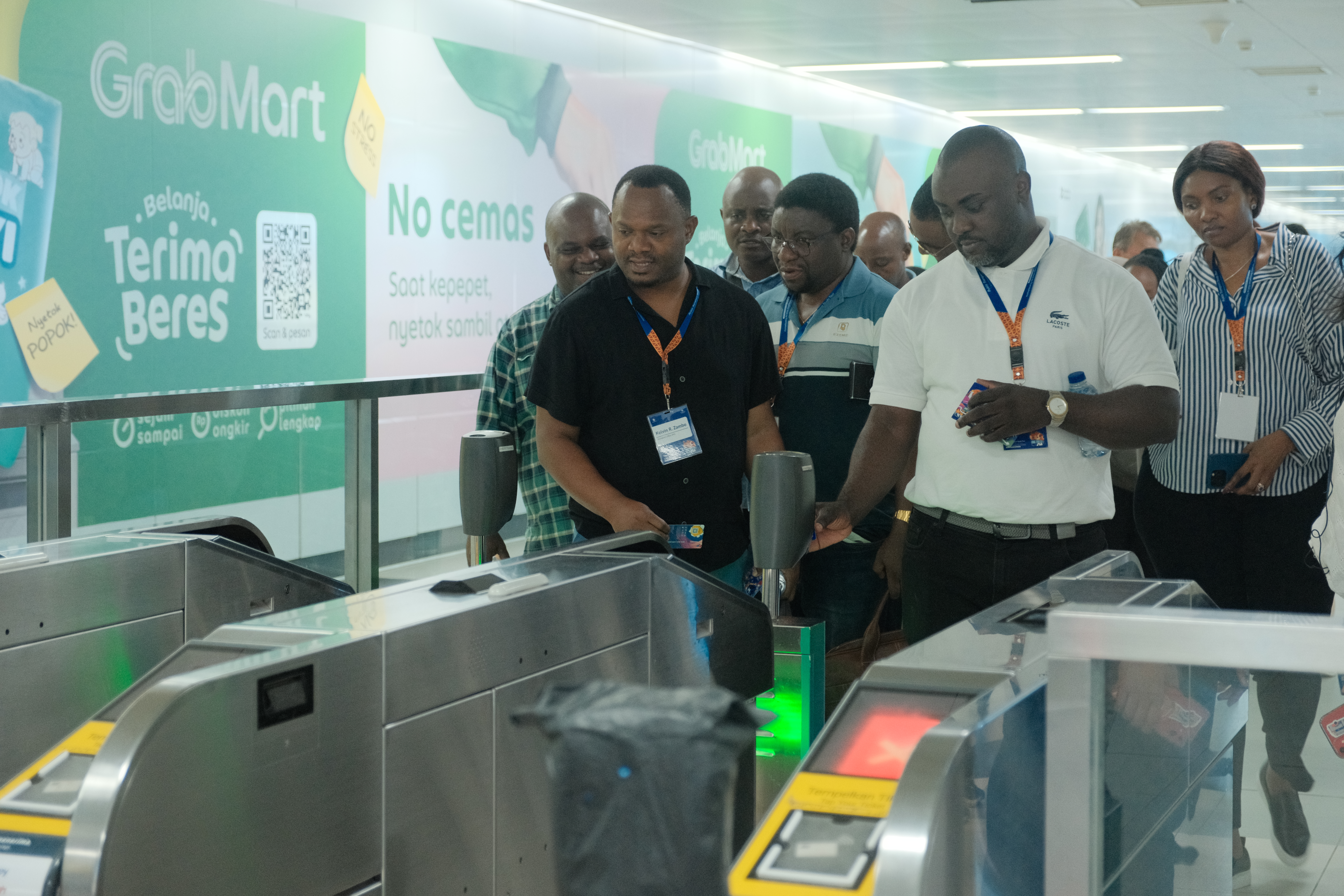
The agenda continued with a tour across Jakarta using several of the city’s public transport services. The first leg began aboard a Royaltrans premium bus from PT Transjakarta headquarters to Cawang LRT Station. From there, the Tanzanian delegation, accompanied by teams from Transjakarta and ITDP Indonesia, boarded the Jabodebek LRT to Pancoran LRT Station. The group then walked to Pancoran bus stop and crossed South Jakarta aboard route 13B to CSW Transit Hub. They later toured the ASEAN–CSW MRT Integration Area, guided by the Transjakarta team, who explained Jakarta’s transport modes and the history of the integrated area.
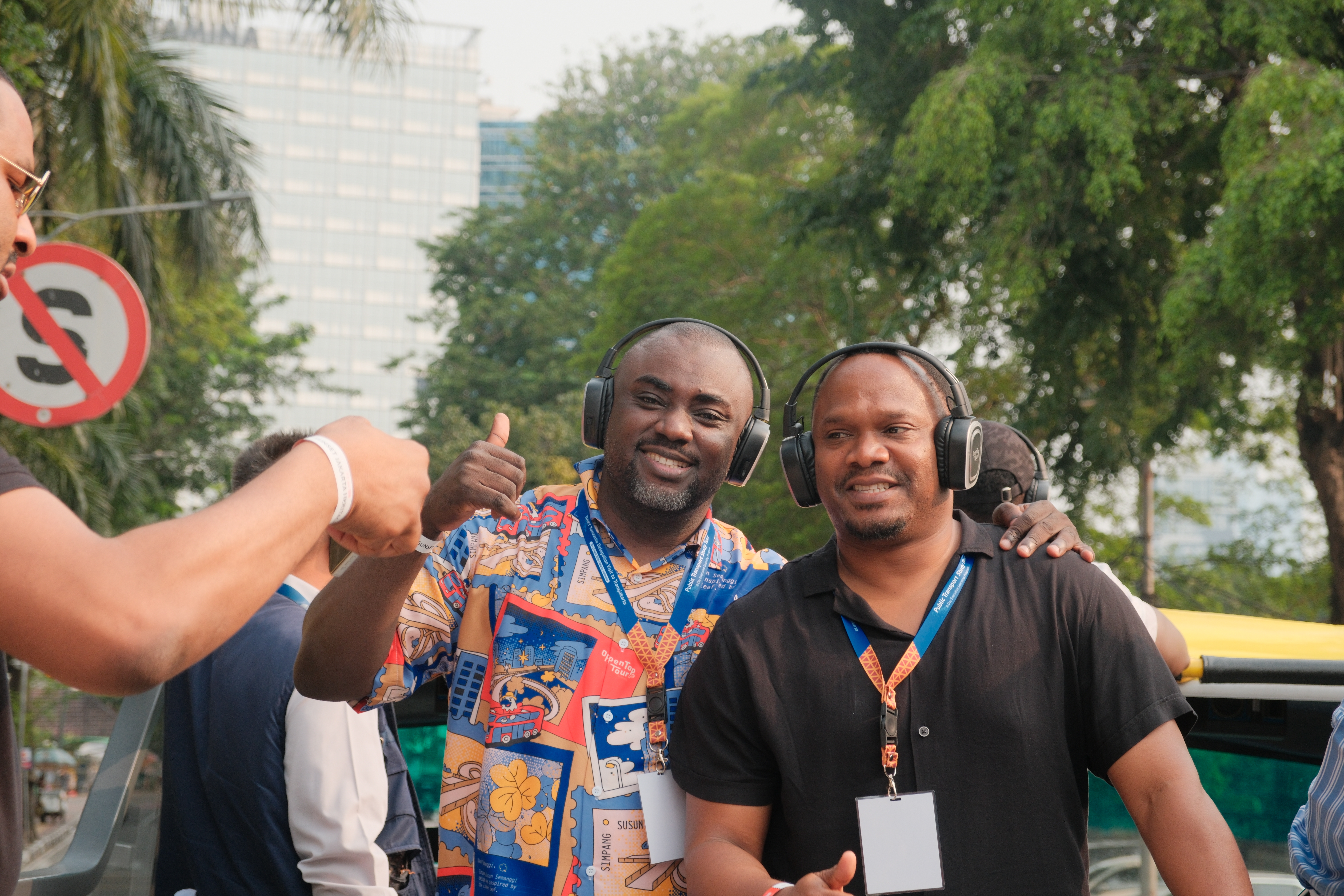
The journey continued from ASEAN MRT Station to Bundaran HI MRT Station, where the group transferred to Transjakarta route 1P. The bus proceeded to Pos Bloc Pasar Baru, where delegates received Transjakarta souvenirs. The trip concluded aboard an Open Top Tour bus, exploring Jakarta’s historic landmarks while enjoying Tanzanian pop music. After approximately 40 minutes, the group returned to Pos Bloc Pasar Baru.
The three-day program officially concluded with a dinner at Al Jazeera.