
May 04, 2026
ITDP Indonesia Calls for Strengthening Public Transport Policy as a National Basic Service
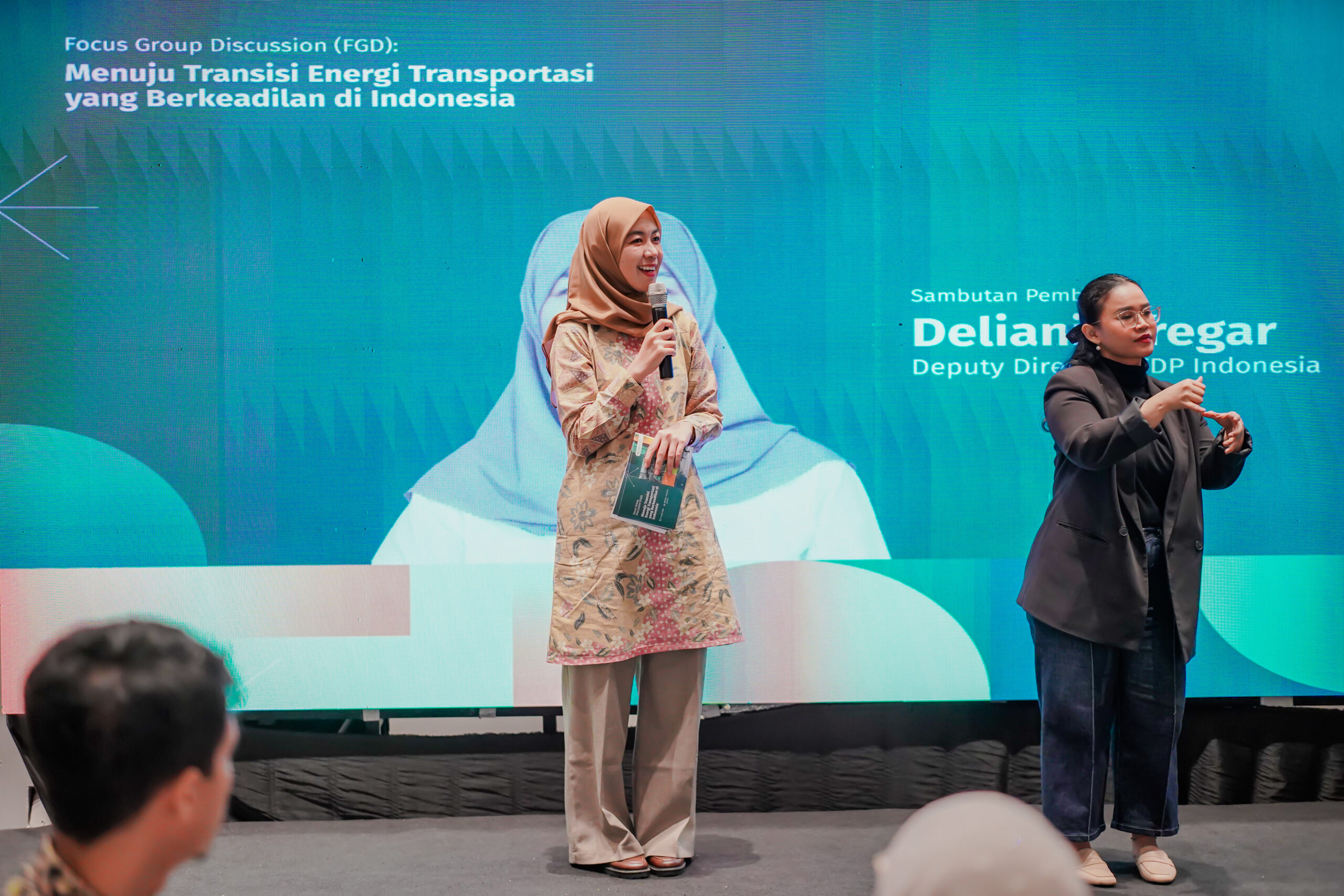
ITDP Indonesia organized a Focus Group Discussion (FGD) titled “Towards a Just Energy Transition in Indonesia’s Transport Sector” on Monday, April 27, 2026, at ARTOTEL Thamrin, Jakarta. The FGD brought together more than 40 cross-sector stakeholders, including representatives from national and local governments such as the Ministry of Transportation, Ministry of Agrarian Affairs and Spatial Planning/National Land Agency (ATR/BPN), Bappenas, Jakarta’s Regional Development Planning Agency (Bappeda DKI Jakarta), public transport operators, as well as development partners and civil society organizations.
“This forum was designed not merely as a space for discussion, but as an initial step to collectively identify the most pressing issues that need to be prioritized in Indonesia’s sustainable transport agenda moving forward,” said Deliani Poetriayu Siregar, Deputy Director of ITDP Indonesia.
The FGD aimed to strengthen policy frameworks while addressing barriers to public transportation in Indonesia. One key issue raised was that public transport has not yet been fully positioned as a basic service that must be provided by local governments, unlike sectors such as education and healthcare, which are included in Minimum Service Standards (SPM). As a result, transport budgets often lose out to other sectors during regional budget negotiations, even at the level of local legislative councils (DPRD). The case of Bali serves as a stark lesson: when a public transport program ceased due to the absence of continued support from local governments, a number of schoolchildren were forced to transfer schools because they could no longer afford rising transportation costs.
“Strengthening this mandate is crucial so that public transport can be planned and funded more consistently—not merely dependent on short-term priorities, but as a core public service,” Deliani added. “Without a clear mandate, public transport will always be deprioritized, despite its critical role in supporting mobility and urban productivity.”
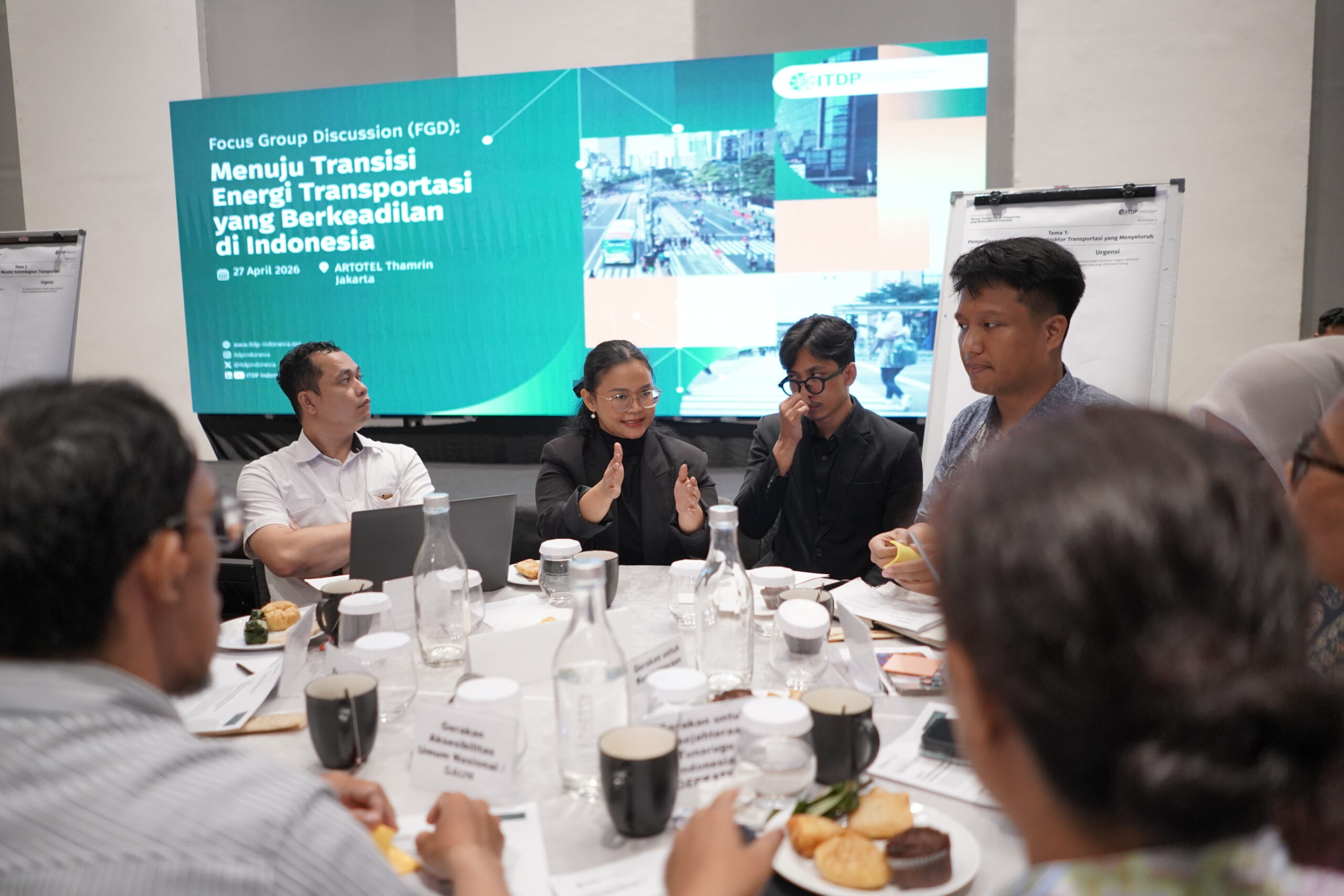
Another challenge highlighted was weak inter-regional coordination in managing metropolitan transport systems. In the Greater Jakarta area (Jabodetabek), for instance, the expansion of Transjakarta services to surrounding cities is often hindered by differences in authority, disagreements over cost-sharing between regions, and unclear leadership in coordination. Meanwhile, regions like Surabaya, despite strong ambition to develop public transport, face limitations as they cannot directly access international financing without approval from the central government.
Transit-Oriented Development (TOD) also emerged as a key concern. Although TOD has been incorporated into planning documents such as spatial plans (RTRW and RDTR), its on-the-ground implementation remains inconsistent. Urban areas continue to grow without adhering to these plans, while TOD development risks triggering gentrification and displacing low-income residents from transit-accessible areas. Participants agreed that without adequate housing subsidies and early community engagement, the benefits of TOD will only be enjoyed by certain groups.
On the financing side, regions outside Jakarta face serious structural barriers. In addition to limited local budgets (APBD), many regions lack the technical capacity to access innovative financing mechanisms such as Land Value Capture (LVC) or green financing. The absence of a carbon certification mechanism for the transport sector also closes off a potential source of funding.
“Moving forward, public transport must be positioned as the backbone of urban mobility. With stronger policy frameworks and cross-sector collaboration, we can ensure a more reliable, inclusive, and sustainable transport system for the public,” Deliani concluded.
The outcomes of this discussion will inform ITDP Indonesia’s policy agenda and dialogue with the government throughout 2026, including efforts to advocate for regulatory revisions that provide a stronger mandate for public transport provision at the local level.