June 12, 2026
Waiting for Bike-Sharing’s Return to Jakarta
By Mega Primatama, Urban Planning Associate ITDP Indonesia
Illustrated by Ayi Rachdyni Safira, Urban and Visual Design Associate ITDP Indonesia
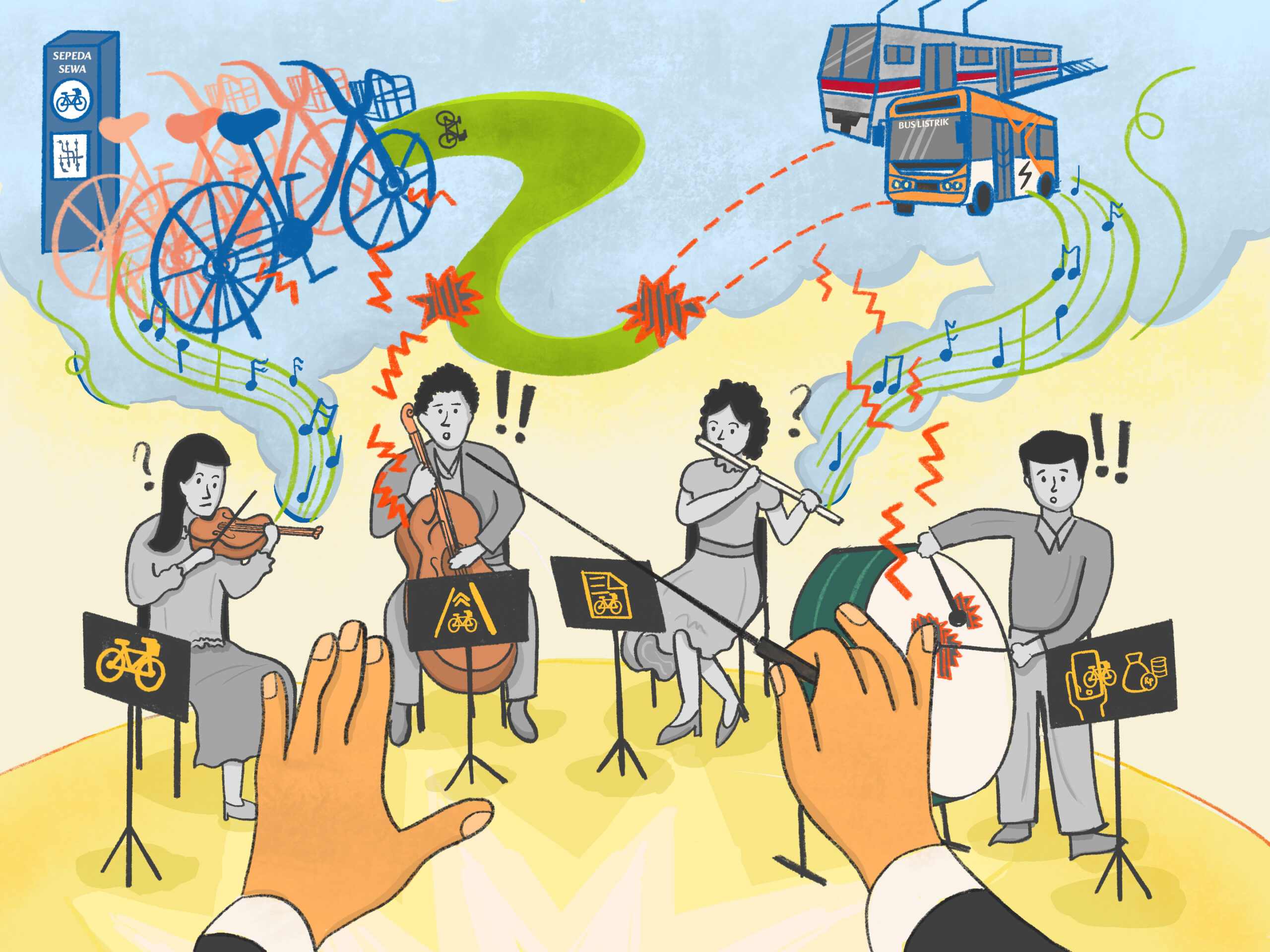
The discontinuation of Jakarta’s bike-sharing service after the pandemic was not due to a decline in public interest, but rather the lack of a sufficiently supportive ecosystem.
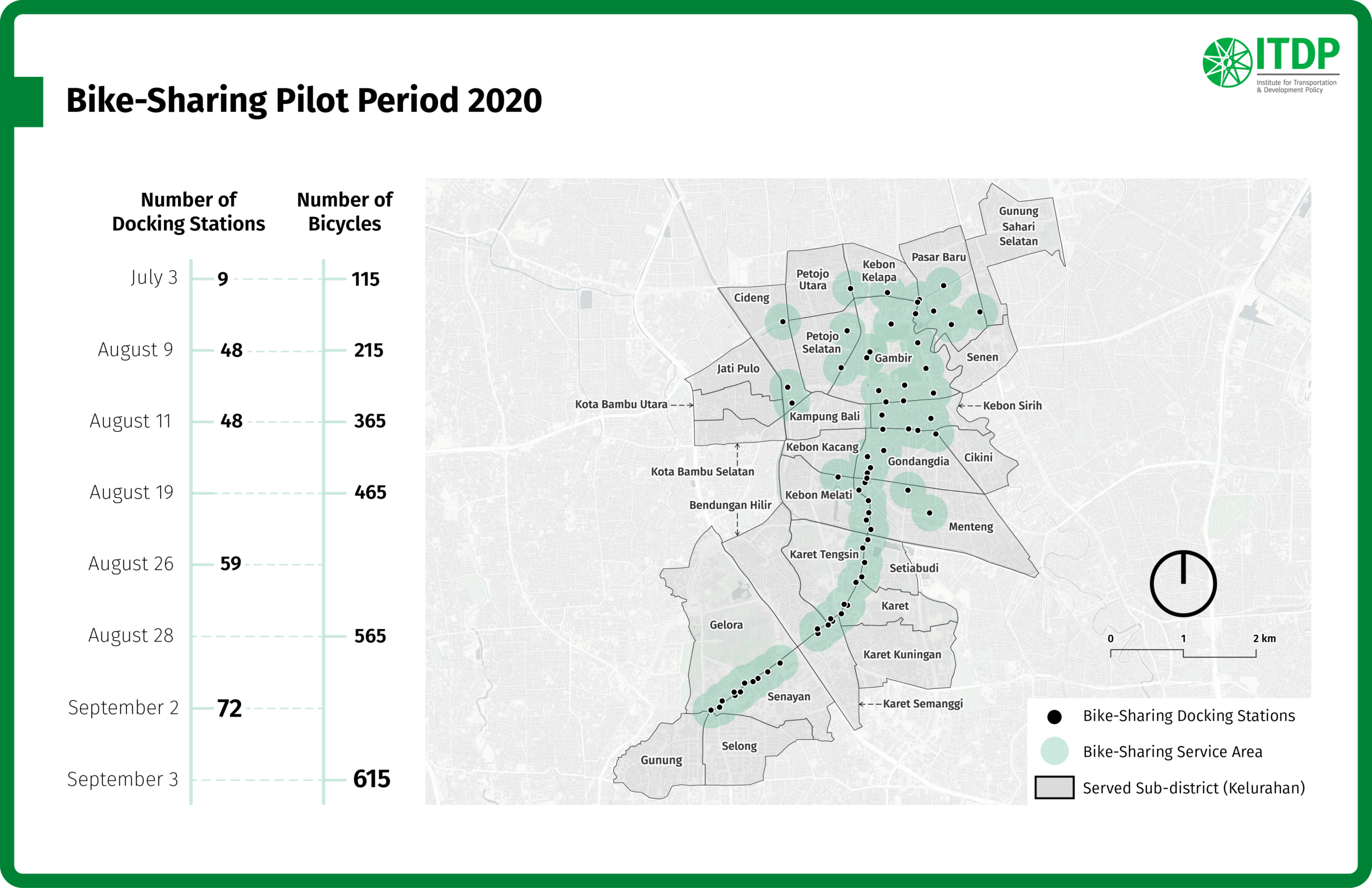
A few years ago, bike-sharing services briefly emerged in Jakarta as an alternative for short-distance mobility along the city’s main streets. Their development had in fact been underway for more than a decade, progressing from initial proposals1, to limited-scale implementation2, and eventually to pilot programs with broader service coverage3.
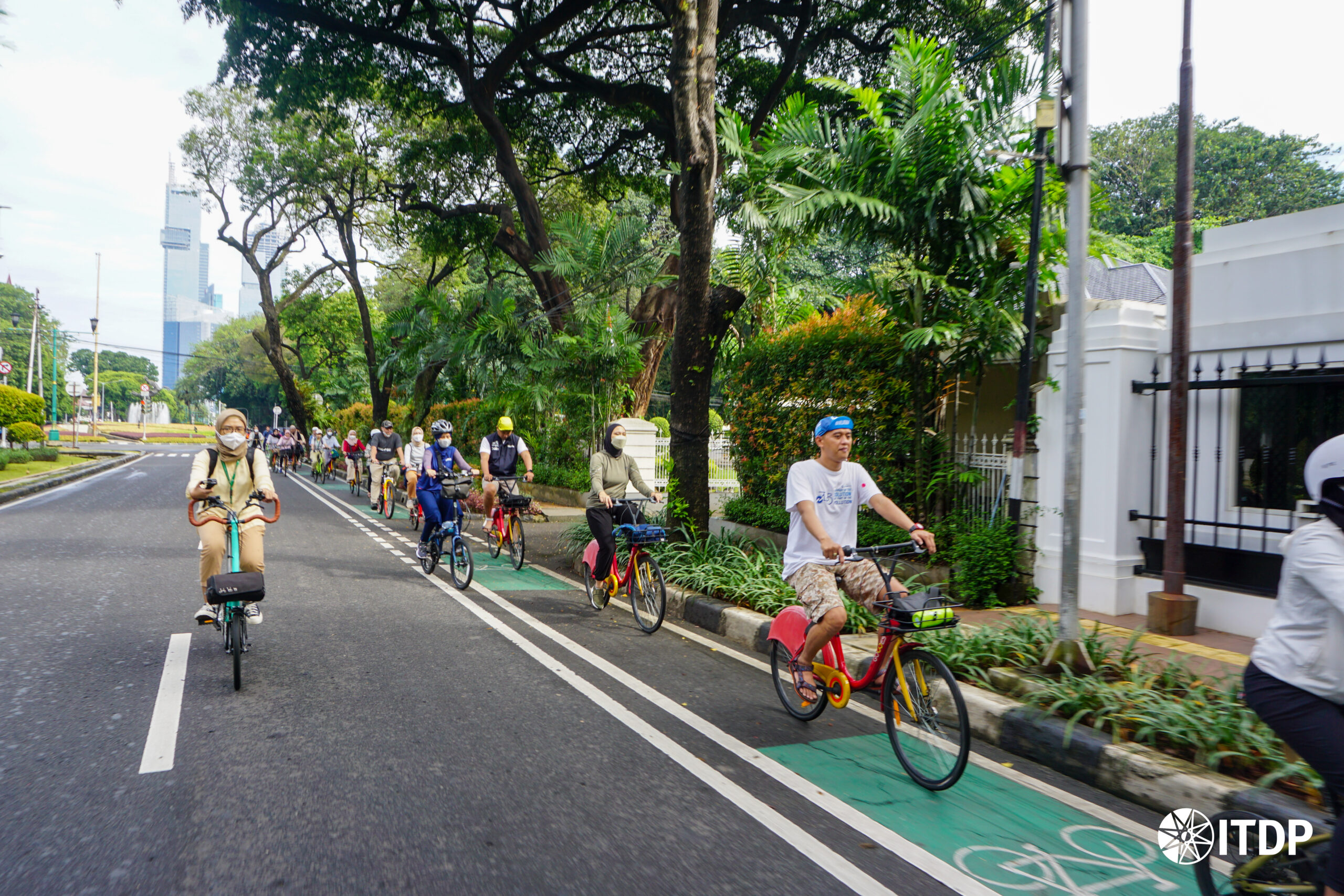
Bike-sharing services first appeared in 2018 and continued to evolve alongside the expansion of Jakarta’s cycling network, including bike lanes and cycling corridors developed between 2019 and 20224.
However, by the end of 2022, the service came to a halt5. Operators were no longer able to sustain operations due to a lack of investment despite continued public demand.
Why Does Bike-Sharing Matter for Urban Mobility?
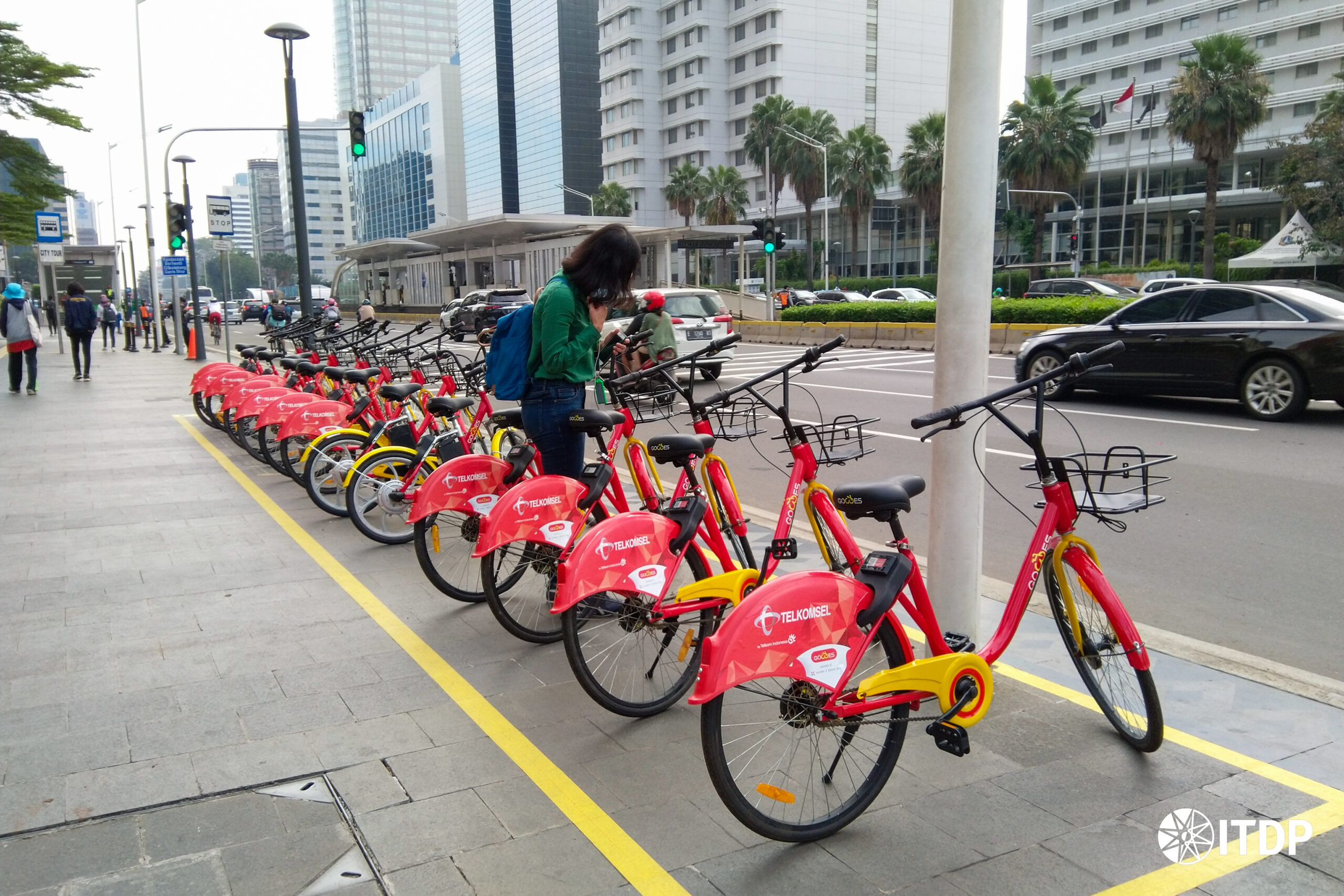
In urban mobility networks, bike-sharing serves an important role in closing the gap in sustainable transportation by helping solve the first- and last-mile challenge for public transport users.
Bike-sharing systems also provide an affordable and accessible travel option for people whose destinations remain underserved by public transit. Several cities around the world have shown how bike sharing can strengthen and complement public transportation systems.
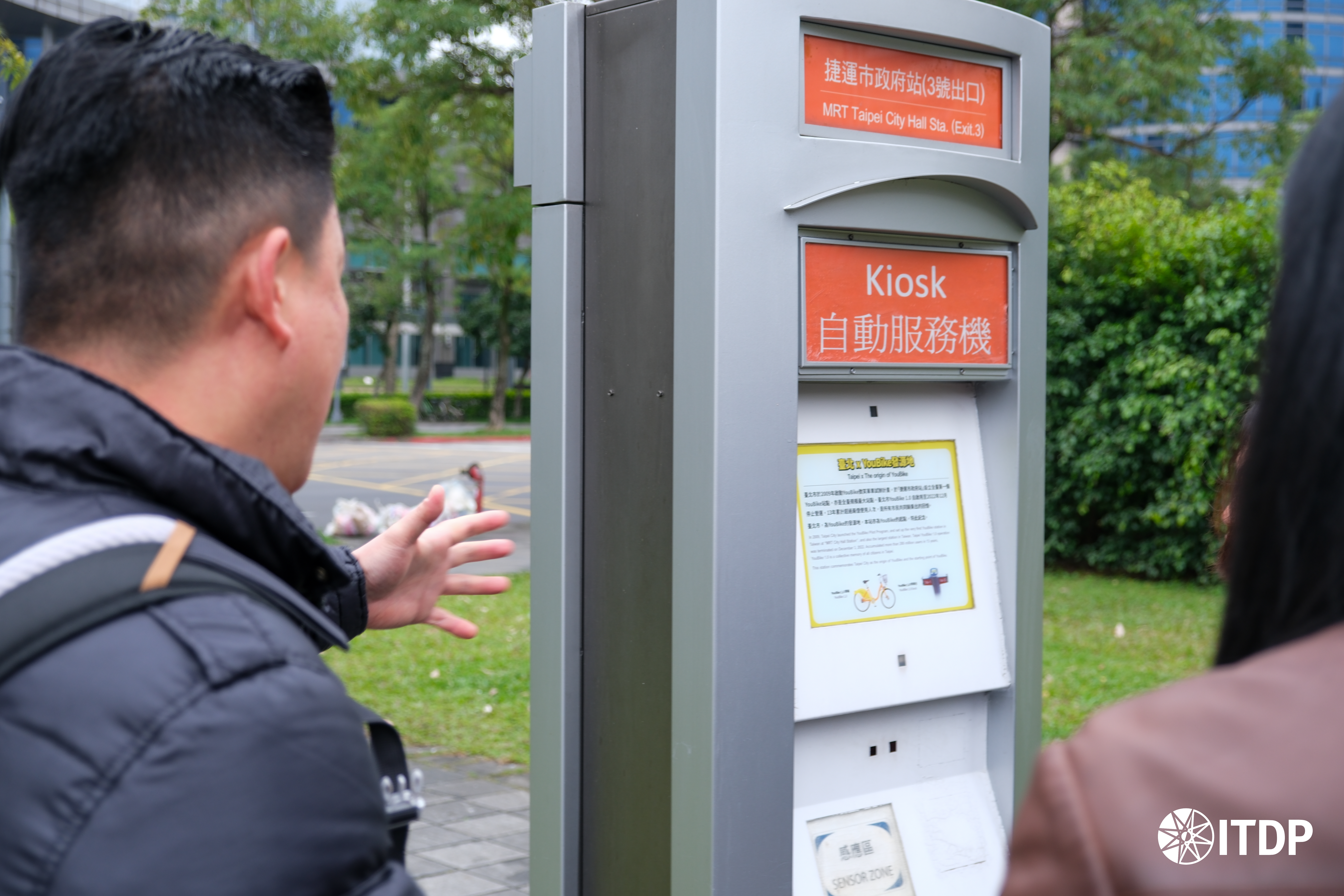
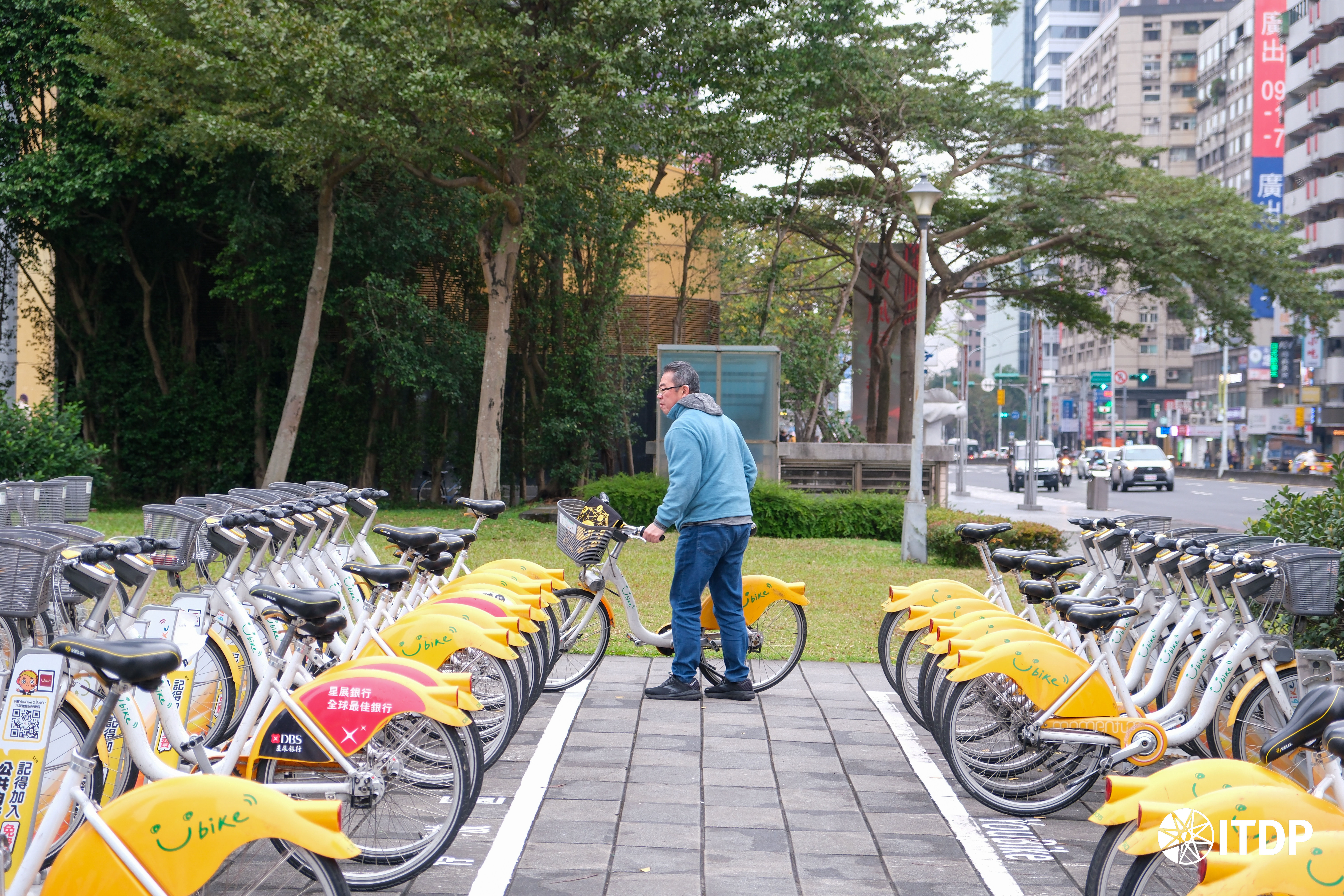
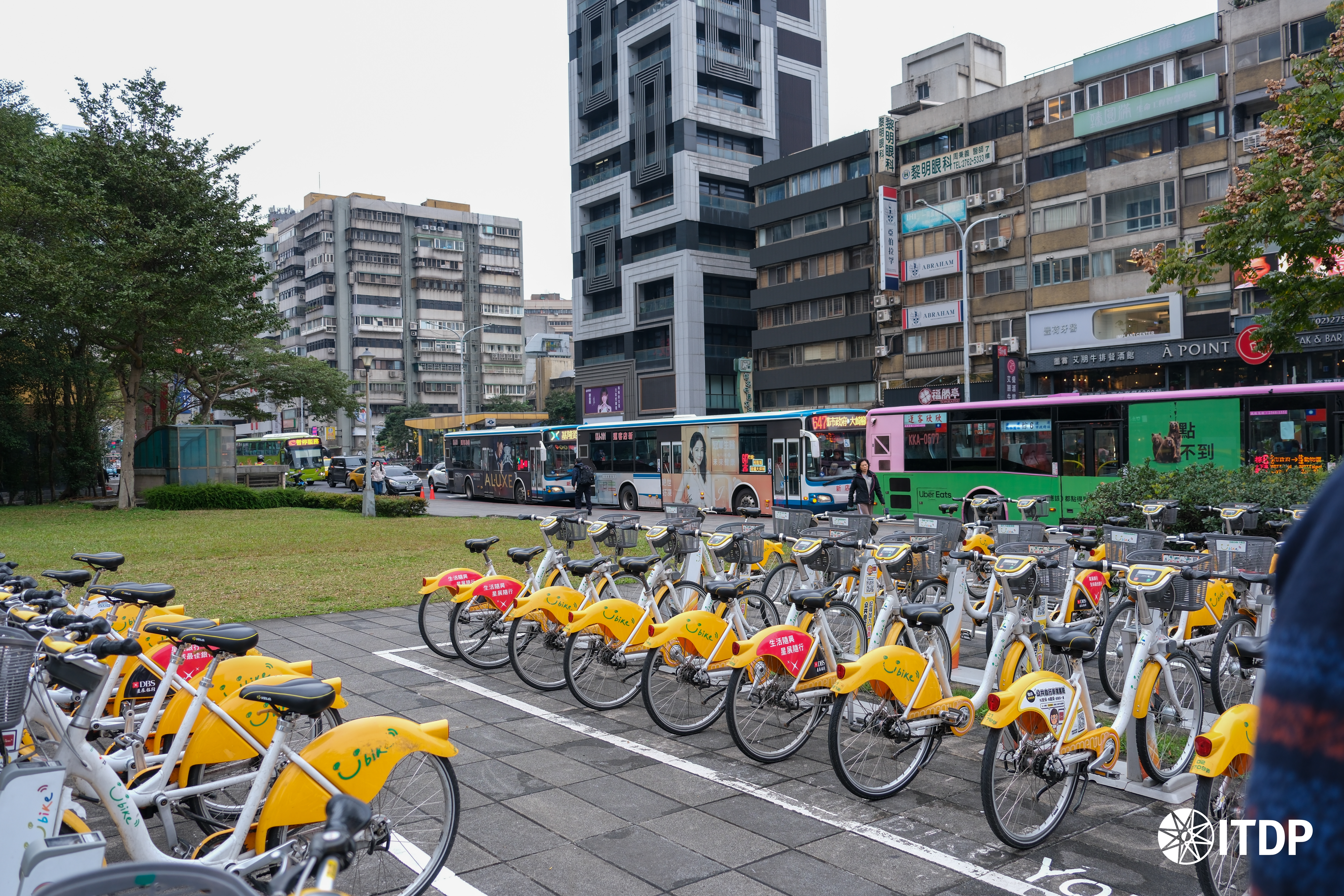
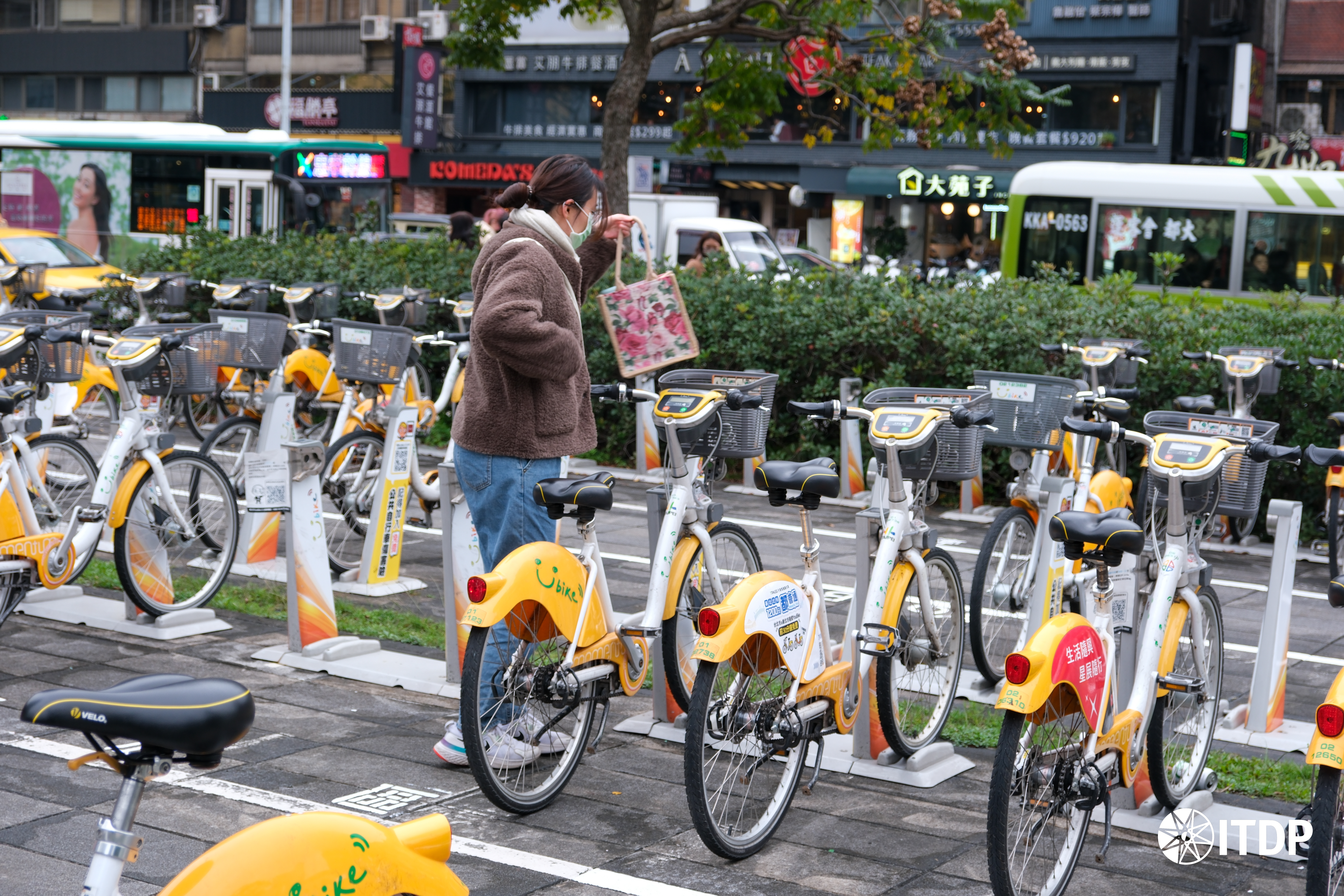
In Taipei, the bike-sharing service YouBike initially operated on a limited scale in the city center between 2009 and 2011. However, through a range of developments and innovations, including participatory planning, service expansion, fare schemes, and citywide cycling infrastructure expansion implemented comprehensively by the local government6, YouBike has grown into one of Taipei’s most effective mobility alternatives, recording a total of 79 million trips in 20257.
As Jakarta’s public transport options continue to expand, the need for supporting infrastructure for first- and last-mile journeys has become increasingly important. This is evident in the fact that public transport services such as Transjakarta are now accessible within a 5–10 minute walk across 91.8 percent of the province’s area8, yet public transport mode share remains at around 22 percent, far below the Jakarta Provincial Government’s target of 60 percent by 20299.
This points to a possible gap: while public transport coverage has expanded, existing pedestrian and cycling infrastructure may still not provide sufficiently easy access to these services. In fact, the provision of sidewalks, cycling lanes, and bike-sharing services can play a critical role in strengthening intermodal connectivity. As the coverage of public transport services expands, so too does the need for better connectivity to and from these transit points.
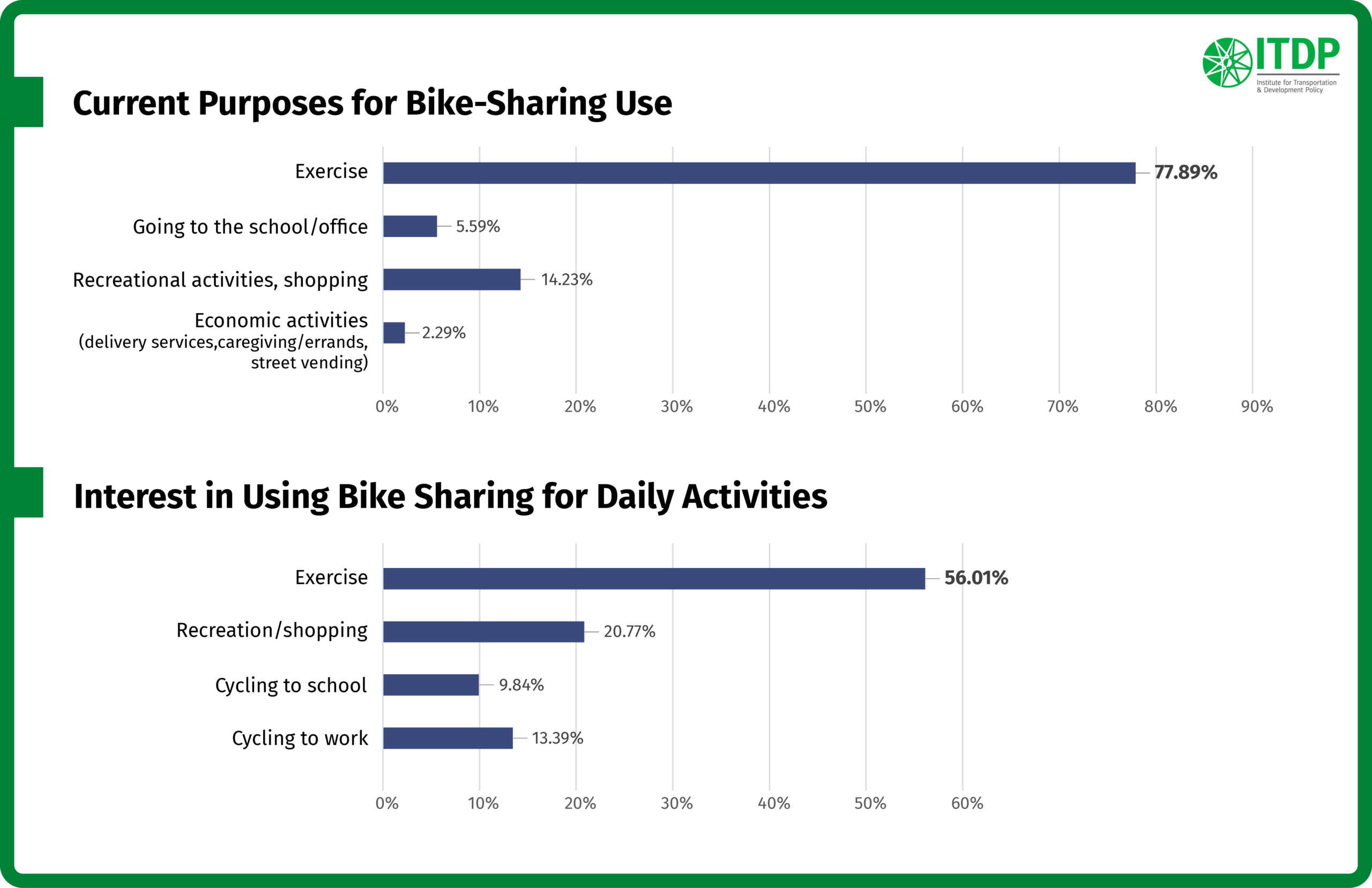
The need for stronger connectivity is also reflected in an ITDP Indonesia survey conducted in 2022. While bike-sharing use at the time was still largely driven by recreational purposes, nearly half of respondents expressed interest in a service that could support everyday trips: workplaces, shopping centers, schools, and places of worship. This highlights the potential of bike sharing not only as a recreational mode, but also as an integral part of daily urban mobility.
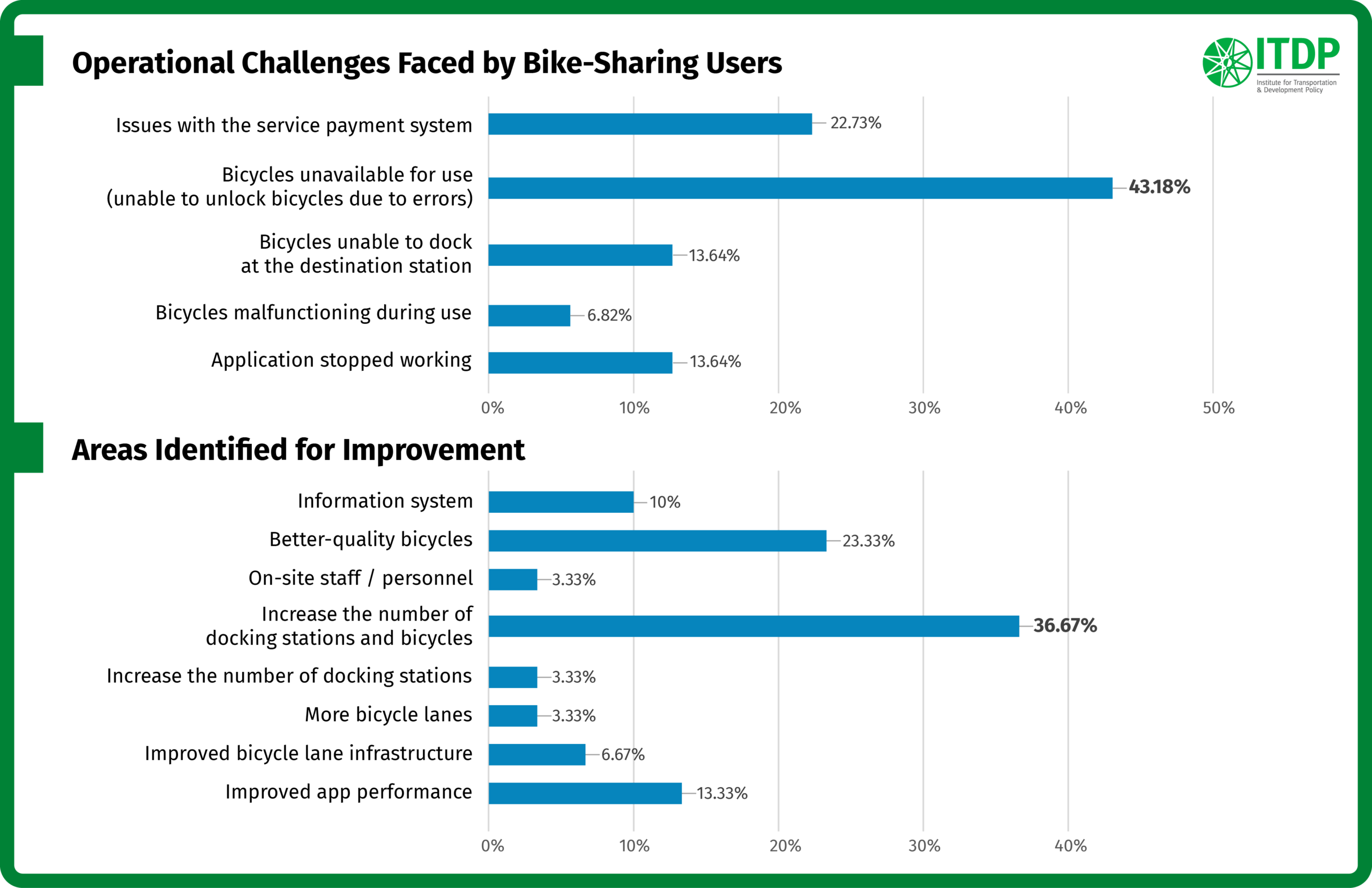
Although public interest and demand exist, the service has faced several operational challenges overall. These include bike-sharing services that have yet to fully meet users’ expectations and needs, the urgency of conducting pilot programs to update regulations in line with the realities faced by both service providers and users, and cycling infrastructure that still falls short of meeting cyclists’ needs.
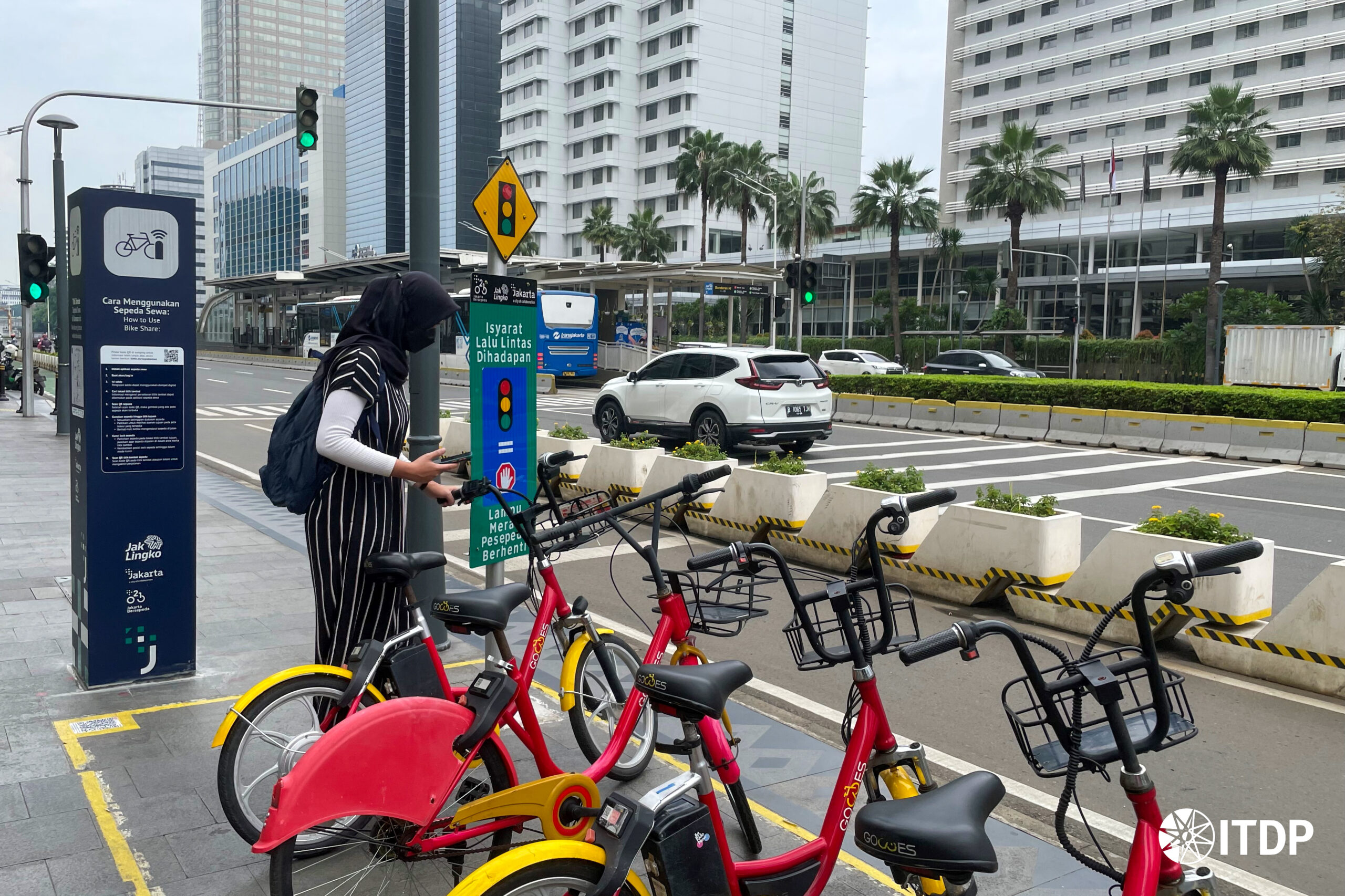
Lessons from the implementation of bike-sharing systems between 2020 and 2022 also revealed a number of practical challenges, including unusable bicycles, issues with payment systems and mobile applications, and the limited coverage of the existing bike-sharing network. Beyond broader service-related issues, internal operator constraints—particularly technological and financial limitations—ultimately became the main factors behind the discontinuation of the bike-sharing service.
Notably, regulations on bike-sharing services in Jakarta had been in development since 2019 before being officially enacted in August 2022 as Governor Regulation No. 36 of 2022.
However, by the time the regulation came into effect, no bike-sharing operators remained in service. This suggests that regulatory development should have progressed in parallel with other key processes, including nurturing the business ecosystem and preparing market conditions, alongside policies capable of encouraging or even mandating the use of first- and last-mile facilities.
In the subsequent dissemination process following the enactment of the Governor Regulation, prospective service operators still raised concerns regarding whether the regulation aligned with evolving needs, available technologies, and user conditions. These concerns included fare structures and fleet specifications, which could later serve as important considerations in the process of updating Jakarta’s bike-sharing regulations.
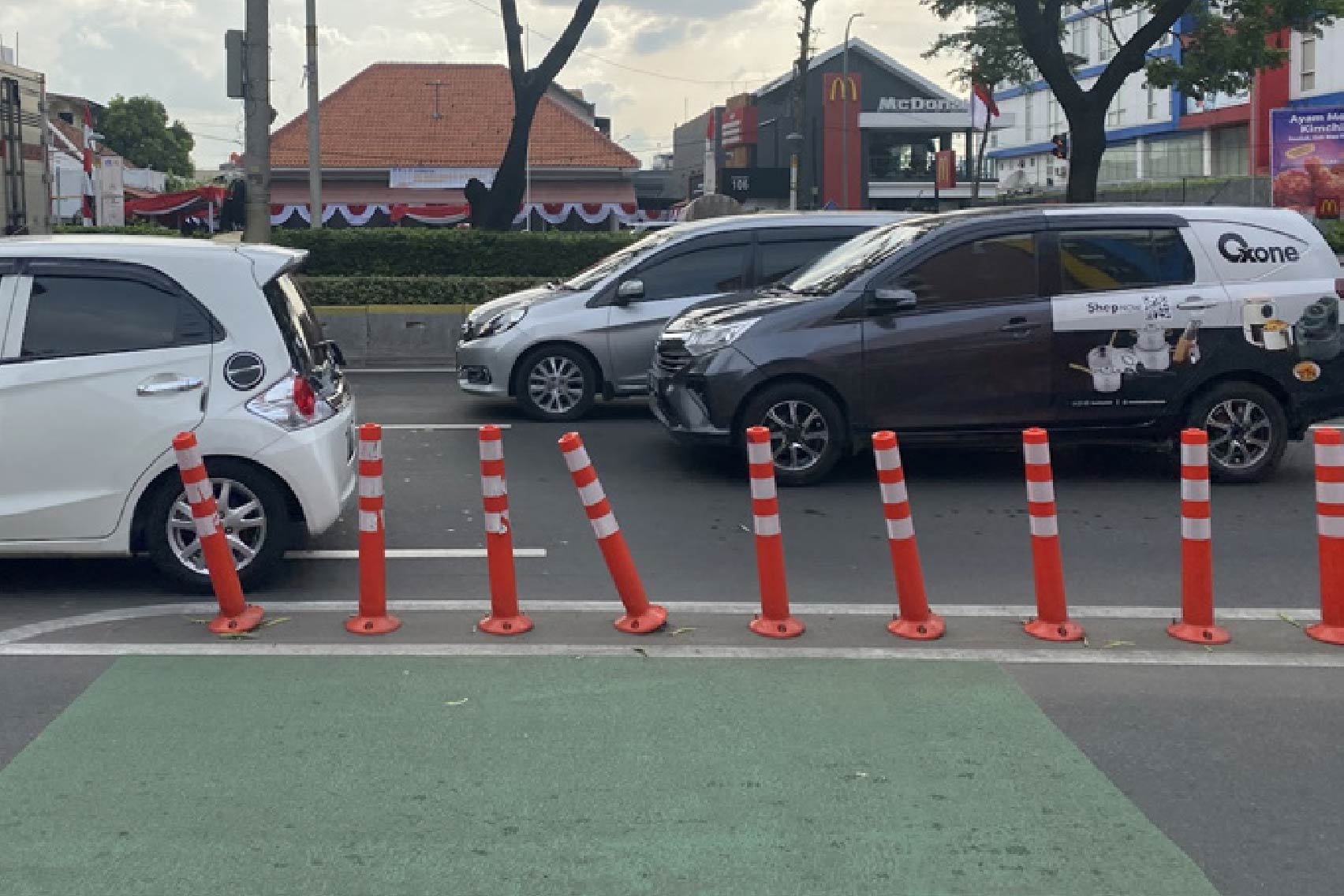
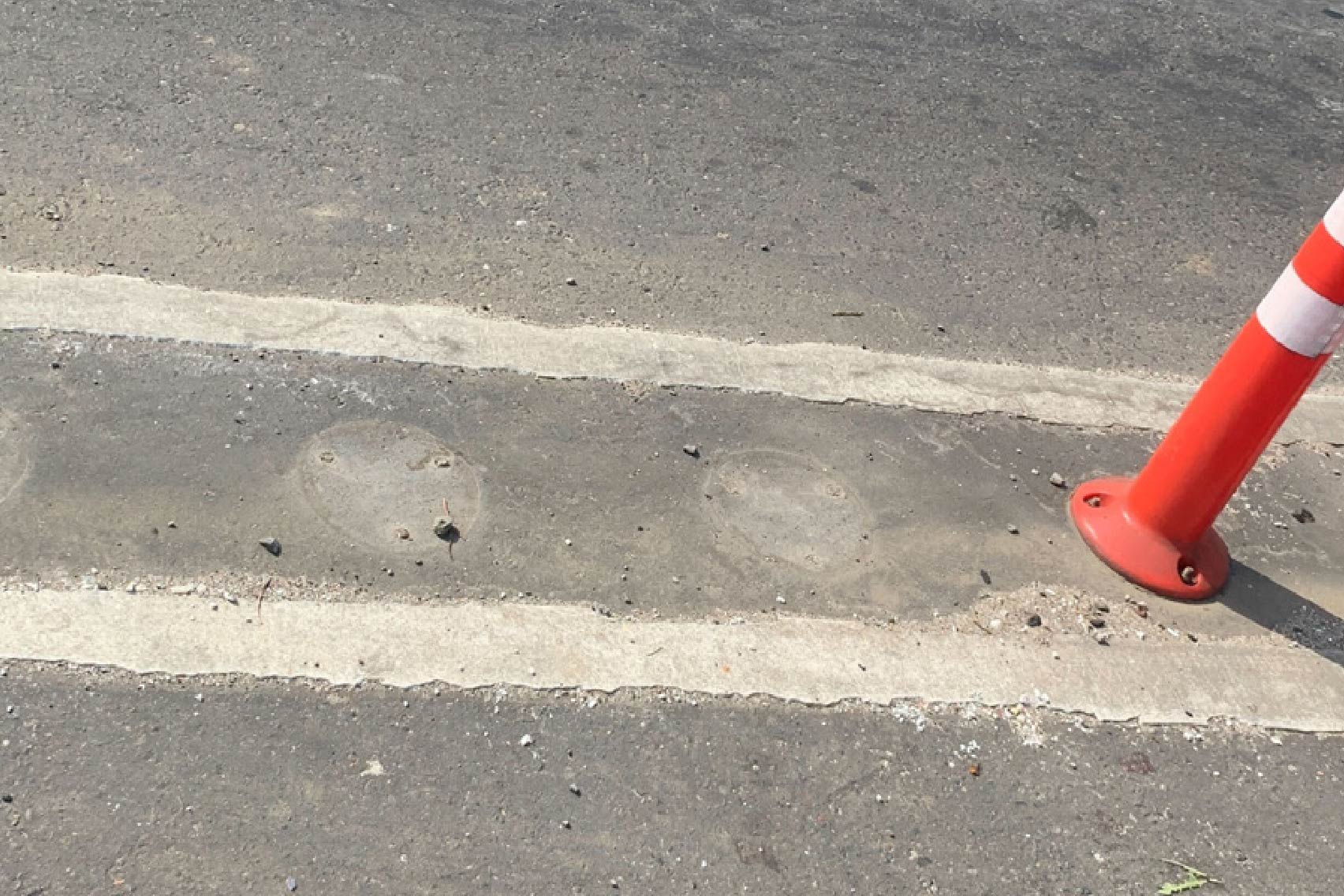
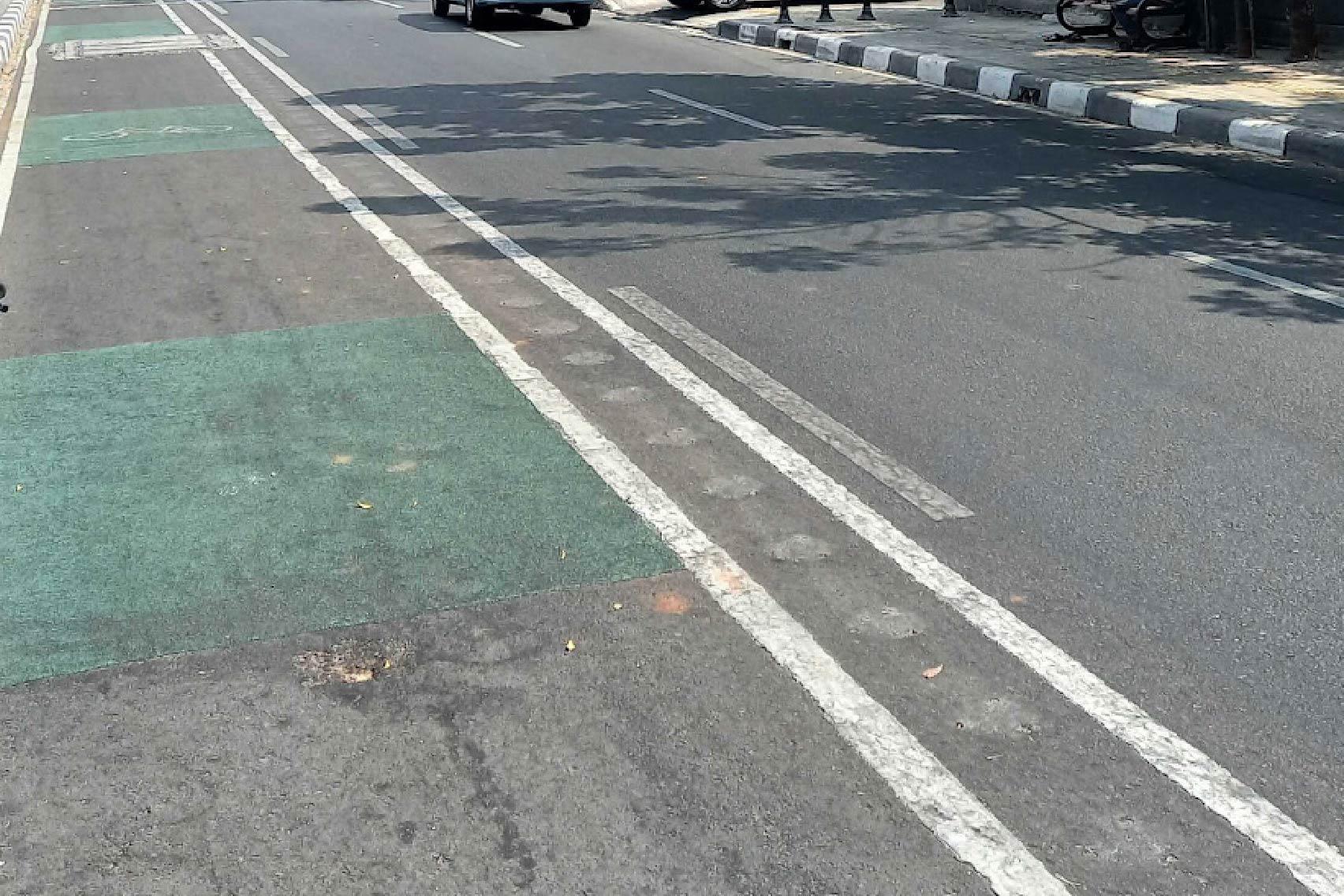
Meanwhile, recent shifts in the Jakarta Provincial Government’s priorities point to a changing approach to cycling infrastructure from expansion toward evaluation of existing facilities. ITDP Indonesia has documented several declines in infrastructure quality, including reduced bike lane protection, where stick cones were replaced with road studs, as well as fragmented cycling routes due to roadworks and new sidewalk construction10.
Getting Bike Sharing Back on the Road
The discontinuation of bike-sharing services at the time should not be seen as a sign that Jakarta no longer needs them. Rather, it reflects the fact that many of the supporting conditions and facilities were not yet fully in place, ultimately hindering the service’s sustainability. In fact, the expansion of Jakarta’s mass transit network—particularly rail-based systems such as the MRT and LRT—could provide strong momentum for reviving bike-sharing services.
In addition, the designation of public transport hubs as Transit-Oriented Development (TOD) areas under Governor Regulation No. 31 of 2022 could support the development of bike sharing by creating greater demand for short-distance trips, particularly as a connector for first- and last-mile journeys.
From a network perspective, Jakarta’s cycling lanes and corridors have now begun to form a connected network in the city center, particularly around transport hubs such as the Cikini–Gondangdia area, Dukuh Atas, and Blok M. At the corridor scale, the Sudirman-Thamrin corridor continues to record the highest volume of cycling activity compared to other streets, largely because it is equipped with physical protection11. However, the quality of Jakarta’s cycling infrastructure still requires improvement12 to create a network that is safer, more secure, more comfortable, and more attractive for cyclists, including bike-sharing users.
From a regulatory perspective, Governor Regulation No. 36 of 2022 on bike sharing needs to be tested through pilot implementation. Such pilot programs could serve as a mechanism for evaluating the regulation and capturing the current realities of the service ecosystem from both demand and supply perspectives, while also accommodating future technological developments without compromising existing principles or regulatory requirements.
For example, implementation could be adapted to the conditions and fleet types available among operators, provided that the bicycles deployed remain compliant with higher-level regulations, namely the Minister of Transportation Regulations No. 45 and No. 59 of 2020. At the same time, prospective bike-sharing operators must demonstrate a commitment to ensuring the long-term programmatic and financial sustainability of the service.
The government could also explore incentive and disincentive schemes to attract prospective operators to establish bike-sharing services in Jakarta. As regulator, the government could consider the following measures13:
Aspects |
Incentive |
Disincentives |
Financial
|
|
|
Regulatory
|
|
|
Operational
|
|
|


Jakarta’s experience in implementing bike-sharing services over recent years has generated valuable insights. It demonstrates that the success of bike sharing is shaped not only by service provision itself, but also by the readiness of the broader supporting ecosystem.
In the end, anticipating the return of bike sharing in Jakarta is not merely about reinstating a service from the past, but about ensuring that it becomes part of a more integrated and sustainable urban mobility system.
Reference:
- ITDP Indonesia. (2013). Latest Concept on Bike Sharing Implementation in Jakarta. https://itdp-indonesia.org/2013/05/latest-concept-on-bike-sharing-implementation-in-jakarta/ (diakses 23 Mei 2026).
- ITDP Indonesia. (2018). Akhirnya, Ada Bikeshare di Jakarta!. https://itdp-indonesia.org/2018/07/akhirnya-ada-bikeshare-di-jakarta/ (Diakses pada 11 Juni 2024).
- ITDP Indonesia. (2021). Uji Coba Sepeda Sewa Level Kota di Jakarta. https://itdp-indonesia.org/2021/03/ujicobasepedasewajakarta/ (Diakses pada 12 Juni 2024).
- ITDP Indonesia. (2023). Catatan Teknis Keberlanjutan Jalur Sepeda Jakarta. https://itdp-indonesia.org/publication/catatan-teknis-keberlanjutan-jalur-sepeda-jakarta/ (Diakses pada 25 Mei 2026).
- Friastuti, Rini. (2022). Bike Sharing GOWES di Jakarta Berhenti Beroperasi, Operator Butuh Investor. https://kumparan.com/kumparannews/bike-sharing-gowes-di-jakarta-berhenti-beroperasi-operator-butuh-investor-1zLdEPeV2fP (Diakses pada 25 Mei 2026).
- EBRD. (2022). Taipe Bike Sharing System – YouBike. https://www.ebrdgreencities.com/policy-tool/taipei-bike-sharing-system-%E2%80%92-youbike/#_edn4 (Diakses 23 Mei 2026).
- Youbike. (2026). Taipei City Total Number of Rentals by Area. https://en.youbike.com.tw/region/taipei/operation/ (Diakses 23 Mei 2026).
- Fakhri, Faizal. (2025). Targetkan 400 Juta Pelanggan, Transjakarta Menuju Fase Smart Mobility. https://m.beritajakarta.id/read/148564/targetkan-400-juta-pelanggan-transjakarta-menuju-fase-smart-mobility (Diakses 8 Juni 2026).
- ITDP Indonesia. (2026). ITDP Indonesia Dukung Kebijakan Mobilitas Perkotaan yang Lebih Komprehensif di Busworld Southeast Asia 2026. https://itdp-indonesia.org/2026/05/itdpindonesia-busworldsea2026/ (Diakses 8 Juni 2026).
- ITDP Indonesia Survey, 2024.
- ITDP Indonesia. (2023). Catatan Teknis Keberlanjutan Jalur Sepeda Jakarta. https://itdp-indonesia.org/publication/catatan-teknis-keberlanjutan-jalur-sepeda-jakarta/ (Diakses pada 23 Mei 2026).
- ITDP. (2018). The Bikesharing Planning Guide: 2018 Edition. https://itdp.org/publication/the-bike-share-planning-guide/ (Diakses pada 4 Juni 2026).